
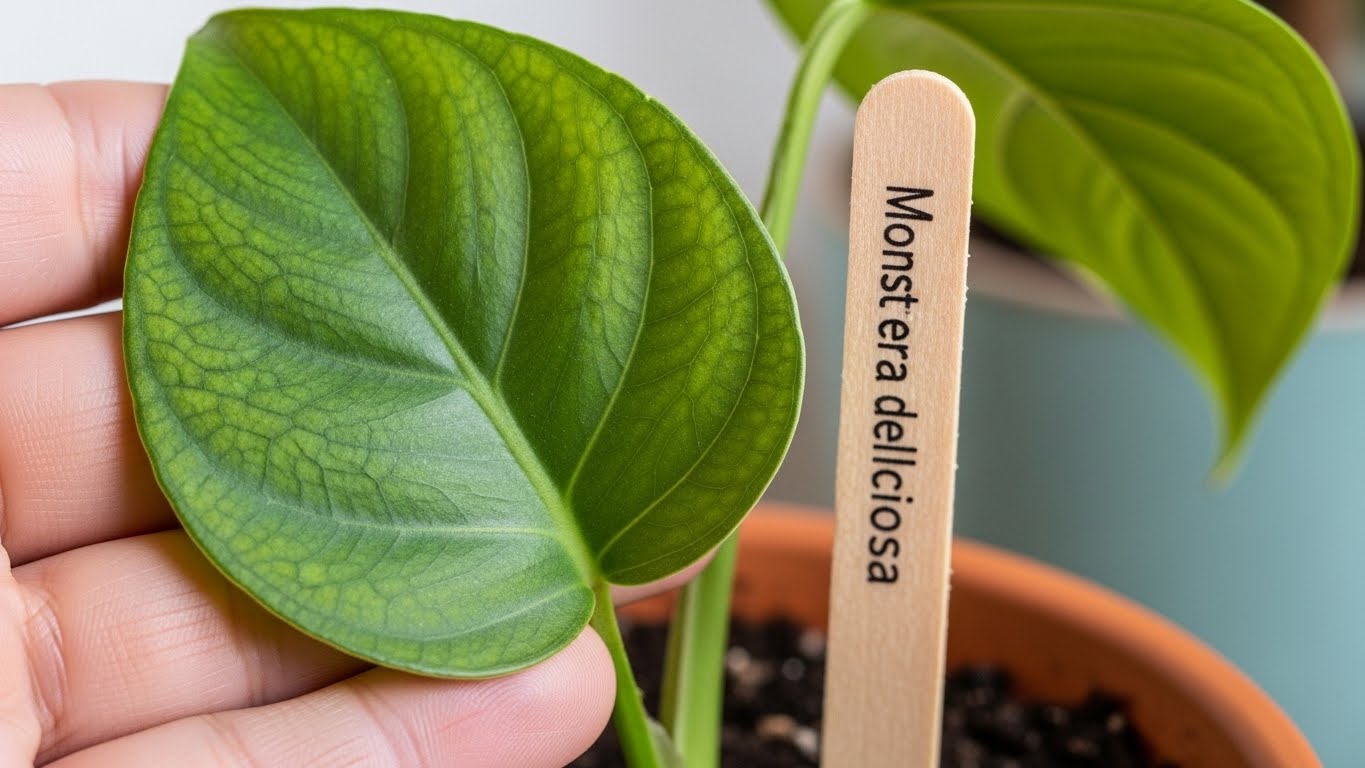
To identify what type of indoor plant you have, start by looking at key features. Notice its leaf shape—like round or heart-shaped—and texture, which can range from smooth to fuzzy. Check the stem structure; is it thick or slender? If it has flowers, observe their shape and color too. Using plant identification apps or guides can really help! You’ll also find useful insights by connecting with plant communities, making your indoor gardening journey so much more fun!
Understanding Plant Families and Categories
Understanding plant families and categories is essential for anyone interested in indoor gardening, especially since it helps you choose the right plants for your space. Plant taxonomy organizes plants into families based on shared characteristics, making it easier for you to identify and care for them. For instance, the succulent family has thick leaves that store water, while the fern family thrives in humidity and shade. By knowing these family characteristics, you’ll feel more confident selecting plants that match your environment. You might find that certain families are more resilient in your home, while others may need extra attention. Embracing this knowledge not only enhances your gardening skills but also creates a nurturing bond with your green companions.
Observing Leaf Shape and Texture
When you take a closer look at indoor plants, you’ll quickly discover that leaf shape and texture play a huge role in identifying different species. Each plant tells a story through its leaves, and understanding these details can make all the difference.
Examining leaf shape and texture reveals the unique stories of indoor plants, enhancing your understanding of their diversity.
Here are some key aspects to observe:
- Leaf Shape: Is it round, long, or heart-shaped?
- Leaf Texture: Is it smooth, fuzzy, or waxy?
- Leaf Coloration: Are the leaves deep green, variegated, or even colorful?
- Leaf Size: Are they small and delicate or large and bold?
Examining Stem Structure
While observing leaf shape and texture gives you a glimpse into a plant’s identity, examining the stem structure can reveal even more fascinating details. Start by doing a stem thickness comparison; some plants have thick, sturdy stems, while others flaunt slender, delicate ones. This difference can indicate whether your plant is a succulent or a climbing vine, for example. Next, explore stem texture analysis. Is it smooth, rough, or perhaps even fuzzy? A smooth stem might suggest a tropical plant, whereas a rough texture could point to a hardy variety. By taking a closer look at these characteristics, you’re not just identifying your plant; you’re connecting with its unique story and thriving personality.
Noticing Flower Characteristics
When you’re trying to identify indoor plants, noticing flower characteristics is key! Pay attention to petal shape and size, as well as the color variations and patterns that can make a plant stand out. Plus, knowing the blooming season can give you valuable insights into the care your plant needs and how it’ll brighten up your space throughout the year.
Petal Shape and Size
Petals come in a dazzling array of shapes and sizes, each contributing to the unique identity of a flower. By observing the petal shape and size, you can uncover more about your plant. Here’s what to look for:
- Shape: Are they round, spiky, or tubular?
- Size: Are the petals small and delicate or large and bold?
- Texture: Do they feel smooth, velvety, or crinkled?
- Petal Color: Take note of the colors, as they can be vibrant or soft.
Understanding these characteristics can deepen your connection with your plant. By recognizing the petal shape and size, you’ll appreciate the beauty of your indoor flower even more, making every glance a little more special.
Color Variations and Patterns
As you explore the vibrant world of indoor plants, you’ll quickly notice that colors and patterns can tell you a lot about your flowers. Pay attention to color saturation; some flowers boast rich, deep hues while others flaunt softer shades. These variations give insight into the plant’s needs and health.
Pattern diversity is equally fascinating—look for stripes, spots, or unique markings that make each flower distinct. These patterns can help you identify specific species or varieties. Don’t forget to take notes on how these colors and patterns shift with changing light or seasons, as that can reveal more about your plant’s growth habits. Embrace the beauty of your flowers, and let their colors guide you in your plant journey!
Blooming Season Insights
Noticing the blooming season of your indoor plants can reveal exciting insights into their characteristics and overall health. Understanding the flower timing helps you appreciate how seasonal changes affect your plant’s growth. Here are some key points to evaluate:
- Bloom Duration: Some plants bloom for weeks, while others have short bursts of flowers.
- Color Variations: Different blooms can indicate nutrient levels or health issues.
- Fading Blooms: If flowers wilt quickly, it might signal a need for more light or water.
- Seasonal Patterns: Learning when your plants typically flower helps you anticipate and care for them better.
Assessing Leaf Color Patterns
Have you ever wondered how the colors of a plant’s leaves can tell you so much about its health and needs? Leaf discoloration can be a sign of stress, with yellowing often indicating overwatering or nutrient deficiency. Conversely, dark green leaves are usually a sign of a happy plant. Seasonal leaf changes can also affect color; during winter, some plants may lose their vibrancy as they enter a dormant phase. If you notice brown spots, it could be due to sunburn or pests, while fading colors might signal that your plant is craving more light. By observing these color patterns, you can better understand your plant’s needs and help it thrive in your home.
Identifying Growth Habits
Identifying how a plant grows is just as important as observing its leaf colors. Understanding its growth patterns can help you provide the best care. Pay attention to how your plant behaves throughout the year, especially during seasonal changes. Here are a few key growth habits to look for:
- Upright vs. Spreading: Does it grow tall or spread out?
- Fast vs. Slow Growth: Notice how quickly it puts on new leaves or stems.
- Dormant Periods: Some plants slow down during certain seasons.
- Vining or Climbing: Does it reach for the light, or prefer to stay low?
Recognizing these traits will deepen your connection with your plant, making your gardening experience even more rewarding!
Considering Plant Size and Shape
When you’re picking indoor plants, size and shape matter more than you might think! The variations in leaf size, different growth habits, and overall height can really influence how a plant fits into your space. Understanding these aspects helps you choose the perfect greenery that not only suits your room but also brings it to life!
Leaf Size Variations
Leaf size can vary dramatically among indoor plants, and this variation often connects to the plant’s overall size and shape. When you look closely, you’ll notice that different plants show unique characteristics in their leaves:
- Leaf Length: Some plants have long, slender leaves, while others sport short and broad ones.
- Leaf Width: The width can create a striking contrast, adding to the plant’s visual appeal.
- Leaf Texture: Feel the difference; some leaves are smooth, while others are rough or fuzzy.
- Leaf Color: A vivid color can tell you a lot about the plant’s health and type.
Also, pay attention to the leaf margins, arrangement, venation, and surface—these clues can help you identify your indoor plant with confidence!
Growth Habit Types
Understanding the different growth habits of indoor plants can really enhance your gardening experience. Each plant has its unique style, from climbing plants and trailing vines that can gracefully drape or climb, to upright growth that adds height to your space. You’ll also find bushy varieties that fill out your room, compact forms perfect for small areas, and spreading types that create a lush look. Some plants are fast growers, quickly transforming your space, while others are slow growers, requiring a bit more patience. Keep in mind their light preferences, as this can influence their growth. Seasonal changes can also affect how your plants behave, so stay observant and enjoy the journey of growth!
Overall Plant Height
Overall plant height plays a significant role in how indoor plants fit into your living space, influencing both aesthetics and functionality. When you’re measuring height, it’s essential to reflect on how that height interacts with your room’s design. Comparing growth between plants can also reveal which ones flourish in your environment. Here are some key points to think about:
- Small plants (under 12 inches) fit nicely on shelves or desks.
- Medium plants (12-24 inches) can be perfect for tabletops.
- Tall plants (24-48 inches) make bold statements in corners.
- Extra tall plants (over 48 inches) can serve as stunning focal points.
Researching Common Indoor Plants
Have you ever wondered what makes some indoor plants so popular? Researching common indoor plant varieties is a fantastic way to uncover their unique charm. Start by looking for specific identifying traits, like leaf shape, color, and growth patterns. For example, the pothos has heart-shaped leaves with a vibrant green hue, while the snake plant stands tall with its striking upright leaves. Knowing these details can help you connect with your plants on a deeper level. You can also explore which varieties thrive best in your home’s light conditions. By familiarizing yourself with these traits, you’ll not only choose the right plant but also cultivate a nurturing relationship that brings joy and life into your space. Happy researching!
Utilizing Plant Identification Apps
When you’re trying to identify your indoor plants, plant identification apps can be a game changer! With popular options available, you can snap a picture and get instant feedback on what you’re looking at. To make sure you get the most accurate results, there are a few tips you can follow, and we’ll cover those next!
Popular Plant Apps
Why guess when you can easily identify your indoor plants with a tap on your phone? Popular plant apps are here to help you discover the wonders of plant identification in a fun and interactive way. With their amazing app features, you’ll be able to explore vast plant databases and enjoy community support. Here are some highlights to look for in a great plant app:
- Photo Recognition: Snap a pic and let the app identify your plant.
- Identification Accuracy: Get reliable results that you can trust.
- Care Instructions: Learn how to nurture your plants better.
- User Reviews: See what other plant lovers think about the app.
With these tools at your fingertips, plant care becomes a breeze!
Tips for Accurate Identification
To guarantee you get the most accurate identification of your indoor plants using plant identification apps, it helps to follow a few practical tips. First, make sure you’ve got plenty of clear photos from different angles, highlighting leaves, stems, and flowers. This way, the app can capture all those unique features. Remember, environmental factors like lighting can influence how your plant looks, so try to take pictures in natural light. Don’t forget to check the app’s community features, where other plant lovers can offer insights or confirm your findings! Finally, once you’ve identified your plant, delve into plant care tips specific to it; this knowledge will help you keep your green friend thriving. Happy identifying!
Consulting Plant Care Books and Guides
Finding the right indoor plants for your space can be a fun adventure, and consulting plant care books and guides is like having a trusty sidekick on this journey. These resources are invaluable for mastering identification techniques and plant care essentials. Here’s how to make the most of them:
Finding the perfect indoor plants becomes a delightful journey with the guidance of plant care books and guides.
- Look for pictures: Visual aids help you match your plant with its description.
- Read about care: Understanding watering, light, and soil needs guarantees your plant thrives.
- Explore varieties: Discover different species to find one that fits your style.
- Take notes: Jot down important details to help you remember what you learn.
With these tips, you’ll gain confidence in identifying and caring for your indoor plants!
Joining Plant Enthusiast Communities
Have you ever thought about how much fun it would be to connect with fellow plant lovers? Joining plant enthusiast communities can be a fantastic way to share your passion and learn more about your indoor plants. You can find these communities on social media platforms or in online forums, where people share tips, photos, and advice.
Seeking Help From Local Nurseries
When you’re looking to expand your indoor plant collection or tackle a tricky plant problem, local nurseries can be a treasure trove of information and support. Their local nursery expertise can help you identify your plants and provide invaluable plant care advice. Don’t hesitate to reach out and ask questions! Here’s how you can make the most of your visit:
- Show them a picture of your plant for accurate identification.
- Ask for tips on watering, lighting, and fertilizing specific plants.
- Inquire about common pests and their remedies.
- Seek recommendations for other plants that suit your space.
Connecting with knowledgeable staff can enhance your plant journey, making it more enjoyable and fruitful. Remember, they’re there to help you thrive!
Documenting Your Findings for Future Reference
To make your indoor gardening journey even more rewarding, documenting your findings is a smart way to keep track of your plant care experiences. A plant journal can be a wonderful companion, allowing you to jot down observation notes and reflect on your plants’ growth. You might want to create a simple table to organize your thoughts:
Date | Plant Type |
|---|---|
2023-01-01 | Snake Plant |
2023-01-15 | Spider Plant |
2023-02-01 | Pothos |
2023-02-10 | Peace Lily |
2023-03-01 | ZZ Plant |
This way, you’ll have a lovely record to refer back to, helping you learn what works best for each plant and making your gardening experience even more fulfilling.
Conclusion
In your quest to discover your indoor plant’s identity, remember to observe, analyze, and appreciate its unique traits. By combining careful consideration of leaf shape, stem structure, and flower features, you’ll become a confident plant detective! Don’t hesitate to consult books, connect with fellow enthusiasts, or seek advice from local nurseries. With determination and a dash of curiosity, you’ll cultivate a deeper connection with your leafy companion, turning your home into a vibrant green haven!


