
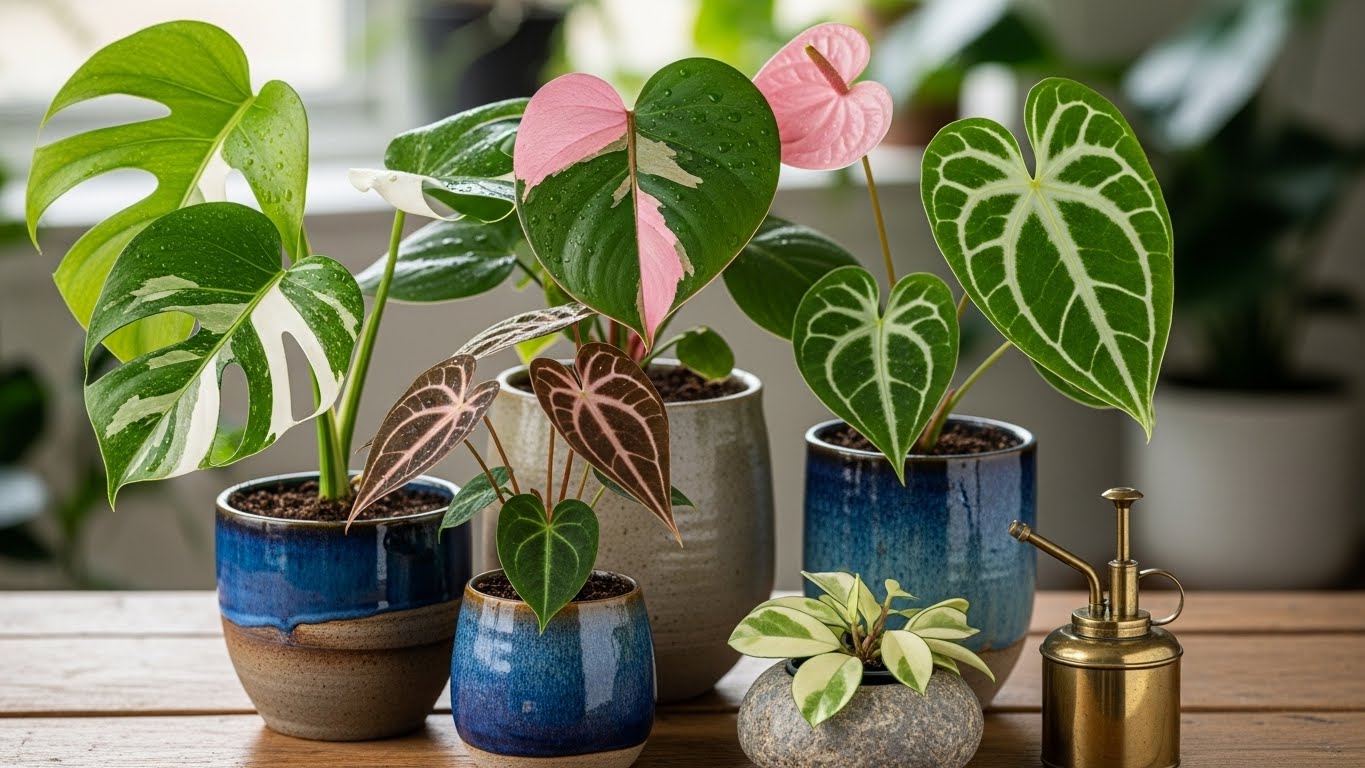
Collector plants are special types that catch the eye with their striking shapes, vibrant colors, and rare growth habits. They attract gardening enthusiasts who enjoy the challenge of caring for these unique species. Each plant has its own story, telling you where it came from and how to care for it. These plants not only beautify spaces but also support biodiversity. If you’re curious about how to start and showcase your collection, there’s more to explore!
Defining Collector Plants
When you think about plants, you might picture flowers or trees, but collector plants are a unique category all their own! Collector plant characteristics set them apart, often featuring unusual shapes, vibrant colors, or rare growth habits. These defining collector species attract enthusiasts who appreciate their distinct qualities and the challenge of nurturing them.
You’ll find that collector plants can include everything from striking succulents to exotic ferns. Each one tells a story, inviting you to explore its origins and care needs. As you plunge into this fascinating world, remember that collector plants aren’t just about rarity; they’re about the joy of connection and the thrill of discovery. So, are you ready to start your collection?
The Allure of Rarity: Why Collectors Seek Unique Species
When you think about why collectors are drawn to unique plant species, the answer often lies in their striking beauty and the potential for investment. Unique plants can bring a touch of the extraordinary to your collection, making your space feel special and personal. Plus, as these rare species become more sought after, their value can skyrocket, turning your passion into a smart botanical investment.
Unique Aesthetic Appeal
Unique plant species captivate collectors for many reasons, but one of the most compelling is their aesthetic appeal. When you encounter these remarkable plants, you can’t help but admire their beauty and uniqueness. Their aesthetic diversity adds a visual impact that transforms any space into a vibrant sanctuary. Here’s why you might find yourself drawn to them:
- Color Variety: Unique species often boast stunning colors, from deep purples to bright pinks, each bringing its charm.
- Shape and Texture: The unusual shapes and textures of leaves and flowers create visual intrigue, making your collection stand out.
- Cultural Stories: Each plant has a story or significance that adds depth to its beauty, connecting you to different cultures and traditions.
Collecting these plants means surrounding yourself with nature’s artistic masterpieces!
Botanical Investment Potential
As you explore the world of plant collecting, you might discover that rarity plays a crucial role in the appeal of certain species, making them not just beautiful but also valuable investments. Collectors often seek unique plants with the potential for significant financial returns.
Plant Species | Rarity Level | Potential Value |
|---|---|---|
Monstera Albo | High | $500+ |
Variegated String of Hearts | Medium | $200+ |
Pink Princess Philodendron | High | $300+ |
Investing in these botanical wonders can bring joy and excitement, knowing you own something extraordinary. Plus, as their rarity increases, so does their value, making your collection not just a hobby but a smart botanical investment!
Types of Collector Plants
When it comes to collector plants, you’ll discover a fascinating variety that caters to different interests and skills. Some plants are prized for their rarity, while others thrive in unique growing conditions that challenge your gardening abilities. Plus, understanding propagation techniques can help you cultivate your collection and share your passion with fellow enthusiasts!
Rare Species Identification
Identifying rare species of collector plants can feel like starting on an exciting treasure hunt, where each discovery opens up a world of wonder and knowledge. To successfully identify these unique plants, you’ll want to focus on their species characteristics and employ effective identification techniques. Here are three tips to help you along the way:
- Observe Leaf Patterns: Take note of the shape, size, and color of leaves, as these can reveal a lot about the plant’s identity.
- Check Flower Details: Flowers often hold key identification features, including color, shape, and blooming season.
- Research Habitat: Understanding where a plant thrives can help you deduce its rarity and specific requirements.
With these steps, you’ll be well on your way to becoming a rare plant detective!
Unique Growing Conditions
While many plants thrive in typical garden settings, collector plants often prefer unique growing conditions that can make them a bit more challenging to cultivate. These plants usually have specific climate requirements and demand specialized care techniques that set them apart from your average houseplant. Here’s a quick look at some unique growing conditions for collector plants:
Plant Type | Unique Requirement |
|---|---|
Orchid | High humidity and indirect light |
Carnivorous Plant | Moist, acidic soil |
Cacti | Low humidity and bright sunlight |
Alpine Plant | Well-draining, rocky soil |
Tropical Fern | Warm temperatures and moisture |
Understanding these conditions can help you create an environment where your collector plants can truly thrive, turning your space into a botanical wonder!
Propagation Techniques Explained
Once you’ve got the hang of creating the perfect environment for your collector plants, it’s time to explore how to multiply your botanical treasures! Propagation techniques are your ticket to expanding your green family, and there are a few popular methods to evaluate:
- Seed Propagation: Start by collecting seeds from your plants. With patience, you can grow new ones from these little wonders.
- Cuttings: Snipping a healthy stem and placing it in water or soil can lead to new roots and a thriving plant.
- Tissue Culture: This advanced technique allows you to grow new plants in a sterile environment, ensuring healthy growth.
Experiment with these methods, and watch your collection flourish, bringing you joy and satisfaction!
The Role of Collector Plants in Biodiversity
Collector plants play an essential role in supporting biodiversity, as they create habitats that attract a variety of organisms. By nurturing these plants, you’re not just beautifying your space; you’re also fostering important pollinator interactions. Bees, butterflies, and other pollinators thrive in environments rich with diverse plant life, helping to sustain ecosystems. These interactions are fundamental for the reproduction of many plants, including food crops, which means your efforts contribute to habitat preservation on a larger scale. When you cultivate collector plants, you’re weaving a tapestry of life that supports not only local wildlife but also the health of our planet. So, embrace these unique plants and watch how they transform your garden into a buzzing sanctuary of biodiversity!
Motivations Behind Plant Collecting
When you think about plant collecting, you might picture a quiet hobby that involves wandering through gardens or forests, but there’s so much more to it! People immerse themselves in this passion for various personal motivations, often forming deep emotional connections with their plants. Here are a few reasons why plant collecting can be so fulfilling:
- Connection to Nature: You feel more in tune with the earth and its beauty.
- Creativity: Collecting allows you to express yourself through unique arrangements and displays.
- Community: You bond with fellow collectors, sharing tips, stories, and experiences that enrich your journey.
These motivations not only fuel your passion but also create a sense of belonging, making the world of plants even more magical!
How to Start Your Collector Plant Journey
Starting your plant collecting journey can be an exciting adventure, especially if you’re ready to explore the vibrant world of greenery around you. To kick things off, gather some collector plant essentials. First, decide on a theme for your starting collection, like succulents or rare tropicals. Next, research different plants that fit your theme; this will help you build a diverse and appealing collection. Don’t forget to invest in proper pots and soil to guarantee your plants thrive. Visit local nurseries or online shops to find unique specimens that spark joy. Finally, keep track of your plants with notes or a journal, capturing their growth and care needs. Enjoy every moment as you nurture your new green companions!
Caring for Collector Plants: Tips and Techniques
Caring for your collector plants is essential if you want them to thrive in your home. You’ll need to pay close attention to their watering requirements, light conditions, and soil preferences to keep them healthy and happy. Let’s explore these tips and techniques so you can become a pro at plant care!
Watering Requirements
Watering collector plants is essential for keeping them healthy and vibrant, so understanding their specific needs will help you avoid common pitfalls. Each plant has unique requirements based on its type, and getting this right can make all the difference. Here are three key tips to remember:
- Check humidity levels: Many collector plants thrive in higher humidity, so consider misting them or placing them near a humidifier.
- Adjust watering frequency: Always check the soil moisture before watering. Some plants prefer to dry out between waterings, while others like consistent moisture.
- Use room temperature water: Cold water can shock roots, so it’s best to let your water sit for a while before using it.
With these tips, you’ll create a nurturing environment for your beloved plants!
Light Conditions
Light plays a significant role in the health and growth of collector plants, just as watering does. To keep your plants thriving, you’ll want to pay close attention to their light conditions. For those indoors, bright, indirect light is often ideal—placing your plants near a window where they can soak up that gentle glow will work wonders. If you’re considering outdoor exposure, be cautious; some plants flourish in dappled sunlight, while others prefer full sun. Remember, too much direct sunlight can scorch their delicate leaves. Always observe your plants—if they’re stretching towards the light or showing signs of stress, it’s time to adjust their spot. Your attention to their light needs will reward you with vibrant, healthy growth.
Soil Preferences
Choosing the right soil is essential for the success of your collector plants, and it’s one of the most important factors to take into consideration. The ideal soil composition should cater to their unique needs, ensuring they thrive beautifully. Here are three key aspects to consider:
- Drainage Needs: Make sure your soil drains well to prevent waterlogging, which can damage roots.
- Nutrient Levels: Enrich the soil with organic matter, like compost, to boost nutrients that your plants crave.
- pH Balance and Moisture Retention: Aim for a balanced pH to support growth and select soil that retains moisture without becoming soggy.
Showcasing Your Collection: Display Ideas
When you want to show off your plant collection, the right display can transform your space and highlight the unique beauty of each plant. Consider using shelf displays for a tiered effect, allowing smaller plants to shine beneath larger ones. Terrarium setups create enchanting mini-ecosystems, while wall mounts can save space and add visual interest. Plant stands elevate your greenery, making it a focal point. Themed arrangements, like a tropical corner or a succulent shelf, can tell a story. Play with lighting options to enhance colors, and don’t forget color coordination for a cohesive look. Get creative with containers, and adapt your displays for seasonal decor to keep things fresh and inviting!
Ethical Considerations in Plant Collecting
While it’s exciting to collect plants, it’s important to think about the ethical implications of your hobby. You don’t just want to fill your space with beautiful greenery; you also want to be responsible. Here are some key ethical considerations to keep in mind:
- Ethical Sourcing: Always buy plants from reputable nurseries that prioritize sustainable practices.
- Conservation Impact: Understand how your collecting habits might affect wild populations. Avoid taking plants from their natural habitats.
- Education: Learn about the specific needs and conservation status of the plants you’re interested in to guarantee you’re supporting their survival.
The Future of Collector Plants in Gardening and Horticulture
As you think about the ethical side of plant collecting, it’s also exciting to contemplate where collector plants are headed in the world of gardening and horticulture. Future trends show a growing emphasis on sustainable practices, encouraging collectors to focus on preserving plant species rather than just acquiring them. You might find that more gardeners are turning to native plants, which not only thrive in local conditions but also support local ecosystems. Innovations in propagation techniques and technology will further enhance your ability to cultivate these unique specimens responsibly. As you embrace these changes, you’ll contribute to a more sustainable future in gardening, ensuring that collector plants can flourish for generations to come. It’s an adventure worth undertaking!
Conclusion
In summary, collector plants offer a thrilling journey into the domain of unique species, sparking curiosity and passion for nature. While some might worry about the environmental impact of collecting, responsible practices and ethical sourcing can guarantee that these plants thrive for future generations. By nurturing your collection and sharing your knowledge, you contribute to biodiversity and inspire others. So, plunge into the vibrant universe of collector plants, and let your garden tell a story of adventure and appreciation!


