
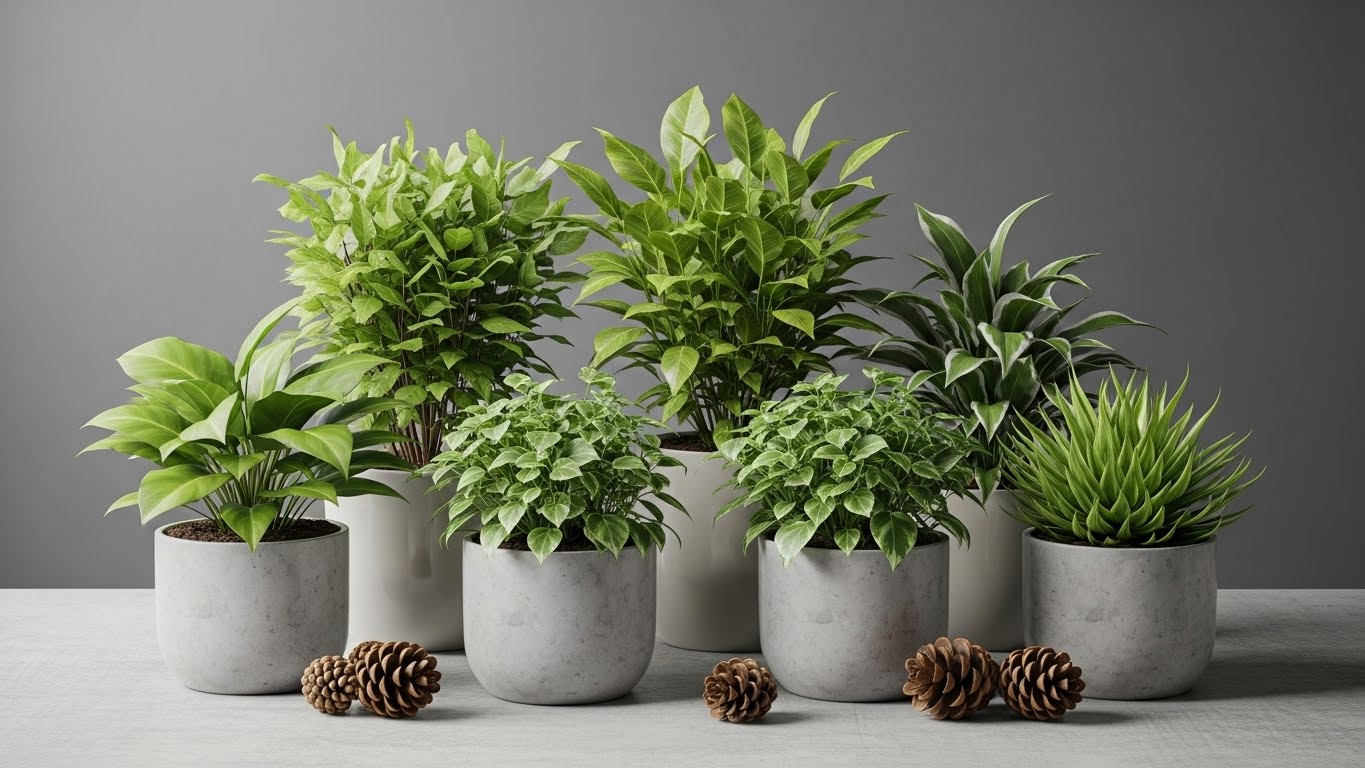
Rotating your plants seasonally is a smart way to keep your garden healthy and vibrant! In fall, plant cool-weather vegetables like pumpkins and colorful mums. Winter means focusing on indoor plants and minimal care, while spring gets you prepping the soil and starting seeds. Come summer, increase your watering and enjoy bright blooms. Each season offers unique opportunities to enhance your garden’s beauty and soil health. Keep going to discover how to make the most of each season!
Key Takeaways
💡 If you’re looking to enhance your seasonal plant displays, mastering the art of styling statement plants is essential.
➜ Master this approach
- Rotate crops seasonally to maintain soil health, enhance nutrient availability, and reduce pest and disease risks in your garden.
- In fall, plant hardy vegetables and ornamental grasses while transitioning to winter care with minimal watering and frost protection.
- For winter, focus on dormant plants, ensuring good air circulation and pest monitoring while using decorative pots with drainage.
- Spring requires planting vibrant flowers and vegetables; prepare soil by loosening, adding compost, and ensuring proper spacing for optimal growth.
- Summer’s heat demands frequent watering and shade for plants; incorporate bold colors to reflect the lively spirit of the season.
Understanding Seasonal Plant Needs
When you think about plants, you might imagine them thriving in sunshine, but did you know that each season brings its own unique needs for your green friends? Understanding seasonal adaptation is key to ensuring healthy plant growth throughout the year. In spring, they’ll crave extra water and nutrients as they wake up from their winter slumber, while summer calls for more frequent watering and some shade to avoid scorching. As the days grow shorter in fall, plants begin to slow down, requiring less water. Finally, in winter, many plants go dormant, needing minimal care. By paying attention to these seasonal needs, you’ll create a nurturing environment, allowing your plants to flourish and add beauty to your space all year round.
Best Plants for Fall Displays
As the vibrant colors of summer fade, fall offers a fantastic opportunity to showcase plants that thrive in cooler temperatures and bring a burst of warmth to your garden or home. Embrace fall foliage with stunning ornamental grasses, and don’t forget about autumn herbs like rosemary and sage, perfect for your kitchen. Seasonal vegetables such as pumpkins can create charming pumpkin planters, adding a cozy touch to your decor. For festive arrangements, try mixing transitional flowers like asters with colorful mums to capture those rich fall colors.
Plant Type | Suggested Use | Key Features |
|---|---|---|
Ornamental Grasses | Garden borders | Tall, swaying beauty |
Autumn Herbs | Kitchen and decor | Aromatic, useful |
Seasonal Vegetables | Edible displays | Fun, colorful options |
Preparing Your Garden for Winter
Preparing your garden for winter is essential if you want to guarantee your plants make it through the cold months and come back strong in the spring. Start by tidying up, or garden cleanup, removing dead leaves and debris that can harbor pests. Next, think about frost protection; cover sensitive plants with burlap or blankets to shield them from harsh winds. You’ll also want to insulate the soil—adding mulch helps retain warmth and moisture, ensuring soil insulation. Assess your plants’ hardiness; some may need extra care. With a little effort in winter gardening, you can create a cozy environment for your plants, allowing them to thrive when warmer days return. Your garden will thank you!
Indoor Plant Care During Winter
Indoor plants can be a rejuvenating change during the chilly winter months, bringing life and color to your home when everything outside seems dull and gray. To keep your green friends thriving, pay attention to humidity levels, light adjustments, and temperature control. Here’s a quick guide to help you care for your indoor plants:
Aspect | Tips |
|---|---|
Watering Frequency | Water less frequently, allowing soil to dry between waterings. |
Pest Monitoring | Regularly check leaves for pests; indoor conditions can attract them. |
Air Circulation | Guarantee good airflow around plants to prevent mold. |
Decorative Pots | Use pots that allow for drainage to avoid overwatering. |
Winter Sunlight | Rotate plants to maximize exposure to winter sunlight. |
With these tips, you’ll keep your indoor plants healthy and vibrant all winter long!
Spring Planting Essentials
With the arrival of spring, it’s time to shake off the winter blues and get your hands dirty in the garden! Start by prepping your spring soil. Loosen it up, removing any debris, and mix in compost for nutrients. This rich blend will help your plants thrive.
Next, consider your planting techniques. You can sow seeds directly into the soil or start them indoors before transplanting. Remember to space them according to their needs; crowded plants can struggle to grow.
Water your seeds gently to keep the soil moist but not soggy. As you watch your garden come to life, you’ll feel the excitement of nurturing new growth, making every effort worth it. Happy planting!
Vibrant Summer Blooms
As summer approaches and the days grow longer, your garden can burst into a riot of color with vibrant blooms that not only brighten up your space but also attract beneficial pollinators. Consider planting pollinator-friendly flowers like zinnias and cosmos, which thrive in heat and offer vibrant color combinations. Don’t forget fragrant summer plants like lavender to enhance your garden’s appeal. Opt for drought-resistant blooms to keep your garden thriving during dry spells. For those with limited space, container gardening tips can help you maximize sunlight exposure. Remember to stay on top of summer garden maintenance and use seasonal harvesting techniques to enjoy the fruits of your labor while attracting butterflies to your beautiful oasis.
Tips for Successful Plant Rotation
To make your plant rotation a success, you’ll want to start by evaluating the light conditions in your space, since different plants thrive in varying amounts of sunlight. Next, keep an eye on temperature changes throughout the seasons, as this can greatly impact your plants’ health and growth. Finally, don’t forget to choose seasonal favorites that not only look great but also adapt well to your specific environment!
Assess Light Conditions
How can you tell if your plants are getting the right amount of light? Evaluating light conditions is essential for a thriving garden. Here’s what to look for regarding light intensity and light duration:
- Leaf Color: If your plants’ leaves are yellowing or pale, they might need more light.
- Growth Direction: Are your plants leaning towards the light source? They may be stretching for more.
- Flowering Patterns: Fewer blooms can indicate insufficient light. A happy plant blooms more!
- Growth Rate: Slow growth can signal inadequate light duration; plants need consistent light to flourish.
Monitor Temperature Changes
When you rotate your plants, keeping an eye on temperature changes is crucial to their well-being. Your plants thrive best when they adapt to their specific climate, so monitor those temperature fluctuations closely. Consider placing a thermometer near your plants to track any shifts. If you notice a drop or rise in temperature, adjust their location accordingly.
For example, during colder months, you might want to move your tropical plants indoors, where it’s warmer. Conversely, in the summer, make sure they’re getting some shade to prevent overheating. By being attentive to these changes, you help your plants flourish and encourage their natural climate adaptation. This simple practice will keep your greenery vibrant and healthy throughout the seasons.
Choose Seasonal Favorites
Choosing seasonal favorites for your plant rotation not only keeps your garden looking lively but also guarantees your plants thrive in their ideal conditions. To help you select the perfect plants, consider these tips:
- Know Your Seasons: Research what plants grow best in your area during each season.
- Color Palette: Choose plants that complement each other for a visually stunning garden.
- Growth Cycle: Select plants with varying growth rates to ensure something’s always blooming.
- Care Requirements: Pick plants with similar care needs, making it easier for you to maintain them.
Incorporating seasonal favorites into your plant selection can transform your garden into a vibrant, thriving space, so get excited about mixing things up! Happy gardening!
Seasonal Color Palettes
Colors burst from the garden like confetti at a celebration, each season showcasing its own unique palette. Think about how spring brings vibrant greens and soft pastels, while summer dazzles with bold oranges and deep purples. As the leaves change in fall, warm reds and golds create breathtaking views. Winter, though quieter, offers cool blues and whites that evoke a serene beauty.
When you design your garden, consider these seasonal themes for your color coordination. Choose plants that complement each other and reflect the mood of the season. Mixing textures, like velvety petunias with feathery ferns, adds depth. By embracing these colorful contrasts, you’ll create a garden that feels alive and inviting throughout the year.
💡 Transform your space with indoor plants that not only beautify but also serve practical purposes.
➜ Discover proven techniques
Incorporating Seasonal Decor
When you think about incorporating seasonal decor, it’s all about revitalizing your space with new color palettes and textures that reflect the time of year. You can easily switch out items like cushions or throw blankets to match seasonal hues, while adding natural materials like wood or woven baskets can bring a cozy feel. By making these simple changes, you’ll create a vibrant atmosphere that celebrates each season in style!
💡 A well-arranged plant grid can elevate your seasonal decor and create visual harmony.
➜ Explore advanced methods
Color Palette Changes
As the seasons shift, your plant decor can transform to reflect the vibrant colors of nature outside your window. Embracing seasonal hues brings joy and warmth to your space. Here are some color combinations to evaluate:
- Fall: Rich oranges, deep reds, and golden yellows evoke the beauty of autumn leaves.
- Winter: Cool blues and crisp whites create a serene, frosty atmosphere.
- Spring: Soft pastels like blush pink, mint green, and sunny yellow symbolize new beginnings.
- Summer: Bright, bold colors such as fiery reds, lush greens, and sunny yellows reflect the lively spirit of summer.
Textures and Materials
Incorporating seasonal decor into your plant arrangements can add an exciting dimension to your living space, making it feel fresh and inviting throughout the year. By focusing on textures and materials, you can create stunning visual interest and a rich tactile experience. Think about textural contrasts with your plant pairings; pair smooth ceramic decorative pots with rough, natural elements. Explore eco-friendly options that offer seasonal durability and fit your design aesthetics.
Material Choices | Surface Finishes | Seasonal Durability |
|---|---|---|
Ceramic | Matte | High |
Wood | Glossy | Moderate |
Metal | Textured | Low |
Fabric | Natural | Variable |
These choices elevate your decor and make your space truly feel like home!
Planning Your Plant Transitions
Planning your plant shifts can feel like a puzzle, but with the right approach, it’s a fun way to keep your garden thriving throughout the seasons. Start by considering your plant selection and how it contributes to your garden’s seasonal aesthetics. Here’s a simple guide to help you shift smoothly:
- Assess Your Space: Look at your garden layout and identify which plants thrive in each season.
- Choose Wisely: Select plants that not only fit the season but also complement each other.
- Timing is Key: Plan your shifts so you’re not scrambling last minute.
- Document Changes: Keep notes on what works and what doesn’t, helping you become a better gardener.
Embrace the changes, and enjoy the beauty each season brings!
Maintaining Soil Health Throughout the Seasons
Keeping your soil healthy is key to thriving plants, and it’s something you can manage throughout the changing seasons. Understanding nutrient cycling techniques, the importance of soil testing, and how to apply seasonal amendments can make a big difference in your garden’s productivity. So, let’s explore these essential practices and help your soil stay rich and vibrant all year long!
Nutrient Cycling Techniques
When you think about keeping your garden healthy, remember that nutrient cycling is a key player in maintaining soil health throughout the seasons. To boost your soil’s health, try these simple techniques:
- Composting Techniques: Create a compost pile with kitchen scraps and yard waste to enrich your soil naturally.
- Cover Crops: Plant legumes or grasses in the off-season to prevent erosion and add nutrients back into the soil.
- Mulching: Use organic materials like straw or wood chips to retain moisture and suppress weeds.
- Crop Rotation: Change the type of plants you grow in each section of your garden every season to prevent nutrient depletion.
Soil Testing Importance
Soil testing is often overlooked, but it plays an essential role in maintaining the health of your garden throughout the seasons. By regularly checking your soil’s pH and nutrient levels, you can guarantee your plants thrive. A balanced soil pH is critical; it affects how well plants absorb nutrients. If your soil’s pH is too high or low, your plants may struggle, even if nutrients are present. Testing your soil helps you identify any deficiencies or imbalances, allowing you to make informed decisions. Think of it as a health check for your garden! By understanding what your soil needs, you can create a vibrant, flourishing space that changes beautifully with each season. Don’t skip this important step!
Seasonal Amendments Guide
To keep your garden thriving all year long, seasonal amendments are essential for maintaining soil health. By adjusting your soil’s nutrients with the changing seasons, you’ll support your plants’ growth and resilience. Here’s a simple guide to help you out:
- Fall Soil Amendments: Add compost and organic matter to enrich the soil before winter sets in.
- Winter Nutrient Adjustments: Incorporate bone meal or rock phosphate to boost phosphorus levels for spring growth.
- Spring Fertilizer Options: Use a balanced fertilizer or organic options like fish emulsion to kickstart growth.
- Summer Compost Tips: Regularly add fresh compost to retain moisture and nutrients during hot months.
These thoughtful adjustments will keep your soil healthy and ready for whatever your garden has in store!
Seasonal Pest Control Strategies
As the seasons change, your garden’s pest control strategies should adapt too, ensuring your plants stay healthy and vibrant. Start by using organic pesticides and natural repellents tailored to seasonal infestations. Keep an eye on pest monitoring to catch issues early. In spring and summer, introduce beneficial insects like ladybugs and lacewings to naturally manage pests. Consider companion planting to create a diverse ecosystem that deters unwanted visitors, while also enhancing growth. During fall and winter, focus on pest resistant plants that can withstand the cold. Remember, integrated pest management combines all these strategies, helping you maintain a thriving garden throughout the year. By being proactive, you’ll enjoy a bountiful harvest and a beautiful space to cherish.
Benefits of Indoor Plant Rotation
When you rotate your indoor plants, you’re not just giving them a new view; you’re also boosting their health and growth potential. This simple act enhances your indoor aesthetics and keeps your plants thriving. Here are some specific benefits of indoor plant rotation:
Rotating your indoor plants not only refreshes their view but also promotes their health and vibrant growth.
- Light Access: Different spots in your home offer varying light levels, ensuring all plants get the sunlight they need.
- Humidity Levels: Rotating plants can help them adapt to your home’s humidity and prevent moisture-related issues.
- Pest Prevention: Moving plants disrupts pests, making it harder for them to settle in.
- Growth Encouragement: New locations can stimulate growth, as plants respond to changing environments.
Creating a Year-Round Garden Plan
Creating a year-round garden plan can transform your home into a vibrant oasis, where plants flourish regardless of the season. Start by considering crop rotation; it helps maintain soil health and keeps pests at bay. By changing what you plant in each spot, you’ll guarantee your garden stays lively all year long.
Next, embrace companion planting! Pairing certain plants together can enhance growth and deter pests naturally. For instance, planting tomatoes with basil not only saves space but also boosts flavor.
Don’t forget to plan for seasonal blooms and edibles; mixing flowers with vegetables adds beauty and bounty. With a little creativity and these strategies, you’ll create a thriving garden that delights you every single day!
Conclusion
By rotating your plants with the seasons, you not only keep your garden vibrant but also guarantee they thrive all year long. Isn’t it exciting to think about how each season brings a fresh opportunity for growth and beauty? As you prepare your garden plan, remember that taking care of your plants means taking care of your space, too. So grab your gardening tools, get creative, and enjoy the journey of nurturing your green companions throughout the year!
💡 Understanding the rules of plant placement can significantly enhance your seasonal decor.
➜ Learn the complete strategy


