
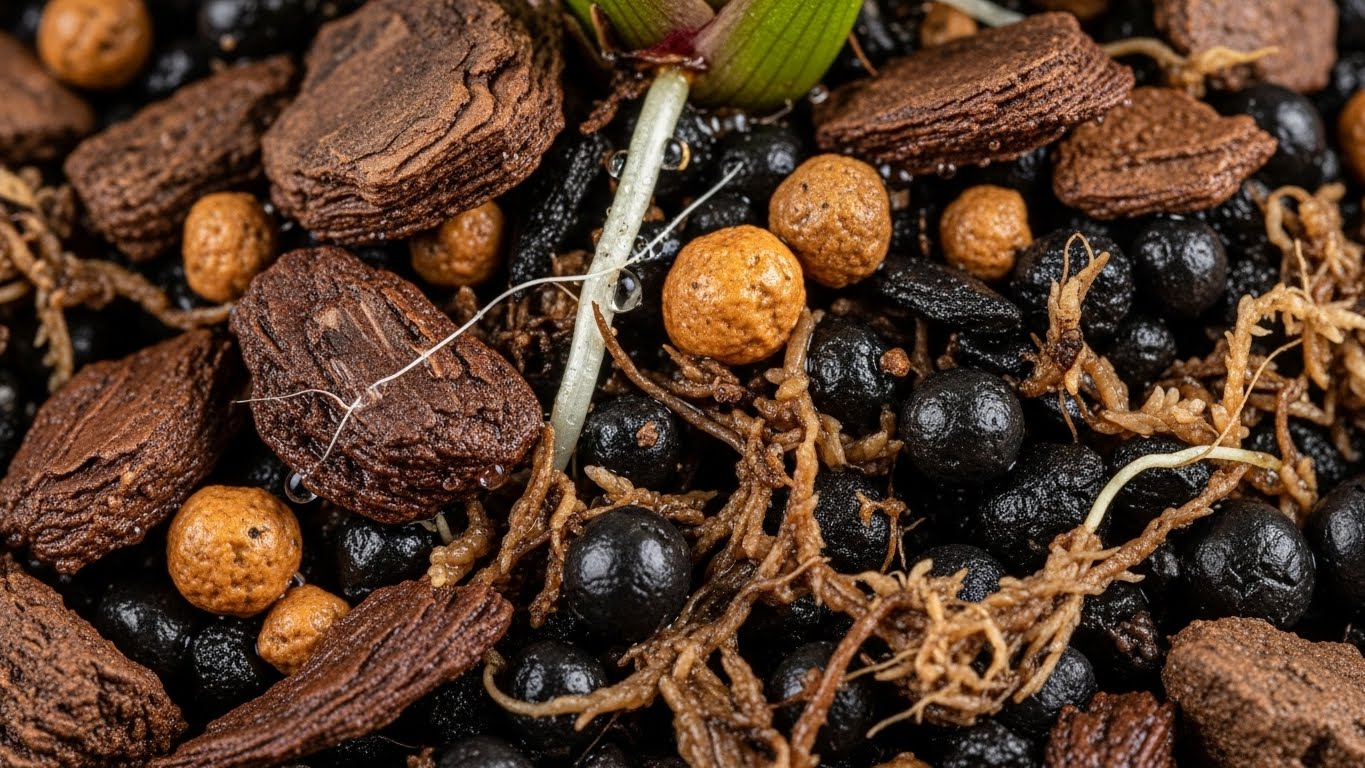
To grow thriving philodendrons, you need a soil mix that balances moisture, drainage, and nutrients. Start with peat moss for moisture retention and slightly acidic pH. Add perlite to improve drainage and prevent root rot. Incorporate orchid bark to enhance airflow and prevent compaction. For extra nutrients, consider organic fertilizers or compost. Check your plants regularly for signs of stress, and you’ll keep them happy. Want to explore more tips for your philo?
Key Takeaways
- Use a well-draining mix with peat moss for moisture retention and a slightly acidic pH, ideal for philodendrons.
- Incorporate perlite to enhance drainage and prevent root rot, promoting healthy root development.
- Add orchid bark to improve aeration and prevent soil compaction while retaining moisture without drowning the plant.
- Include activated charcoal to absorb impurities and odors, ensuring fresh, healthy soil for optimal growth.
- Supplement with organic fertilizers and compost to provide essential nutrients and improve soil structure for thriving philodendrons.
Understanding Philodendron Needs
When you think about caring for philodendrons, it’s essential to understand their unique needs, especially when it comes to soil. Different philodendron varieties thrive in various conditions, so knowing their light requirements helps you choose the right soil mix. Generally, these tropical beauties prefer bright, indirect light, which influences how well they absorb nutrients. If your philodendron gets too much direct sunlight, it might struggle; too little light, and it may not flourish as it should. To create an ideal environment, aim for a well-draining soil that retains some moisture without becoming soggy. This balance supports healthy roots, allowing your philodendrons to grow lush and vibrant in your home. Embrace their distinct needs, and watch them thrive!
Importance of Soil Composition
When it comes to growing healthy philodendrons, the right soil composition plays an essential role. You need a mix that balances nutrient retention, supports proper drainage, and maintains the right pH levels for your plants to thrive. Understanding these factors will help you create the perfect environment for your philodendrons to flourish!
Nutrient Retention Factors
Soil composition plays an important role in how well your philodendrons thrive, as it directly affects their ability to retain essential nutrients. When you mix in organic materials like compost or peat moss, you enhance nutrient cycling, allowing your plants to access crucial elements for growth. Plus, these materials improve moisture retention, keeping your soil consistently damp without drowning your plants.
A balanced mix of ingredients, such as perlite for aeration and coconut coir for water retention, guarantees your philodendrons get the nutrients they need. By focusing on these factors, you create a nurturing environment that promotes healthy growth and vibrant foliage. Remember, a well-thought-out soil mix is the foundation for your philodendron’s success!
Drainage Requirements
Understanding the drainage requirements for your philodendrons is essential, especially since these plants prefer a well-draining soil mix to thrive. If your soil retains too much moisture, it can lead to root rot, a common issue. You can conduct drainage testing by pouring water through the mix and observing how quickly it drains. This will help you find the right balance for your plants.
Soil Type | Drainage Speed | Ideal Soil Moisture Level |
|---|---|---|
Peat-based Mix | Fast | Moderate |
Coco Coir Mix | Moderate | Slightly Moist |
Perlite Addition | Very Fast | Dry between Watering |
Clay-based Mix | Slow | Too Wet |
Ph Balance Importance
The pH balance of your soil plays a significant role in how well your philodendrons grow and flourish. When you understand soil acidity and its impact on nutrient balance, you can create a thriving environment for your plants. Here’s why pH matters:
- It affects nutrient availability, ensuring your plants get what they need.
- The right pH helps prevent root rot and other diseases.
- It influences how well your philodendrons absorb water.
- Soil that’s too acidic or alkaline can stunt growth.
- Regularly checking pH helps you adjust your soil mix effectively.
Key Components of Ideal Soil Mix
When you’re creating the perfect soil mix for your philodendrons, it’s vital to focus on a couple of key components: drainage materials and nutrient-rich additives. Good drainage materials prevent water from pooling, which can lead to root rot, while nutrient-rich additives guarantee your plants get the essential vitamins and minerals they need to thrive. Let’s explore why these elements are so important for keeping your philodendrons happy and healthy!
Drainage Materials Importance
Choosing the right drainage materials for your philodendron’s soil mix is vital, since these components help prevent overwatering and root rot, which can be detrimental to your plant’s health. By ensuring proper soil aeration, you create a thriving environment for your philodendron. Here are some key drainage materials to take into account:
- Perlite: Lightweight and promotes airflow.
- Vermiculite: Retains moisture while allowing drainage.
- Coconut coir: Sustainable option that enhances aeration.
- Pine bark: Adds structure and drainage without compacting.
- Gravel: Provides excellent drainage at the bottom of your pot.
Using these materials will keep your philodendron happy and healthy, giving it the best chance to flourish in your home. Remember, a well-draining soil mix is vital for your plant’s success!
Nutrient-Rich Additives
After establishing a solid drainage foundation for your philodendron’s soil mix, the next step is to enhance its nutritional profile with the right additives. Adding nutrient sources like organic fertilizers can make a world of difference. These fertilizers not only feed your plant but also improve soil structure.
Here’s a quick look at some great options:
Nutrient Source | Benefits |
|---|---|
Compost | Boosts microbial activity and nutrients |
Worm Castings | Provides essential minerals and improves soil texture |
Fish Emulsion | Rich in nitrogen, supporting lush growth |
Incorporating these organic fertilizers will help your philodendron thrive, providing it with the energy it needs to grow strong and beautiful. Happy planting!
Peat Moss: Benefits and Usage
Peat moss is a superstar ingredient in soil mixes for philodendrons, and for good reason! It provides your beloved plants with a cozy environment, helping them thrive. Let’s explore the benefits of using peat moss:
- Moisture retention: It holds onto water, keeping the soil consistently damp.
- Acidic pH: Most peat moss types are slightly acidic, which philodendrons love!
- Lightweight: It makes your soil mix easier to handle.
- Nutrient-rich: It adds essential nutrients for growth.
- Aeration: Peat moss helps improve air circulation in the soil.
If you’re looking for peat moss alternatives, consider coconut coir or compost, but nothing beats the perks of peat moss!
Perlite: Enhancing Drainage
When you want to give your philodendrons the best chance to flourish, adding perlite to your soil mix is a fantastic idea! Perlite is a lightweight, volcanic glass that enhances drainage, keeping your plant’s roots happy and healthy. It helps prevent root rot by allowing excess water to escape, ensuring your philodendron doesn’t sit in soggy soil. Some great perlite benefits include improved aeration and a balanced moisture supply, which are essential for strong growth. If you’re looking for perlite alternatives, consider using pumice or vermiculite, which can also aid drainage, though they may not provide the same level of aeration. So, mix in some perlite, and watch your philodendron thrive!
Orchid Bark: Adding Texture
Orchid bark can be a game-changer for your philodendrons, adding both texture and essential benefits to your soil mix. By incorporating orchid bark, you’re not just enhancing texture; you’re also improving moisture retention, creating a more balanced environment for your plant. Here’s why it’s a great choice:
Orchid bark transforms your philodendrons’ soil, boosting texture and moisture retention for a thriving environment.
- Promotes aeration: Helps roots breathe easily.
- Texture enhancement: Provides a chunky structure that benefits root growth.
- Lightweight: Keeps the soil mix from becoming too dense.
- Holds moisture: Retains water without drowning your plant.
- Natural look: Adds a beautiful aesthetic to your potting mix.
Using orchid bark in your soil will keep your philodendrons happy and thriving. You’ll love the difference it makes!
Activated Charcoal: Maintaining Freshness
Activated charcoal is a fantastic addition to your philodendron soil mix, as it works wonders in maintaining freshness and improving overall plant health. You’ll love how activated charcoal benefits your plants by absorbing impurities and odors, creating a cleaner environment for your philodendrons. When you incorporate charcoal soil applications, you help prevent root rot by promoting better drainage and aeration.
To use it effectively, mix a handful of activated charcoal into your potting blend. This not only keeps your soil fresh but also enhances its structure. With the right balance, your philodendrons will thrive, and you’ll notice their vibrant growth. So go ahead, add activated charcoal to your mix, and watch your plants flourish as they breathe easier and grow healthier!
Nutrient-Rich Additives
Nutrient-rich additives are essential for ensuring your philodendrons get the vitamins and minerals they need to thrive. To keep your plants happy and healthy, consider incorporating these fantastic options into your soil mix:
- Organic fertilizers: They release nutrients slowly, promoting steady growth.
- Compost tea: This liquid gold is packed with beneficial microbes, enhancing nutrient cycling.
- Worm castings: Rich in nutrients, they help improve soil structure and moisture retention.
- Seaweed extract: It boosts growth and adds trace minerals, giving your plants a boost.
- Mineral supplements: These provide essential nutrients that may be lacking in your soil.
With these additives, your philodendrons will flourish, showing off their beautiful leaves and vibrant colors!
Customizing Your Soil Mix
When you’re customizing your soil mix for philodendrons, think about incorporating ingredients that promote ideal drainage while still being nutrient-rich. You want your plants to thrive, so balancing these components is key for their growth and health. Let’s explore how to mix the perfect blend to keep your philodendrons happy and flourishing!
Ingredients for Optimal Drainage
To create the perfect soil mix for your philodendrons, you’ll want to focus on ingredients that guarantee ideal drainage, which is essential for keeping your plants healthy and thriving. Good drainage techniques prevent water from pooling around the roots, ensuring they don’t rot. Here are some great soil amendments you can add to boost drainage:
- Perlite: Lightweight and porous, it increases aeration.
- Coconut coir: Retains moisture while allowing excess water to escape.
- Pine bark: Adds structure and improves airflow.
- Sand: Helps with drainage and prevents compacting.
- Gravel: Provides excellent drainage at the bottom of your pot.
Mix these ingredients well, and your philodendrons will be grateful, flourishing in their well-draining environment!
Nutrient-Rich Additives
Creating a soil mix that supports your philodendrons’ growth means adding nutrient-rich additives, which can really make a difference in how well your plants thrive. Start by incorporating organic fertilizers like compost or well-rotted manure; these enrich the soil with essential nutrients. You can also consider soil amendments such as worm castings or bone meal, which boost the nutrient content while improving soil structure. Mixing in a bit of peat moss can help retain moisture, ensuring your philodendrons stay hydrated. Don’t forget to balance these additives; too much can overwhelm your plants. By customizing your soil with these nutrient-rich ingredients, you’ll create a happy home for your philodendrons, helping them flourish in every way!
Signs of Poor Soil Conditions
Recognizing the signs of poor soil conditions is essential for keeping your philodendrons healthy and thriving. When you notice any of these indicators, it’s time to reflect on soil testing for your plants’ root health:
- Leaves turning yellow or dropping off
- Stunted growth or no new leaves
- A foul smell coming from the soil
- Soil that’s too compact or dry
- Mold or algae forming on the surface
These signs can signal that your philodendron isn’t getting the nutrients it needs. Remember, healthy soil supports vibrant plants! Keep an eye out for these clues, and you’ll guarantee your philodendrons flourish in the best conditions possible. Your plants will thank you for your attention and care!
Repotting Your Philodendrons
Repotting philodendrons is an exciting opportunity to give your plant a fresh start and promote its growth. The ideal timing for repotting usually comes in spring when your plant is actively growing. Start by choosing the right pot—one that’s slightly larger than the current one. Use gentle repotting techniques, like loosening the roots and shaking off old soil, to avoid any damage. Make sure to add a fresh, well-draining soil mix to encourage healthy development. After repotting, give your philodendron a good drink of water and place it in a bright spot, but away from direct sunlight. This new space will let your plant thrive, so enjoy watching it flourish in its new home!
Maintaining Soil Health Over Time
Maintaining soil health over time is essential for keeping your philodendrons thriving, especially since these plants love rich, well-draining soil. You’ll want to focus on enhancing microbial activity and using soil amendments to create a vibrant environment for your green friends. Here are some tips to help you maintain that health:
- Regularly check soil moisture levels to avoid overwatering.
- Add organic matter, like compost, to boost nutrients.
- Incorporate peat moss or coco coir for better drainage.
- Use mulch to retain moisture and regulate temperature.
- Rotate your soil amendments to keep nutrients balanced.
Conclusion
By choosing the right soil mix, you’re paving the way for your philodendrons to flourish like stars in a clear night sky. Remember, a blend of peat moss and perlite creates a cozy home for their roots, ensuring they receive the nutrients and drainage they crave. Keep an eye out for signs of distress, and don’t hesitate to repot when needed. With a little care and the perfect soil, your plants will thrive, bringing vibrant life to your space!


