
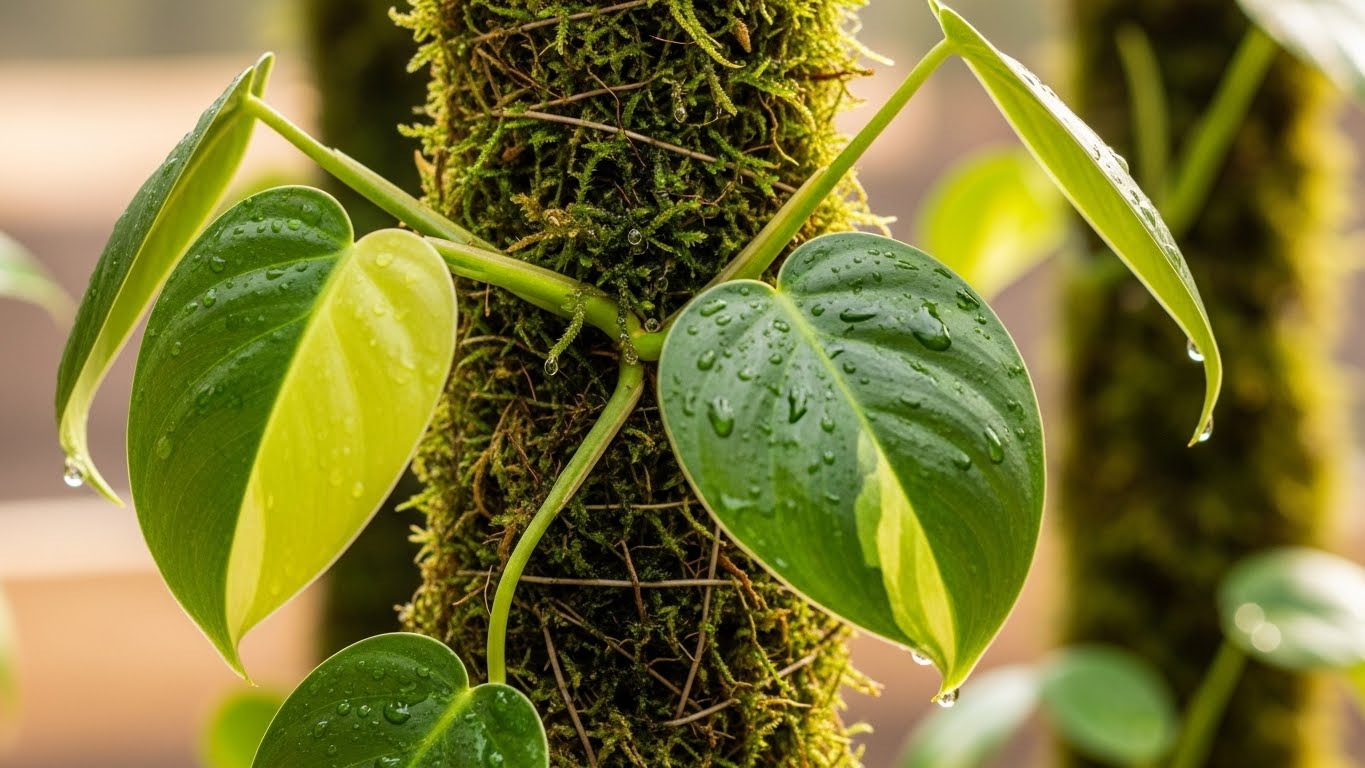
To train your Philodendron to climb indoors, begin by choosing a support structure like a sturdy moss pole or wooden trellis. Make sure your plant’s soil is well-draining and check for crowding in the roots. Secure the plant to the support with soft ties and provide about 12 to 14 hours of bright, indirect sunlight daily. Regularly prune dead leaves and monitor moisture levels to keep it healthy. Keep going, and you’ll discover more tips for thriving climbing plants!
Key Takeaways
- Select a sturdy support structure like a moss pole or trellis that complements your home decor and offers stability for climbing.
- Prepare the plant by using a well-draining potting mix and ensuring roots have enough space to grow.
- Secure the plant to the support using gentle tying techniques that allow for growth and stability.
- Provide bright, indirect sunlight for 12 to 14 hours daily to encourage healthy climbing growth.
- Regularly prune for bushier growth, maintain soil health, and monitor for pests to ensure thriving plant conditions.
Choosing the Right Support Structure
When you decide to train your Philodendron to climb indoors, choosing the right support structure is key to its success. You’ve got several support structure materials to evaluate, like moss poles, trellises, or even bamboo stakes. Moss poles are popular because they provide a natural feel and retain moisture, which your plant will love. For a more decorative touch, wooden trellises offer a charming vertical gardening option, creating a beautiful display. Don’t forget about durability; verify whatever you choose can handle your Philodendron’s growth. With the right support, your plant will thrive and climb gracefully, transforming your indoor space into a lush oasis. So take the time to select a support structure that harmonizes with your home and plant’s needs!
Preparing Your Philodendron for Climbing
Before you start training your Philodendron to climb, you need to prepare it properly to guarantee it adapts well to its new vertical lifestyle. First, focus on soil preparation. A well-draining potting mix, rich in organic matter, will keep your plant healthy and happy as it grows upward. Make sure to check your Philodendron’s roots; if they’re crowded, consider repotting it into a slightly larger container. This extra space will promote strong root growth, which is vital for supporting its climb. Also, keep an eye on the light and humidity levels in your home, as these factors play a significant role in your plant’s overall health. With the right foundation, your Philodendron will thrive in its climbing journey!
Securing Your Plant to the Support
Once you’ve got your philodendron ready to climb, it’s time to secure it to the support you’ve chosen. You’ll want to pick a sturdy structure that can handle your plant’s growth, and then use effective tying techniques to keep it stable and upright. With the right approach, your plant will thrive and gracefully make its way up, adding a touch of green to your indoor space!
Choosing the Right Support
Choosing the right support for your climbing philodendron is essential to its growth and health, and there are several options you can consider. You might opt for moss poles, wooden trellises, or even decorative shelves that blend with your home’s vibe. Each support material offers different textures and looks, so think about how it fits your aesthetic choices. For instance, a sturdy moss pole not only provides stability but also adds a natural touch, while a sleek metal trellis can give a modern feel. Whatever you choose, make sure it’s tall enough to allow your plant to grow upward, and keep in mind that the support should be strong enough to handle its weight as it flourishes.
Tying Techniques for Stability
To keep your climbing philodendron securely attached to its support, using the right tying techniques is key. Tying methods can greatly affect your plant stability, so it’s important to choose wisely. Here are some effective tying techniques to contemplate:
Tying Method | Description |
|---|---|
Soft Ties | Use soft materials to avoid damage. |
Figure Eight Knot | Provides strong and secure hold. |
Twist Ties | Easy to adjust as the plant grows. |
Velcro Straps | Great for gentle support. |
String | Simple and natural option. |
Experiment with these methods to find what works best for your philodendron. By securing your plant properly, you’ll encourage it to thrive and climb beautifully.
Encouraging Growth Toward the Climb
To encourage your philodendron to grow toward its climbing support, you’ll want to focus on a few key factors. Start by ensuring it gets ideal light, as this helps stimulate healthy growth, then select the right support structure that suits your plant’s needs. Finally, regular pruning will encourage new growth and keep the plant thriving as it reaches for the climb!
Optimal Light Conditions
Ideal light conditions play an essential role in training your philodendron to climb indoors. To encourage vigorous growth toward the climb, focus on both light intensity and light duration. Place your plant in bright, indirect sunlight, as this helps it thrive without the risk of scorching its leaves. About 12 to 14 hours of light each day can make a world of difference in its climbing habits. If natural light is limited, consider using grow lights to supplement its needs. Remember, the right balance of light will not only boost its growth but also enhance the overall health of your beautiful philodendron. By creating these favorable conditions, you’ll set the stage for a stunning climbing display indoors!
Support Structures Selection
Selecting the right support structures is a game-changer when it comes to encouraging your philodendron to climb. You’ll want to choose sturdy climbing aids like moss poles, trellises, or even bamboo stakes. These support materials not only provide stability but also mimic the natural environment where philodendrons thrive. As your plant grows, it’ll latch onto these structures, feeling secure and motivated to reach new heights. Make sure the climbing aids are tall enough to match your plant’s growth potential, and don’t hesitate to experiment with different shapes and sizes. Your philodendron will appreciate the support, and you’ll love watching it flourish as it climbs toward the light, creating an enchanting indoor display.
Regular Pruning Techniques
Pruning your philodendron regularly is a fantastic way to encourage it to climb and thrive. With the right pruning frequency and tools, you’ll help your plant grow strong and healthy. Here’s how to get started:
- Choose the Right Tools: Use clean, sharp pruning shears to make precise cuts.
- Identify Growth Points: Look for nodes on the stems where new growth will emerge.
- Trim Strategically: Cut back leggy growth, focusing on areas that need shaping.
- Monitor Growth: Check your plant every few weeks to see how it responds and adjust your pruning frequency.
Pruning and Maintenance Tips
Regularly caring for your Philodendron helps it thrive and look its best, and that includes knowing when and how to prune. Pruning techniques are essential for keeping your plant healthy and encouraging growth. Start by trimming any yellow or dead leaves to give your Philodendron a fresh appearance. You can also cut back long vines to promote bushier growth—don’t be shy! Maintaining a clean environment is key; wipe down leaves to remove dust and allow the plant to breathe better. Additionally, using a balanced fertilizer during the growing season can enhance its vigor. By following these maintenance strategies, you’ll cultivate a beautiful, climbing companion that brings life to your indoor space. Happy pruning!
Ensuring Optimal Light Conditions
Once you’ve taken care of pruning and maintenance, the next step to help your Philodendron thrive is ensuring it gets the right amount of light. For ideal growth, keep these four points in mind regarding light intensity and light duration:
- Bright, Indirect Light: Position your plant near a window that filters sunlight; direct rays can scorch its leaves.
- Consistent Light Duration: Aim for about 12 hours of light each day; this helps mimic its natural habitat.
- Rotate Regularly: Turn your plant every few weeks; it encourages even growth on all sides.
- Watch for Signs: Yellowing leaves may mean it’s getting too much light, while leggy growth suggests it needs more.
With the right light, your Philodendron will flourish beautifully!
Troubleshooting Common Issues
When your Philodendron starts showing signs of distress, like droopy leaves or browning tips, it’s important to act quickly. First, check your plant’s soil health; overwatering or poor drainage can lead to root problems. If pests invade, consider using natural pest control methods to keep your plant thriving.
Here’s a quick troubleshooting guide to help you:
Issue | Possible Cause | Solution |
|---|---|---|
Droopy Leaves | Overwatering | Reduce watering frequency |
Browning Tips | Low humidity | Increase humidity with misting |
Yellowing Leaves | Nutrient deficiency | Fertilize every few months |
Wilting | Underwatering | Water thoroughly |
Pests | Infestation | Apply insecticidal soap |
Stay attentive, and your Philodendron will flourish!
Conclusion
So, there you have it! Training your philodendron to climb indoors isn’t rocket science—though it might feel like you’re launching a space mission sometimes! With the right support, a bit of encouragement, and some routine care, you’ll have a beautiful green companion scaling new heights in no time. Just remember, your plant might grow like a pro, but it won’t actually grab the remote for you—so don’t get your hopes up! Happy climbing!


