
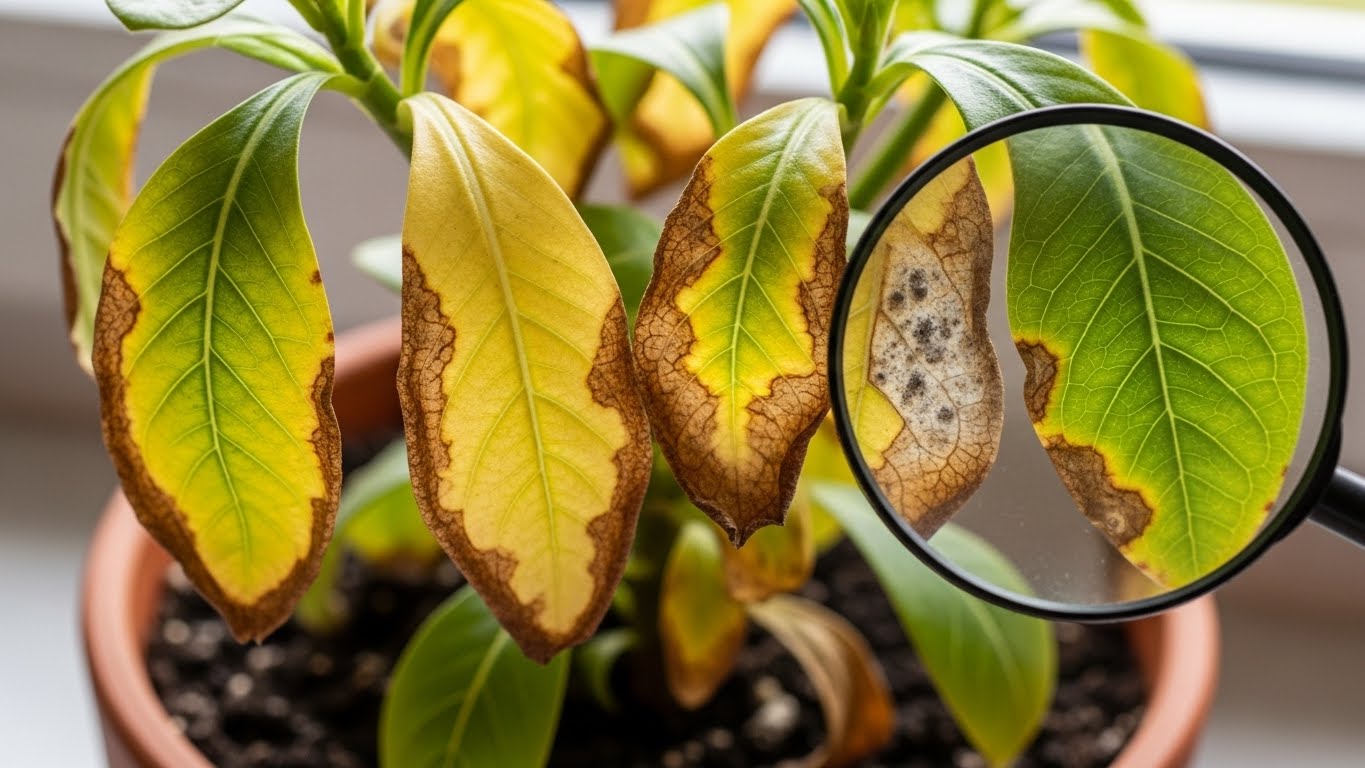
Fittonia plants can face a few common problems that make them less vibrant. First, they need humidity levels between 60%-80%, so mist them or use a pebble tray if leaves curl. Second, overwatering leads to root rot, so check the top inch of soil before watering. Third, watch for pests like aphids; a gentle soap spray can help. They also crave bright, indirect light and may need fertilizing every month. Keep these tips in mind, and you’ll keep your Fittonia thriving! Want to learn more about specific care strategies?
💡 Understanding the basics of Fittonia care is crucial for preventing common problems.
➜ Master the essentials of Fittonia care
Key Takeaways
💡 To ensure your Fittonia thrives, understanding its basic care needs is crucial.
➜ Master the essential care techniques
- Maintain humidity levels between 60% and 80% to prevent leaf curling; mist regularly or use a pebble tray for moisture.
- Avoid overwatering by checking the top inch of soil; yellowing leaves may indicate root rot.
- Regularly inspect for pests like aphids and spider mites, and treat with soap sprays or neem oil as needed.
- Ensure your Fittonia receives bright, indirect sunlight to prevent leggy growth and loss of color.
- Fertilize every 4-6 weeks with a balanced fertilizer and consider repotting in fresh soil for nutrient deficiencies.
Insufficient Humidity
When you think about keeping your Fittonia healthy, consider how much humidity it needs; these colorful plants thrive in moist environments! If the air in your home is too dry, you might notice leaf curling, which is a sign your plant’s crying out for more moisture. To keep your Fittonia happy, aim for humidity levels between 60% and 80%. Using a moisture meter can help you gauge whether your plant’s getting enough humidity. You can mist your Fittonia regularly or place it on a pebble tray filled with water to create that perfect humid environment. Additionally, grouping plants together increases local humidity through transpiration, which can further enhance the moisture levels around your Fittonia. Remember, a little extra love goes a long way in ensuring your Fittonia stays vibrant and lush!
Overwatering Issues
While keeping an eye on humidity is important for your Fittonia, overwatering can be just as damaging. Too much water can lead to root rot, a sneaky problem that often goes unnoticed until it’s too late. Ensuring proper soil drainage is essential to keep your plant happy.
Signs of Overwatering | Solutions |
|---|---|
Yellowing leaves | Reduce watering |
Wilting despite moisture | Improve drainage |
Mushy roots | Repot in fresh soil |
To prevent these issues, always check the top inch of soil before watering. If it’s still moist, hold off! Your Fittonia will thank you for the extra care, and you’ll enjoy a vibrant, healthy plant.
Pest Infestations
Have you ever noticed tiny little critters crawling on your Fittonia? These pests can be a real headache, but don’t worry! First, focus on pest identification. Common culprits include aphids, spider mites, and mealybugs. Once you spot them, it’s time to act!
💡 Overwatering is a common issue for Fittonia plants. Knowing the signs can help you take action before it’s too late.
➜ Discover proven techniques to identify overwatering
💡 Overwatering is a common issue for Fittonia owners. Recognizing the signs early can save your plant.
➜ Discover the signs of overwatering
You can use various treatment methods. A gentle soap spray often works wonders—just mix water with a few drops of dish soap and spray it directly on the pests. If the infestation is severe, consider insecticidal soap or neem oil for a more potent solution.
Remember to regularly check your plant for any signs of trouble. Keeping a close eye will help guarantee your Fittonia stays healthy and vibrant!
Poor Lighting Conditions
Pest problems aren’t the only issue that can affect your Fittonia; poor lighting conditions can also take a toll on your plant’s health. When your Fittonia doesn’t get enough light, it may become leggy, with leaves losing their vibrant colors. To guarantee proper Fittonia care, aim for bright, indirect sunlight. If you notice your plant stretching toward the light, it’s time for some light adjustments. Simply move it closer to a window or consider using a grow light. On the flip side, too much direct sunlight can scorch those delicate leaves. Keep an eye on your plant, and remember, a little trial and error will help you find the perfect lighting balance for your beloved Fittonia!
Nutrient Deficiency
When your Fittonia starts looking less vibrant or its growth seems stunted, it might be craving a little extra nutrition. You may notice leaf discoloration as a sign it’s not getting what it needs. Let’s fix that! Here are three steps to help your plant thrive again:
If your Fittonia appears dull or stunted, it may need some nutritional support to thrive again.
- Fertilize: Use a balanced liquid fertilizer every 4-6 weeks during the growing season.
- Check Soil: Verify your soil is rich in organic matter. Consider repotting with fresh mix if it’s depleted.
- Water Wisely: Over-watering can hinder nutrient absorption, so make certain the soil is moist but not soggy.
Conclusion
Taking care of your fittonia can feel like a balancing act—too much water and it wilts, too little humidity and it droops. But don’t worry! By paying attention to its needs, you can create a thriving home for this vibrant plant. Whether you’re dealing with pests or light issues, you’ve got the tools to tackle any problem. With a little love and knowledge, your fittonia will flourish, brightening up your space with its stunning colors.
💡 Humidity is vital for Fittonia health. Using a pebble tray can be a simple yet effective solution.
➜ Explore effective humidity solutions
💡 Leggy growth can be a frustrating issue for Fittonia owners. Implementing the right strategyes can keep your plant looking lush and full.
➜ See how to implement strategyes against leggy growth


