
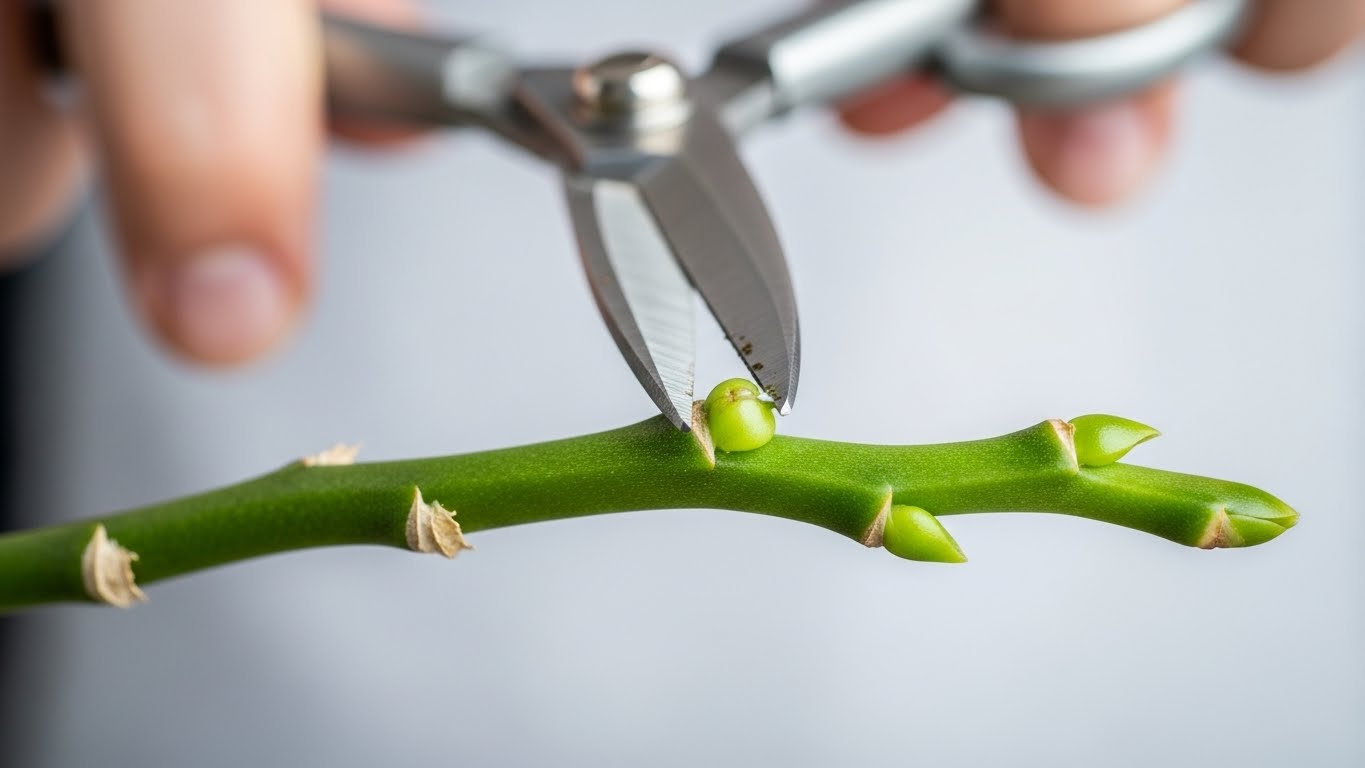
When it comes to your orchid’s flower spike, whether to cut or leave it intact depends on a few factors. If your blooms are wilting or falling off, it’s a sign they’ve finished blooming, and cutting the spike can help your plant focus on new growth. However, if the spike looks healthy, leaving it can lead to more blooms. Consider your plant’s needs and health, and you’ll find the best option for your orchid adventure! Discover more tips as you explore further.
Key Takeaways
- Assess the flower spike’s growth stage before deciding to cut or leave it intact for potential new blooms.
- Cutting the spike can promote new blooms and redirect energy to strengthen foliage and roots.
- Leaving the spike intact may allow for new buds to emerge, extending the blooming period.
- Consider the overall health of the orchid and its natural growth cycles when making your decision.
- Evaluate your emotional attachment to current blooms as it may influence your choice to cut or keep the spike.
Understanding Orchid Flower Spikes
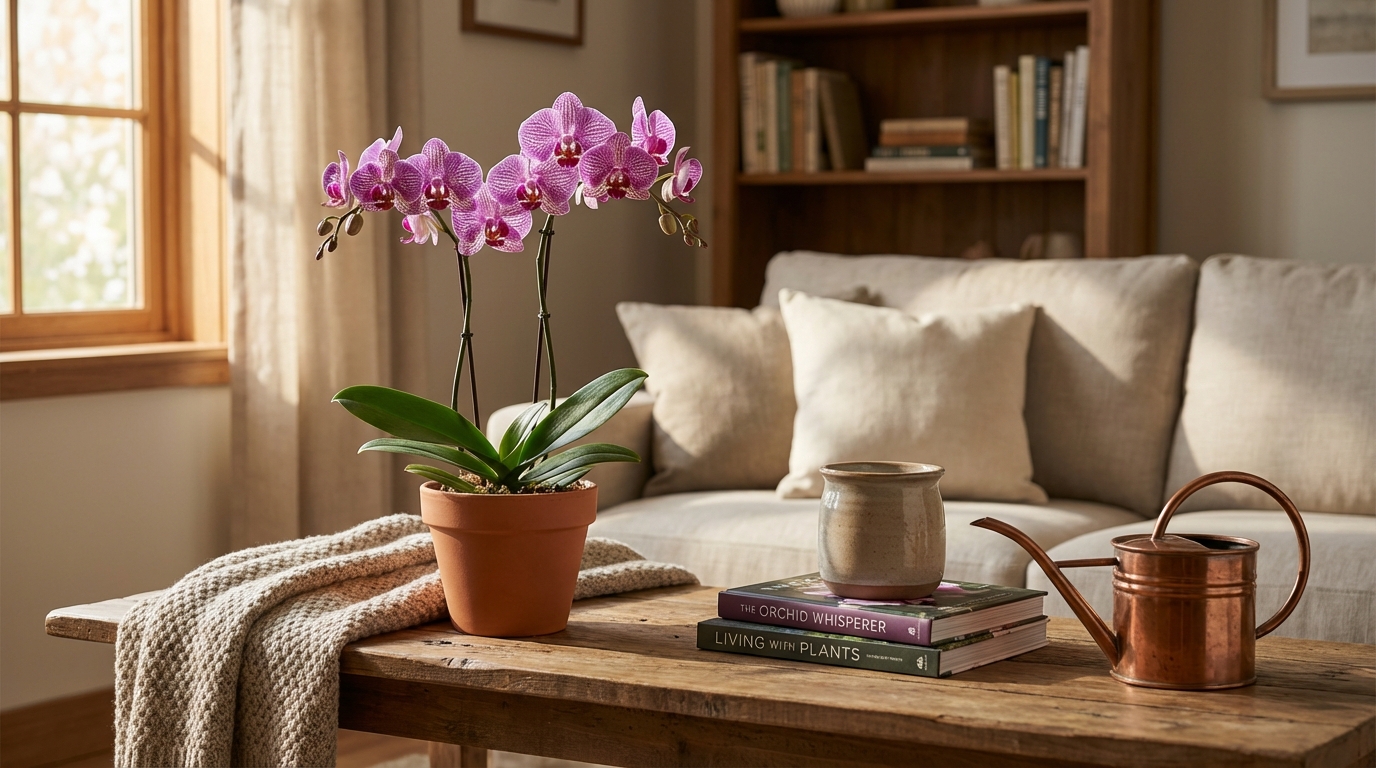
When you think about orchids, you might picture those stunning, colorful blooms that seem to float gracefully in the air. But behind those beautiful flowers lies the fascinating flower spike anatomy. Understanding this can deepen your appreciation for these lovely plants. The flower spike is the stem that holds the blooms, and its growth happens in distinct stages. Initially, you’ll see a spike emerging from the base, which then elongates and develops buds. As time passes, those buds will open, revealing the spectacular flowers you adore. Taking care of your orchid means observing these spike growth stages closely. By nurturing your orchid and paying attention to its flower spike, you’ll enjoy a more rewarding experience as a proud plant parent. Additionally, knowing the natural habitat of orchids helps in providing the right care for their growth and blooming.
Signs Your Orchid Has Finished Blooming
As you care for your orchid, it’s important to recognize when it’s finished blooming. Dropping flowers and a yellowing spike are clear signs that your plant is entering a period of dormancy. Paying attention to these cues helps you give your orchid the best care possible during its rest time.
Dropping Flowers Indicate End
Orchids are stunning plants, but if you notice their flowers dropping, it might mean the blooming period is coming to an end. This flower drop can be a bittersweet moment, signaling the close of a beautiful chapter in your orchid’s bloom cycle. Here are some signs to watch for:
- The flowers begin to wilt and fall off the spike.
- The colors fade, losing their vibrancy and charm.
- The leaves may start to look less lush and vibrant.
While it’s sad to see your orchid’s flowers go, remember that this is a natural part of its life. Embrace the beauty of the journey, as your orchid will soon prepare for a new bloom cycle.
Yellowing Spike Signals Dormancy
A yellowing spike can be a clear signal that your orchid is entering a period of dormancy after finishing its blooming phase. As you observe this change, it’s important to understand that these dormancy signs indicate your orchid is simply resting and recharging for its next round of beauty. While it might seem alarming, a yellowing spike often means your plant is redirecting energy to its roots, promoting strong spike health for future blooms.
During this time, keep your orchid in a stable environment with proper light and hydration. Resist the urge to cut the spike right away; it could still be valuable for future growth. Embrace this natural cycle, and soon enough, your orchid will return, ready to amaze you once again!
Benefits of Cutting the Flower Spike
When you cut the flower spike of your orchid, you not only encourage new growth but also help your plant focus its energy on producing healthy leaves and roots. This flower spike rejuvenation is essential for your orchid’s overall well-being. Here are some benefits of using proper pruning techniques:
- Promotes New Blooms: Cutting the spike signals your orchid to prioritize blooming, leading to vibrant flowers in the future.
- Strengthens the Plant: Redirecting energy helps develop robust foliage and root systems, ensuring your orchid thrives.
- Enhances Air Circulation: Removing the spent spike allows better airflow around the plant, reducing the risk of pests and diseases.
Embrace this intimate care routine, and watch your orchid flourish like never before.
Advantages of Leaving the Flower Spike Intact
Leaving the flower spike intact can really boost your orchid’s growth and beauty. By not cutting it, you allow new blooms to emerge, creating a stunning display that enhances your plant’s aesthetic appeal. Plus, the spike can help your orchid gather energy for future growth, making it a win-win for your gardening efforts!
Encourages New Growth
Not only does leaving the flower spike intact after blooming enhance the plant’s overall health, but it also encourages new growth in surprising ways. When you keep that spike, you’re nurturing your orchid’s potential for healthy growth. Here are three key benefits you can look forward to:
- Branching Out: Leaving the spike means your orchid can develop new branches, leading to more blooms in the future.
- Energy Reserve: The spike acts as a storage for nutrients, helping the plant gather strength for its next phase.
- Natural Process: Orchids thrive when allowed to follow their natural growth cycle, encouraging a deeper bond between you and your plant.
Enhances Aesthetic Appeal
Keeping the flower spike intact doesn’t just promote growth; it also adds a unique charm to your orchid. When you leave the spike, it creates an enchanting focal point that enhances the visual appeal of your plant. Imagine how beautiful your flower arrangements can become when you feature orchids with their graceful spikes, reaching toward the sky. These spikes can also develop new buds, extending the blooming period and giving your home an ongoing touch of elegance. Plus, the spikes themselves can serve as a stunning backdrop, highlighting the colorful blooms and making your space feel vibrant and alive. So, before you decide to cut, think about how these lovely spikes can elevate your orchid’s beauty and charm!
Factors to Consider Before Making a Decision
When you’re thinking about how to care for your orchid flower spike, it’s essential to weigh several important factors to guarantee your plant thrives. First, contemplate the flower spike anatomy; knowing how your orchid grows helps you decide if cutting is right. Next, think about your cutting techniques; whether you prefer snipping or shearing can change the outcome. Finally, reflect on the plant’s health; a thriving orchid might not need cutting at all.
Here are three key factors to contemplate:
- Growth Stage: Is your spike actively growing or fading?
- Plant Health: Is your orchid vibrant and strong?
- Emotional Connection: How attached are you to your current blooms?
Best Practices for Cutting Orchid Flower Spikes
Cutting orchid flower spikes can seem a bit challenging, but with the right approach, you can do it like a pro! First, gather your tools: sharp scissors or pruning shears are essential for clean cuts. When you’re ready, examine the spike closely. If it’s brown and dried, you’ll want to cut it back to the base. This promotes spike health and encourages new growth. Use proper pruning techniques, cutting at an angle to prevent water from pooling. Remember to sanitize your tools before and after to avoid any infections. Finally, be patient; your orchid will need time to recuperate and flourish again. With these best practices, you’ll nurture your orchid beautifully!
Post-Bloom Care for Orchids
After your orchids have finished blooming, it’s essential to give them some extra care to help them recover and prepare for future growth. Here are three important steps to evaluate for their post-bloom care:
- Post Bloom Watering: Reduce watering frequency, allowing the soil to dry slightly between sessions. This helps prevent root rot while keeping your orchid healthy.
- Nutrient Boost: Use a balanced orchid fertilizer to support new growth. This nourishes your plant, setting the stage for future blooms.
- Reblooming Techniques: Trim the spike if it’s brown or dried out, encouraging new growth. Keep your orchid in a bright, indirect light spot for the best chance at reblooming.
With these steps, your orchids will thrive and bring joy again soon!
Conclusion
In the end, deciding whether to cut your orchid’s flower spike is like choosing between letting a butterfly flutter away or keeping it safe in a jar. Each choice has its beauty and purpose. If you cut the spike, you’re making room for new growth, but if you leave it, you’re honoring the past blooms. Whichever path you take, remember that caring for your orchid is a journey—one that brings joy and vibrant life into your home.


