
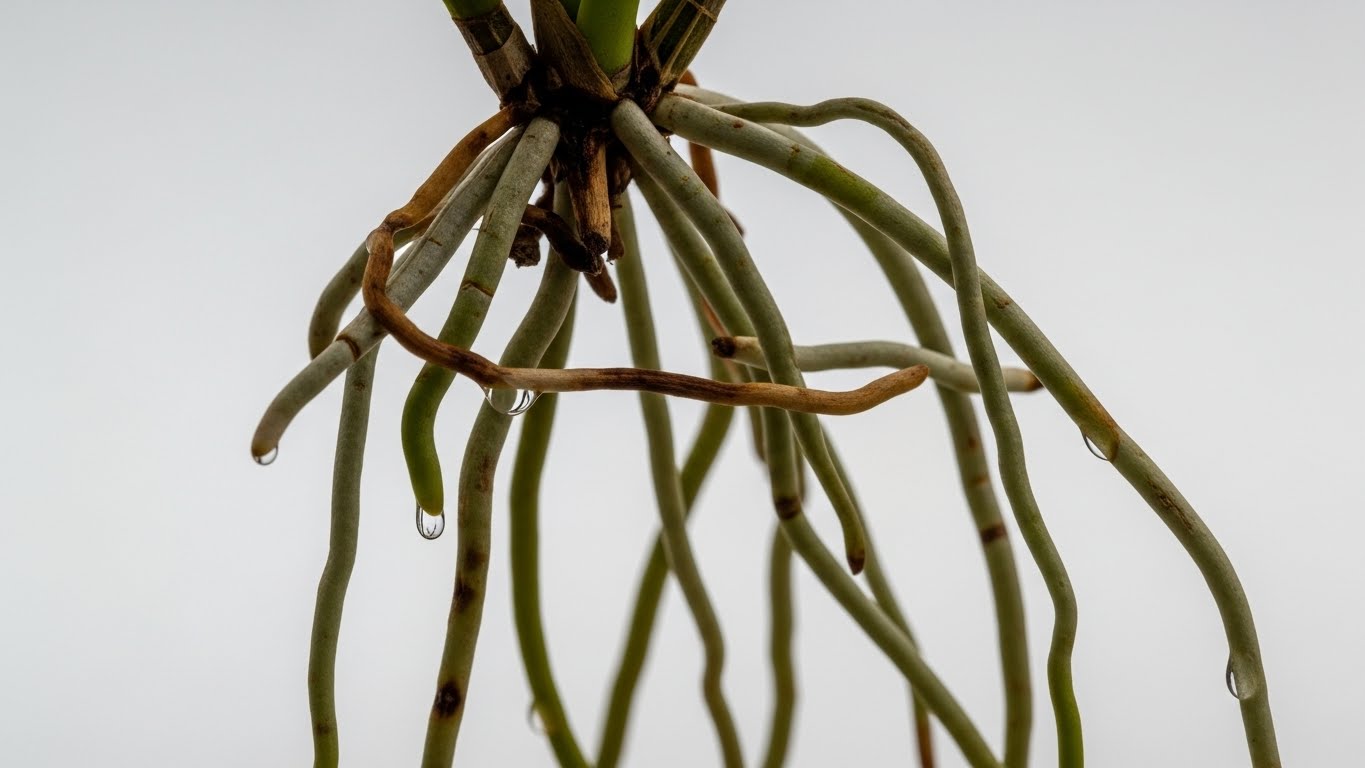
Orchid aerial roots are fascinating structures that grow in the air to absorb moisture and nutrients and help anchor the plant for stability. They’re essential for your orchid’s health! To care for them, mist the roots regularly, clean off any dust, and prune damaged ones. Watch for signs like browning or shriveling, which could indicate problems. Monitoring these roots keeps your orchid thriving. Want to know more about how to nurture these incredible plants?
Key Takeaways
- Aerial roots of orchids absorb moisture and nutrients from the air, aiding their survival in humid environments.
- These roots provide stability by anchoring orchids to trees or surfaces, allowing upward growth towards light.
- Regular misting and humidity trays can enhance the health of aerial roots by ensuring adequate moisture.
- Monitor aerial roots for signs of distress: brown or mushy roots indicate rot, while dry, shriveled roots suggest moisture deficiency.
- Clean dust from aerial roots gently and prune any damaged roots to encourage robust new growth.
Understanding Aerial Roots: Nature’s Design

When you look at an orchid, you might notice those long, spindly roots reaching out into the air, and it’s easy to wonder why they’re designed that way. These aerial roots play essential roles in the plant’s survival. One of their primary functions is to absorb moisture and nutrients from the humid air, allowing the orchid to thrive in its natural environment. Additionally, these roots offer support, helping the orchid cling to trees or other structures, showcasing its unique adaptations. This ability to engage with its surroundings makes the orchid an impressive example of nature’s clever design. Understanding orchid biology is crucial for effective care, enabling you to mimic their natural environment and provide optimal conditions. So, as you admire your orchid, consider the amazing ways these aerial roots contribute to its beauty and resilience.
The Purpose of Aerial Roots in Orchids
Orchid aerial roots aren’t just for show; they serve several important purposes that help the plant thrive in its unique environment. These fascinating structures play essential aerial root functions that support orchid growth. First, they absorb moisture and nutrients from the air, which is especially useful in their native rainforest habitats. Second, they help anchor the orchid to trees or other surfaces, providing stability as it grows upward toward the light. This adaptability allows orchids to reach their full potential, even in challenging conditions. Finally, aerial roots can store energy, ensuring the plant has what it needs during dry spells. So next time you spot those roots, remember they’re doing a lot more than you might think!
Benefits of Aerial Roots for Plant Health
Aerial roots offer a wealth of benefits for plant health, making them essential to the overall well-being of orchids. These unique roots not only help your orchid absorb moisture and nutrients from the air but also enhance stability as they cling to surfaces. By providing additional pathways for hydration, they guarantee your orchid stays healthy and vibrant. Aerial root benefits don’t stop there; they also play a role in photosynthesis, capturing light and energy for your plant. Plus, these roots can signal when your orchid needs more care, like extra humidity or water. Embracing the presence of aerial roots means you’re nurturing your orchid’s resilience, helping it thrive beautifully in its environment.
Caring for Aerial Roots: Best Practices
Caring for your orchid’s aerial roots is crucial for keeping it healthy and thriving, so let’s explore some best practices! First, make sure you regularly mist the roots or place them in a humidity tray, as they love moisture. For effective aerial root care, gently clean any dust buildup with a soft cloth. If you notice any damaged roots, don’t hesitate to use pruning techniques—just snip them back to promote new growth. That said, always use sterilized scissors to avoid introducing any infections. Remember, these roots are essential for your orchid’s health, so treat them with love! By following these tips, you’ll help your orchid flourish and showcase its beautiful blooms.
When to Be Concerned About Aerial Roots
Have you ever wondered when it’s time to worry about your orchid’s aerial roots? While they’re typically a natural part of your plant’s growth, there are certain aerial root concerns that you should watch out for. Keep an eye on these signs to guarantee your orchid’s root health remains strong:
- Brown or mushy roots: This can indicate rot or damage.
- Lack of moisture: If your roots look dry and shriveled, they may need more humidity.
- Excessive growth: If you’re seeing a lot of aerial roots with no new leaves, it could mean your orchid is stressed.
- Discoloration: Yellowing or wilting roots may signal a problem.
Conclusion
To sum up, aerial roots are fascinating features of orchids that serve important purposes, from nutrient absorption to stability. While some people think these roots are a sign of stress, they often indicate a healthy plant thriving in its environment. By understanding their role and caring for them properly, you can help your orchids flourish. So, next time you spot those curious roots, embrace them as nature’s clever design, and enjoy watching your orchids grow and thrive!


