
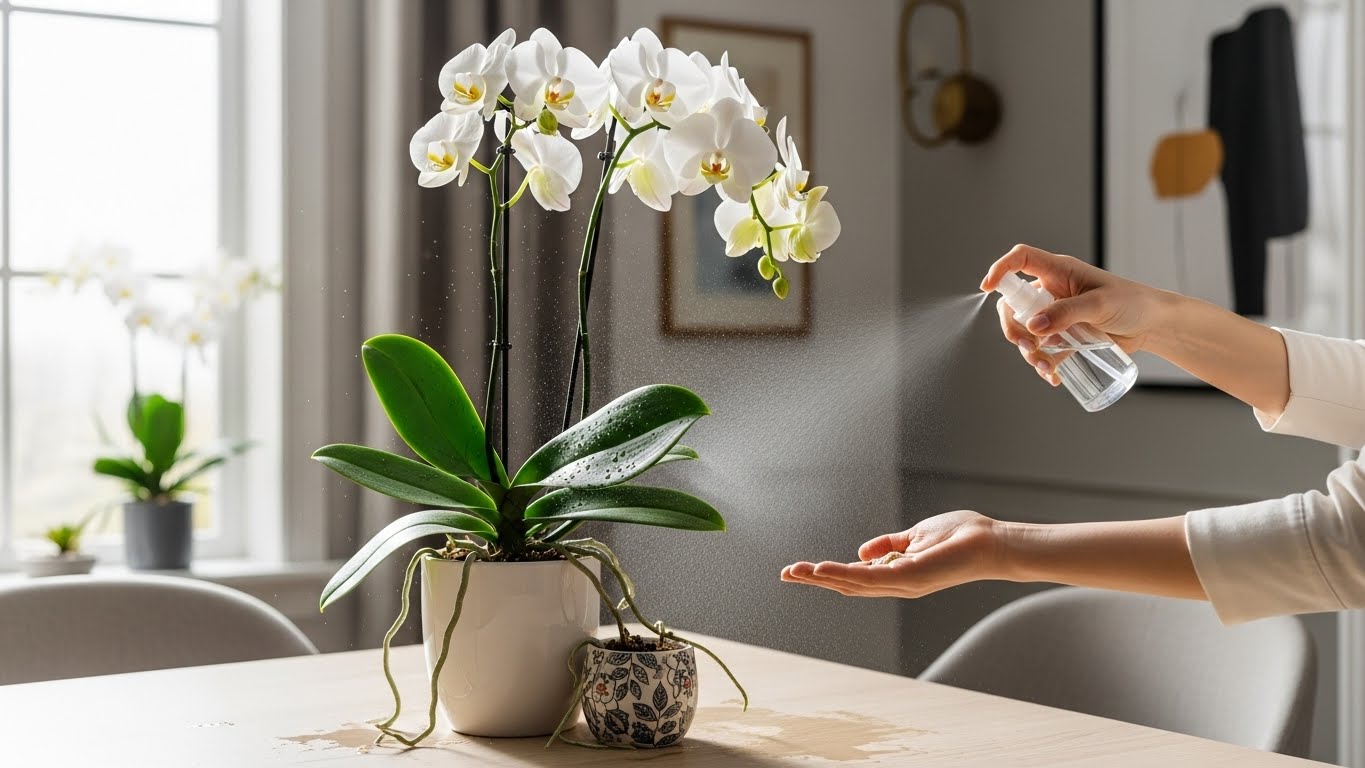
Orchid care is filled with myths that can steer you wrong! First, they don’t need direct sunlight; bright, indirect light works best. Watering daily? That’s a myth too! Orchids enjoy being root-bound and bloom more often than just once a year. They thrive on specific potting mixes, not regular soil, and don’t need excessive fertilizer for growth. Plus, believe it or not, orchids aren’t toxic to pets! Keep exploring to uncover more surprising facts about these beautiful plants.
Key Takeaways
- Orchids do not only bloom once a year; with proper care, they can have multiple bloom cycles throughout the year.
- Daily watering is a myth; orchids require monitoring to determine their actual moisture needs.
- Orchids thrive in specific potting mixes; using regular soil can harm their root health.
- More fertilizer does not equate to better growth; over-fertilizing can be detrimental to orchids.
- Orchids do not need constant humidity; they can adapt to varying humidity levels if other care factors are optimal.
Orchids Need Direct Sunlight to Thrive

When you think about orchids, you might imagine them basking in bright sunlight, but that’s not exactly the case! In reality, orchids thrive best in indirect light. These beautiful plants have unique light requirements that many people overlook. Too much direct sunlight can scorch their delicate leaves, leading to damage you might not notice right away. Instead, try placing your orchid near a window with filtered light or in a room with bright, indirect sunlight. This way, they’ll soak up just the right amount of light to flourish. Remember, finding that sweet spot is key to keeping your orchids happy and healthy. Additionally, understanding light levels is crucial for ensuring their overall well-being. So, give them the gentle light they crave, and watch them thrive!
Watering Orchids Every Day Is Essential
You might think that watering your orchids every day is a must, but that’s actually a common misconception! Overwatering can lead to root rot, which is a big problem for these beautiful plants. Instead, it’s important to recognize the signs of underwatering and find the ideal watering frequency to keep your orchids healthy and thriving.
Overwatering Dangers Explained
Overwatering orchids may seem like a good idea since these beautiful plants thrive in humid environments, but giving them too much water can actually spell disaster. You might think daily watering is essential, but this can lead to overwatering symptoms like yellowing leaves and mushy roots, indicating root rot. To help you understand the dangers, here’s a quick table:
Overwatering Symptoms | Causes | Solutions |
|---|---|---|
Yellowing leaves | Excess water | Reduce watering |
Mushy roots | Poor drainage | Improve potting mix |
Wilting flowers | Low oxygen | Repot in fresh mix |
Foul smell | Decaying roots | Trim affected roots |
Signs of Underwatering
While understanding the dangers of overwatering is important, it’s equally essential to recognize the signs of underwatering, which can also harm your orchids. If you notice your orchid leaves turning yellow or developing dark spots, you might be witnessing orchid leaf discoloration, a clear indicator that your plant craves water. Additionally, leaves may feel dry and wrinkled, signaling that your beautiful blooms are thirsty. Another sign of underwatering is when the roots appear shriveled or brown instead of plump and green. Don’t let your orchids suffer! Regularly check their moisture levels and adjust your watering schedule accordingly. By staying attentive to these signs of underwatering, you’ll help your orchids thrive, ensuring they stay vibrant and healthy.
Ideal Watering Frequency
How often should you water your orchids for them to thrive? Contrary to popular belief, watering your orchids every day isn’t necessary. Instead, focus on understanding your plant’s unique needs. Use proper watering techniques by checking the potting medium; if it’s dry about an inch down, it’s time to water. Humidity levels also play an essential role—aim for around 50-70% humidity. In drier environments, you might need to water more frequently, while a humid space can stretch your watering schedule. Remember, overwatering is just as harmful, so keep an eye on your orchids. With a little observation and care, you’ll soon find the perfect balance to keep your orchids happy and healthy.
Orchids Only Bloom Once a Year
Many people think orchids only bloom once a year, but that’s a common misconception. With the right care, these beautiful plants can actually produce multiple bloom cycles throughout the year, bringing you joy and color when you least expect it. Factors like light, temperature, and watering can all influence how often your orchid flowers, so let’s explore how you can encourage more blooms!
Multiple Bloom Cycles
When it comes to orchids, many people believe they only bloom once a year, but that’s not entirely true! In fact, many orchids can have multiple bloom cycles throughout the year, bringing you joy with each new flower. Depending on the type and care you provide, some orchids can bloom every few months. The key to enjoying this beauty lies in understanding their needs and ensuring you promote bloom longevity. With the right conditions—like adequate light, water, and nutrients—you’ll encourage your orchid to surprise you with stunning displays more often. So, don’t be surprised if your orchid bursts into bloom again, filling your space with color and fragrance. Embrace the magic of multiple blooms!
💡 If you’re curious about propagating your orchids, this guide will walk you through the process of splitting and dividing them effectively.
➜ Get the step-by-step guide
Care Influences Blooming
Despite common belief, orchids can bloom more than once a year, but the care you provide greatly influences this potential. To encourage those stunning blooms, focus on creating the right blooming conditions. Make sure your orchids enjoy bright, indirect light, as too much sun can scorch their delicate leaves. Additionally, maintaining proper humidity levels is essential; most orchids thrive in humidity around 50-70%. If your home is dry, consider using a humidity tray or a humidifier. Don’t forget to water them properly, allowing the potting mix to dry out slightly between waterings. With a little love and attention, you’ll not only keep your orchids healthy but also increase their chances of dazzling you with multiple blooms throughout the year!
💡 Fertilizing orchids correctly is crucial for their health and blooming. Discover the best practices to ensure your plants thrive.
➜ Discover proven techniques
They Prefer to Be Root-Bound
While it might seem logical to think orchids thrive in cramped conditions, the truth is quite the opposite. Orchids actually need room to grow, and a larger pot size encourages healthy root growth. When you keep them root-bound, you’re limiting their potential. Just imagine trying to stretch your legs in a tiny space—it’s uncomfortable and stifling!
All Orchids Are Difficult to Care For
Many people think all orchids are tricky to care for, but that’s far from the truth! In fact, there are many beginner-friendly varieties that make great choices for new plant parents. Here are a few common misconceptions you might hear:
Orchids aren’t just for experts; many easy-care varieties are perfect for new plant lovers!
- All orchids need special soil – Many thrive in regular potting mix or bark.
- They only bloom once a year – With proper care, some can bloom multiple times!
- Orchids require constant humidity – Many varieties adapt well to average home conditions.
Fertilizing More Often Means Better Growth
When it comes to orchid care, there’s a common belief that more fertilizer equals better growth, but that’s not always the case. Over-fertilizing can harm your orchids, especially during certain growth stages. Different fertilizer types cater to specific needs, so it’s essential to choose wisely.
Growth Stage | Recommended Fertilizer Type | Frequency |
|---|---|---|
Growth Phase | Balanced N-P-K | Every 2 weeks |
Flowering Phase | High Phosphorus | Every 3 weeks |
Dormant Phase | Low Nitrogen | Once a month |
Repotting | Organic Mix | After repotting |
New Growth | Diluted Fertilizer | Every week |
You Can Use Any Potting Mix for Orchids
Choosing the right potting mix for your orchids is essential, even though it might seem like any old soil will do. Using the wrong mix can harm orchid root health, leading to unhappy plants. Instead, focus on potting mix types specifically designed for orchids. Here’s what to look for:
Choosing the right potting mix is crucial for orchid health; avoid regular soil to keep your plants thriving.
- Bark-Based Mix: Provides excellent drainage and airflow.
- Sphagnum Moss: Retains moisture while preventing root rot.
- Perlite or Charcoal: Enhances aeration and absorbs excess moisture.
Orchids Are Toxic to Pets
It’s a common misconception that orchids pose a danger to your furry friends, but the truth is, most orchids are not toxic to pets like cats and dogs. In fact, many pet owners keep orchids in their homes without any issues. When it comes to pet safety, it’s essential to know that while some plants can be harmful, orchids generally aren’t one of them. So, if your curious kitty decides to sniff or nibble on an orchid, there’s usually no cause for concern. Remember, it’s always good to research any new plant you bring home, but don’t let these common misconceptions keep you from enjoying the beauty of orchids. Your pets can safely coexist with these stunning blooms!
Conclusion
Ultimately, breaking free from these orchid care myths can turn you into a plant whisperer of epic proportions! By understanding their true needs—like proper light, watering habits, and the right potting mix—you’ll help your orchids thrive and bloom like never before. Remember, these beautiful plants aren’t as tricky as they seem; with a little knowledge and care, you’ll have them flourishing in your home. So, embrace the truth and watch your orchids shine!
💡 Deciding whether to cut your orchid’s flower spike can be confusing. Master the right approach to maximize blooms and plant health.
➜ Master this approach


