
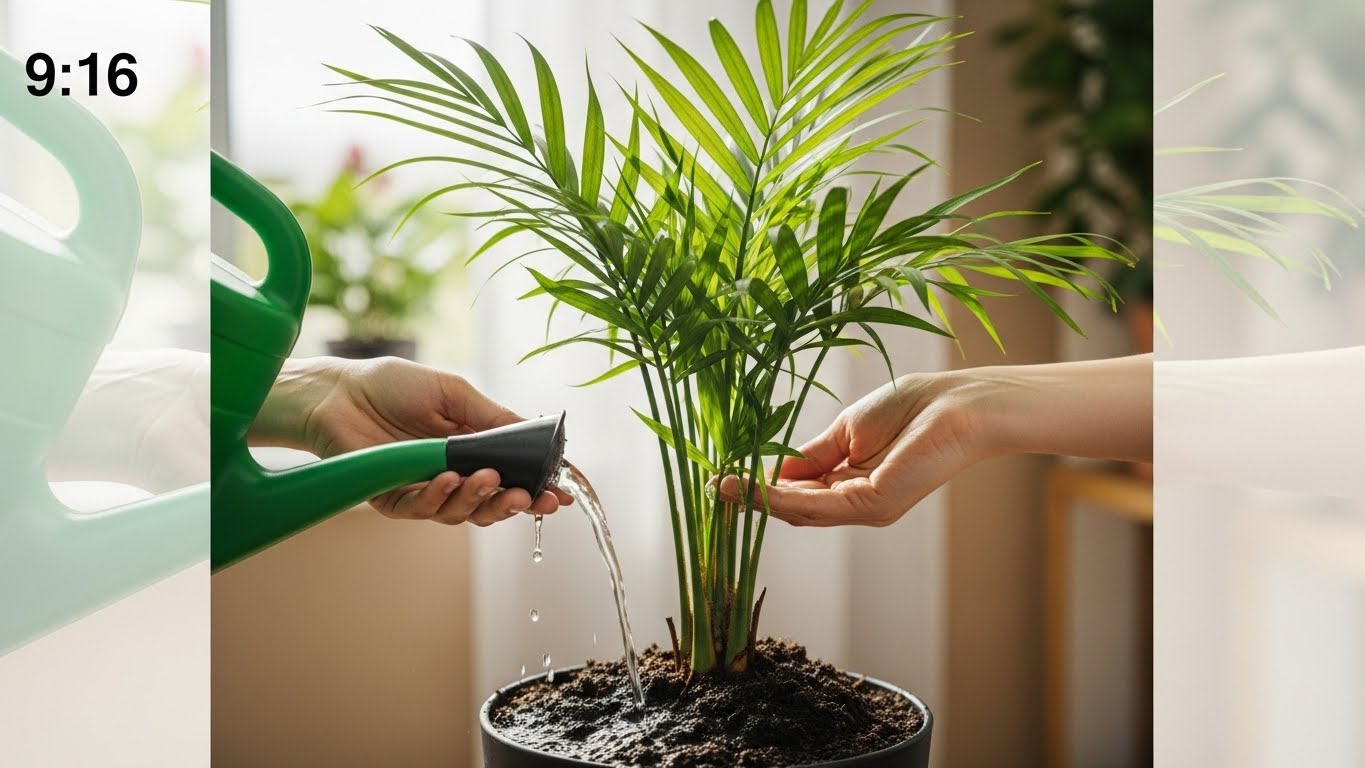
To keep your parlor palm healthy, water it every 1-2 weeks—just check the top inch of the soil first! If it’s dry, give it a thorough soak until water drains from the bottom. Remember, underwatering is better than overwatering, which can lead to yellow leaves and soggy soil. Keep an eye on your palm’s signs, like drooping leaves or browning tips, and you’ll be well on your way to a thriving indoor plant. Keep reading for more tips!
Key Takeaways
- Water your Parlor Palm every 1-2 weeks, allowing the top inch of soil to dry out between waterings.
- Monitor for drooping leaves as a cue to adjust your watering schedule.
- Always use room temperature water to prevent plant shock when watering.
- Ensure the soil is well-draining to avoid root rot and soggy conditions.
- Underwater rather than overwater; look for yellowing leaves as a sign of excess moisture.
Understanding the Parlor Palm’s Water Needs
When you think about caring for a Parlor Palm, understanding its water needs is key to keeping it healthy and happy. This lovely plant thrives in bright, indirect light, so make sure it’s not sitting in darkness. As for humidity preferences, Parlor Palms adore moisture, often flourishing in higher humidity levels. If your home is dry, consider misting the leaves or placing a humidifier nearby.
Watering should be balanced; let the top inch of soil dry out between waterings. Remember, it’s better to underwater than overwater. By paying attention to its light and humidity needs, you’ll create an inviting environment that helps your Parlor Palm thrive, bringing a touch of greenery and joy to your space. Proper watering practices can prevent issues such as brown, crispy leaf tips, which indicate low humidity or underwatering.
Signs of Overwatering
To keep your Parlor Palm thriving, it’s essential to recognize the signs of overwatering, as too much moisture can lead to serious problems. If you notice yellowing leaves, that’s one of the most common overwatering symptoms. Your palm might also develop brown tips on its fronds, signaling that it’s struggling with excess moisture. Another clue is if the soil feels soggy or smells musty, indicating that the roots are drowning. Additionally, if the leaves start to droop, despite being well-watered, it’s a sign they might be overwhelmed. To keep your plant healthy, be mindful of these signs and adjust your watering routine accordingly, ensuring your Parlor Palm stays happy and vibrant.
Signs of Underwatering
It’s important to recognize the signs of underwatering your Parlor Palm, as neglecting its water needs can lead to stress and decline. One of the first underwatering signs you might notice is drooping leaves; they’ll start to sag instead of standing tall and proud. You might also see browning tips or edges, which can make your palm look quite sad. Another clue is the soil itself—if it feels bone dry and crumbly, it’s a cry for help. Keep an eye out for yellowing leaves too, as this often indicates plant stress. By being attentive to these signs, you can guarantee your Parlor Palm stays vibrant and healthy, enjoying a happy life in your home.
Ideal Soil for Parlor Palms
The right soil can make a world of difference for your Parlor Palm’s health and happiness. To meet its nutrient requirements, you’ll want to choose an ideal potting mix that supports growth and retains moisture without becoming waterlogged. Here’s what to look for:
- Well-draining material: A mix containing perlite or orchid bark helps prevent root rot by allowing excess water to escape.
- Organic matter: Look for ingredients like peat moss, which enrich the soil and provide essential nutrients.
- pH balance: Aim for a slightly acidic to neutral pH, ideally between 6.0 and 7.0, to guarantee your palm thrives.
Seasonal Watering Adjustments
Understanding the right soil for your Parlor Palm sets the foundation for its health, but watering is just as essential, especially as the seasons change. During spring, as your palm starts to grow more actively, you’ll want to make spring adjustments to your watering routine. This means checking the soil more frequently and giving your plant a good soak as it awakens from winter dormancy. In contrast, winter care requires you to dial back on watering since the plant’s growth slows down. The cooler temperatures mean that the soil stays moist longer, so you might only need to water every couple of weeks. By adjusting your watering habits with the seasons, you’ll keep your Parlor Palm thriving year-round!
How to Test Soil Moisture
How can you tell when your Parlor Palm needs a drink? Testing soil moisture is simple and essential for keeping your plant happy. Here are three easy methods you can use:
- Finger Test: Stick your finger about an inch into the soil. If it feels dry, it’s time to water.
- Moisture Meter: Invest in a moisture meter for a precise reading. Just insert it into the soil, and it’ll show you the moisture level instantly.
- Weight Check: Lift the pot; if it feels light, your plant is thirsty.
These techniques will help you gauge the soil moisture accurately, ensuring your Parlor Palm stays healthy and vibrant. Happy watering!
Best Watering Techniques
When you water your Parlor Palm, it’s not just about splashing water on the soil; using the right techniques can make all the difference in keeping your plant healthy. Start by checking your plant’s watering frequency; aim for every 1-2 weeks, ensuring the soil is dry about an inch down. When you do water, give it a good soak until you see water drain from the bottom. This encourages deep root growth and enhances moisture retention. Use room temperature water to avoid shocking your plant. Remember, consistency is key! Take a moment to observe your palm’s leaves; if they start to droop, that’s your cue to adjust your watering schedule. Happy watering!
Importance of Drainage
When caring for your Parlor Palm, understanding the importance of drainage can make all the difference. The right soil composition helps keep the roots healthy and prevents problems like root rot, which can be a real disaster for your plant. By ensuring your pot has good drainage, you’ll create a thriving environment for your palm to flourish!
Soil Composition Matters
Choosing the right soil for your Parlor Palm is essential, and it all comes down to one key factor: drainage. A well-draining soil mix keeps your plant healthy by preventing water from pooling at the roots. Here’s what you should look for:
- Soil pH: Aim for a slightly acidic to neutral pH (around 6.0 to 7.0) to promote nutrient uptake.
- Moisture Retention: Your soil should hold some moisture while allowing excess water to escape, striking a balance that keeps your Parlor Palm happy.
- Aeration: Incorporate materials like perlite or sand to enhance aeration, ensuring the roots can breathe.
Avoid Root Rot
To keep your Parlor Palm thriving, avoiding root rot is essential, and that all starts with proper drainage. Root health is vital for your plant’s happiness, so make sure the pot has drainage holes. If water collects at the bottom, it can lead to soggy soil, drowning those precious roots.
You want to find the right moisture balance—keeping the soil damp but not drenched. Consider using a well-draining potting mix to help excess water escape. When you water, do it thoroughly, allowing any extra to drip out. This way, your Parlor Palm can soak up what it needs, ensuring it stays healthy and lush. Remember, happy roots mean a happy plant!
Common Mistakes to Avoid
When caring for your Parlor Palm, it’s easy to make some common mistakes that can harm your plant. Overwatering can lead to root rot, while underwatering leaves your palm drooping and sad. Plus, poor drainage can trap water, creating a perfect storm for problems, so let’s explore how to avoid these pitfalls!
Overwatering Dilemmas
Overwatering can sneak up on even the most diligent plant parent, causing serious trouble for your parlor palm. To keep your plant thriving, watch out for these common overwatering symptoms:
- Yellowing leaves: If your leaves start turning yellow, it’s a sign your palm’s roots might be drowning.
- Mushy stems: Soft or squishy stems often indicate poor root health, which can lead to rot.
- Foul odor: A bad smell coming from the soil suggests root decay, begging for your attention.
Underwatering Consequences
Underwatering can be just as harmful to your parlor palm as overwatering, and you might not even realize it’s happening until it’s too late. If you notice underwatering symptoms like droopy fronds, dry leaf edges, or yellowing leaves, it’s time to act fast. These signs often mean your plant is stressed and struggling to thrive.
To help with parlor palm recovery, gently increase your watering schedule, ensuring the soil stays consistently moist but not soggy. Don’t forget to check the humidity levels, too, as parlor palms love a bit of moisture in the air! With a bit of care and attention, your palm can bounce back and flourish, bringing a touch of tropical beauty to your space.
Poor Drainage Issues
While it might seem like a small detail, poor drainage can wreak havoc on your parlor palm’s health, leading to serious issues if you’re not careful. To keep your palm thriving, pay attention to these key factors:
- Pot Selection: Choose pots with drainage holes. This allows excess water to escape, preventing root rot.
- Soil Type: Use well-draining soil, like a mix designed for palms or cacti. This helps moisture balance, ensuring your parlor palm gets just what it needs.
- Watering Technique: Water thoroughly but allow the top inch of soil to dry out between waterings. This encourages healthy root growth.
Additional Care Tips for Your Parlor Palm
Taking care of your Parlor Palm goes beyond just watering; it involves creating the perfect environment for your tropical friend to thrive. First, make sure it gets the right light—bright, indirect sunlight is ideal. Too much direct sun can hurt those lovely fronds! Next, don’t forget about its fertilizer needs. During the growing season, a balanced, water-soluble fertilizer every month will encourage healthy growth. In addition, keep the humidity levels up; misting your palm occasionally can help, especially in dryer homes. Finally, watch for pests like spider mites, and address any issues promptly. With these extra care tips, your Parlor Palm will not only survive but flourish, bringing a touch of the tropics to your home.
Conclusion
To sum up, knowing when to water your parlor palm can be the difference between a thriving plant and a sad one. While too much water drowns its roots, too little leaves it parched and droopy. By paying attention to its needs, adjusting for the seasons, and ensuring good drainage, you can keep your parlor palm happy and healthy. So, embrace the art of watering, and watch your leafy friend flourish right before your eyes!


