Common succulent pests include mealybugs, aphids, spider mites, scale insects, and fungus gnats. Look for cotton-like clusters, yellowing leaves, tiny webs, and shell-like bumps. To tackle these pests, isolate affected plants, use rubbing alcohol, insecticidal soap, or neem oil for removal, and maintain good air circulation. Prevent issues by inspecting your plants regularly, keeping soil moisture in check, and increasing humidity. Stay proactive, and your succulents will thrive—keep exploring for effective pest management techniques!
Key Takeaways
- Regularly inspect succulents for pests like mealybugs, aphids, and spider mites to catch infestations early.
- Use rubbing alcohol on cotton swabs to remove mealybugs and scale insects effectively.
- Apply a soap and water mixture to suffocate aphids; good air circulation aids prevention.
- Manage soil moisture to prevent fungus gnats by allowing the top inch of soil to dry out.
- Introduce natural predators like ladybugs to control aphid populations and maintain plant health.
Mealybugs: Identification and Treatment

Mealybugs are tiny, cotton-like pests that can wreak havoc on your beloved succulents if you don’t catch them in time. For mealybug identification, look closely at your plants; these bugs often gather in clusters on stems and leaves, leaving behind a sticky residue. You might also notice white, fluffy masses that resemble cotton. If you spot them, don’t panic! Effective mealybug treatment starts with isolating the infested plant to prevent spreading. You can wipe them off with a cotton swab dipped in rubbing alcohol or use insecticidal soap for a thorough cleanse. Regularly check your plants to catch any new infestations early. Proper soil drainage is also essential for maintaining healthy succulents, as it helps prevent conditions that attract pests. Your succulents will thank you for your care and attention!
Aphids: Signs of Infestation and Control Methods
Aphids can sneak up on your succulents, often going unnoticed until significant damage has been done. These tiny pests suck the sap from your plants, leading to yellowing leaves and stunted growth. Look for clusters of these little green or black bugs, especially on new growth. Their life cycle is quick, so act fast!
To control an aphid infestation, consider introducing natural predators like ladybugs or lacewings, which will happily munch on these pests. You can also spray your succulents with a mixture of water and mild soap to suffocate the aphids. Regularly inspecting your plants and maintaining good air circulation will help keep these sneaky invaders at bay, ensuring your succulents remain healthy and vibrant.
Spider Mites: How to Spot and Eliminate Them
Spider mites may be tiny, but they can wreak havoc on your succulents if you’re not careful. To spot these pesky pests, look for spider mite symptoms like tiny webs, yellowing leaves, or speckled foliage. If you notice these signs, act fast to eliminate them!
Spider Mite Symptoms | Spider Mite Prevention |
|---|---|
Yellowing leaves | Keep plants clean |
Webbing on plants | Increase humidity |
Tiny black dots | Regularly inspect plants |
To help your succulents thrive, consider using insecticidal soap or neem oil to treat infestations. Remember, maintaining good air circulation and humidity can help prevent spider mites from ever visiting your plants!
Scale Insects: Recognizing and Managing Outbreaks
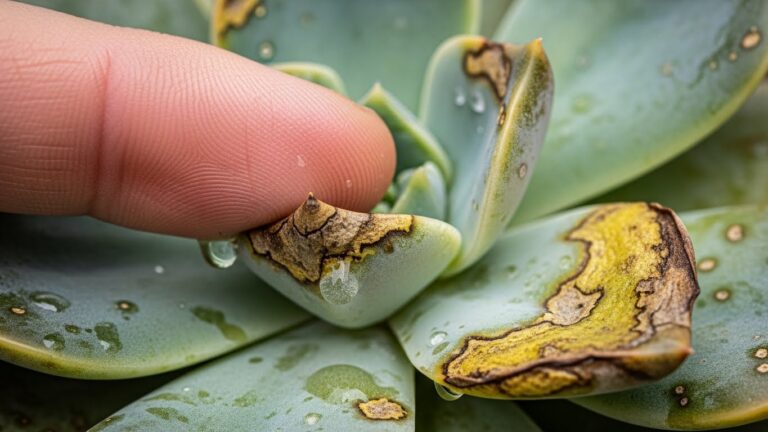
Have you ever noticed small, shell-like bumps on your succulent plants and wondered what they are? Those are scale insects! For scale insect identification, look for round or oval shapes that cling to leaves and stems. They suck the sap, weakening your plants and causing yellowing leaves.
Don’t worry, though! For effective scale insect treatments, start by gently wiping them off with a cotton swab dipped in rubbing alcohol. You can also use insecticidal soap or neem oil to help eliminate these pests. Just remember to treat all your plants, as scale insects can spread quickly. With a little care, you’ll have your succulents thriving again in no time!
Fungus Gnats: Prevention and Eradication Techniques
While scale insects can be a nuisance for your succulents, another pest you might encounter is the pesky fungus gnat. These tiny flies thrive in damp soil, so managing soil moisture is key to keeping them at bay. To prevent infestations, allow the top inch of soil to dry out between waterings. This simple trick can make a world of difference in your indoor gardening success.
If you spot these little invaders, try using sticky traps to catch adults, or introduce beneficial nematodes to target the larvae in the soil. You can also repot your plants in fresh, dry soil to disrupt their lifecycle. With a little attention and care, you can keep your succulents thriving and gnat-free!
Conclusion
To sum up, keeping your succulents safe from pesky pests is totally doable! By staying vigilant and using the right methods, you can protect your plants from mealybugs, aphids, spider mites, scale insects, and fungus gnats. Remember, prevention is key, so regularly inspect your greens and act quickly if you spot trouble. With a little love and attention, your succulents will thrive, turning your space into a stunning sanctuary of succulent success! Happy gardening!