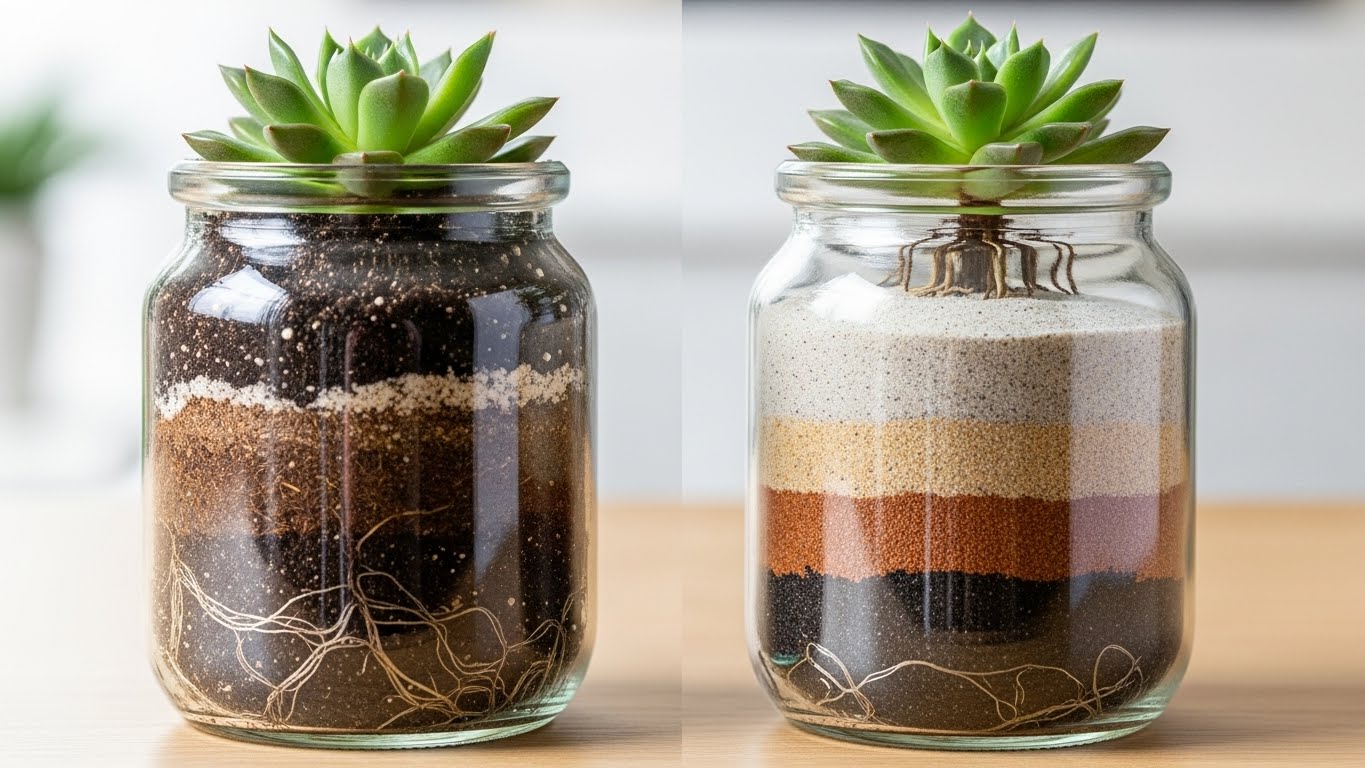
When it comes to growing indoor succulents, you’ll find that soil and sand both have their perks. Soil retains nutrients and moisture, but it can also hold too much water, risking root rot. On the other hand, sand allows for excellent drainage and air circulation, but it lacks essential nutrients. The best option often lies in a balanced mix of both. If you stick around, you’ll discover tips on creating the ideal growing medium and caring for your succulents!
Key Takeaways
- Soil retains nutrients and moisture, supporting healthy succulent growth, but can lead to root rot if not well-draining.
- Sand offers excellent drainage and aeration, preventing water pooling and promoting root health, but lacks essential nutrients.
- A well-draining soil mix, often including sand, can balance moisture retention with aeration for optimal succulent growth.
- Indoor succulents thrive in bright, indirect sunlight and need low humidity, regardless of the growing medium used.
- Monitoring moisture levels is crucial; both soil and sand can cause issues if not properly managed for succulents.
Understanding Succulent Needs
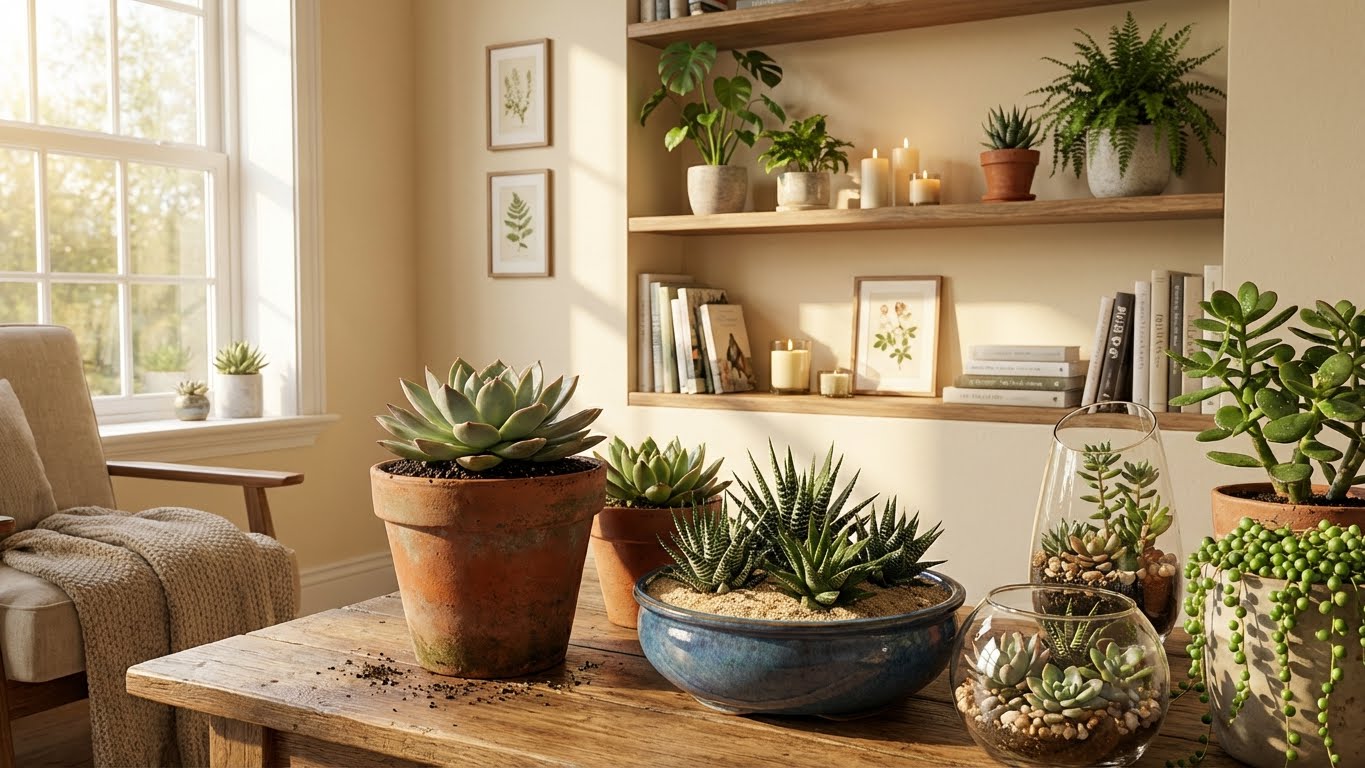
When it comes to keeping indoor succulents thriving, understanding their needs is essential. First, let’s talk about light requirements. These beauties crave bright, indirect sunlight, so placing them near a window is a great idea. Just be careful—too much direct sun can scorch their leaves! Next, temperature preferences play a big role in their health. Succulents generally enjoy a cozy range between 60°F and 80°F. If things get too chilly or hot, they might not flourish as you’d hope. Remember, they’re not fans of frost! Additionally, maintaining low humidity levels is crucial, as high humidity can increase the risk of root rot. By paying attention to their light and temperature needs, you’ll create a welcoming environment that lets your succulents truly shine. Happy planting!
Advantages of Using Soil
When you choose soil for your indoor succulents, you’re giving them a solid foundation to thrive. Soil not only retains essential nutrients that your plants need to grow, but it also helps regulate moisture levels, preventing overwatering or drying out too quickly. With these advantages, you’ll see your succulents flourish in a healthy and vibrant way!
Nutrient Retention Benefits
Soil, unlike sand, holds onto nutrients more effectively, making it a fantastic choice for indoor succulents. When you use soil, you’re ensuring better nutrient availability for your plants, which is vital for their growth and vibrancy. Plus, soil can be easily enhanced with soil amendments, like compost or fertilizers, that boost its nutrient content even further. These amendments help create a rich environment where your succulents can thrive. You’ll notice the difference as your plants soak up those essential nutrients, leading to healthier leaves and more vibrant colors. So, if you’re aiming for happy, thriving succulents, choosing soil is a smart decision. Your plants will thank you for it!
Moisture Regulation Properties
Choosing the right medium for your indoor succulents is essential, especially when it comes to moisture regulation. Soil offers a balance between moisture retention and drainage capabilities, keeping your plants happy and thriving. Here’s a quick comparison to help you understand the benefits of using soil:
Property | Soil | Sand |
|---|---|---|
Moisture Retention | High | Low |
Drainage Capabilities | Moderate | High |
Nutrient Availability | High | Low |
Aeration | Good | Excellent |
With soil, you get the best of both worlds. It retains just enough moisture for your succulents while allowing excess to drain away, preventing root rot. You’ll find your plants flourishing in this supportive environment!
Drawbacks of Soil for Succulents
While soil can be beneficial for your indoor succulents, it does have some drawbacks you should consider. One major issue is its tendency to retain moisture, which can lead to root rot if your plants sit in waterlogged conditions. Understanding these risks helps you make better choices for keeping your succulents healthy and thriving.
Retention of Moisture
When you think about keeping indoor succulents happy and healthy, the moisture retention of soil can be a tricky factor to contemplate. Soil tends to hold onto water longer, which isn’t ideal for succulents that thrive in dry conditions. You might notice that the evaporation rates are slower with soil, leading to potential issues.
- Your precious plants could feel overwhelmed by excess moisture.
- The roots might struggle to breathe, feeling stifled.
- You might find yourself worried about their health more often.
- Your colorful succulents might not thrive as you envisioned.
Risk of Root Rot
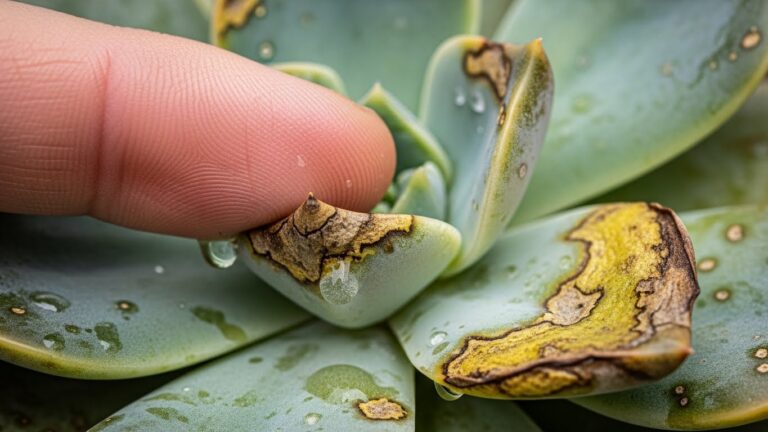
Soil’s tendency to retain moisture can lead to one of the biggest threats to your indoor succulents: root rot. When your plants sit in overly wet soil, it creates drainage issues that can suffocate their roots. Without proper airflow, the roots can’t absorb the nutrients they need, causing their root health to decline. You might notice yellowing leaves or a mushy texture, which are signs of trouble. To keep your succulents thriving, consider using well-draining soil or even a sand mix that allows excess water to escape quickly. Remember, healthy roots are essential for vibrant, happy plants. By being mindful of moisture levels, you can enjoy your beautiful indoor garden without the fear of root rot lurking around the corner.
Benefits of Sand as a Growing Medium
Choosing sand as a growing medium for your indoor succulents can be a game-changer, especially if you want to guarantee your plants thrive. Sand offers incredible benefits, making your gardening journey enjoyable and rewarding.
- Excellent sand drainage prevents water from pooling, keeping roots healthy.
- The superior sand aeration allows your succulents to breathe, promoting growth.
- Its lightweight nature makes repotting a breeze, so you can easily refresh your plants.
- Sand’s natural texture can create a stunning visual contrast, enhancing your indoor decor.
With these advantages, you’ll find that sand not only supports your succulents but also fosters a deeper connection to your plants. Embrace the sandy path and watch your green friends flourish!
Limitations of Sand for Succulent Growth
While sand has many advantages for growing indoor succulents, it also comes with a few limitations that you should consider. One major issue is sand compaction. Over time, sand can compact, reducing air pockets and hindering root growth. This can lead to poor drainage, which is vital for succulents. You might think sand drainage is excellent, but if it packs down too much, it can trap water instead of allowing it to flow freely. Additionally, sand alone lacks the nutrients that succulents need to thrive. Without a balanced mix, your plants may struggle to get the nourishment they require. So, while sand can be a great addition, it’s essential to be aware of these limitations to keep your succulents healthy and happy.
How to Create the Ideal Mix
To create the ideal mix for your indoor succulents, it’s important to combine the right ingredients that promote healthy growth and drainage. The ideal ratios of soil, sand, and other components can make all the difference. Here are some mixing techniques to guide you:
- Use one part potting soil for nutrients.
- Add one part coarse sand for drainage.
- Incorporate one part perlite or pumice for aeration.
- Consider a sprinkle of crushed charcoal for extra freshness.
Tips for Caring for Succulents in Different Mediums
Caring for succulents can be a rewarding experience, especially when you understand how different growing mediums affect their health. Remember, whether you’re using soil or sand, succulent watering needs will vary.
Here’s a quick reference guide to help you:
Growing Medium | Light Requirements |
|---|---|
Potting Soil | Bright, indirect light |
Cactus Mix | Full sun to bright light |
Sand | Bright, indirect light |
Perlite Mix | Bright, indirect light |
Succulent Mix | Full sun, but be cautious |
Ensure you adjust your watering schedule based on the medium, as sand drains quickly while soil retains moisture longer. Keep an eye on your plants, and they’ll thrive!
Conclusion
In the end, whether you choose soil, sand, or a mix of both, understanding your succulents’ needs is key. Soil provides nutrients and stability while sand offers excellent drainage and airflow. Combining them creates a balanced environment, promoting healthy growth. Remember, it’s all about finding what works best for your plants, so experiment and observe. Happy gardening! With the right medium, your indoor succulents will thrive, bringing joy and beauty to your space.