
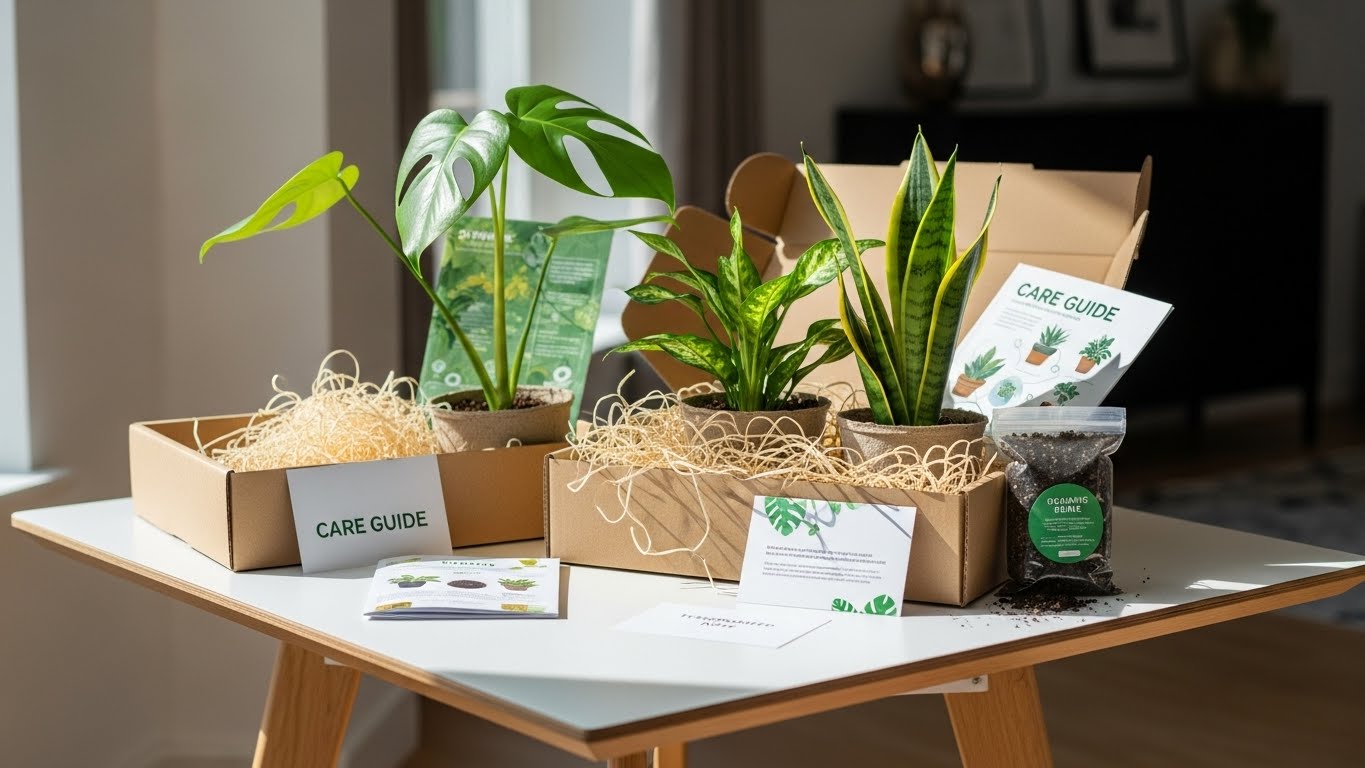
The Allure of the Curated Jungle: Why Plant Subscriptions are Blooming
The modern home has transformed. Once a mere living space, it is now a sanctuary, a workspace, and a reflection of personal well-being. Central to this evolution is the rise of the indoor plant, which has shifted from a simple decorative accent to an integral component of biophilic design and a cornerstone of the “plant parent” identity. This cultural movement, fueled by a desire for connection to nature and the aesthetic appeal of lush interiors, has created a burgeoning market for accessible greenery. It is within this fertile ground that the indoor plant subscription box has taken root and blossomed, offering a compelling solution to the modern consumer’s needs.
The core proposition of these services is a powerful blend of convenience and curation. They promise to eliminate the guesswork and logistical hurdles of traditional plant shopping—the trips to the nursery, the uncertainty over plant selection and health, and the messy business of transport. For a recurring fee, a healthy, often pre-potted plant is delivered directly to the doorstep, complete with care instructions. This model is engineered to appeal to two distinct but overlapping demographics: the novice who is anxious about where to begin and the seasoned but time-poor enthusiast seeking to effortlessly expand their collection. The service acts as a personal shopper and a delivery agent, promising a simplified entry into a rewarding hobby.
This report moves beyond the glossy marketing and curated social media feeds to conduct a rigorous, multi-faceted investigation into the true value of these services. The central question is not merely whether one can acquire a plant through a subscription, but whether doing so represents a sound investment of money, time, and horticultural effort. This analysis will dissect the costs, both explicit and hidden; evaluate the quality and consistency of the products; assess the inherent risks of shipping live organisms; and weigh the entire subscription model against a diverse ecosystem of alternatives. The goal is to provide a definitive framework for determining if these green boxes are a clever convenience or an overpriced novelty.
Unboxing the Contenders: A Head-to-Head Comparison
At the heart of the subscription box dilemma is a complex matrix of trade-offs involving price, convenience, quality, and customer support. To navigate this landscape, a direct, data-driven comparison is essential. The following table distills the offerings of several leading services into a standardized format, allowing for an at-a-glance evaluation of their core features. This matrix serves as the foundation for a deeper analysis of each company’s unique value proposition and ideal customer profile.
The Ultimate Plant Subscription Box Comparison Matrix
The table below provides a comparative overview of prominent indoor plant subscription services. It is designed to be a quick-reference tool, highlighting the key differences in pricing, product offerings, and policies that define each service’s position in the market.
Service | Monthly Price Range | Pot Included & Material | Typical Plant Size | Species Transparency | Shipping Care & Packaging | Replacement Policy | Beginner Support | Pet-Safe Option & Labeling |
The Sill | ~$60/month | Yes, chic ceramic planter. Multiple colors. Some lack drainage holes. | Medium (6″ grow pot in 7″ planter) | Surprise (no repeats) | Expertly packed, bubble wrap, minimal damage reported. | 30-Day Guarantee (free replacement). | Workshops, virtual appointments, detailed instructions. | Yes, dedicated “Pet-Friendly” subscription. |
Bloomscape | Varies by plant, not a traditional “box” model. Bundles available (e.g., $79 for 3). | Yes, eco-friendly pots from recycled plastic with saucers. | Varies (XS to XXL). | Known (you choose the plant/collection). | Excellent, specially composed soil, plastic wrap, minimal spillage. Packaging can be inconsistent. | 30-Day Guarantee (free replacement). | Grow-How® expert team, care cards, detailed blog. | Yes, “Pet-Friendly” filter and bundles. |
Lively Root | ~$42-$49/quarterly. | Basic plastic grower pot included. Decorative pots are extra. | Small or Medium options. | Surprise (based on subscription theme). | Securely boxed, cotton bags. Reports of soil spillage and overly wet soil. | 30-Day “Happy Plant” Guarantee (with winter limitations). | Care cards, blog, aims to be a “horticultural resource”. | Yes, dedicated “Pet Friendly” subscription. |
BloomsyBox | ~$60/month. | Yes, decorative ceramic pot included. | Not specified, but appear to be established houseplants. | Surprise (no repeats). | Excellent, heavy-duty bubble wrap, stakes for tall plants, minimal spillage. | 15-day plant replacement policy. | Care instructions included. | Yes, “Pet-Safe Blooms” subscription, but this is for cut flowers, not potted plants. Pet-safe potted plant option is unclear. |
Leaf & Clay | ~$25/month for 3 succulents. | No, plants are shipped bare-root. Pots must be purchased separately. | Small (2.5″ succulents). | Surprise (hand-selected variety pack). | Bare-root, wrapped in tissue, packed securely. | No returns on live plants; store credit for damage if reported within 48 hours. | Detailed online care guides. | Pet-Friendly bundles available for separate purchase, but not explicitly a subscription option. |
House Plant Box | Starts at $15/month. | Plastic nursery planters. | Varies by box (e.g., 6″ plants in Premium box). | Surprise (different plant each month). | Proprietary packaging, shipped via USPS/FedEx. Generally reviewed as well-packaged. | Not explicitly detailed, likely requires contacting customer service. | Care card included. | Yes, dedicated “Pet-Friendly Box”. |
Deep Dive Analysis
The Sill: The Aesthetic Choice
The Sill has successfully positioned itself as a premium, design-forward lifestyle brand, particularly appealing to a millennial audience seeking to integrate greenery into their modern living spaces. At approximately $60 per month, the subscription delivers a medium-sized plant in a chic ceramic planter, available in a variety of muted, contemporary colors. This price point is justified by the all-in-one, ready-to-display nature of the product and the extensive ecosystem of beginner support, which includes online workshops, virtual one-on-one appointments with plant experts, and detailed care instructions.
However, a critical examination reveals a potential conflict between form and function. Multiple reviews and user experiences point to a significant flaw in some of the included ceramic planters: a lack of drainage holes. From a horticultural standpoint, proper drainage is non-negotiable for the long-term health of most houseplants, as it prevents water from pooling at the bottom of the pot, which leads to root rot. This design choice suggests a prioritization of clean, minimalist aesthetics over fundamental plant care principles. For a true beginner, who may not know to use the ceramic pot as a decorative cachepot (placing the plastic nursery pot inside it) rather than planting directly, this could inadvertently set them up for failure. This creates a central paradox in The Sill’s value proposition: the consumer pays a premium for a simplified, foolproof experience that contains a feature capable of undermining the very survival of the plant, thereby negating the value of the company’s robust support network.
Bloomscape: The A La Carte Grower
Bloomscape operates on a fundamentally different model from the traditional “mystery box” subscription. Rather than a recurring delivery of a surprise plant, Bloomscape functions more like a high-end online nursery that allows customers to select specific plants or curated collections that are then delivered “living room ready”. The company’s primary strength lies in its logistics and commitment to plant health. By shipping directly from their own greenhouses, they minimize the time plants spend in uncontrolled environments, ensuring they arrive in peak condition. Their packaging is frequently lauded for its ingenuity, using specially composed soil and secure wrapping to prevent spillage and damage, though some inconsistencies have been noted.
This model represents a trade-off between discovery and control. The customer forgoes the excitement of a monthly surprise in exchange for the certainty of receiving a plant they have already chosen. This appeals to a more intentional buyer who has a specific vision for their space or is looking for a particular species but may lack quality local nurseries or the means to transport a larger plant. The inclusion of high-quality, eco-friendly pots made from recycled plastic with matching saucers adds significant value and convenience. The robust 30-day replacement guarantee and access to their “Grow-How®” team of plant experts serve to de-risk the online purchase of what can be a significant investment, reinforcing their position as a premium plant delivery service rather than a discovery-based subscription.
Lively Root: The Community-Focused Nursery
Lively Root aims to carve out a niche as a “horticultural resource,” building a community around its products rather than simply acting as a marketplace. The service offers quarterly subscriptions themed around categories like “Easy Care,” “Pet Friendly,” and “Not-So-Common,” providing a degree of curation while still maintaining an element of surprise. The plants themselves are often praised for their size and health upon arrival, with reviewers noting large, beautiful blooms that thrive for months.
The primary compromise with Lively Root appears to be in the presentation. While the plants are healthy, they typically arrive in what are described as “basic and industrial” plastic grower pots or “cheap looking” ecopots. This positions the company as a nursery first and a lifestyle brand second. The value proposition is geared toward a consumer who prioritizes the plant itself and either has their own collection of decorative planters or enjoys the process of selecting them separately. This makes the service less suitable for gifting or for those seeking an instant, fully-finished aesthetic object. Furthermore, some user reports mention significant soil spillage and plants arriving in overly saturated soil, suggesting their packaging and pre-shipping preparation may be less refined than that of competitors like Bloomscape. This introduces a potential hidden cost in terms of cleanup and the initial care required to prevent issues like root rot.
Leaf & Clay: The Hobbyist’s Choice
Leaf & Clay occupies a distinct and specialized corner of the market, focusing almost exclusively on succulents and cacti. Their subscription model is fundamentally different from the others: for a relatively low monthly fee of around $25, subscribers receive a curated three-pack of small, 2.5-inch succulents shipped bare-root. This means the plants arrive without soil or pots, a method that significantly reduces shipping weight and cost, thereby enabling the accessible price point.
This service is not built on convenience in the traditional sense. Instead, its value lies in curation and access to variety for the hands-on hobbyist. The labor of acquiring appropriate soil and pots, and the task of potting the new arrivals, is externalized to the consumer. This model appeals directly to an enthusiast who enjoys the tactile, horticultural aspects of plant care and likely already possesses the necessary supplies. The company’s policy of not offering returns on live plants, providing only store credit for damage reported within a tight 48-hour window, underscores this positioning. The financial risk per box is lower, but more of that risk is shouldered by the consumer, reinforcing that this service is best suited for a more confident and engaged plant parent rather than a passive recipient.
The Value Equation: Subscription Premium vs. Local Sourcing
A common sentiment among experienced plant owners is that subscription boxes are “overpriced”. To move beyond this feeling and arrive at a concrete assessment of value, it is necessary to deconstruct the components of a typical subscription box and compare the total cost to sourcing similar items through traditional retail channels. This analysis reveals that the “worth” of a subscription is not merely a calculation of its physical contents but an evaluation of the intangible services bundled into its price.
Deconstructing the Box
A premium service like The Sill, priced at approximately $60 per month, provides a useful benchmark. Each box contains a medium-sized plant in a 6-inch grow pot, which is then placed inside a 7-inch ceramic planter. To assess the value, one must price these components individually.
- The Plant: A common medium-sized houseplant in a 6-inch pot, such as a Golden Pothos, typically retails for between $8 and $30 at local garden centers or big-box stores like Home Depot and Lowe’s. Smaller plants in 4-inch pots, which are more common in other subscription boxes, generally range from $7 to $20.
- The Pot: A 7-inch ceramic planter of comparable style and quality can range from $15 to over $30, depending on the retailer and design.
- Shipping and Handling: For online retailers that sell items a la carte, shipping a single potted plant is a significant expense, often costing between $10 and $15. Subscription services typically incorporate this cost into the monthly fee.
The Head-to-Head Cost Analysis
By assembling these components, a clear financial comparison emerges:
- Subscription Model (The Sill): Approximately $60 for the plant, pot, shipping, and bundled services.
- Local Sourcing (DIY): A generous estimate would be ~$20 for a comparable plant and ~$20 for a similar pot, for a total of approximately $40. This represents a significant saving of around 33%. However, this price does not account for the time, transportation costs, and horticultural knowledge required to visit a store, select a healthy plant, and choose an appropriate pot.
- A La Carte Online Retail: Purchasing a similar plant and pot from a non-subscription online store would likely cost ~$25 for the plant, ~$25 for the pot, and ~$15 for shipping, totaling around $65. This is often more expensive for a single purchase, which highlights the economic efficiency of the bundled shipping model that subscriptions utilize.
Quantifying the Intangibles: What Are You Really Paying For?
The price difference of roughly $20 between the subscription model and local sourcing is not simply a markup on goods; it is a payment for a suite of intangible services. This premium can be understood as a combination of a “convenience tax,” a “curation fee,” and an “insurance premium.” The convenience tax covers the value of avoiding a trip to the store, saving time and effort. The curation fee pays for the expertise involved in selecting a healthy, interesting, and seasonally appropriate plant, which eliminates the decision fatigue that can overwhelm a novice in a large nursery. Finally, the insurance premium grants access to expert support channels and, crucially, a replacement guarantee. This guarantee de-risks the purchase, particularly for a beginner who is worried about their ability to keep a plant alive.
Ultimately, the determination of whether a subscription is “worth it” is a personal calculation based on how much an individual values these services. For a busy urban professional without a car, for whom a trip to a garden center is a major undertaking, the $20 premium may be a small price to pay for the convenience. For a suburban hobbyist with several excellent local nurseries and a passion for hand-selecting specimens, the same fee would seem entirely unjustifiable. The value is not in the box itself, but in how well its bundled services align with the consumer’s lifestyle, knowledge, and priorities.
The Perils of Plant Mail: A Guide to Managing Risk and Reality
Receiving a plant in the mail is an act of faith in complex logistics and botanical resilience. The journey from a climate-controlled greenhouse to a front porch is fraught with peril. Understanding the biological stress this journey imposes on a plant, and knowing the proper steps for triage and acclimation upon arrival, is critical for success. The reality is that the consumer’s actions in the first two weeks post-delivery are as crucial as the company’s packaging methods.
The Journey in the Dark
For several days, a live plant is sealed in a dark box, subjected to temperature fluctuations, and physically jostled. This experience induces a state of physiological stress known as “shipping shock”. Deprived of light, the plant cannot photosynthesize. Its roots may become either waterlogged or desiccated. The result upon unboxing is often a plant that appears droopy, squished, or has a few yellowed or damaged leaves. This is a normal and expected consequence of the shipping process, and minor cosmetic damage should not be a cause for panic.
Unboxing and Triage: A Step-by-Step Protocol
The moment the box arrives, a careful process of assessment should begin:
- Open Immediately: Do not let the box sit. The sooner the plant is exposed to air and light, the better.
- Inspect and Document: Gently unwrap the plant and assess its condition. Look for major damage like snapped stems, widespread rot, or signs of pests. Minor issues like a single bent leaf or slight soil spillage are common. Take clear photographs of any significant damage immediately, as these will be required for any warranty claim.
- Assess Soil Moisture: Feel the soil. Some services have been known to ship plants that are overly saturated, while others may arrive dry. If the soil is soaking wet, allow it to dry out completely before watering again to prevent root rot. If it is bone dry, give the plant a thorough watering.
- Prune Obvious Damage: Using clean, sharp scissors, trim away any leaves that are completely yellowed or stems that are broken beyond repair. This allows the plant to redirect its energy toward new, healthy growth.
- Do Not Repot: This is the most critical step. The plant is already under significant stress from shipping and adjusting to a new environment. Repotting is another major shock that can be fatal. It is essential to wait at least two to three weeks for the plant to stabilize before considering a new pot.
The Science of Acclimation
A plant’s journey from a commercial greenhouse to a typical home is a transition between two radically different worlds. The greenhouse provides perfect, high-humidity, optimal-light conditions. A home environment is typically much drier and has variable light. Successful acclimation requires a gradual introduction to these new conditions.
- Quarantine: For the first few weeks, keep the new plant isolated from any other houseplants. This prevents the potential spread of pests that may have been dormant in the soil or on the leaves.
- Humidity: The plant has spent days in the near 100% humidity of a sealed box. A sudden move to a dry, air-conditioned room can cause its leaves to lose water faster than its stressed roots can absorb it, leading to wilting and browning. To ease this transition, create a temporary high-humidity environment. An effective method is to place a large, clear plastic bag over the plant and pot. After two to three days, begin cutting holes in the bag or opening it for longer periods each day, gradually exposing the plant to the ambient humidity over the course of a week.
- Light: A plant that has been in darkness for days can be “sunburned” if immediately placed in bright, direct sunlight. Start the plant in a location with low to medium indirect light. Over one to two weeks, slowly move it closer to its final, intended location, allowing its leaves to adjust to the increased light intensity.
Evaluating Guarantees
The risk of receiving a damaged or unhealthy plant is mitigated by the company’s replacement policy, which should be a key factor in any purchasing decision. Services like Bloomscape and The Sill offer a robust 30-day “health guarantee,” promising a free replacement if the plant dies within that window, which provides significant peace of mind. Other companies have more restrictive policies. Lively Root’s guarantee has limitations during winter months, and Leaf & Clay offers only store credit for damage and requires it to be reported within 48 hours of delivery. A strong guarantee is an indicator of a company’s confidence in its product and packaging, and it serves as a crucial safety net for the consumer.
Beyond the Box: Exploring Greener Pastures and Alternatives
While subscription boxes offer a compelling model of convenience, they represent only one of many avenues for acquiring houseplants. A thriving ecosystem of community-based and strategic purchasing alternatives exists, offering different sets of benefits that may be better suited to certain individuals. Exploring these options provides a more holistic perspective on building an indoor jungle and reveals that the most rewarding path is often found outside the box.
The Community Route: Plant Swaps and Trades
A powerful counter-narrative to the commercial subscription model is the rise of plant swapping. This community-driven approach is built on generosity and a shared passion for horticulture, transforming plant acquisition from a transactional purchase into a social exchange.
- Local Swaps: Across the country, communities are organizing local plant swaps, often facilitated through Facebook groups, public libraries, or local garden clubs. These events allow enthusiasts to trade excess plants, divisions, and cuttings for free, providing an incredibly cost-effective way to diversify a collection while connecting with knowledgeable local gardeners.
- Online Communities and Apps: The spirit of swapping has extended into the digital realm. Online forums like Reddit’s r/TakeaPlantLeaveaPlant have become bustling marketplaces for trading plants and cuttings by mail. Specialized apps like Blossm and Propa have emerged to formalize this process, connecting users locally and nationally to buy, sell, and trade everything from common houseplants to rare specimens. These platforms operate on a currency of trust and community, where a user’s reputation is as valuable as their plants.
This alternative is not merely about saving money; it is about participating in a different kind of plant culture. The joy comes from propagation, sharing, and the story behind a traded cutting. The etiquette is simple but important: bring only healthy, pest-free plants; label everything clearly with the plant’s name and basic care needs; and approach the swap with a spirit of generosity. For those who find fulfillment in the process of nurturing a plant from a small cutting, this community-based approach offers a level of engagement and connection that a subscription box cannot replicate.
The Strategic Shopper: Quarterly Buys and Specialty Nurseries
For those who find the monthly cadence of a subscription too frequent or the lack of choice too restrictive, an alternative model is the strategic, intentional shopping trip. This involves allocating the equivalent of a subscription budget (e.g., $180 for three months of a $60 box) to a single, quarterly visit to a local specialty nursery or a well-regarded online retailer.
This approach offers several distinct advantages. First, it grants the consumer complete control over selection. They can choose the exact species, size, and even the specific individual plant that appeals to them. Second, it allows for a thorough in-person health inspection, a luxury not afforded by mail-order services. One can check for pests, examine the root system, and assess the overall vigor of the plant before purchasing. Third, local specialty nurseries are often staffed by experts who can provide tailored advice for your specific growing conditions. Finally, this method often yields better value in terms of plant size and maturity. The same budget that covers three small-to-medium subscription plants might purchase one large, established specimen that makes an immediate impact in a room. This model represents a middle ground, combining the thrill of acquiring a new plant with the prudence of a well-researched, deliberate purchase.
The Final Verdict: Is a Plant Subscription Box Right for You?
After a comprehensive analysis of the costs, benefits, risks, and alternatives, the answer to the central question—”Are indoor plant subscription boxes worth it?”—is not a simple yes or no. The value of these services is highly subjective and depends entirely on the individual’s goals, lifestyle, budget, and horticultural confidence. The most effective way to reach a personal verdict is to identify which of the following plant parent personas most closely aligns with your own.
Persona 1: The Time-Crunched Decorator
- Profile: This individual values aesthetics and convenience above all else. They view plants as essential elements of interior decor and desire a finished, stylish “look” with minimal time and effort. Their primary goal is to enhance their living space, not necessarily to cultivate a deep horticultural hobby.
- Verdict: Worth It. For this persona, the premium price of a subscription is a justifiable fee for the time saved and the curated aesthetic. Services like The Sill and BloomsyBox are ideal, as they deliver a chic plant-and-pot combination that is ready for immediate display. The potential for a planter to lack a drainage hole is the primary risk, requiring awareness to use it as a decorative cachepot rather than for direct planting.
Persona 2: The Nervous Newbie
- Profile: This person is enthusiastic about starting a plant collection but feels overwhelmed by the sheer volume of information and is anxious about their ability to keep a plant alive. They place a high value on guidance, support, and a low-risk entry point into the hobby.
- Verdict: Potentially Worth It. The key is to select a service with robust educational resources and a strong replacement guarantee. Bloomscape stands out as an excellent choice. It allows the newbie to select a plant specifically labeled as “easy-care” or “low-maintenance,” removing the anxiety of receiving a finicky surprise plant. Furthermore, their 30-day guarantee and direct access to the Grow-How® team of experts provide a crucial safety net.
Persona 3: The Budget-Conscious Hobbyist
- Profile: This enthusiast derives joy from the process of plant care itself—potting, propagating, and watching something grow. Their goal is to expand their collection with interesting and diverse specimens without overspending. Price and variety are their primary drivers.
- Verdict: Not Worth It. The convenience and curation fees bundled into premium subscriptions are an unnecessary expense for this individual. They will find far greater value and enjoyment in more hands-on, community-oriented approaches. Local plant swaps, online trading forums like r/TakeaPlantLeaveaPlant, and budget-friendly, bare-root subscriptions like Leaf & Clay directly cater to the hobbyist mindset, offering variety and the satisfaction of nurturing a plant from a more nascent stage.
Persona 4: The Discerning Collector
- Profile: This individual already possesses a significant and well-tended plant collection. They are not looking to simply add more greenery; they are on the hunt for specific, rare, or unusual specimens to add to their curated indoor jungle. They value plant quality, health, and genetic uniqueness above all else.
- Verdict: Generally Not Worth It. Standard mystery box subscriptions are likely to result in duplicates of common plants they already own. The hand-holding and beginner support that constitute a large part of the subscription’s value are redundant for their level of expertise. This collector is best served by strategic shopping at specialty online nurseries that cater to rare plants or by seeking out highly specialized subscription boxes focused on uncommon varieties, should they exist. Their satisfaction comes from the thrill of the hunt and the acquisition of a specific, coveted plant, a need that a generalized subscription service cannot reliably fulfill.


