
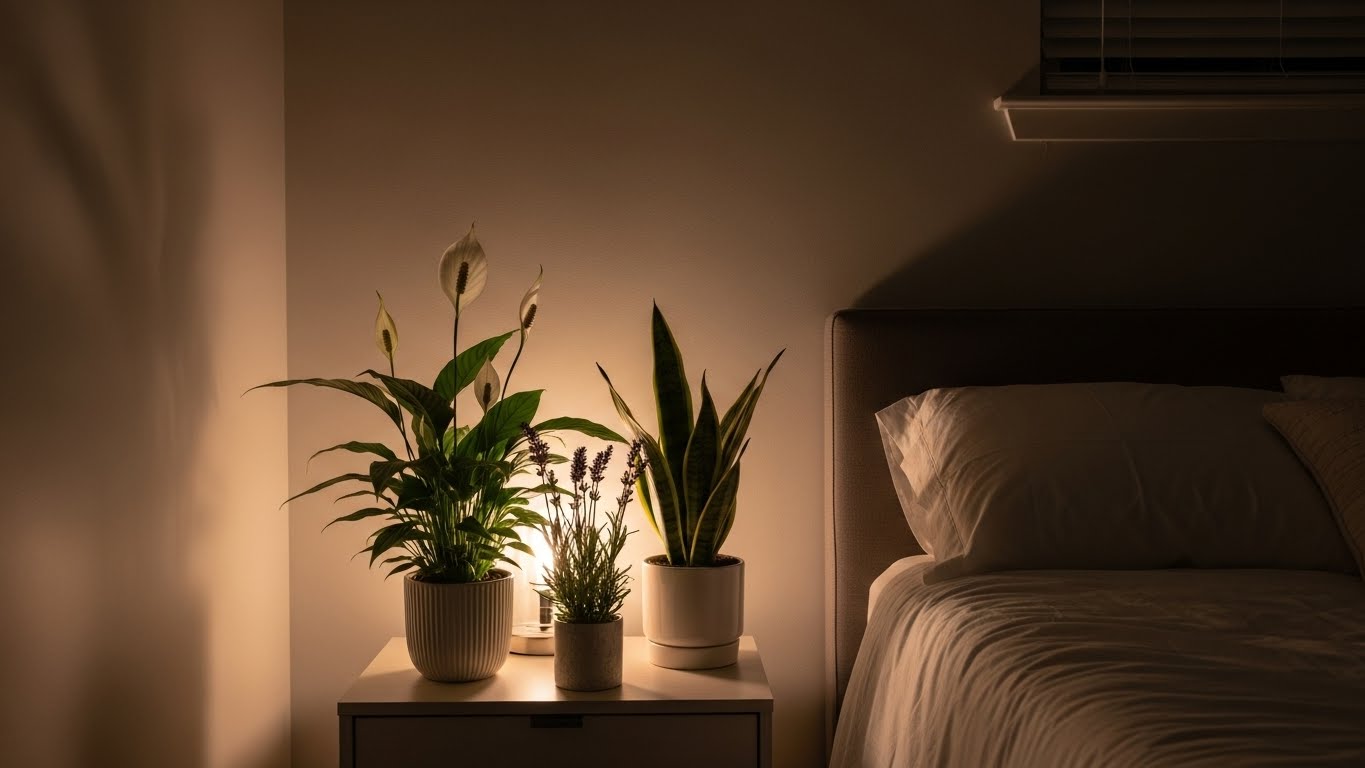
Introduction: Cultivating a Sanctuary for Slumber
In our perpetually illuminated, hyper-connected world, the quest for a truly restorative night’s sleep can feel like a distant dream. We invest in blackout curtains, white noise machines, and silk pillowcases, all in an effort to reclaim the sanctity of our slumber. Yet, one of the most profound and elegant solutions is also one of the most ancient: bringing a piece of the living, breathing natural world into our most personal space. The simple, profound act of placing a plant in the bedroom can transform it from a mere place of rest into a sanctuary for deep, rejuvenating sleep.
💡 Understanding where to place your plants can significantly enhance your bedroom’s ambiance.
➜ Master the art of plant placement
This is not a matter of simple aesthetics, though the beauty of a verdant leaf or a delicate bloom certainly contributes to a serene atmosphere. Certain houseplants are active partners in our well-being, working quietly through the night to engineer an environment that is scientifically more conducive to rest. They are silent, beautiful, and powerful allies in our pursuit of better sleep.
This guide will explore the remarkable capabilities of three such botanical champions: the elegant Peace Lily, the aromatic Lavender, and the indomitable Snake Plant. Each possesses a unique set of skills perfectly suited to the bedroom, from purifying the air we breathe to calming our minds with subtle fragrance. We will delve into the science that makes them so effective and provide detailed, practical advice to help you cultivate not just a plant, but a nightly ritual of tranquility and a deeper connection to the natural rhythms that govern rest.
The Science of Serenity: How Plants Engineer a Restful Environment
The idea that a simple houseplant can measurably improve sleep is rooted in a fascinating intersection of biology, chemistry, and psychology. Beyond their passive beauty, plants are dynamic systems that actively interact with their surroundings, creating a healthier, more serene atmosphere. Their benefits can be understood through three primary mechanisms: their ability to purify the air, their power to soothe through scent, and their profound psychological impact on our well-being.
The Air We Breathe: A Micro-Ecosystem in Your Bedroom
The air inside our homes is often more polluted than the air outside. Volatile organic compounds (VOCs) are released from common household items like paint, furniture, carpets, and cleaning products. These pollutants can irritate our respiratory systems and disrupt sleep. Fortunately, nature has provided an elegant solution.
The NASA Clean Air Study and Toxin Removal
In 1989, a foundational study by NASA sought to find ways to clean the air in sealed space stations. The research revealed that common indoor plants are remarkably effective at absorbing harmful gases and pollutants from the air, a process known as phytoremediation. These botanical purifiers can filter out a host of toxins, including:
- Formaldehyde: Found in insulation, particleboard, and some fabrics.
- Benzene: Released by solvents, paints, and rubber.
- Trichloroethylene: Used in dry cleaning and adhesives.
- Xylene and Toluene: Found in printing, rubber, and leather industries.
By trapping these pollutants in their leaves and soil, plants create a cleaner, healthier environment for you to breathe all night long.
The Night Shift: Unpacking the Snake Plant’s Oxygen Secret
A common, and long-debunked, old wives’ tale once warned against keeping plants in the bedroom, fearing they would consume oxygen and release carbon dioxide at night, effectively “stealing” our air. While it is true that most plants, like humans, undergo cellular respiration and release a small amount of CO2 at night, the amount is negligible—far less than a sleeping partner or pet would produce.
However, a special class of plants, primarily succulents native to arid environments, has evolved a remarkable adaptation that flips this process on its head. Plants like the Snake Plant and Aloe Vera utilize a specialized form of photosynthesis called Crassulacean Acid Metabolism (CAM). Here is how it works in simple terms:
- To conserve water in hot, dry climates, CAM plants keep their leaf pores (stomata) closed during the day.
- At night, in the cool darkness, they open these pores to absorb carbon dioxide from the air.
- This CO2 is stored overnight in the form of an organic acid.
- The next day, with their pores safely sealed to prevent water loss, the plant uses sunlight to convert the stored CO2 into energy, releasing oxygen as a byproduct.
This unique metabolic rhythm makes CAM plants ideal bedroom companions, as they are actively working to convert CO2 into fresh oxygen precisely when we are in the room to breathe it.
While these air-purifying and oxygenating abilities are scientifically documented, it is important to maintain a realistic perspective. The claim that a handful of plants can sustain a human in a sealed room is an exaggeration of the original NASA findings. The measurable impact of a few plants on a room’s overall oxygen level or toxin concentration is modest. The true power of bedroom plants lies not in a single, dramatic function, but in the synergistic combination of their benefits. The subtle air filtration, the gentle boost in nighttime oxygen, the regulation of humidity, and their powerful psychological effects all work in concert to create a holistically better environment for sleep.
Humidity and Respiratory Comfort
Through a process called transpiration, plants release water vapor from their leaves, acting as natural and exquisitely designed humidifiers. Maintaining optimal humidity levels in the bedroom is crucial for respiratory health, especially in dry climates or during winter when forced-air heating systems can parch the air. Increased humidity can help prevent dry skin, soothe irritated nasal passages and throats, and reduce the likelihood of nighttime coughing that can disrupt sleep.
A Scent-sational Pathway to Calm: The Power of Aromatherapy
Our sense of smell is a direct pathway to the brain’s limbic system, the ancient part of our neuroanatomy that governs emotion, memory, and instinct. This is why certain fragrances can have an immediate and powerful effect on our state of mind. Several plants release gentle, therapeutic scents that are particularly conducive to sleep.
Lavender’s Lullaby
Lavender (Lavandula) is perhaps the most famous and well-researched aromatic sleep aid. For thousands of years, its fragrance has been used as a natural remedy for anxiety and insomnia. Scientific studies have validated this traditional wisdom, showing that the aroma of lavender can:
- Reduce stress and anxiety: Its scent has an anxiolytic (anxiety-reducing) effect, helping to calm a racing mind before bed.
- Lower heart rate and blood pressure: Inhaling lavender has been shown to have a sedative effect on the nervous system, promoting a state of physical relaxation.
- Improve sleep quality: Research suggests lavender can increase total sleep time and reduce instances of insomnia, possibly by interacting with the neurotransmitter GABA, which helps regulate our sleep-wake cycles.
Beyond lavender, other fragrant plants like Jasmine, Chamomile, and Rosemary offer similar soothing benefits, providing a range of options to create a personalized aromatic oasis.
The Psychology of Green: Nurturing Your Way to Better Rest
The most immediate and perhaps most potent sleep-enhancing benefit of bedroom plants is psychological. Our innate, subconscious connection to nature—a concept known as “biophilia”—means that the mere presence of greenery can have a profound impact on our mental state.
Biophilia and Stress Reduction
Simply having a view of nature from a window has been shown to provide psychological support and improve well-being. Bringing a plant indoors taps into this same powerful effect. The presence of green, living foliage has been demonstrated to lower levels of the stress hormone cortisol, reduce feelings of anxiety, and improve overall mood. This creates a calming mental backdrop that makes it easier to transition into a state of rest.
Mindfulness Through Plant Care
The daily or weekly ritual of caring for a plant—checking the soil, providing water, wiping the leaves—can serve as a powerful mindfulness practice. For those whose minds are often filled with anxiety about the future, these simple, grounding tasks bring focus to the present moment. This quiet, screen-free activity can be a perfect way to wind down at the end of the day, signaling to your body and mind that it is time to prepare for sleep.
A Sense of Purpose
Finally, the act of nurturing another living thing fosters a gentle sense of purpose and responsibility. Watching a plant grow and thrive under your care can be deeply fulfilling, contributing to a more positive outlook on life and a greater sense of overall well-being—foundational elements for a peaceful night’s rest.
💡 A well-designed focal wall can not only beautify your space but also promote relaxation.
➜ Explore advanced methods for creating focal walls
Your Bedside Botanist: A Deep Dive into the Top 3 Sleep-Inducing Plants
While many plants can enhance a bedroom, the Peace Lily, Lavender, and Snake Plant each offer a unique and potent combination of benefits. This section provides a comprehensive profile of each, complete with an expert care guide tailored specifically for a bedroom environment.
💡 Creating a serene and private sleeping environment can greatly improve your sleep quality.
➜ Discover proven techniques for using plants as dividers
Plant Profile 1: The Peace Lily (Spathiphyllum) – An Elegant Air Purifier
With its deep, glossy green leaves and iconic white spathes that resemble flags of truce, the Peace Lily is the embodiment of tranquility. It is not only a symbol of serenity but also a hardworking air purifier that thrives in the exact conditions found in many bedrooms.
Why It’s a Sleep Superstar
- NASA-Approved Filter: The Peace Lily is a top performer in NASA’s Clean Air Study, recognized for its exceptional ability to remove common household toxins like ammonia, benzene, formaldehyde, and trichloroethylene from the air.
- Natural Humidifier: This plant is highly effective at increasing indoor humidity through transpiration. This added moisture can ease breathing, soothe dry throats, and reduce nighttime coughing, contributing to a more comfortable and uninterrupted sleep.
- Aesthetic Serenity: Its elegant form adds a touch of calming beauty to any space. The appearance of its beautiful white flowers can brighten a room and contribute to a more peaceful, restorative atmosphere.
Expert Bedroom Care Guide
- Light: The Peace Lily is an excellent choice for bedrooms because it thrives in conditions ranging from low to bright, indirect light. It will grow lush, beautiful foliage even in a darker corner. To encourage its signature white blooms, however, place it where it can receive bright, filtered light, such as near an east-facing window or a few feet from a south- or west-facing one. Keep it out of direct sunlight, which will scorch its leaves.
- Watering: This plant is wonderfully communicative. It will wilt dramatically when it is thirsty, providing a clear and unmissable signal that it’s time to water—a perfect feature for beginners. When the top inch of soil feels dry, water it thoroughly until liquid runs out of the drainage holes at the bottom of the pot. Discard any excess water from the saucer to prevent root rot.
- Humidity: Native to tropical rainforests, the Peace Lily loves a humid environment. While it tolerates average household humidity, it will flourish with a little extra moisture. You can achieve this by misting its leaves a few times a week, placing it on a pebble tray filled with water, or grouping it with other plants to create a humid microclimate.
- Troubleshooting:
- Brown Leaf Tips: This is usually a sign of low humidity or direct sun exposure. Move the plant out of sunbeams and increase misting.
- Yellow Leaves: This typically indicates overwatering. Allow the soil to dry out more between waterings.
- Dusty Leaves: Its large leaves can collect dust. Gently wipe them with a damp cloth or give the entire plant a lukewarm shower to keep them clean and efficient at absorbing light and pollutants.
Plant Profile 2: Lavender (Lavandula) – Nature’s Aromatic Lullaby
The deep purple hue and unmistakable fragrance of Lavender have been synonymous with calm and relaxation for centuries. Bringing a living Lavender plant into the bedroom introduces its powerful aromatherapeutic properties directly into your sleep sanctuary.
Why It’s a Sleep Superstar
- Proven Sedative: Its primary benefit is its potent, calming aroma. The fragrance is scientifically recognized for its ability to reduce anxiety, lower heart rate, and promote the kind of deep relaxation that is a prerequisite for sleep, making it a natural remedy for restlessness and insomnia.
- A Multi-Sensory Experience: Beyond its scent, the rich, deep purple of its flowers provides a calming visual cue, complementing a serene bedroom color palette and enhancing the overall tranquil environment.
Expert Bedroom Care Guide
Growing Lavender indoors is a rewarding challenge that requires understanding and respecting its Mediterranean origins. While many sources recommend it for the bedroom, success hinges almost entirely on one critical factor: light.
- Light (The Critical Factor): Lavender is a sun-worshipper and will not survive without it. It requires a minimum of three to four hours of direct, intense sunlight every day. The absolute best placement is in an unobstructed, south-facing window. For most bedrooms, which are often designed to be darker, achieving this is difficult. If you do not have a spot with sufficient natural light, using a full-spectrum LED grow light is a highly recommended and often necessary tool for keeping this plant healthy indoors.
- Watering: This plant is far more tolerant of drought than it is of moisture. Overwatering is the quickest way to harm it. Allow the soil to dry out completely between waterings. When you do water, drench the soil thoroughly and let all excess water drain away. Never let it sit in a saucer of water.
- Soil & Airflow: To prevent root rot, use a gritty, well-draining soil mix. A standard potting mix amended with coarse sand or a cactus mix is ideal. Good air circulation is also important to keep the foliage dry and healthy, so avoid placing it in a stuffy corner.
Given the significant challenges of providing adequate light, it is important to be realistic. For many, keeping a Lavender plant thriving in the bedroom may not be feasible. However, its primary sleep benefit—the calming aroma—can be enjoyed through other, more practical means. Consider placing a sachet of dried lavender on your nightstand or using a high-quality lavender essential oil in a diffuser before bed. These methods deliver the same anxiolytic benefits without the demanding horticultural commitment.
Plant Profile 3: The Snake Plant (Sansevieria trifasciata) – The Indestructible Oxygen Factory
Known affectionately as Mother-in-Law’s Tongue, the Snake Plant is a triumph of form and function. Its striking, architectural leaves make a modern statement in any room, while its biological resilience and unique metabolism make it arguably the single best plant for a bedroom environment.
Why It’s a Sleep Superstar
- The Nighttime Breather: As a CAM plant, the Snake Plant is one of the few houseplants that converts carbon dioxide into oxygen at night, subtly enriching the air you breathe while you sleep.
- A Toxin-Absorbing Powerhouse: The Snake Plant is a champion air purifier, renowned for its ability to filter a wide array of VOCs from the air, including formaldehyde, benzene, xylene, trichloroethylene, and toluene.
- Feng Shui Favorite: In the practice of Feng Shui, the Snake Plant is revered for its protective energy. Its strong, upward-growing leaves are believed to cut through negative energy and guard against bad vibes, a cultural belief that aligns perfectly with its role in creating a peaceful, secure-feeling sanctuary.
Expert Bedroom Care Guide
The beauty of the Snake Plant lies in its near-indestructibility. It thrives on a level of neglect that would spell doom for most other plants, making it the perfect choice for beginners, frequent travelers, or anyone who prefers a low-maintenance lifestyle.
- Light: This plant is incredibly adaptable to a wide spectrum of light conditions. It can tolerate the low light of a dark corner as well as bright, indirect sunlight. This versatility means you can place it virtually anywhere in your bedroom. Note that varieties with yellow or white variegation will maintain their vibrant coloring best in brighter light.
- Watering: This is the most critical rule of Snake Plant care: do not overwater. As a succulent, it stores water in its leaves and is extremely susceptible to root rot if the soil stays wet. Water it only when the soil has dried out completely. This may mean watering as infrequently as every 2-4 weeks in the summer and even less—perhaps once every two months—in the winter. When in doubt, wait another week.
- Maintenance: The Snake Plant is the epitome of a “set it and forget it” plant. It requires no pruning, rarely needs to be repotted, and needs very little fertilizer. Simply wipe the leaves with a damp cloth occasionally to remove dust, and it will continue to stand guard in your bedroom for years, or even decades.
Creating Your Green Oasis: Practical Tips for a Thriving Bedroom Garden
Choosing the right plant is the first step. Becoming a confident and responsible plant parent ensures that your new green companion will thrive for years to come. This section covers the essential practicalities of indoor gardening, from ensuring the safety of your furry friends to keeping your space clean and healthy.
A Critical Note on Pet Safety
Creating a healthy home environment extends to every member of your family, including pets. It is a critical and often overlooked fact that many common and beautiful houseplants are toxic to cats and dogs if ingested. The Peace Lily, Lavender, and Snake Plant, while wonderful for humans, are all considered toxic to pets and should be kept out of their reach.
Ingesting these plants can cause a range of symptoms, from mild gastrointestinal distress like vomiting and diarrhea to more severe reactions. Before bringing any new plant into your home, it is essential to check its toxicity. The following table provides a quick-reference guide for the plants mentioned in this article, as well as several other popular choices.
Table 1: Pet Safety Quick-Reference Guide
Plant Name | Scientific Name | Toxicity to Cats | Toxicity to Dogs | Sources |
Peace Lily | Spathiphyllum | Toxic | Toxic | |
Lavender | Lavandula angustifolia | Toxic | Toxic | |
Snake Plant | Sansevieria trifasciata | Toxic | Toxic | |
Spider Plant | Chlorophytum comosum | Non-Toxic | Non-Toxic | |
Pothos (Devil’s Ivy) | Epipremnum aureum | Toxic | Toxic | |
English Ivy | Hedera helix | Toxic | Toxic | |
Boston Fern | Nephrolepis exaltata | Non-Toxic | Non-Toxic | |
Cast Iron Plant | Aspidistra elatior | Non-Toxic | Non-Toxic | |
Parlor Palm | Chamaedorea elegans | Non-Toxic | Non-Toxic |
Low-Maintenance, High-Reward: More Plants for the Busy Sleeper
If you are a pet owner looking for safe alternatives, or simply wish to expand your indoor jungle with other easy-care options, consider these excellent bedroom plants:
- Spider Plant (Chlorophytum comosum): This resilient plant is a fantastic air purifier, produces oxygen at night, and is famously easy to care for. Its arching leaves and cascading “spiderettes” make it ideal for hanging baskets. Best of all, it is completely non-toxic to cats and dogs.
- ZZ Plant (Zamioculcas zamiifolia): The ZZ Plant rivals the Snake Plant in its ability to tolerate neglect. It thrives in deep shade and needs very infrequent watering, making it perfect for low-light bedrooms. It is, however, mildly toxic if ingested by pets.
- Cast Iron Plant (Aspidistra elatior): As its name suggests, this plant is virtually indestructible. It was a staple in dark Victorian parlors for its ability to withstand deep shade, dust, and neglect. It is also completely pet-safe.
- Pothos (Epipremnum aureum): Also known as Devil’s Ivy, this trailing vine is exceptionally easy to grow and is a powerful air purifier. Its heart-shaped leaves can be trained to climb or allowed to cascade from a high shelf. It is toxic to pets if ingested.
Best Practices for a Mess-Free & Mold-Free Indoor Garden
A thriving indoor garden should be a source of joy, not stress. With a few simple techniques, you can keep your plants healthy and your space clean.
- Watering Wisely: To avoid messy spills, use a watering can with a long, narrow spout to direct water to the soil. A great technique is to place your plant in its plastic nursery pot inside a more decorative cachepot that does not have drainage holes. When it’s time to water, simply remove the inner pot, water it thoroughly in a sink or bathtub, allow it to drain completely, and then return it to its decorative home. Always empty any standing water from saucers or cachepots to prevent root rot.
- Preventing Soil Mold: A fuzzy white layer on the surface of your plant’s soil is a common, harmless saprophytic mold that thrives in damp, stagnant conditions. While not dangerous, it can be unsightly. To prevent it, avoid overwatering, ensure your pots have adequate drainage holes, and provide good air circulation around your plants. If mold appears, you can scrape it off the surface. A light dusting of ground cinnamon on the soil can also act as a natural and pleasant-smelling fungicide.
- Keeping it Clean: Houseplant leaves can accumulate dust, which can block light and hinder photosynthesis. For plants with smooth leaves like the Peace Lily and Snake Plant, gently wipe them down with a soft, damp cloth every few weeks. This not only improves their appearance but helps them breathe and absorb light more efficiently.
Conclusion: Breathe Deep, Sleep Well
Choosing to bring a plant into your bedroom is more than a design decision; it is an act of intentional self-care. It is a commitment to creating a space that not only looks serene but actively nurtures your well-being. The powerful trifecta of benefits these plants offer—cleaner air, calming aromatherapy, and a profound psychological connection to nature—work in harmony to build a true sanctuary for slumber.
Whether you choose the elegant, air-purifying Peace Lily, the nearly indestructible Snake Plant, or embark on the rewarding challenge of growing aromatic Lavender, you are inviting a living partner into your nightly routine. The simple rituals of care become a meditative practice, a quiet moment to disconnect from the day’s stress and reconnect with the simple, restorative rhythms of the natural world. By cultivating a small piece of nature beside your bed, you are taking a tangible step toward deeper, more peaceful sleep and a healthier, more balanced life. Breathe deep, and sleep well.
💡 Proper window styling can enhance natural light and create a peaceful atmosphere conducive to sleep.
➜ Get the step-by-step guide to window styling


