
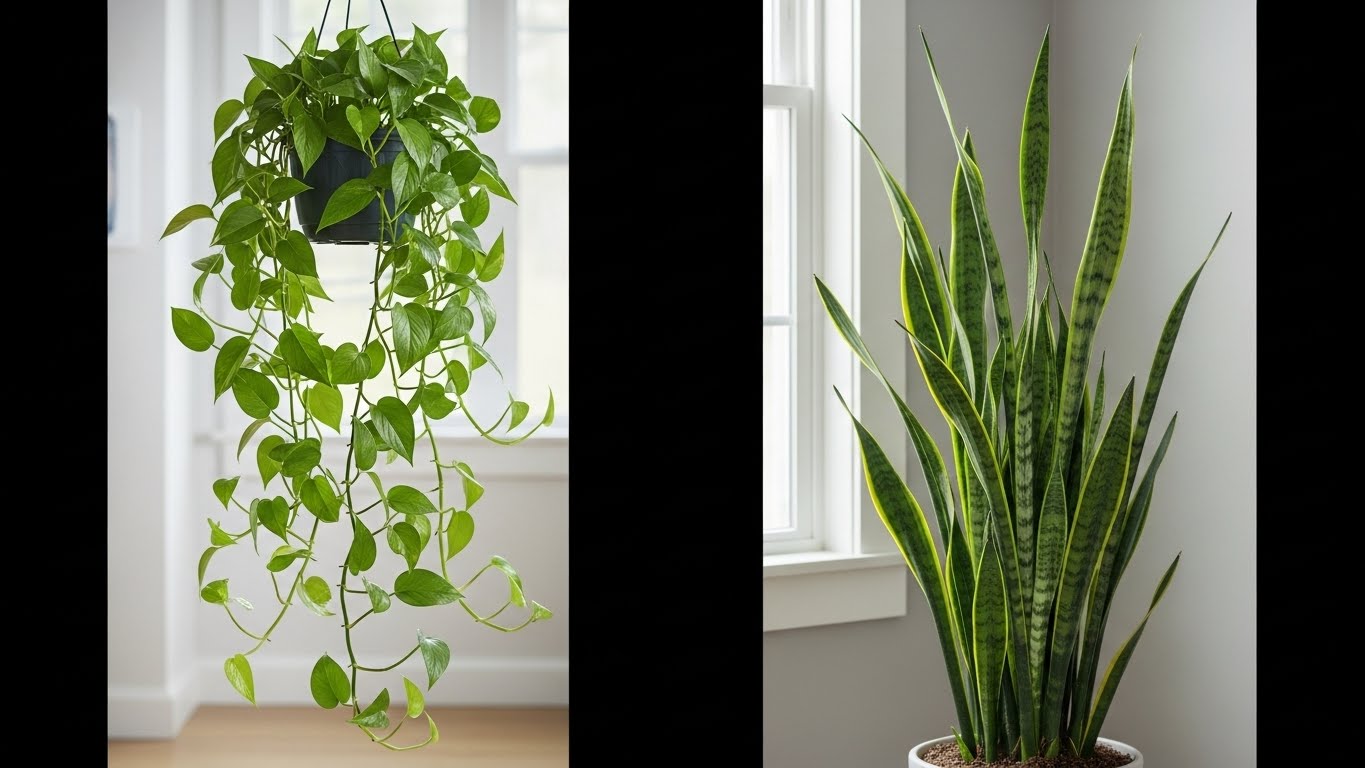
If you’re wondering which grows faster between vining and upright philodendrons, vining varieties typically take the lead! They reach impressive heights in just one growing season by stretching for sunlight and thriving in bright, indirect light. With proper care, these plants can fill your space with lush greenery quickly. On the other hand, upright types grow well too but at a slower pace. Keep exploring to discover tips and tricks for maximizing your plants’ growth!
Overview of Philodendrons
💡 If you’re looking to enhance your garden without breaking the bank, this article offers invaluable insights.
➜ Discover proven techniques
Philodendrons are like the stars of the houseplant world, boasting over 500 species that belong to the Araceae family.
You’ll find that these plants come in two main types: vining and self-heading. Vining Philodendrons, with their elegant tendrils, are perfect for hanging baskets, creating a stunning cascade of greenery that adds life to your space. They tend to have longer node spacing, making them easy to propagate, which is a fun project for any plant lover.
On the other hand, self-heading varieties grow upright and have thicker trunks, offering a different aesthetic. Both types are low-maintenance and thrive in bright, indirect light, so you can enjoy their beauty with minimal effort.
The Growth Habits of Vining Philodendrons
When you look at vining philodendrons, you’ll notice their amazing growth patterns that let them stretch out and climb, reaching impressive heights in just one growing season.
With the right light and humidity, these plants can grow several feet and sprout new leaves from their nodes, making them great for filling up space quickly.
Plus, if you give them a little trim now and then, you can encourage bushier growth and create even more stems, maximizing their potential!
Growth Patterns Explained
Vining philodendrons are fascinating plants that showcase remarkable growth patterns as they stretch toward sunlight and climbing supports.
These vining plants exhibit rapid growth, often adding several inches each week when given the right conditions. As they grow, they trail and extend their long stems, sprouting new leaves from nodes, creating a lush, vibrant display.
You might notice that their longer node spacing allows for easier propagation through cuttings, making them a favorite among plant lovers. If you hang them in a hanging basket or let them climb, their vertical growth can truly thrive.
With proper care, like adequate light and humidity, your vining philodendrons will quickly fill your space, bringing life and energy to your home.
Propagation Techniques Overview
Understanding how to propagate vining philodendrons can be an exciting adventure for any plant enthusiast.
To start, take a vine with at least 4-5 leaves, cutting just above a node. Place this cutting in water, and watch as roots develop over 2-3 weeks, ideally reaching around 2-3 inches before you transfer it to soil.
Vining varieties are easier to propagate than self-heading types due to their longer node spacing. To boost your success, maintain proper humidity levels and consider using clear containers for better visibility.
Remember to change the water weekly to keep it fresh, promoting healthy root growth. With these techniques, you’ll soon have new plants to enjoy!
The Growth Characteristics of Upright Philodendrons
Upright philodendrons, like the Bird of Paradise and Dracaena, are fascinating plants that can bring a touch of tropical flair to your home.
These striking varieties typically grow several inches each month during the active growing season, reaching heights of 3 to 10 feet. With their thick main stems and shorter node spacing, they offer a compact growth pattern that’s perfect for indoor spaces.
As they sprout leaves from the tip, they create a bushy appearance, adding visual interest without needing support structures. Regular pruning is essential to manage their height and encourage branching, which helps enhance foliage density and overall health.
Caring for these plants can truly transform your living space into a lush paradise!
Factors Influencing Growth Rate
When you think about why some plants grow faster than others, a few key factors come into play, like light exposure, nutrient availability, and their growth habits.
Vining plants, for instance, often thrive in bright, indirect light, while upright plants might need more direct sunlight to reach their full height.
Light Exposure Requirements
Light exposure plays an essential role in how quickly your plants grow, and this is especially true for vining and upright varieties.
To help you understand their needs, here are three key points to take into account:
- Vining plants thrive on bright, indirect light to promote rapid growth, often reaching up to 10 inches a month.
- Upright plants can adapt to lower light conditions, but their growth rate slows, averaging around 6 inches a month if light is inadequate.
- Both types benefit from consistent light exposure, but vining plants tend to grow faster in well-lit areas, as they naturally climb toward light sources.
Nutrient Availability and Quality
Nutrient availability and quality are fundamental for plant growth, so understanding these factors can help you become a successful gardener.
For vining plants, a nutrient-rich environment is essential; they often need more nitrogen for lush leaf development. In contrast, upright plants thrive with balanced nutrients for strong stems and height.
Soil quality plays an important role, too—well-aerated, nutrient-dense soil promotes faster growth by enhancing root health and nutrient uptake.
You’ll notice vining plants reaching enthusiastically toward light, utilizing resources more efficiently than their upright counterparts.
Regularly fertilizing with a balanced fertilizer can speed up growth, especially for vining plants, which tend to respond quickly to nutrient boosts, impacting flowering and fruiting rates as well.
Growth Habit and Structure
Understanding how a plant grows is like uncovering a secret to its success, especially when comparing vining and upright plants.
Vining plants tend to have a unique growth structure that allows them to soar. Here are a few reasons why vining plants achieve faster growth:
- Climbing Ability: They quickly reach for vertical supports, maximizing light exposure.
- Rapid Leaf Production: Vining plants sprout new leaves from nodes, promoting quicker expansion than upright plants.
- Environmental Adaptation: They adapt better to their surroundings, utilizing nearby structures to climb and thrive.
In contrast, upright plants take longer to establish a stable structure.
Their thicker main stems and branching lead to slower growth.
Light Requirements for Optimal Growth
When it comes to helping your plants flourish, getting their light requirements just right is key. Vining plants thrive in bright, indirect light, which encourages their rapid growth as they reach for supports. You’ll find that these plants flourish best with 12-16 hours of consistent light each day.
💡 Want to accelerate your indoor plants’ growth? This guide breaks down effective methods to achieve just that.
➜ Get the step-by-step guide
On the other hand, upright plants also enjoy bright, indirect light but can handle lower levels, though this may slow their growth. Be cautious with direct sunlight, as both types can suffer from leaf burn if exposed for too long.
Watering Needs for Vining vs. Upright Philodendrons
💡 Stay ahead of the curve with the latest trends in fast-growing plants. Discover the favorites that are making waves this year.
➜ Master this approach
When it comes to watering your philodendrons, understanding the differences between vining and upright varieties is key.
Vining philodendrons generally need more frequent watering—about every 7 to 10 days—since they’ve a larger leaf surface that craves moisture, while upright ones can go a bit longer before needing a drink.
Watering Frequency Differences
Watering your philodendrons can be quite the balancing act, especially when you’re caring for both vining and upright varieties.
Understanding their watering frequency differences is key to keeping them healthy. Here’s a quick guide to help you:
- Vining Philodendrons: Water every 7 to 10 days since their longer stems dry out faster.
- Upright Philodendrons: You can water these every 10 to 14 days, as their thicker stems hold moisture better.
- General Tips: Always let the top inch of soil dry out between watering.
Keep an eye on your plants; vining varieties may droop if they’re underwatered, while overwatering can harm both types.
Adjust your routine as needed, especially during seasonal changes!
Soil Moisture Requirements
Soil moisture requirements play a significant role in keeping your philodendrons thriving, especially when comparing vining and upright varieties.
Vining philodendrons usually need their soil to dry out slightly between waterings, typically every 7 to 10 days. You’ll want to guarantee the top inch of soil is dry before giving them a drink.
On the other hand, upright philodendrons can tolerate a bit more moisture thanks to their thicker stems. Both types love well-draining soil, but vining varieties are especially sensitive to overwatering, which can lead to yellowing leaves.
Keep an eye on humidity, too, as vining philodendrons thrive in higher humidity. Using a moisture meter can help you keep track of their needs effectively!
Impact of Growth Style
Understanding how growth style impacts watering needs is vital for keeping your philodendrons healthy and happy. Vining and upright varieties have different requirements, so let’s break it down:
- Vining Philodendrons need watering about every 7 days due to their extended leaves, which increase moisture evaporation. They thrive in slightly humid conditions but can suffer from overwatering, leading to root rot.
- Upright Philodendrons can go up to 10 days or even 2 weeks between waterings, as their denser foliage retains moisture longer.
- Monitoring is important for both styles! Keep an eye on leaf color and soil moisture, as vining plants dry out faster, needing your quick attention.
Propagation Techniques for Faster Growth
When you’re looking to grow your plants quickly, using the right propagation techniques can make all the difference!
For vining plants like Pothos and Philodendrons, taking cuttings from nodes with leaves is your best bet for faster growth. Place these cuttings in water until they sprout 2-3 inches of roots, then transfer them to soil for quick establishment.
Don’t forget to trim your vining plants regularly; this encourages bushier growth by promoting new leaf and stem production.
If you’re propagating upright plants, remember they usually need larger cuttings and more time to root.
To help both types, cover your cuttings with a humidity dome or plastic bag, which keeps moisture in and speeds up root development.
Maintenance Practices for Each Type
Maintaining vining and upright plants involves a few distinct practices that can help them thrive in your home.
To guarantee both types grow well, you’ll want to focus on these key maintenance practices:
1. Light and Humidity: Vining plants love bright, indirect light, while upright ones need adequate light to strengthen their central stem.
Keep humidity levels up for both!
2. Support Structures: Vining plants need something to climb on, like trellises or poles.
Upright plants might require staking as they grow taller.
3. Pruning: Regularly trim vining plants to encourage bushier growth, boosting their growth speed.
Upright plants also benefit from pruning to maintain shape.
Aesthetic Considerations in Plant Selection
Choosing the right plants for your space goes beyond just considering their care needs; aesthetic appeal plays a big role too!
Vining plants, like Pothos and Ivy, offer a beautiful cascading effect, perfect for hanging displays that draw the eye and create a sense of movement. Their ability to climb and spread adds depth to your decor, making them a favorite for vertical gardens.
On the other hand, upright plants, such as Ficus and Bird of Paradise, provide a structured, striking appearance, ideal for adding height and making a statement in corners.
Best Varieties for Rapid Growth
What makes certain plants grow faster than others? When it comes to vining plants, they tend to take the lead!
If you’re looking to add some rapid growth to your collection, consider these varieties:
- Pothos – This beautiful vining plant can stretch several feet in just a few months, thriving in various light conditions.
- Monstera – Known for its unique leaves, Monstera can also grow quickly, reaching impressive heights when given the right support.
- Philodendrons – While self-heading types grow slower, they can still reach 2-3 feet a year under ideal conditions.
Don’t forget about flowering vines, too!
With the right light and care, you’ll see your vining plants flourish in no time. Happy growing!
Conclusion
In the garden of growth, vining and upright Philodendrons each dance to their own rhythm, with vining often leading the charge in speed. As you nurture your green companions, remember that light, care, and patience are the keys to revealing their potential. Whether you choose the cascading vines or the proud upright stems, both types can flourish beautifully with the right attention. So, immerse yourself in your plant journey, and watch as your Philodendrons thrive and transform your space!
💡 Looking for quick results with your indoor plants? This article showcases the best fast-growing varieties for immediate impact.
➜ Explore advanced methods


