When it comes to watering succulents, pouring is usually better than misting. Pouring directly waters the roots, helping them grow strong and healthy. Misting can increase humidity, but it doesn’t provide the deep moisture succulents crave. Check your plants for signs of needing water, like wrinkled leaves or dry soil. Remember, better to underwater than overwater! Want to know more about the best practices for different succulent types? Stick around!
Key Takeaways
- Misting can enhance humidity and leaf health but does not replace deep soil moisture needed for root growth.
- Pouring water directly ensures deep hydration, promoting strong root development while keeping leaves dry to prevent mold.
- Monitor soil moisture by checking for dryness; succulents prefer infrequent watering to avoid root rot.
- Adjust your watering technique based on environmental conditions and specific succulent types for optimal care.
- Use well-draining soil and pots with drainage holes to prevent water pooling and promote healthy root systems.
Understanding Succulent Water Needs

When it comes to caring for succulents, understanding their water needs is key to keeping them healthy and happy. You’ll want to pay close attention to soil moisture; it’s essential for your plants’ root health. Succulents thrive in well-draining soil, which helps prevent water from pooling around their roots. When you water, do so deeply but infrequently—this encourages roots to grow strong and search for moisture. Check the soil before watering; if it feels dry a couple of inches down, it’s time for a drink. Remember, overwatering can lead to root rot, so be cautious. By understanding their unique needs, you’ll create a cozy, thriving environment for your beautiful succulents. Additionally, the soak and dry method is an effective technique that ensures proper moisture levels without risking overwatering.
The Benefits of Misting Succulents
Have you ever wondered how a simple misting can benefit your succulents? Misting techniques can be a game-changer for these resilient plants. By increasing humidity levels, you help create a more welcoming environment, especially if your home is dry. This added moisture can boost your succulents’ growth, making them healthier and more vibrant. Misting also helps dust particles settle on the leaves, allowing them to breathe better. Plus, it can be a fun way to connect with your plants! Just remember to mist lightly, ensuring the moisture doesn’t sit too long, as that can lead to problems. With a little practice, you’ll see how effective misting can be in nurturing your beloved succulents.
The Drawbacks of Misting Succulents
While misting succulents can seem like a quick fix for keeping them hydrated, there are several drawbacks you should consider. First, misting doesn’t provide the deep moisture your plants really need; instead, it only creates a thin layer of moisture on the surface. This can lead to misting drawbacks like inadequate hydration, leaving your succulents thirsty. Additionally, frequent misting can encourage unwanted mold and rot, especially if water lingers on leaves. Succulents thrive in well-drained soil, and too much moisture retention from misting can disrupt that balance. You might think you’re helping, but over time, your plants may suffer. It’s best to stick to a watering method that guarantees thorough hydration for your beloved succulents.
The Advantages of Pouring Water
One of the best ways to keep your succulents happy and healthy is by pouring water directly onto the soil. This method promotes efficient hydration, allowing the roots to soak up moisture where they need it most. With proper pouring techniques, you can guarantee that water reaches deeper into the soil, encouraging strong root growth. Plus, pouring helps prevent mold and mildew by keeping the leaves dry, which is super important for your plant’s health. You’ll also find that pouring allows you to control the amount of water more easily, reducing the risk of under or over-watering. So, grab your watering can, and let the plants drink up; they’ll thank you for it!
The Risks of Overwatering With Pouring
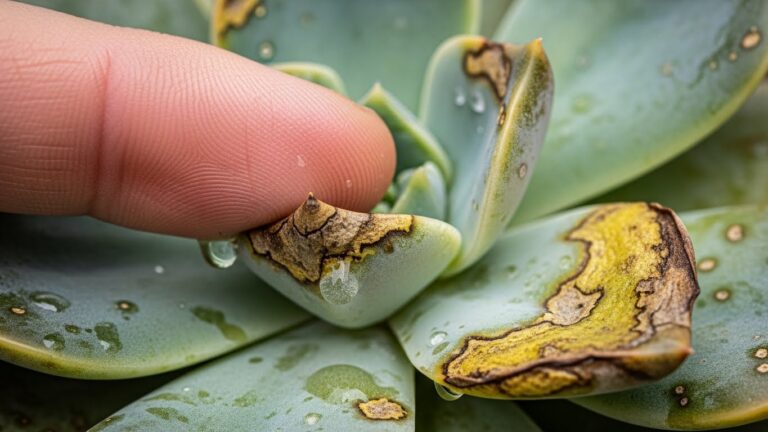
Even with the benefits of pouring water directly onto the soil, there’s a significant risk of overwatering your succulents if you’re not careful. Overwatering can lead to serious issues like root rot, and you definitely don’t want that for your plants. Watch for these overwatering symptoms to keep your succulents healthy:
Symptoms | Causes | Solutions |
|---|---|---|
Yellowing leaves | Too much water | Reduce watering |
Wilting or drooping | Poor drainage | Improve soil drainage |
Mushy stems | Root rot | Repot in fresh soil |
Foul smell | Bacterial growth | Remove affected roots |
Leaf drop | Stress from overwatering | Adjust watering schedule |
How to Determine When to Water
Determining when to water your succulents can feel tricky, but it doesn’t have to be! Start by checking for watering signs. Look for wrinkled leaves or a shriveled appearance, as these indicate your plant needs hydration. Another great way to assess your succulents is by examining the soil moisture. Stick your finger about an inch deep into the soil; if it feels dry, it’s time to water! Remember, succulents prefer drier conditions, so it’s usually better to underwater than overwater. Keeping an eye on your plants after watering helps you learn their specific needs, and soon you’ll feel confident in your ability to care for them. Happy watering!
Best Practices for Misting Succulents
Misting your succulents can be a great way to boost their health and keep them hydrated without overdoing it. You’ll want to know how often to mist and the benefits it brings, like helping to maintain humidity and preventing pests. Let’s explore the best practices for misting, so your plants can thrive!
Benefits of Misting
When it comes to caring for your succulents, misting can be a game changer. This simple technique not only helps maintain humidity effects that your plants crave, but it also allows you to provide a gentle, invigorating burst of moisture. By using effective misting techniques, you can create a microenvironment that encourages growth and prevents stress. Misting is especially beneficial if you live in dry climates, where your succulents might struggle to absorb enough moisture from the air alone. Plus, it can help keep dust at bay, ensuring your plants can breathe better. Just remember, it’s all about balance; too much misting can lead to problems. Embrace misting as a nurturing touch for your beloved succulents!
Misting Frequency Guidelines
To keep your succulents happy and thriving, it’s important to establish a misting routine that meets their unique needs. Here are some misting frequency guidelines to help you out.
Day of the Week | Misting Technique | Humidity Levels |
|---|---|---|
Monday | Light misting | Low (30-40%) |
Wednesday | Moderate misting | Moderate (40-60%) |
Friday | Heavy misting | High (60-80%) |
Saturday | Light misting | Low (30-40%) |
Sunday | No misting | N/A |
Effective Pouring Techniques for Succulents
Pouring water on your succulents can be an art form that guarantees these resilient plants thrive. To master effective pouring techniques, start by using a watering can with a narrow spout. This way, you can direct water precisely where it’s needed. Aim for the base of the plant, allowing the soil to soak up moisture without wetting the leaves, which can lead to rot. Remember to use slow, steady pours, letting the water absorb before adding more. Experiment with different watering methods, like checking the soil’s dryness first; if it’s dry an inch down, it’s time to water. With practice, you’ll create a routine that guarantees your succulents flourish, bringing vibrant life to your space!
Tailoring Your Approach to Different Succulent Types
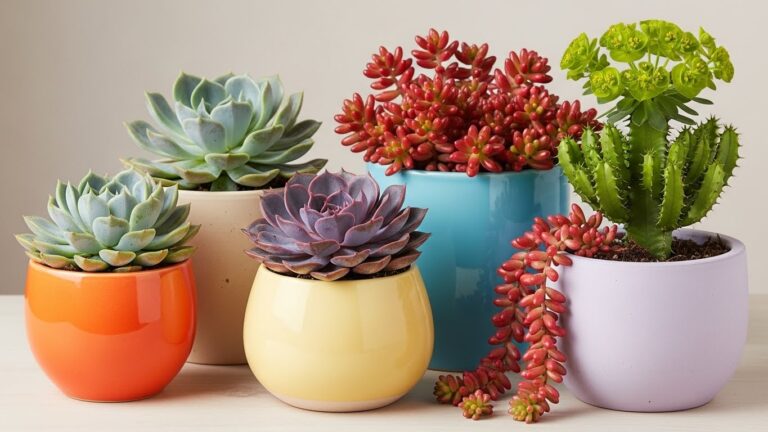
Understanding that not all succulents are created equal is essential for keeping your plants healthy and vibrant. Different specific succulent species have unique needs based on their environmental conditions. Here’s how to tailor your watering approach:
Not all succulents are the same; understanding their unique needs is key to thriving plants.
- Cacti: They thrive in hot, dry climates, so watering should be infrequent, allowing the soil to dry out completely.
- Aloe Vera: This succulent enjoys a bit more moisture but still needs a well-draining pot. Water when the top inch of soil is dry.
- Echeveria: These love bright light and should be watered deeply but less often, ensuring you avoid soggy soil.
Conclusion
In conclusion, choosing between misting and pouring water for your succulents depends on their specific needs. While misting can feel like a revitalizing spa day for your plants, pouring provides deeper hydration. Just remember, succulents don’t need a lot of water—think of them as the “cacti” of the plant world! So, get to know your green friends, observe their signs, and you’ll soon be a succulent watering pro, keeping them happy and thriving.