
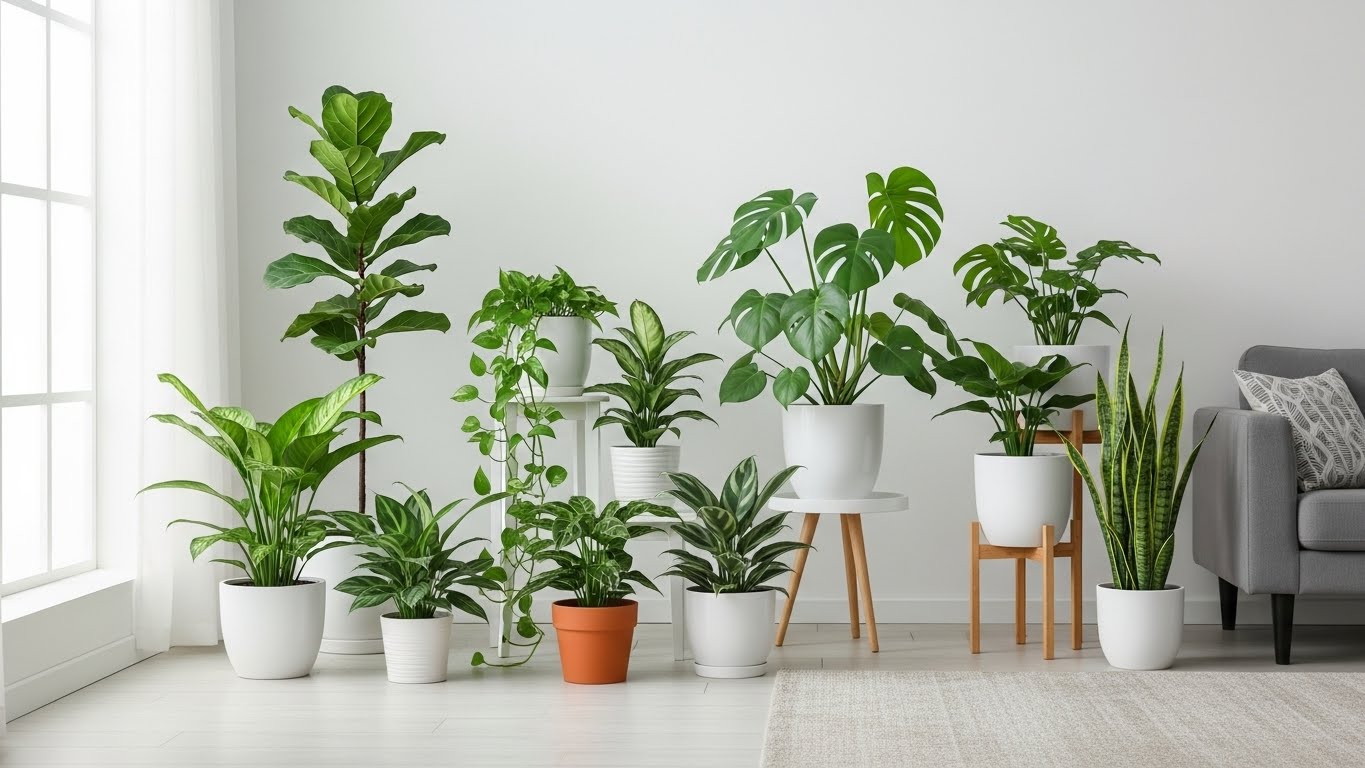
Yes, houseplants can attract bugs, but don’t worry! Common pests like spider mites and aphids love warm, humid environments. You might spot tiny webs, sticky leaves, or yellowing foliage—these are signs of trouble. Overwatering can worsen the issue, creating soggy soil that pests adore. Keeping your plants healthy with proper care, like using well-draining soil and regular inspections, will help you avoid infestations. Keep going to discover more tips on pest prevention and plant care!
Understanding Pests Commonly Found in Houseplants
💡 Understanding how to prevent root rot can save your houseplants from pests and diseases.
➜ Discover proven techniques
When you bring houseplants into your home, you might not realize that you’re also inviting a few unwelcome guests along for the ride. Understanding common pests is essential for keeping your plants healthy and thriving. You might encounter spider mites, aphids, or mealybugs, which can wreak havoc on your green friends. Pest identification starts with observation; look for tiny webs, sticky residue, or white cottony patches.
To tackle these issues, you can use insecticidal soap or neem oil, which are gentle yet effective solutions. Regular checks and a bit of care can help you catch problems early, ensuring your plants flourish without the interference of these pesky invaders. Your houseplants deserve a loving, bug-free environment!
Factors That Attract Bugs to Houseplants
Houseplants can attract bugs for a variety of reasons, and knowing these factors can help you keep your green companions safe. One major element is plant nutrition; if your plants are over-fertilized or starving for nutrients, they can become vulnerable to pests. Bugs love a buffet of weak or unhealthy plants! Environmental conditions also play a big role. High humidity and warm temperatures create a perfect habitat for pests. If you’ve got stagnant air or excess moisture, it’s like throwing a welcome party for bugs. Additionally, overcrowded plants can trap moisture, making them more appealing. By understanding these factors, you can create an environment that’s not just thriving for your plants but also a bug-free zone!
Signs of a Pest Infestation
Detecting a pest infestation early can save your houseplants from serious harm, so it’s essential to know the signs. Keep an eye out for common infestation symptoms like yellowing leaves, sticky residue, or tiny webs—these could indicate spider mites, one of the pesky pest types. You might also notice small holes in the leaves, which could point to aphids or caterpillars munching away. Don’t forget to check for discolored spots or a sooty mold, which can signal a larger pest problem, often linked to mealybugs or scale insects. By staying vigilant and acting quickly, you can help your beloved plants thrive and avoid the chaos of a full-blown infestation. Happy gardening!
The Connection Between Overwatering and Bugs
Overwatering your plants not only leads to soggy soil but can also create a welcoming environment for unwanted pests. When you notice overwatering signs, like yellowing leaves or mushy roots, it’s a clear indication that your plant is struggling. Excess soil moisture can attract gnats and other bugs seeking a cozy home. These pests thrive in damp conditions, laying eggs in the saturated soil, which can lead to an infestation. To keep your plants happy and healthy, always check the soil moisture before watering. Stick your finger into the soil; if it feels wet several inches down, it’s time to hold off on that watering can. Your plants will thank you, and so will the bugs!
Choosing Pest-Resistant Houseplants
When it comes to bringing greenery into your home, choosing pest-resistant houseplants can save you a lot of trouble down the line. Some plants naturally fend off bugs better than others, plus you can adopt care strategies that make your plants even less appealing to pests. Let’s explore the best low-pest options, effective plant care tactics, and natural deterrents to keep your indoor garden thriving and bug-free!
Best Low-Pest Options
Choosing pest-resistant houseplants can make your indoor gardening experience much more enjoyable, especially if you want to avoid the hassle of dealing with pesky bugs. Here are some great low maintenance options that are also pest resistant varieties:
Plant Name | Benefits | Care Level |
|---|---|---|
Spider Plant | Air purifying | Low |
ZZ Plant | Tolerates neglect | Very Low |
Snake Plant | Hardy and drought-tolerant | Low |
These plants not only add beauty to your space but also help keep unwanted pests at bay. By selecting these low-pest options, you can create a thriving indoor garden that requires minimal effort and maximizes your enjoyment. Happy planting!
Plant Care Strategies
Keeping your indoor garden free from pests doesn’t just stop at selecting the right plants; it also involves smart care strategies that promote their health and resilience. Start by focusing on plant nutrition; healthy plants are less likely to attract bugs. Use high-quality soil and balanced fertilizers to give them the nutrients they need.
Also, pay attention to humidity levels. Many houseplants thrive in a humid environment, so consider using a humidifier or misting them regularly. This not only keeps your plants happy but also discourages pests that prefer dry conditions. Remember, when you nurture your plants with care, you’re creating a thriving indoor ecosystem that naturally fights off unwanted visitors. So, love your plants, and they’ll love you back!
Natural Pest Deterrents
If you want to keep pests at bay while enjoying a vibrant indoor garden, selecting pest-resistant houseplants can be a game-changer. Start by choosing plants like lavender, rosemary, or basil, which act as natural herbal repellents. These beauties not only smell divine but also help deter unwanted bugs. Consider companion planting, where you mix pest-repelling plants with your favorites to create a harmonious environment. For instance, placing marigolds near your other plants can ward off pesky insects. Don’t forget to regularly check your plants for any signs of trouble, ensuring your indoor garden stays healthy and thriving. With the right choices, you can cultivate a stunning space that’s less prone to pests!
Best Practices for Plant Care
Taking care of your houseplants can be a fun and rewarding experience, but it’s essential to master a few best practices to keep them healthy and thriving. You’ll want to focus on proper watering techniques, ensuring the right soil quality, and implementing effective pest prevention strategies. By paying attention to these key areas, you’ll create a happy environment for your plants while reducing the risk of pesky bugs.
Watering Techniques
Watering your houseplants correctly can make all the difference in their health and growth, and getting the hang of it isn’t as tricky as it might seem. Start by understanding your plants’ needs; different species require varying amounts of water. A good rule of thumb is to establish a watering schedule, checking the top inch of the soil for proper moisture before you water. If it feels dry, it’s time for a drink! Be careful not to overwater, as soggy roots can lead to problems. Always guarantee pots have drainage holes to avoid water buildup. With a little attention and practice, you’ll have thriving plants that bring joy to your space! Happy watering!
Soil Quality
Soil quality is the foundation of healthy houseplants, and it’s essential to choose the right mix for your green friends. Start by ensuring your soil has excellent soil drainage; this helps prevent root rot and keeps your plants happy. A blend of potting soil and organic compost is a fantastic choice because it provides essential nutrients while allowing water to flow freely. When you add organic compost, you’re not just feeding your plants—you’re also improving the soil structure. Remember to check the moisture level regularly, as the right balance keeps your plants thriving. By focusing on soil quality, you’re setting your houseplants up for success, creating a cozy home for them to flourish in with vibrant leaves and strong roots.
Pest Prevention Strategies
💡 Preventing pests is crucial for maintathisng healthy houseplants.
➜ Get the step-by-step guide
Once your houseplants are settled into their ideal soil, it’s time to focus on keeping them safe from pests that can wreak havoc on their health. Start by implementing simple indoor gardening practices. Regularly inspect your plants for any signs of trouble, using pest identification techniques to spot unwanted visitors early. Keeping your plants clean is essential; gently wiping leaves with a damp cloth removes dust and any lurking pests. Additionally, guarantee proper air circulation and avoid overwatering, as stagnant water can attract bugs. Consider introducing beneficial insects, like ladybugs, to your indoor garden, as they can help control harmful pests naturally. With these strategies, you’ll create a thriving, bug-free environment for your beloved plants!
Natural Remedies for Pest Control
💡 Keeping your plants clean is essential to avoid attracting bugs.
➜ Master this approach
When you notice tiny pests scurrying across your beloved houseplants, don’t panic; there are plenty of natural remedies you can try before reaching for chemical solutions. One effective approach is using herbal sprays made from ingredients like garlic or neem oil. Essential oils such as peppermint or tea tree oil can also work wonders. Here’s a quick reference table to help you out:
Remedy | How to Use |
|---|---|
Herbal Sprays | Mix with water, spray on plants |
Essential Oils | Dilute in water, apply with a cloth |
Soap Solution | Combine soap and water, spray gently |
Diatomaceous Earth | Sprinkle on soil, safe for plants |
These remedies are not only gentle on your plants but also effective in keeping those pesky bugs at bay!
Chemical Treatments: When to Use Them
When dealing with pesky bugs on your houseplants, it’s essential to first identify the type of pest infestation you’re facing. Before reaching for chemical treatments, you should always explore natural alternatives, as they’re often safer for both your plants and the environment. If those options don’t work and you find your plants suffering, knowing the right timing for chemical use can make all the difference in keeping your greenery healthy and thriving.
Identifying Pest Infestations
How can you tell if your beloved houseplant has fallen victim to pesky pests? Start by using some simple pest identification techniques. Watch for common pest signs like discolored leaves, sticky residue, or tiny webs. These clues can help you spot trouble before it gets out of hand.
Common Signs | Possible Pests |
|---|---|
Yellowing Leaves | Aphids |
Sticky Residue | Mealybugs |
Webbing | Spider Mites |
Holes in Leaves | Caterpillars |
When you notice these signs, it’s time to take action. While chemical treatments can help, remember to reflect on their impact. Observing your plants closely can make all the difference in keeping them healthy and thriving!
Natural Alternatives First
Before you reach for harsh chemicals to tackle those pesky pests, consider starting with natural alternatives that can be just as effective and gentler on your plants and the environment. Natural insecticides, like neem oil or diatomaceous earth, work wonders against bugs while keeping your plants safe. You might also try organic repellents made from garlic or pepper; these can deter unwanted visitors without harming your green friends. Plus, many of these options are easy to make at home, saving you money and ensuring you know exactly what’s going on your plants. Embracing these natural solutions not only protects your plants but also nurtures a healthier environment for you and your family. So, why not give them a try?
Timing for Chemical Use
While natural alternatives can be a great first line of defense against pests, there are times when chemical treatments become necessary for the health of your houseplants. Understanding chemical timing is essential for treatment effectiveness. Use chemicals when you notice a significant pest infestation or if your plants are showing signs of distress.
Here’s a handy guide to help you decide when to act:
Situation | Recommended Action |
|---|---|
Minor pest presence | Use natural remedies |
Moderate infestation | Consider chemical treatment |
Visible plant damage | Apply chemicals immediately |
Seasonal pest outbreaks | Preventative treatment |
After natural treatments fail | Switch to chemicals |
Using chemicals wisely can help your plants thrive and keep those pesky bugs at bay!
Preventative Measures to Keep Bugs Away
To guarantee your houseplants thrive without the pesky interference of bugs, it’s essential to implement some proactive strategies. Start by creating effective pest barriers, like fine mesh screens, to keep unwanted visitors out. Regularly inspecting your plants helps catch any signs of bugs early, so you can take action before they multiply. Indoor sanitation is just as important; keeping your space clean and free of debris reduces hiding spots for pests. You should also avoid overwatering, as stagnant water can attract insects. Finally, consider using natural repellents like neem oil or insecticidal soap to deter bugs without harming your plants. Following these simple steps will help assure your green friends remain healthy and bug-free, allowing you to enjoy their beauty fully.
The Role of Soil in Pest Attraction
When you think about keeping your houseplants healthy and bug-free, the soil they’re planted in plays a fundamental role that you might not expect. The right soil composition is essential because it influences moisture retention and the nutrients your plants absorb. If your soil contains too much organic matter, it can attract pests like gnats and mold. These bugs thrive in damp environments, so it’s important to find a balance. When you choose a well-draining soil mix, you not only promote healthy roots but also discourage unwanted visitors. Regularly checking your soil for signs of overwatering or decay can help you maintain that balance, keeping your plants thriving and pest-free. Remember, healthy soil equals happy plants!
How to Quarantine New Plants
Bringing new plants into your home can be exciting, but it’s important to remember that they might come with hidden pests. To keep your existing plants safe, try these quarantine methods during the isolation period:
Step | Description | Duration |
|---|---|---|
Inspect | Check for any visible pests or damage | Before bringing in |
Isolate | Place the new plant away from others | 2-4 weeks |
Monitor | Regularly check for pests and health | Every few days |
Treat | Use insecticidal soap if needed | As required |
Following these steps helps guarantee your new green friends cozy up without bringing unwanted guests along. A little patience during this isolation period can save your whole plant collection!
Maintaining a Healthy Indoor Environment
Creating a healthy indoor environment for your houseplants is essential, especially since they thrive on good care and conditions. Start by ensuring your indoor air quality is excellent; this means keeping the air fresh and free from pollutants. You can achieve this by regularly opening windows to let in fresh air or using air purifiers.
Humidity levels are equally important—most houseplants love moisture! To maintain the right humidity, consider using a humidifier or placing a tray of water near your plants. Regularly misting them can help too.
Conclusion
To sum up, while houseplants can attract bugs, understanding their habits can help you keep your plants healthy and pest-free. Did you know that nearly 30% of indoor gardeners face pest issues at some point? By choosing the right plants, monitoring for signs of pests, and maintaining a clean environment, you can enjoy your greenery without unwanted visitors. So, embrace your inner plant parent, and with a little care, your indoor jungle can thrive!
💡 Brown leaves can indicate stress, which may attract pests.
➜ See how to implement this


