
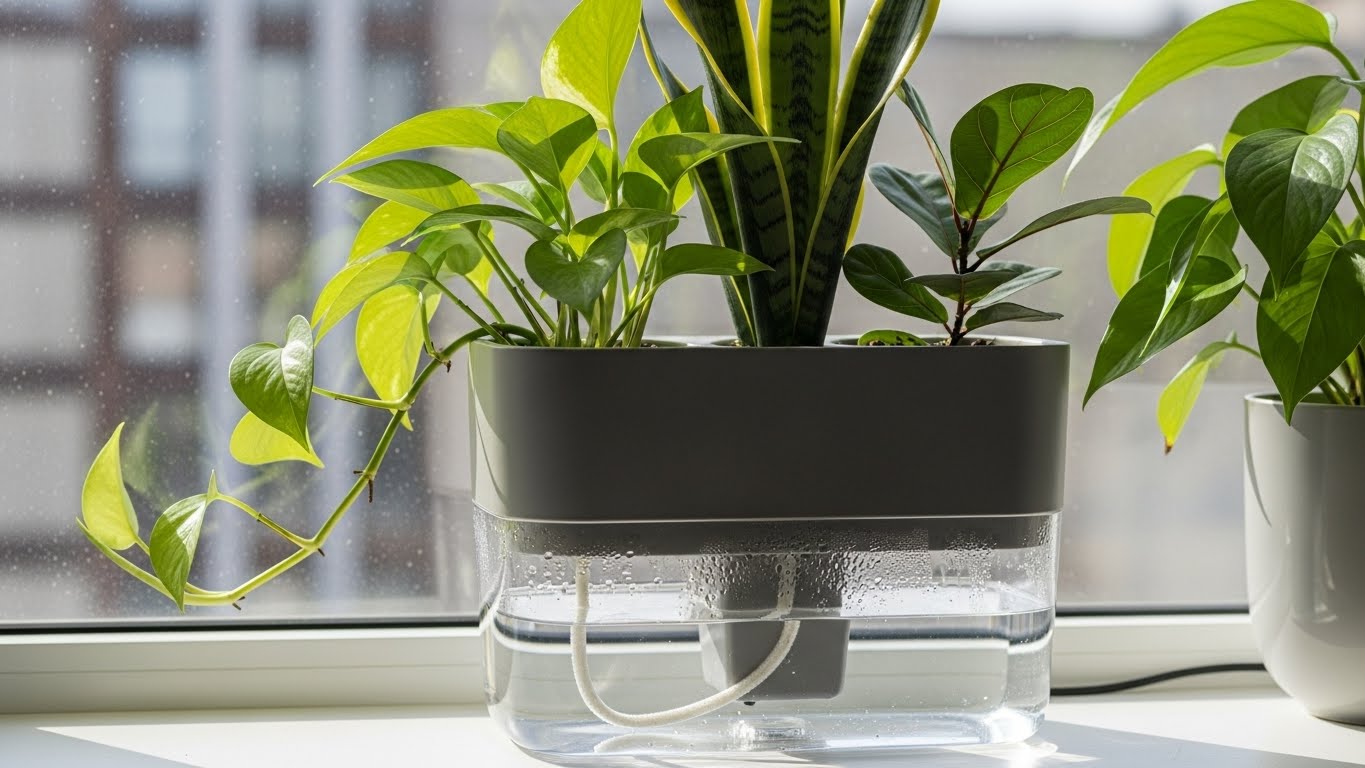
Self-watering pots are definitely beginner-friendly! They help you maintain consistent moisture levels, so you won’t have to stress over watering schedules. Plus, these pots let plants absorb water as needed, which encourages healthy root growth. However, be mindful of overwatering and picking the right plants for your pots. Once you get the hang of checking water levels and maintaining your pots, you’ll find that they actually simplify your gardening experience. There’s so much more to explore about them!
Understanding Self-Watering Pots
💡 Understanding how to properly fertilize your plants can significantly enhance their growth and blooming potential.
➜ Discover proven techniques
Self-watering pots are a fantastic invention for anyone looking to keep their plants healthy without the constant worry of over- or under-watering. These pots have clever self-watering mechanics that work through a water reservoir, allowing your plants to absorb just the right amount of moisture. When the soil dries out, it pulls water from the reservoir below, keeping it consistently hydrated. This means you won’t have to stress about forgetting to water your plants or giving them too much water. Plus, it encourages healthier root growth since plants can access water when they need it. By understanding how these pots function, you can create a nurturing environment for your greenery that thrives effortlessly, making your gardening journey much more enjoyable.
Benefits of Using Self-Watering Pots
Using self-watering pots can really change the way you care for your plants! With consistent moisture levels, you won’t have to worry about overwatering or underwatering, and that means less frequent watering for you. Plus, your plants will thrive, growing healthier and stronger, making your gardening experience even more rewarding!
Consistent Moisture Levels
When you think about keeping your plants healthy, maintaining consistent moisture levels is key to their happiness and growth. Self-watering pots excel at moisture retention, ensuring your plants receive the water they need, even when you’re busy. This means your plants won’t suffer from dry spells or overwatering, both of which can lead to stress or even death. With these pots, you can forget about the anxiety of sticking to a strict watering schedule. Instead, they provide a little reservoir of water that your plants can sip from as needed. Imagine how wonderful it’ll feel knowing your leafy friends are thriving, soaking up just the right amount of moisture, leaving you with more time to enjoy their beauty!
Reduced Watering Frequency
With self-watering pots, you’ll discover a fantastic way to cut down on how often you need to water your plants. These innovative pots help you maintain consistent moisture retention, which means you won’t have to stick to strict watering schedules. Instead of worrying about daily watering, you can enjoy more time with your plants and less stress about their hydration. The built-in reservoir allows your plants to draw water as needed, keeping the soil evenly moist. This not only simplifies your routine but also reduces the risk of overwatering or underwatering. So, whether you’re a busy student or just someone who wants to enjoy gardening without the hassle, self-watering pots make it easy and fun!
Healthier Plant Growth
Self-watering pots are like a magic helper for your plants, promoting healthier growth with less effort on your part. By maintaining consistent moisture levels, these pots support essential growth factors like nutrient absorption and root development, leading to thriving plant health.
Growth Factor | Benefits | Self-Watering Pot Impact |
|---|---|---|
Moisture Regulation | Prevents over/under watering | Keeps soil consistently moist |
Nutrient Uptake | Enhances nutrient absorption | Guarantees roots access nutrients |
Root Development | Supports healthy root systems | Encourages expansive root growth |
Disease Resistance | Reduces stress | Lowers risk of plant diseases |
Overall Growth Rate | Boosts growth speed | Promotes vigorous plant growth |
With a little help from self-watering pots, your plants can flourish like never before!
Potential Challenges for Beginners
Even though self-watering pots can make plant care easier, beginners might face a few challenges that can lead to frustration. One common issue is overwatering; while these pots help regulate moisture, it’s still easy to give your plants too much water if you’re not careful. You might also struggle with plant selection, as not all plants thrive in self-watering pots. Some plants prefer drier conditions, and choosing the wrong one could lead to poor growth. Additionally, you might find it tricky to monitor water levels, especially if you’re new to gardening. Remember, practice makes perfect, so don’t get discouraged! Embrace the learning process, and soon you’ll find your rhythm with your self-watering pots.
💡 Proper watering techniques are essential for the success of self-watering pots.
➜ Get the step-by-step guide
Choosing the Right Self-Watering Pot
When you’re picking out the perfect self-watering pot, size and material are key factors to evaluate. A pot that’s too small can restrict your plant’s growth, while the right material can enhance water retention and airflow. Understanding these elements will help you create a thriving environment for your green friends!
💡 If you have pets, knowing how to safely introduce plants can enhance your home environment without compromising your furry friends.
➜ Master this approach
Pot Size Matters
Choosing the right pot size is vital for your plants’ success, and it can make a big difference in how well they grow. When selecting a self-watering pot, consider both pot depth and plant size. A deeper pot allows roots to stretch and explore, which is critical for larger plants. If you’ve got a small plant, a narrower pot may be ideal to prevent overwatering and guarantee the roots get just the right amount of moisture. Remember, a pot that’s too small can restrict growth, while one that’s too big might lead to soggy roots. So, take your time to match your plant’s needs with the right pot size, and watch them flourish!
Material Benefits Explained
The materials used to make self-watering pots can greatly affect your plants’ health and growth. Choosing the right material types not only impacts pot durability but also how well your plants thrive. Here’s what to evaluate:
- Plastic: Lightweight and affordable, but may not retain heat well.
- Ceramic: Offers great insulation and aesthetic appeal, though it can be heavier and more fragile.
- Terracotta: Breathable and stylish, helping prevent overwatering, yet it can dry out faster.
- Metal: Extremely durable but can heat up quickly, affecting root health.
Maintenance Tips for Self-Watering Pots
Even though self-watering pots make plant care easier, they still need regular maintenance to keep your plants thriving. First, always check the water quality. If you notice any discoloration or odor, it’s time to flush the reservoir with fresh water. Next, don’t forget about fertilizer application. Since self-watering pots can affect nutrient absorption, use a slow-release fertilizer every few months to keep your plants happy and healthy. Also, regularly inspect the soil moisture level; you want it consistently damp but not soggy. Finally, clean the pot’s reservoir and wicking system occasionally to prevent algae growth. By following these tips, you’ll create a nurturing environment for your plants and enjoy the beauty they bring to your space.
Comparing Self-Watering Pots to Traditional Pots
When you think about plant care, you might wonder how self-watering pots stack up against traditional pots. The self-watering mechanism makes it easier to keep your plants hydrated, but there are pros and cons to evaluate.
- Watering Frequency: With traditional watering, you may need to check daily, while self-watering pots can go longer between refills.
- Soil Health: Self-watering pots help prevent overwatering, keeping roots healthy.
- Plant Variety: Some plants thrive better in traditional pots, depending on their water needs.
- Cost: Self-watering pots can be pricier upfront, but they save time and effort in the long run.
Ultimately, choosing between these two options depends on your lifestyle and plant preferences, so pick what feels right for you!
Conclusion
To sum up, self-watering pots can be a great ally for beginners, like a trusty friend on a gardening adventure. They take the guesswork out of watering, allowing you to focus on watching your plants thrive. While there might be a few bumps along the way, with the right choice and care, you’ll see your green thumb flourish. So, plunge into it and let these pots help you cultivate your gardening dreams with ease and confidence!
💡 Identifying and addressing issues like browning leaves can help you maintain healthy plants in self-watering pots.
➜ See how to implement this


