
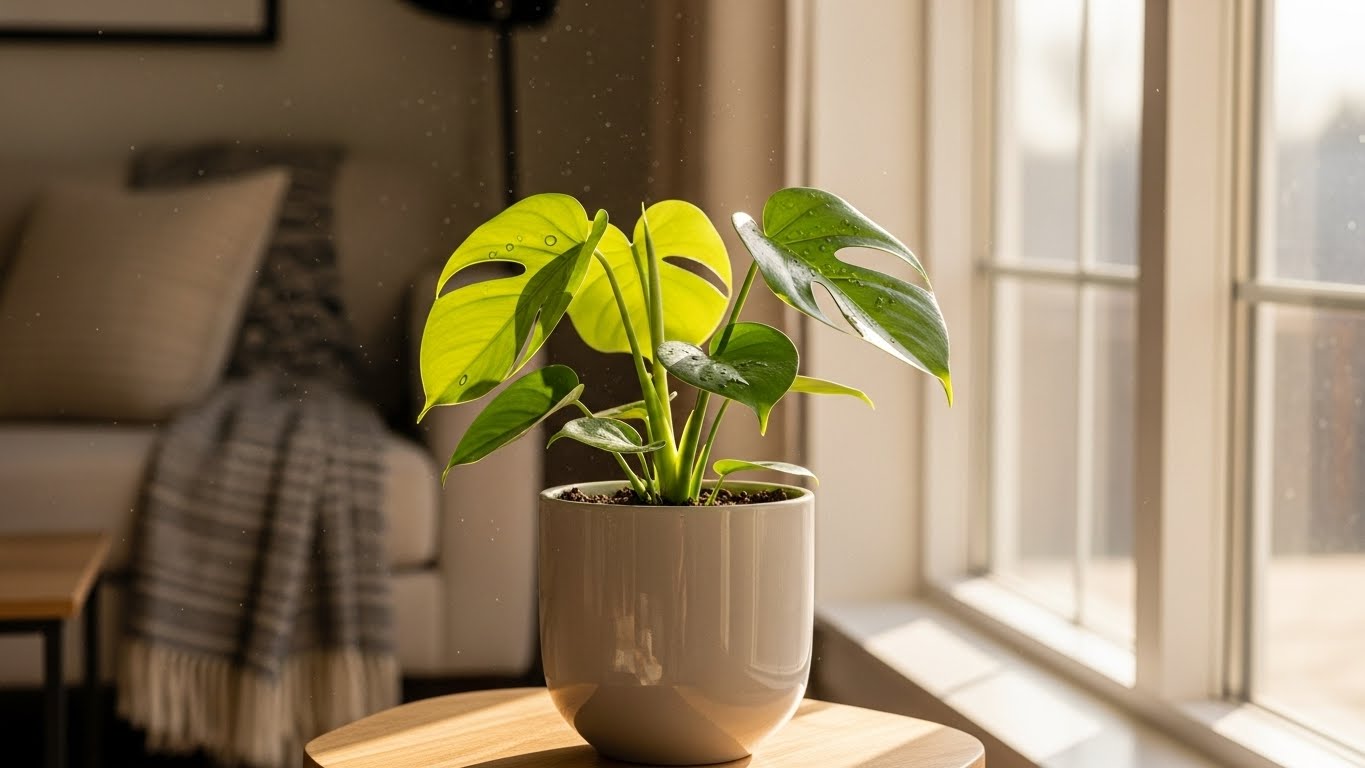
In your first month as a plant parent, you’ll get to know the basics of caring for your green friends. You’ll learn to choose the right plants that fit your space and understand their light preferences. Watering correctly is essential, so you’ll check soil moisture often. Keep an eye out for pests and signs of diseases, plus look into fertilizing for healthy growth. By developing a routine, you’ll build a strong bond, and there’s so much more to discover!
Choosing the Right Plants for Your Space
💡 As you embark on your journey into plant parenthood, it’s essential to know what to expect.
➜ Get the step-by-step guide
When it comes to choosing the right plants for your space, there are a few key factors to take into account that can make a big difference in your plant parent journey. Start with space considerations—how much room do you have? Think about plant size and guarantee it fits your area without overwhelming it. Next, consider light availability; some plants thrive in bright spots, while others prefer shade. Don’t forget about maintenance needs; if you’re a beginner, opt for beginner-friendly varieties that are easy to care for. Finally, factor in your aesthetic preferences; you want plants that make your heart sing! Seasonal choices can also inspire your selections, bringing fresh life to your home year-round.
Understanding Light Requirements
Understanding how much light your plants need is one of the most important steps in ensuring they thrive in your home. Different plants have varying light intensity requirements, so it’s essential to know whether your green friends prefer bright, direct sunlight or softer, indirect light. Observe where you place them; natural light is often best, but don’t worry if that’s not an option! Many plants adapt well to artificial light, especially if you use full-spectrum bulbs. Just remember, too much or too little light can lead to unhappy plants. Check for signs like yellowing leaves or stretching stems to gauge their happiness. By mastering light requirements, you’ll create a warm, welcoming environment for your leafy companions.
Watering: Finding the Right Balance
Finding the right balance in watering your plants can feel like a tricky puzzle, but it’s essential for their health and happiness. To keep your green friends thriving, you’ll need to find the right water frequency. Overwatering can lead to soggy roots, while underwatering can leave them thirsty and wilted. Start by checking the moisture levels in the soil. Stick your finger about an inch deep; if it feels dry, it’s time to water! Aim for a routine that allows the soil to dry out slightly between waterings. Remember, each plant has its own needs, so pay attention and adjust as necessary. With a little practice, you’ll become a watering pro, ensuring your plants flourish in their new home!
Identifying Pests and Diseases
Identifying pests and diseases is essential for keeping your plants healthy, especially during their first month in your care. Regular plant inspection helps you spot common pests like aphids or spider mites and recognize disease symptoms such as yellowing leaves. Once you identify a problem, you can take action quickly. For effective pest control, consider using organic treatments that are safe for your plants and the environment. Implementing integrated management strategies, like combining natural predators with preventive measures, can keep your plants thriving. Remember, disease prevention starts with awareness. The sooner you notice changes, the better equipped you’ll be to protect your green companions. So, keep an eye out and enjoy your plant parent journey!
Fertilizing Your Plants
Fertilizing your plants is a key part of helping them thrive during their first month at home. You’ll want to choose the right type of fertilizer, apply it at the right time, and keep an eye out for signs that you might be overdoing it. With just a little bit of knowledge, you can guarantee your green friends get the nutrients they need to grow strong and healthy!
Types of Fertilizers
When it comes to giving your plants the best chance at thriving, understanding the different types of fertilizers can be a game-changer. You’ve got organic options, like compost and fish emulsion, which are gentle and enrich the soil naturally. These are perfect if you’re looking to keep things eco-friendly. On the other hand, synthetic choices, such as granules and liquid fertilizers, release nutrients quickly, giving your plants an instant boost. They’re convenient, but you’ll want to use them carefully to avoid over-fertilizing. Each type has its benefits, so consider what suits your plants best. Whatever you choose, a little love and the right fertilizer can go a long way in helping your green friends flourish!
Timing Your Application
Timing your fertilizer application can make a big difference in how well your plants grow. Think about the seasons: during spring, your plants are waking up and need extra nutrients to thrive. This is the perfect time for your first application. As summer rolls in, you can give them another boost, but be mindful of the heat; they might need less than in spring. In fall, it’s time to taper off, letting your plants prepare for winter. Consider your plants’ specific needs and growth patterns too, as different species may have unique application timings. By keeping these seasonal considerations in mind, you’ll help your green friends flourish and thrive throughout the year!
💡 Understanding potential issues like root rot can save your plants from distress.
➜ Discover proven techniques
Signs of Over-Fertilization
Over-fertilization can sneak up on even the most dedicated plant parent, leading to problems that may leave your beloved greens looking less than their best. Watch for these over-fertilization symptoms, as they’re essential for your plant’s well-being:
💡 Proper fertilization is key to ensuring your plants thrive and bloom beautifully.
➜ Master this approach
Symptom | Description |
|---|---|
Leaf Burn | Tips of leaves turn brown and crispy |
Wilting | Leaves droop despite moist soil |
Discoloration | Yellowing leaves or dark spots |
Stunted Growth | Growth slows or stops altogether |
Salt Buildup | White crust on soil surface |
If you notice these issues, you might be dealing with nutrient burn. Always remember, less can be more when it comes to loving your plants with fertilizer!
Monitoring Growth and Development
As you start your plant parent journey, keeping an eye on your plant’s growth and development is key to ensuring they’re thriving. You’ll want to track important growth milestones, like new leaves or stems sprouting, and look for signs that show your plant is healthy, such as vibrant colors or sturdy stems. By paying attention to these details, you’ll be better equipped to provide the care your green friends need to flourish!
Growth Milestones to Track
Tracking your plant’s growth milestones during the first month can feel like an exciting adventure, especially as you watch it transform from a tiny sprout into a thriving green companion. Start by noting your plant’s height and leaf count weekly, as these are key indicators of growth progress. Milestone tracking also involves observing changes in leaf color and new growths, which signal your plant’s thriving condition. Don’t forget to document when your plant first unfurls a new leaf or shows signs of branching out. Each small victory is a reason to celebrate, connecting you deeper to your leafy friend. By keeping a simple journal, you’ll cherish these moments and grow alongside your plant. Happy tracking!
Signs of Healthy Development
When you’re caring for your plant, spotting signs of healthy development can be just as thrilling as watching it grow. To keep your plant thriving, pay attention to these key indicators:
- Leaf Color: Look for vibrant greens; dull or yellow leaves may signal stress or nutrient issues.
- Stem Strength: A sturdy, upright stem shows your plant’s liveliness, while a weak or bent stem could indicate trouble.
- New Growth: Fresh leaves or stems sprouting are excellent signs that your plant is happy and healthy.
- Root Health: If you can, check the roots; they should be white and firm, not brown and mushy.
Creating a Care Routine
Creating a care routine for your new plant isn’t just important—it’s the key to helping it thrive and grow. Start by developing a plant schedule that outlines watering, fertilizing, and repotting needs. Your plant will appreciate consistency, so stick to this routine as closely as possible.
Make a care checklist to keep track of important tasks. This could include checking soil moisture, inspecting leaves for pests, and adjusting light exposure. Don’t forget to observe your plant’s reactions; they’ll guide you in fine-tuning your care. With a little love and attention, you’ll build a strong bond and watch your plant flourish. Embrace the journey, and enjoy the rewarding experience of nurturing your green companion!
Conclusion
As you plunge into your first month of plant parenthood, imagine your living space transforming into a lush, vibrant oasis. By choosing the right plants, mastering their care, and nurturing them with love, you’ll witness them thrive and grow, filling your home with life. Stay observant and curious, adjusting your routine as needed, and soon you’ll feel like a true plant expert. Embrace this adventure, and watch as your green companions flourish right before your eyes!
💡 Brown leaves can be a sign of stress or improper care, and knowing how to address this can save your plant.
➜ See how to implement this


