
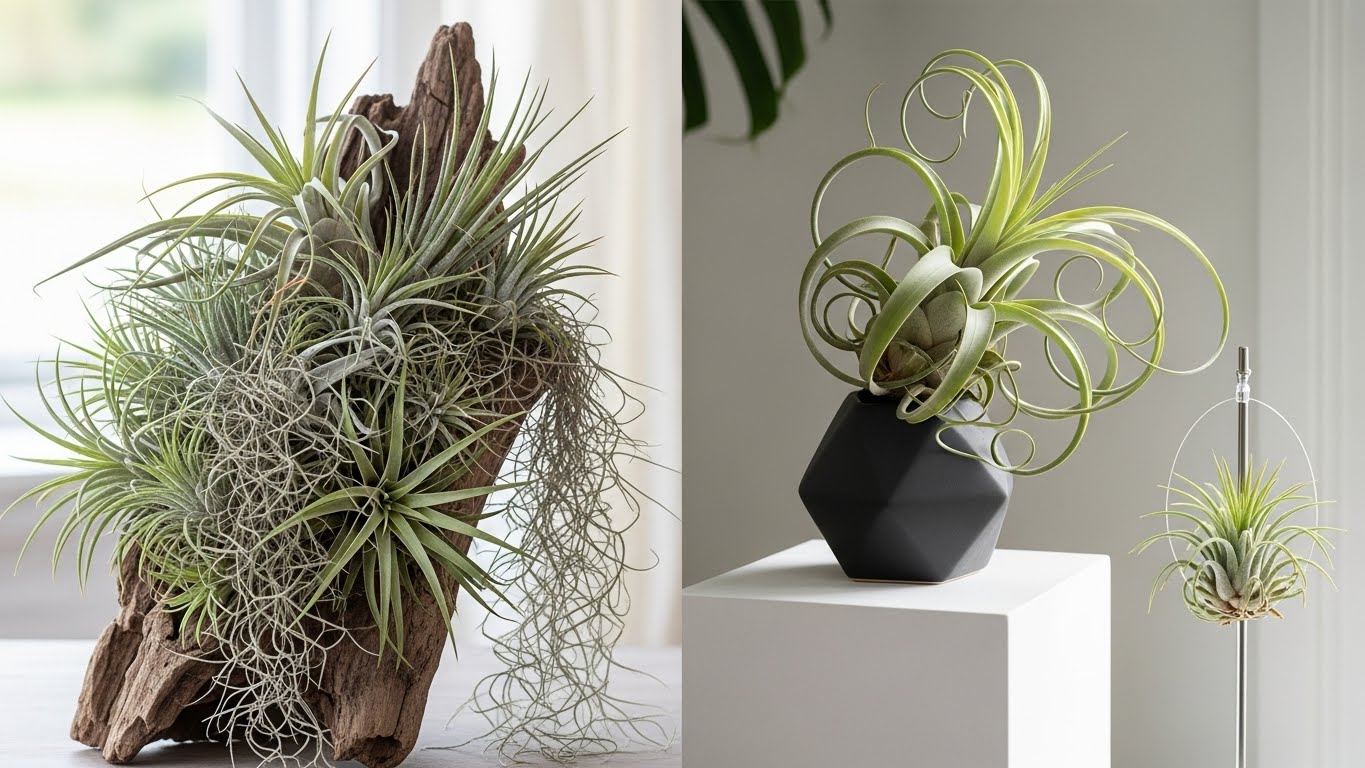
When comparing NASA-approved plants to air purifiers, each has distinct benefits for improving indoor air quality. Plants like spider plants and peace lilies naturally filter toxins, enhancing your space’s beauty. However, air purifiers work faster, using HEPA filters to capture dust and allergens with minimal upkeep. While plants need watering and sunlight, air purifiers just require occasional filter changes. Choosing what’s right for you depends on your lifestyle and preferences, so keep exploring your options!
The Science Behind NASA-Approved Plants
When you think about cleaning the air in your home, you might picture high-tech machines, but did you know that some plants can do the job too? NASA’s research shows that certain indoor plants can effectively purify the air, making your space healthier. When it comes to plant selection, consider options like spider plants, peace lilies, and snake plants. These green friends not only look great but also absorb harmful pollutants, creating a fresher atmosphere. Indoor gardening can be a fun way to improve air quality while adding a touch of nature to your home. Plus, caring for plants can be a rewarding hobby, bringing you closer to nature and enhancing your living space in the process.
How Air Purifiers Work
Air purifiers are amazing devices that help clean the air you breathe by removing harmful particles and pollutants from your home. They work by drawing in air, filtering it, and releasing cleaner air back into your space. Most air purifiers use several filters, including HEPA filters, that capture dust, pet dander, and tiny allergens, improving your air quality greatly. Some models even use activated carbon to tackle odors and volatile organic compounds, reducing indoor pollution. By cycling air in your home, air purifiers make it fresher and healthier, creating a more comfortable environment for you and your loved ones. With regular use, you’ll notice the difference in how you feel and breathe!
Benefits of Using Plants for Air Purification
While you might think of plants as mere decorations in your home, they actually offer fantastic benefits for air purification. These green companions work tirelessly to improve your indoor environment, filtering out harmful toxins and releasing natural air. With a little plant maintenance—like watering and occasional pruning—they can thrive while making your space healthier.
Plants like spider plants and peace lilies are especially effective, absorbing pollutants and providing you with cleaner air to breathe. Plus, they add a touch of nature’s beauty to your life, creating a calming atmosphere. So, if you want to enhance your home’s air quality, consider welcoming a few plants into your space. You’ll be amazed at how much they can do for you!
Advantages of Air Purifiers Over Plants
Although plants can certainly improve indoor air quality, air purifiers offer several distinct advantages that make them an appealing choice for many households. First, air purifiers typically provide quicker and more efficient air cleaning, filtering out allergens, dust, and pollutants faster than plants can. They also require less maintenance; you won’t need to water, prune, or repot anything. Plus, with modern models, you can easily monitor air quality through built-in sensors and adjust settings accordingly. With regard to cost efficiency, investing in an air purifier can save you money in the long run by reducing health issues linked to poor air quality. Overall, air purifiers give you a hassle-free way to breathe cleaner air without the upkeep that comes with plants.
Making the Right Choice for Your Home
When it comes to improving the air quality in your home, choosing between NASA-approved plants and air purifiers can feel overwhelming. Both options have their perks, so let’s break it down. If you love a lively home environment, plants not only purify the air but also add beauty and a sense of calm. However, keep in mind that plant maintenance requires regular watering, sunlight, and sometimes, extra care. On the other hand, air purifiers are hassle-free, needing just a filter change. Think about your lifestyle—do you have the time for plant care, or would you prefer the convenience of an air purifier? Ultimately, the right choice depends on what fits best into your daily routine and enhances your space.
Conclusion
To sum up, whether you choose NASA-approved plants or air purifiers, both options can effectively clean your air. While plants add beauty and a touch of nature to your home, air purifiers offer high-tech efficiency. However, it’s a myth that plants alone can replace modern air purifiers; they work best together! So, why not enjoy the best of both worlds? Keep your space fresh and healthy by combining the charm of greenery with the power of technology.


