
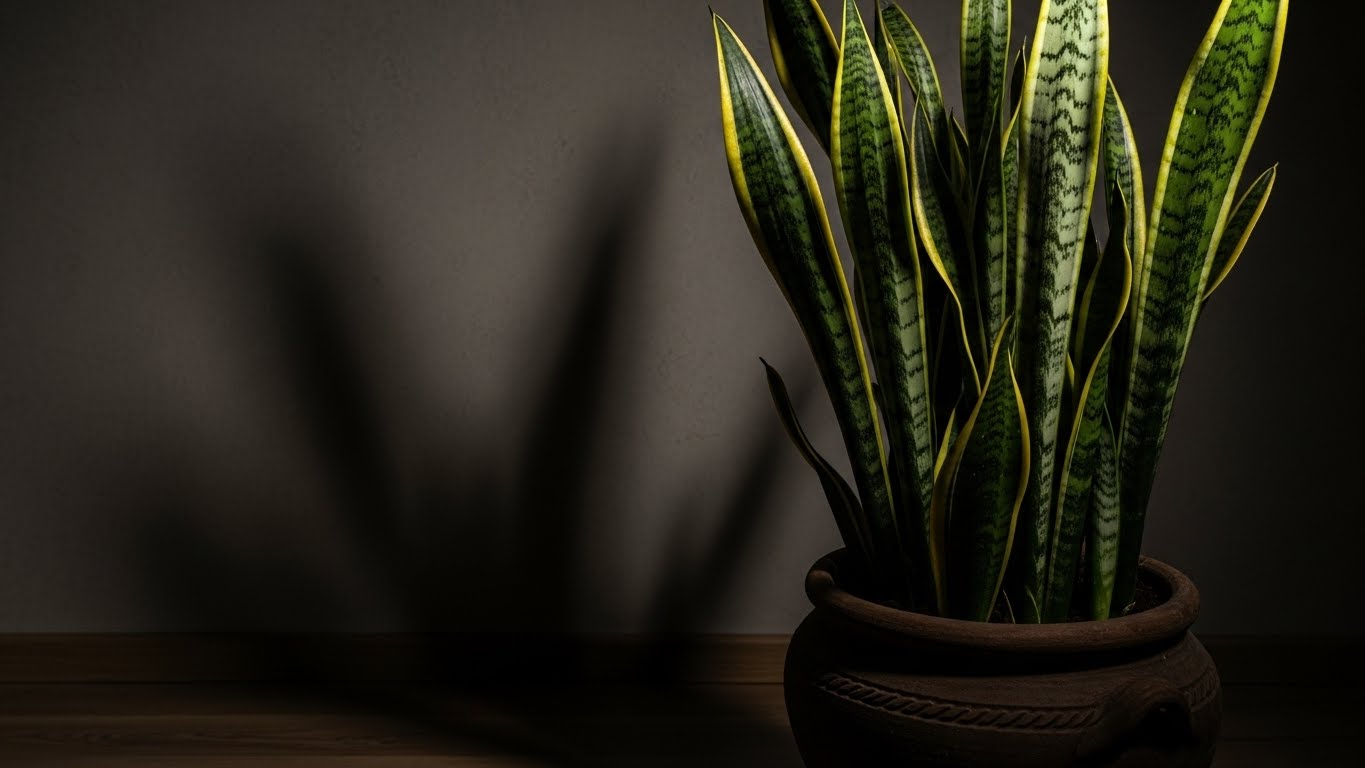
Snake plants are pretty adaptable and can tolerate low-light settings, but they thrive best in bright, indirect light. If you keep them in dim spaces for too long, they might lose their vibrancy and grow lanky. It’s essential to find a balance, giving them some light while watering sparingly and using well-draining soil. Plus, dusting the leaves helps them soak up light better. Want to know more tips for keeping your snake plant healthy?
Understanding Snake Plant Light Requirements
When it comes to understanding snake plant light requirements, you’ll be glad to know these hardy plants are among the most adaptable houseplants out there! They thrive in various light intensities, from bright indirect light to low-light environments. You might even be surprised that your snake plant can handle lower light levels while still looking beautiful. For ideal growth, consider the plant placement; a spot near a window with filtered sunlight works wonders. However, if your space is dim, don’t worry! Just make sure it’s not completely dark, as snake plants prefer some light. Remember, a little experimentation with placement can help you discover the perfect spot for your leafy friend to flourish. Happy planting!
The Adaptability of Snake Plants in Different Environments
Snake plants are amazing because they thrive in all sorts of environments, making them a great choice for any space. You’ll find that they can tolerate low light, grow well even in less-than-ideal conditions, and bounce back from neglect like champions. This adaptability not only makes them easy to care for but also allows them to bring a touch of green to your home, no matter where you place them!
Tolerance to Low Light
Even if your home doesn’t get a lot of sunlight, you can still enjoy the beauty of houseplants, thanks to the incredible adaptability of certain species. Snake plants thrive in low light, making them perfect for cozy corners. With the right plant placement, you can create a green oasis. Here’s how they handle low light intensity:
- They can survive in dimly lit rooms, like your bedroom or hallway.
- They’re perfect for spaces with indirect sunlight, such as an office.
- You can even place them near artificial light sources, and they’ll be happy.
- Their unique leaves add a striking touch to any environment.
Growth in Varied Conditions
While many plants struggle to adapt to different environments, the remarkable versatility of these hardy houseplants makes them stand out. Snake plants are champions of growth patterns, thriving in a range of conditions. They can handle bright light, but their true magic lies in their light tolerance; they do just fine in low light, too. This adaptability means you can place them in various spots around your home—whether it’s a sunny windowsill or a dim corner. You’ll notice that their leaves might grow taller in bright conditions, while in lower light, they might stay shorter but still flourish. With snake plants, you don’t have to worry about finding the perfect spot; they’ll adapt and grow beautifully wherever you choose to put them.
Resilience to Neglect
When you’re busy or sometimes forgetful about plant care, you’ll be glad to know that these resilient houseplants can handle a bit of neglect. Snake plants have impressive neglect tolerance, making them perfect companions for your hectic life. Here are some resilience factors that showcase their adaptability:
- Drought Resistance: They thrive even if you forget to water them for weeks.
- Low Light Survival: Snake plants can grow in dim corners where other plants struggle.
- Temperature Flexibility: They tolerate a range of temperatures, from warm rooms to cooler spaces.
- Pest Resistance: They’re less prone to pests, reducing the need for constant care.
With these qualities, you can enjoy a beautiful green friend without the stress of constant attention!
Signs of a Happy Snake Plant in Low Light
When you care for a snake plant in low light, you’ll start to notice some clear signs that it’s thriving. Healthy leaf growth, vibrant colors, and steady water uptake are all great indicators that your plant is happy and adapting well to its environment. Keep an eye out for these signs, and you’ll know you’re doing a fantastic job!
Healthy Leaf Growth
Healthy Leaf Growth is one of the most exciting signs that your snake plant is thriving, even in low light conditions. You’ll know your plant’s leaf health is on point when you notice these growth patterns:
💡 If you’re curious about plants that thrive in medium light, this article will guide you through colorful choices that can enhance your indoor garden.
➜ Discover vibrant options for medium-light spaces
- New Shoots: Fresh leaves emerging from the soil show it’s happy and adapting well.
- Thicker Leaves: Healthy, plump leaves indicate the plant is storing nutrients effectively.
- Steady Growth: Consistent leaf development over time means it’s finding its groove, even in dim spots.
- Sturdy Structure: Strong, upright foliage reveals that your snake plant is resilient, standing tall despite the lower light.
Keep an eye out for these signs, and you’ll feel a deeper connection with your green companion!
Vibrant Leaf Color
💡 For those looking to diversify their low-light plant collection, this article highlights various options that can flourish in similar conditions as snake plants.
➜ Explore plants that thrive in low-light
Vibrant leaf color is another fantastic indicator that your snake plant is thriving, even in those low-light corners of your home. When you notice those vibrant hues of green, or even hints of yellow or white in the leaf patterns, it’s a sign your plant is happy! A healthy snake plant will display rich colors, telling you it’s adapting well to its environment.
Leaf Color | Meaning | Action Needed |
|---|---|---|
Deep Green | Thriving | Keep it up! |
Light Green | Needs More Light | Move to brighter spot |
Yellow | Overwatering | Reduce watering |
Brown Edges | Underwatering | Increase watering |
Variegated | Very Happy | Enjoy its beauty! |
Cherish those colors—they reflect your care!
Steady Water Uptake
Keeping an eye on how much water your snake plant drinks can reveal a lot about its happiness, especially in low-light conditions. By monitoring its water needs, you can maintain a perfect moisture balance, ensuring your plant thrives. Here are some signs to look for:
- Firm Leaves – They should feel sturdy and plump, not limp or shriveled.
- Growth – New leaves sprouting means your plant’s satisfied.
- Color – Vibrant green leaves signal a healthy hydration level.
- Root Health – Gently check the roots; they should be white and firm, not mushy.
Common Misconceptions About Snake Plants and Lighting
Many people believe that snake plants can thrive in any lighting condition, but that’s not entirely true. While it’s a common myth that these plants love darkness, they actually prefer bright, indirect light for ideal growth. Relying solely on low light can lead to leggy growth and a lack of vibrancy. You might think that any dim corner is a cozy home for your snake plant, but this misconception can hinder your plant care efforts. Snake plants can adapt to lower light levels, but it’s important to understand that they won’t flourish. So, if you want your green friend to thrive and show off its stunning leaves, give it the right lighting balance—your plant will thank you!
Tips for Caring for Snake Plants in Low-Light Conditions
Although snake plants can survive in low-light conditions, giving them a little extra care can make a big difference in their health and appearance. Here are some tips to keep your snake plant thriving:
- Water Sparingly: Only water when the top inch of soil feels dry; overwatering can rot the roots.
- Choose the Right Soil: Use well-draining soil, like cactus mix, to meet your snake plant’s soil requirements.
- Rotate Your Plant: Rotate it every few weeks to encourage even growth, especially if it’s leaning toward the light.
- Dust the Leaves: Wipe the leaves occasionally to help them absorb more light and look fresh.
With these simple steps, your snake plant will flourish, even in the shadows!
Comparing Snake Plants With Other Low-Light Houseplants
When it comes to low-light houseplants, snake plants stand out for their resilience and unique appearance, but they aren’t the only green companions that can thrive in dim conditions. You might also consider pothos or ZZ plants as low-light alternatives. Pothos vines are forgiving, growing long and lush even in shadowy corners, while ZZ plants have glossy leaves that shine in low light.
Each plant has its perks—snake plant benefits include air purification and drought tolerance, while pothos is great for its rapid growth. If you’re looking for variety, mixing these plants can create a stunning indoor jungle. So, whether you choose snake plants or other low-light buddies, you can enjoy vibrant greenery without needing tons of sunlight!
Conclusion
To summarize, snake plants are indeed low-light friendly and can thrive in less-than-ideal lighting conditions. You might think they need bright sunlight to flourish, but their unique adaptability makes them perfect for various environments. Just keep an eye on their watering and guarantee they have good drainage. With a little care, your snake plant can be a vibrant addition to your home, proving that even in the shade, it can shine bright!
💡 If you’re struggling with plant choices in a windowless area, this article offers great suggestions for low-light plants that can thrive in such environments.
➜ Get ideas for windowless spaces


