When growing snake plants indoors, expect a steady growth rate under the right conditions. With bright, indirect light and proper watering, you’ll see new leaves sprouting in about four weeks. These resilient plants thrive best in well-draining soil and temperatures between 60°F and 80°F. Just remember to watch for signs of yellowing leaves from overwatering or brown tips from underwatering. Stick around, and you’ll discover more tips for keeping your snake plant happy and healthy!
Key Takeaways
- Snake plants typically show initial growth within 4 weeks under optimal conditions, with steady growth continuing throughout the spring and summer months.
- Bright, indirect sunlight is essential for active growth; too much direct sunlight can harm the leaves, while low light slows growth.
- Watering when the top inch of soil is dry prevents root rot; adjust frequency during winter to avoid overwatering.
- A well-draining soil mix, such as cactus mix with sand or perlite, is crucial for healthy root development and nutrient absorption.
- Ideal indoor temperature for snake plants is between 60°F and 80°F, with humidity levels of 40% to 60% promoting optimal growth.
Understanding Snake Plant Growth Patterns
When you plunge into the world of snake plants, you’ll quickly discover that their growth patterns are fascinating and unique. These resilient plants boast remarkable growth habits, adapting well to various conditions. You might notice their long, upright leaves reaching for light, creating a striking appearance in any space. When it comes to propagation techniques, you can easily multiply your snake plants by dividing their rhizomes or using leaf cuttings. Just cut a leaf into sections, let them dry for a day, and plant them in soil. You’ll find that watching them grow and flourish is incredibly satisfying, connecting you with nature in a special way. With patience and care, your collection can expand beautifully! Additionally, snake plants thrive in bright, indirect sunlight, which is essential for promoting active growth and new leaf production.
Average Growth Rate of Snake Plants Indoors
When you grow snake plants indoors, you’ll find that their growth can really surprise you! With the right conditions, like bright, indirect light and well-draining soil, you can expect them to grow steadily throughout the year. Understanding their ideal environment and what growth timelines to expect will help you keep your snake plant thriving and looking its best.
Ideal Growing Conditions
To help your snake plant thrive and reach its full potential, you’ll want to create ideal growing conditions that support its natural growth rate. Snake plants love bright, indirect light, so placing them near a window where they get some sun is perfect. However, they can also tolerate low light, making them great for darker spaces. When it comes to humidity levels, snake plants prefer drier air, so you don’t need to worry about misting them. Just keep them in a well-draining potting mix, and you’ll be on the right track. Remember, these hardy plants can adapt, but giving them the right light and humidity will help them grow stronger and more vibrant. Enjoy nurturing your green friend!
Growth Timeline Expectations
Understanding the growth timeline expectations for your snake plant can be both exciting and rewarding, especially as you watch it flourish in its new home. Generally, you’ll notice growth milestones occurring throughout the year, influenced by seasonal variations. Here’s what you can expect:
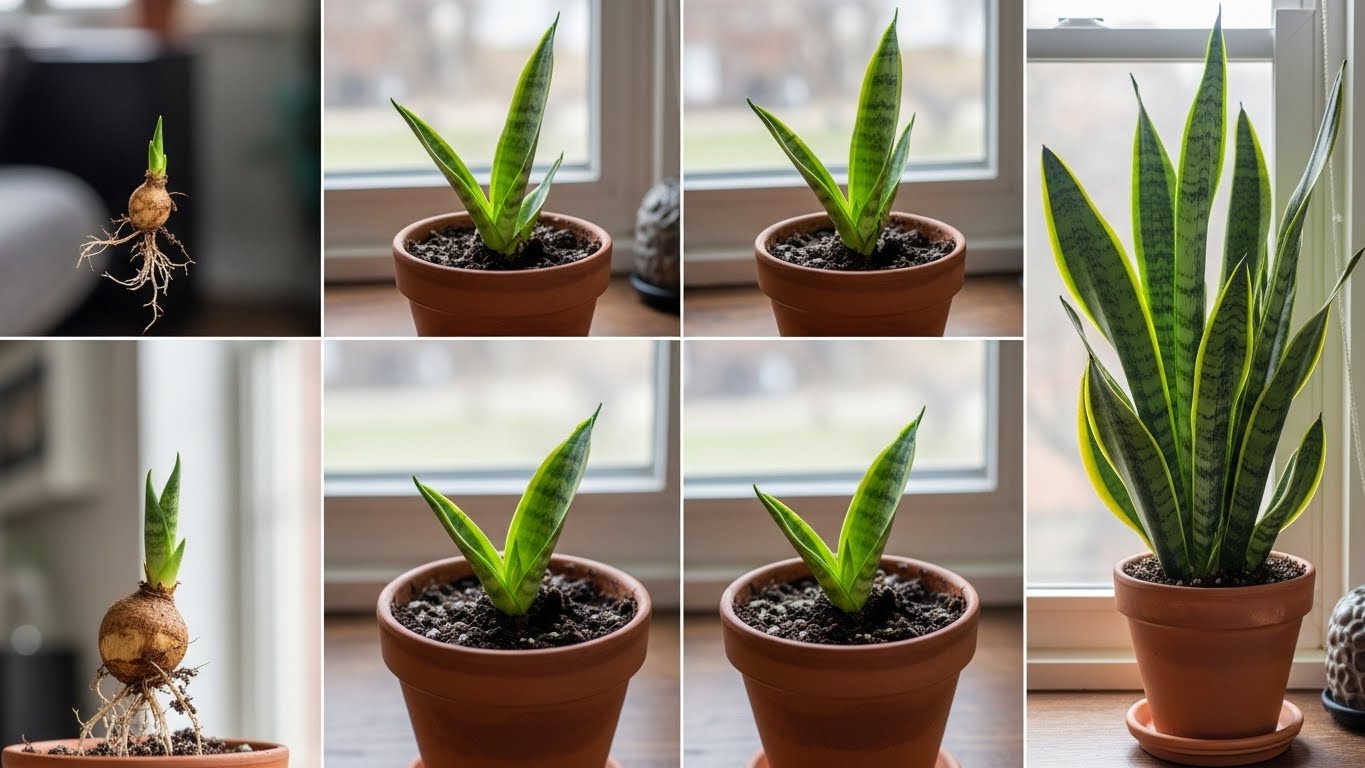
- Initial Growth (Weeks 1-4): Leaves start to perk up and grow stronger.
- First New Leaves (Months 2-3): You might see your first new leaf unfurl, a sign of happiness.
- Peak Growth (Spring-Summer): Growth accelerates; expect multiple new shoots.
- Slowdown (Fall-Winter): Your plant takes a breather, focusing on root health.
- Maintenance (Ongoing): Regular care and observation guarantee continued vigor.
Factors Influencing Growth Speed
When it comes to your snake plant’s growth speed, several key factors play a big role. You’ll want to pay attention to light conditions, how often you water, and the quality of the soil you use, as each of these elements can greatly affect how quickly your plant thrives. Understanding these factors will help you create the best environment for your snake plant to flourish!
Light Conditions Impact
Light plays an essential role in the growth rate of your snake plant, often making the difference between a sluggish sprout and a thriving green marvel. To guarantee your plant flourishes, consider the following aspects of light conditions:
- Light intensity: Bright, indirect light works wonders for growth.
- Light duration: Aim for 12-14 hours of light per day.
- Natural vs. artificial light: Both can boost growth, but natural light is preferable.
- Seasonal changes: Your plant may need more light during winter months.
- Placement: Position your snake plant near a window for ideal exposure.
Watering Frequency Importance
Watering your snake plant at the right frequency can greatly impact how quickly it grows. To achieve that ideal moisture balance, you’ll want to understand your plant’s needs. Snake plants thrive on infrequent watering, so be careful not to overdo it. Watering techniques like checking the soil moisture with your finger can help you determine when it’s time to hydrate. Generally, letting the soil dry out between waterings encourages healthy root development. Remember, too much moisture can lead to root rot, slowing down growth. By mastering your watering frequency, you’ll give your snake plant the best chance to flourish and show off its vibrant leaves, bringing life to your space. Happy planting!
Soil Quality Effects
Soil quality plays an essential role in how quickly your snake plant grows, as the right mix of nutrients and drainage can make all the difference. You want to guarantee you’re using the best soil types to achieve a healthy nutrient balance. Consider these factors when choosing your soil:
- Drainage: Well-draining soil prevents root rot.
- Texture: A mix of sand and potting soil works wonders.
- Nutrients: Look for soil enriched with organic matter.
- pH Level: Slightly acidic to neutral soil is ideal.
- Aeration: Good airflow around roots promotes growth.
Ideal Light Conditions for Optimal Growth
When it comes to helping your snake plant thrive, finding the right light conditions is key. These plants love bright, indirect sunlight, which creates the perfect light intensity for their growth. Too much direct sunlight can burn their leaves, while too little light can stunt their growth.
Here’s a quick guide to help you understand light preferences:
Light Level | Ideal Conditions | Growth Impact |
|---|---|---|
Low Light | Near a north-facing window | Slow growth |
Medium Light | East or west-facing window | Steady growth |
Bright Indirect Light | Filtered sunlight or a few feet away from a window | Best growth |
Keep an eye on your plant’s leaves—they’ll tell you if they’re happy or not!
Watering Practices for Healthy Development
To keep your snake plant thriving, understanding how to water it properly is essential. You want to provide just the right amount of ideal hydration without falling into the trap of overwatering effects. A few key practices will help you achieve this balance:
- Water only when the top inch of soil feels dry.
- Use a pot with drainage holes to prevent root rot.
- In winter, reduce watering frequency; your plant needs less moisture.
- Always use room-temperature water to avoid shocking the roots.
- Keep an eye out for yellowing leaves, a sign of too much water.
Soil Requirements for Snake Plants
To keep your snake plant thriving, you need to pay attention to its soil requirements. The right soil composition is essential for proper drainage and helps maintain the ideal pH level. By understanding these factors, you’ll set your snake plant up for success and watch it grow beautifully!
Soil Composition Essentials
Although snake plants are known for their hardiness, the right soil composition is essential for their growth and health. You’ll want to guarantee a good balance of soil types that provide the necessary nutrients. Here’s what to look for in your potting mix:
- Well-draining components: like perlite or pumice
- Cactus or succulent soil: designed to prevent sogginess
- Organic matter: for that nutrient balance, like compost
- Sand: for extra drainage and aeration
- Lightweight ingredients: to keep roots happy and healthy
Drainage Considerations
When you’re setting up your snake plant for success, drainage is a crucial factor that can’t be overlooked. Poor drainage can lead to root rot, which can quickly turn your thriving plant into a sad sight. Start by choosing a pot with drainage holes, as this helps excess water escape, keeping your plant happy. For the best drainage solutions, consider using a well-draining soil mix, like one with sand or perlite, to allow moisture to flow through easily. Remember, your pot selection matters too! A terracotta pot is a great option, as it absorbs excess moisture, preventing water from lingering around those precious roots. By prioritizing drainage, you’re helping your snake plant flourish beautifully indoors.
Ph Level Preferences
Getting the soil right is just as important as ensuring proper drainage for your snake plant. One key factor is the pH balance of the soil, which should ideally be between 6.0 and 7.0. This range helps with nutrient absorption, ensuring your plant thrives. Here are some considerations to keep in mind:
- Sandy soil promotes excellent drainage.
- Cactus mix can provide the right texture.
- Organic matter boosts nutrient levels.
- Mulch can prevent moisture loss.
- Testing kits help you check pH levels easily.
When you pay attention to these details, your snake plant will be healthier and more vibrant. So, take a moment to nurture your plant’s soil, and watch it flourish!
Temperature and Humidity Considerations
To guarantee your snake plant thrives, understanding the right temperature and humidity levels is essential. These factors play a significant role in its growth, so let’s break it down:
Temperature Ranges | Ideal Humidity Levels | Notes |
|---|---|---|
60°F to 80°F | 40% to 60% | Tolerates lower humidity |
65°F to 75°F | 30% to 50% | Prefers stable warmth |
70°F to 85°F | 45% to 55% | Avoid drafts and extremes |
50°F to 90°F | 20% to 70% | Can adjust but thrives in the sweet spot |
Keeping your snake plant in these conditions guarantees it flourishes. Remember, it’s all about finding that perfect balance—your plant will thank you with vibrant, healthy leaves!
Fertilizing Your Snake Plant
Once your snake plant is comfortably settled in its ideal temperature and humidity, it’s time to think about feeding it. To keep your plant thriving, consider these fertilizer types and their application frequency:
- Liquid Fertilizers: Easy to mix and ideal for quick nourishment.
- Slow-Release Fertilizers: Provide a steady supply of nutrients over time.
- Organic Fertilizers: Gentle and earthy, perfect for a natural boost.
- Balanced NPK Fertilizers: Offer a mix of essential nutrients for overall health.
- Diluted Fertilizers: Light mixtures guarantee you don’t overdo it.
Feed your snake plant every 4-6 weeks during the growing season. With the right care, your plant will reward you with vibrant leaves and a lovely presence in your space!
Signs of Healthy Growth
When you notice your snake plant thriving, it’s a sure sign that it’s growing healthy and strong. One of the first things to look for is vibrant leaf coloration. If your leaves are deep green with a hint of yellow or white stripes, you’re on the right track! Healthy leaves indicate that your plant is getting enough light and nutrients.
Another vital aspect is root health. Gently checking the roots can reveal a lot; they should be firm and white rather than brown or mushy. If the roots are thriving, your plant will continue to flourish. So, keep an eye on those stunning leaves and roots, and you’ll feel a sense of pride knowing your snake plant is doing well!
Common Growth Issues and Solutions
Even with all the signs of healthy growth, your snake plant might run into some common issues that can hinder its progress. If you notice leaf discoloration or other concerns, it’s crucial to act quickly. Here’s what to look for and how to handle it:
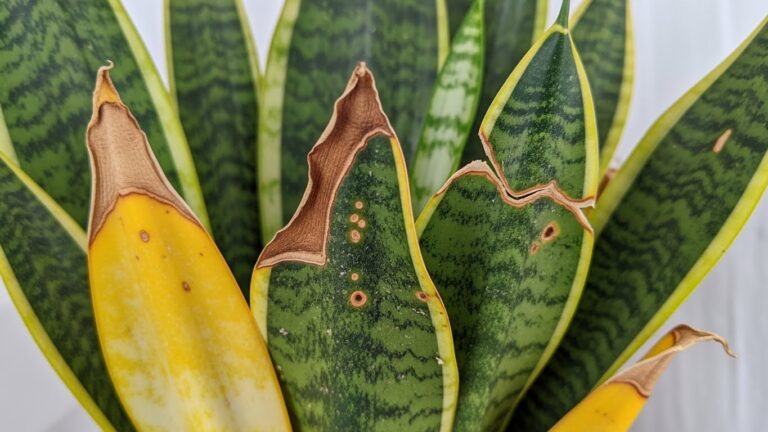
- Yellowing leaves: This could mean overwatering; let the soil dry out.
- Brown tips: It might be under-watered; give it a drink.
- Pest infestations: Keep an eye out for mealybugs or spider mites—your pest control measures should include wiping leaves with soapy water.
- Stunted growth: Check if it’s root-bound; consider repotting.
- Fading colors: Verify it’s getting enough light, but not too much direct sun.
With a little care, your snake plant can thrive beautifully!
Conclusion
So, as you nurture your snake plant, imagine its vibrant, green leaves reaching for the sky, growing taller and stronger each day. With the right light, water, and care, you’ll see it flourish before your eyes. Just picture the satisfaction of watching your plant thrive, a lively companion in your home. Stay attentive to its needs, and you’ll reveal the secrets of its growth, turning your indoor space into a mini jungle of health and beauty.