
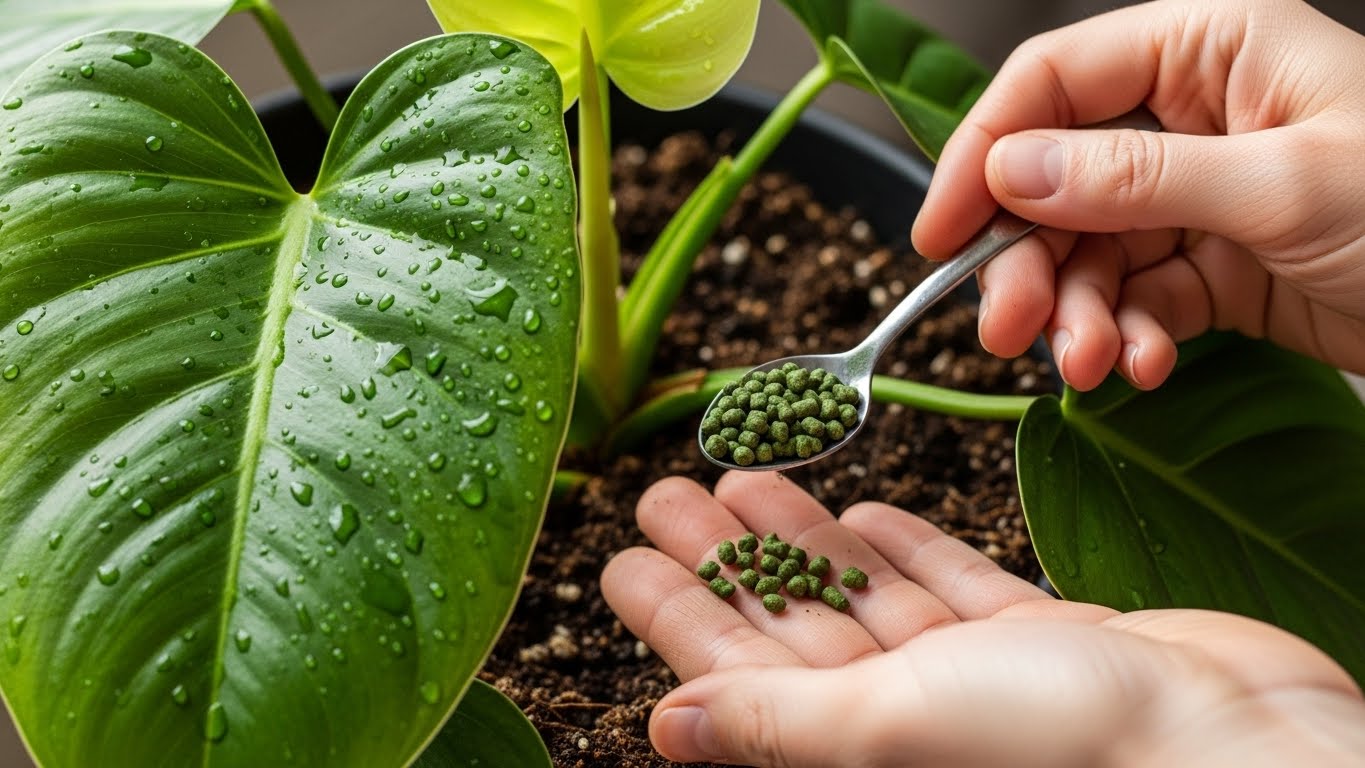
To guarantee your indoor philodendron thrives, use high-quality fertilizers like Miracle-Gro for a balanced boost, FoxFarm for an organic option, or Dyna-Gro for quick nutrient absorption. Liquid fertilizers are great for fast uptake, while granular and slow-release types nourish over time. Be sure to fertilize during spring and summer every 4-6 weeks, but cut back in winter. Watch for signs of over-fertilization, like yellowing leaves. Discover more tips for keeping your plants healthy and vibrant!
Key Takeaways
- Organic fertilizers like FoxFarm enhance soil health and promote vibrant growth, making them ideal for philodendrons.
- Synthetic options like Miracle-Gro provide fast nutrient absorption for quick results, but use cautiously to avoid nutrient burn.
- Liquid fertilizers such as Dyna-Gro offer complete nutrition and quick absorption, perfect for regular feeding.
- Slow-release fertilizers like Osmocote supply nutrients gradually, ensuring consistent feeding throughout the growing season.
- Compost and worm castings are excellent alternative nutrient sources that enrich soil and support healthy philodendron growth.
Understanding the Nutritional Needs of Philodendrons
Understanding the nutritional needs of Philodendrons is essential if you want your indoor plants to thrive. These beautiful greens require a balanced diet to grow strong and healthy. When the soil pH isn’t just right—ideally between 5.5 and 7—you might notice signs of nutrient deficiencies. Yellowing leaves or slow growth can signal your plant isn’t getting enough nitrogen, potassium, or phosphorus. Regularly checking your soil’s pH can help you keep these nutrient levels balanced. To encourage lush growth, consider using a well-rounded fertilizer that matches your Philodendron’s needs. Remember, a happy plant is a healthy plant, so pay attention to its dietary requirements, and you’ll be rewarded with vibrant leaves and beautiful growth!
Types of Fertilizers for Indoor Plants
When it comes to feeding your indoor plants, you’ll find that choosing the right type of fertilizer can make a big difference in their growth. You can opt for organic fertilizers, which offer natural benefits, or synthetic options that provide an instant nutrient boost. Plus, you’ll want to contemplate whether a slow-release formula or a liquid fertilizer best suits your Philodendron’s needs, so let’s explore these choices together!
Organic Fertilizers Benefits
Organic fertilizers offer a fantastic way to nourish your indoor Philodendron plants while promoting a healthier environment. These natural options provide essential nutrients that encourage natural growth, helping your plants thrive. When you choose organic fertilizers, you’re not just feeding your plants; you’re also enhancing soil health. They improve the structure of the soil, allowing it to retain moisture and nutrients better. You’ll notice that your Philodendron develops vibrant leaves and a stronger root system, creating a more resilient plant. Plus, organic fertilizers are generally safer for you and your pets, so you can enjoy your green space without worry. Embrace these eco-friendly choices, and watch your indoor garden flourish!
Synthetic Fertilizers Overview
Synthetic fertilizers can be a game-changer for your indoor Philodendron plants, especially when you’re looking for quick and effective results. These fertilizers contain synthetic nutrients that provide a concentrated source of essential elements like nitrogen, phosphorus, and potassium. Their chemical composition is designed to deliver nutrients directly to the plant, promoting rapid growth and vibrant foliage.
One of the biggest advantages of synthetic fertilizers is their fast-acting nature; you’ll see results in no time! However, you’ll want to be cautious about over-fertilizing, as this can lead to nutrient burn. It’s also crucial to choose the right formula tailored to your Philodendron’s needs, ensuring you help your beautiful plant thrive in its indoor environment.
Slow-Release vs. Liquid
Choosing the right type of fertilizer for your indoor Philodendron can be essential for its health and growth, as each option has its unique benefits. Slow-release fertilizers gradually provide nutrients over time, ensuring a steady nutrient release that feeds your plant without overwhelming it. On the other hand, liquid fertilizers allow for quick absorption, delivering nutrients almost instantly for a burst of growth.
Type | Benefits |
|---|---|
Slow-Release | Gradual nutrient release |
Liquid | Fast liquid absorption |
Easy to apply | |
Ideal for quick growth needs |
Consider your Philodendron’s needs when choosing between these two options. With the right fertilizer, you’ll help your plant thrive beautifully!
Liquid Fertilizers: Quick Nutrient Uptake
When it comes to feeding your indoor Philodendron, liquid fertilizers are a fantastic option because they provide quick nutrient uptake, making it easy for your plant to absorb what it needs. One of the biggest liquid fertilizer advantages is that they deliver nutrients directly to the roots, promoting rapid nutrient absorption. This means your Philodendron can thrive and grow faster than with other types of fertilizers. Plus, you can easily mix them with water, allowing for convenient application. Just remember to follow the instructions for dilution and frequency, as over-fertilizing can harm your plant. Embrace the magic of liquid fertilizers, and watch your beloved Philodendron flourish with vibrant leaves and lush growth!
Granular Fertilizers: Slow-Release Benefits
Granular fertilizers offer a different approach to feeding your indoor Philodendron, focusing on slow-release benefits that can be incredibly advantageous for your plant’s health. With their granular longevity, these fertilizers break down gradually, providing a steady supply of nutrients over time. This means you won’t have to worry about constant reapplication, making your plant care routine simpler and more efficient. As the nutrients are released slowly, your Philodendron can absorb them at its own pace, promoting healthier growth and vibrant leaves. You’ll notice fewer fluctuations in nutrient levels, which can lead to a more robust plant overall. So, if you want to keep your Philodendron thriving with less effort, granular fertilizers are definitely worth considering!
Organic Fertilizers: A Natural Approach
Organic fertilizers provide a natural way to nourish your indoor Philodendron, and they come with some exciting benefits for both your plant and the environment. By using compost tea, you’re giving your plant a nutrient-rich drink that promotes healthy growth and vibrant leaves. This liquid gold is packed with beneficial microorganisms that boost your Philodendron’s immune system.
Worm castings, another fantastic organic option, are like nature’s magic fertilizer. They improve soil structure and increase nutrient availability, helping your plant thrive. Plus, they’re easy to use—just mix them into the soil or sprinkle on top. Embracing organic fertilizers not only nurtures your Philodendron but also supports a healthier planet, making your gardening journey even more fulfilling.
Synthetic Fertilizers: Pros and Cons
While many indoor gardeners lean towards organic options, synthetic fertilizers offer a different set of advantages and drawbacks that can help you make informed choices for your Philodendron. Here’s a closer look at the synthetic advantages and disadvantages you should consider:
- Fast-acting: You’ll notice quick results, as synthetic fertilizers deliver nutrients directly to your plant, promoting faster growth.
- Precise nutrient ratios: You can easily find a formula tailored to your Philodendron’s specific needs, ensuring it thrives.
- Cost-effective: They’re often more affordable, making it easier to keep your plant care budget in check.
However, synthetic disadvantages include potential soil buildup and environmental concerns. With this knowledge, you can choose the best approach for your green companion!
Best Fertilizer Brands for Philodendrons
Choosing the right fertilizer brand can make all the difference in keeping your Philodendron healthy and vibrant. With so many options out there, you’ll want to look at some trusted brands. Here’s a quick comparison to help you make an informed choice:
Brand Name | Key Features |
|---|---|
Miracle-Gro | Fast-acting, balanced NPK |
FoxFarm | Organic, rich in nutrients |
Dyna-Gro | Liquid, complete nutrition |
Osmocote | Slow-release, easy to use |
Advanced Nutrients | pH balanced, premium quality |
These brand reviews showcase various strengths, ensuring you’ll find something that suits your Philodendron’s needs. Don’t forget to check fertilizer comparisons before making your final decision; you’ll be glad you did!
How to Apply Fertilizer to Philodendrons
When it comes to applying fertilizer to your philodendrons, timing and frequency are key to keeping them healthy and thriving. You’ll want to choose the right method, whether it’s diluted liquid fertilizer or slow-release granules, to make sure your plants get the nutrients they need. Let’s explore how often to feed them and the best ways to apply that fertilizer for ideal growth!
Timing and Frequency
How often should you fertilize your indoor Philodendron? Timing and frequency are essential for your plant’s health. Generally, you’ll want to fertilize during the growing season, which is spring and summer. Here’s a simple guide to help you with your fertilizer application:
- Every 4-6 weeks: This frequency guarantees your Philodendron receives consistent nutrients, promoting lush growth.
- During active growth: Pay attention to new leaves. When you see them emerging, it’s a sign to give your plant a nutrient boost.
- Reduce in fall and winter: As your plant slows down, cut back on fertilizer. This helps avoid nutrient buildup, keeping your soil healthy.
Application Methods
With your Philodendron ready to soak up nutrients during the growing season, it’s time to think about how to apply that fertilizer effectively. Start by diluting the fertilizer according to package instructions—this guarantees your plant receives the right concentration without any harm.
Application timing is essential, too. You’ll want to fertilize when the soil is damp but not soaked, allowing the roots to easily absorb nutrients.
Here’s a simple guide to help you:
Method | Dilution Ratio | Best Timing |
|---|---|---|
Liquid Fertilizer | 1:4 | Every 4-6 weeks |
Granular Fertilizer | As directed | Early morning or late afternoon |
Slow-Release Fertilizer | N/A | At the beginning of the growing season |
With these tips, your Philodendron will thrive!
Frequency of Fertilization for Optimal Growth
To guarantee your indoor philodendron plants thrive, knowing the right frequency for fertilization is essential. You want to make sure they get the nutrients they crave without overwhelming them. Here’s a simple guide to help you:
- Fertilize every 4-6 weeks during the growing season (spring and summer) to boost growth.
- Dilute your fertilizer as recommended, making sure proper fertilizer dilution for ideal nutrient absorption.
- Cut back in fall and winter, giving your plants a rest, as they aren’t actively growing.
Stick to this routine, and you’ll see your philodendrons flourish. They’ll reward your care with lush leaves and vibrant growth, making your indoor space feel alive and inviting. Don’t forget, consistency is key!
Signs of Over-Fertilization to Watch For
Recognizing the signs of over-fertilization is essential for keeping your philodendron plants healthy and happy, especially since too many nutrients can lead to serious problems. Pay attention to over fertilization symptoms like yellowing leaves, as this can indicate your plant’s roots are overwhelmed. Look for brown tips on leaves, which are clear nutrient burn indicators. If your philodendron starts to droop or loses its vibrant color, it might be time to cut back on the fertilizer. Another sign is a white crust on the soil, suggesting salt build-up from too much fertilizer. By staying alert to these signs, you’ll guarantee your beloved plant thrives without the stress of excess nutrients!
Seasonal Fertilization Tips
As the seasons change, so should your approach to fertilizing your indoor philodendron. In spring, you’ll want to give your plant a growth boost with a nutrient-rich fertilizer, while summer calls for balancing those nutrients to keep it thriving. When winter rolls around, it’s time to adjust your care routine, reducing fertilization to help your plant rest during the colder months.
Spring Growth Boost
When spring arrives, your philodendron plants are ready to wake up and show off their vibrant growth, so it’s the perfect time to give them a little extra love with the right fertilizer. Using effective spring fertilization techniques will guarantee your plants thrive. Here are three simple growth stimulation methods to take into account:
- Balanced Fertilizer: Choose a balanced fertilizer like 10-10-10 to provide essential nutrients.
- Diluted Liquid Fertilizer: Mix liquid fertilizer with water to avoid overwhelming your plants.
- Organic Options: Incorporate organic fertilizers like compost or worm castings for a natural boost.
Summer Nutrient Balance
Summer is an exciting time for your philodendron plants, as they thrive in the warm sunlight and longer days, making it essential to maintain a nutrient balance during this vibrant season. To guarantee your plants flourish, focus on summer nutrient ratios that favor higher nitrogen levels, promoting lush, green growth. Use a balanced fertilizer every four to six weeks, diluting it to half strength to avoid overwhelming your plants.
Remember these summer fertilization tips: always water your plants before fertilizing to prevent root burn, and adjust your feeding schedule if you notice any signs of stress. By staying attentive to their needs, you’ll help your philodendrons bask in their summer glory, ensuring they remain healthy and vibrant throughout the season!
Winter Care Adjustments
Winter can be a challenging time for your philodendron plants, but with the right care adjustments, you can keep them thriving even in the colder months. Here are three essential tips to guarantee your plants stay happy and healthy:
- Adjust Winter Humidity: Keep the humidity levels up by misting your philodendrons or using a humidifier. They love that extra moisture!
- Light Adjustments: As daylight decreases, move your plants closer to a window where they can soak up as much natural light as possible.
- Reduce Fertilization: Since your plants are in a slower growth phase, cut back on fertilizing during winter to prevent fertilizer burn.
With these easy adjustments, you’ll create a cozy environment for your beloved philodendrons.
Alternative Nutrient Sources for Philodendrons
While many people rely on traditional fertilizers for their indoor Philodendron plants, you might be surprised to discover that there are plenty of alternative nutrient sources that can nourish these beautiful green companions just as well. Natural additives like compost, worm castings, and even coffee grounds can provide essential nutrients without harsh chemicals. Compost enriches the soil, promoting healthy growth, while worm castings offer a slow-release source of nitrogen, helping your Philodendron thrive. Coffee grounds can enhance acidity, which some varieties love! You might also consider using banana peels for potassium. These alternative nutrient sources not only support your plant’s health but also create a more sustainable approach to indoor gardening, making your space feel even more alive and vibrant.
Conclusion
In the garden of your home, nurturing your philodendron is like tending to a delicate treasure. By understanding their nutritional needs and choosing the right fertilizers, you can help these plants flourish like a vibrant tapestry. Remember, balance is key; feed them well, but don’t overindulge. With a little care and attention, your philodendron will thrive, rewarding you with lush leaves and a touch of nature’s beauty right inside your space. Happy gardening!


