
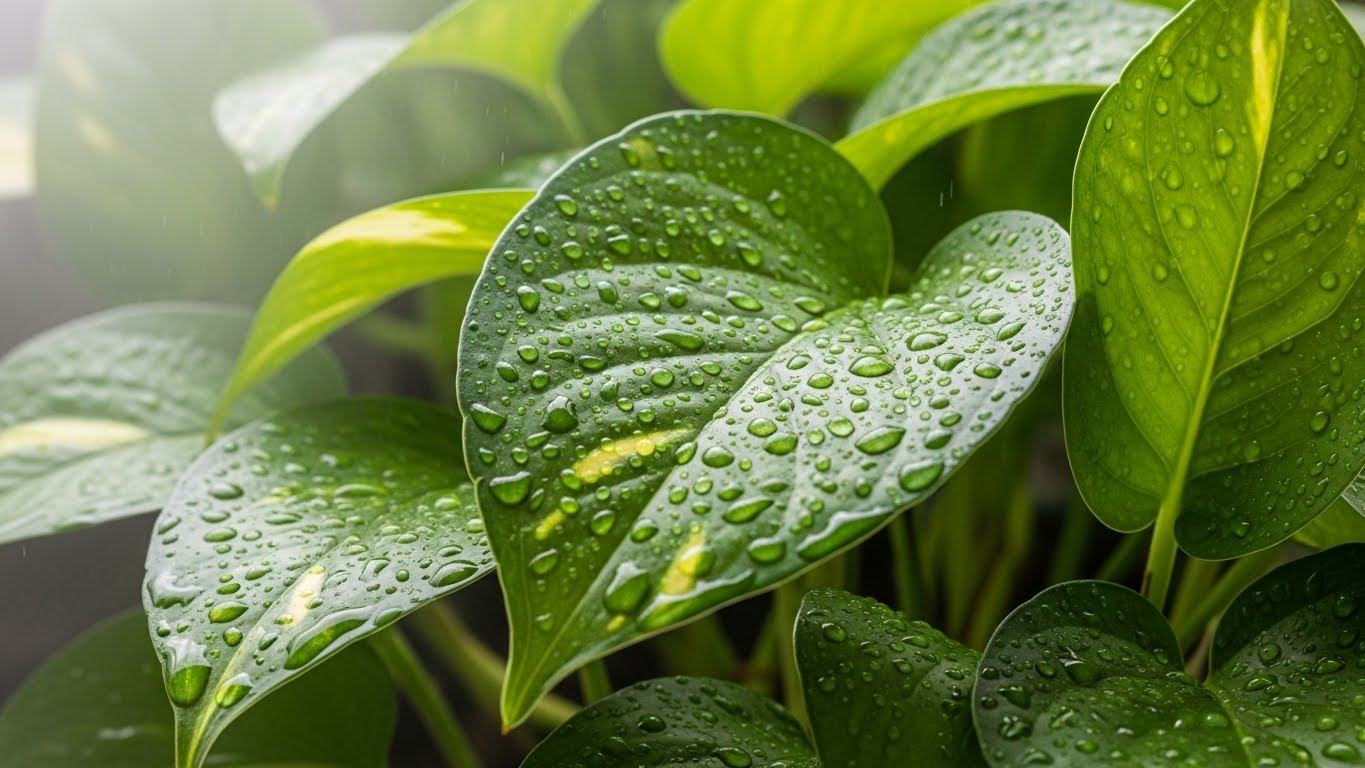
Misting your Pothos can be beneficial for boosting humidity, which is essential for their health. These plants thrive in humidity levels between 40% and 70%, so when the air is dry, misting helps prevent brown tips and droopy leaves. Just be careful not to overdo it—misting once or twice a week is ideal. Plus, pay attention to your plant’s needs and the season to maintain the right conditions. Stick around to discover more humidity tips for your Pothos!
Key Takeaways
- Misting Pothos can boost humidity and improve leaf health, but it’s not necessary for all varieties.
- Ideal misting frequency is once or twice a week, especially in dry conditions or during warmer months.
- Use a fine mist spray bottle, focusing on the undersides of leaves, and mist during early mornings or late afternoons.
- Avoid over-misting to prevent mold, mildew, and leaf burn from magnified sunlight.
- Monitor humidity levels with a hygrometer; aim for 40-60% humidity for optimal Pothos growth.
Understanding Pothos Plant Needs
When you think about caring for a Pothos plant, it’s essential to understand its basic needs to keep it thriving. First, let’s talk about pothos lighting. Your Pothos loves bright, indirect sunlight, so placing it near a window is perfect. Too much direct sun can scorch those beautiful leaves, so keep that in mind. Now, let’s explore pothos soil. A well-draining potting mix is key; you want it to retain some moisture without becoming soggy. You can mix regular potting soil with perlite or orchid bark for added drainage. Remember, your Pothos will reward your efforts with lush, vibrant growth, creating a lovely atmosphere in your space. So, give it the attention it deserves, and watch it flourish!
The Role of Humidity in Plant Health
Humidity plays an essential role in plant health, especially for your beloved Pothos, which thrives in a humid environment. When humidity levels are too low, your Pothos may struggle to grow, becoming droopy or developing brown leaf tips. To keep your plant happy, monitor humidity measurement regularly, aiming for around 40-70%.
You can find humidity sources in your home, like kitchens and bathrooms, or even use a humidifier to create a cozy atmosphere for your plant. Grouping plants together also helps increase humidity. Remember, your Pothos loves that moisture! By ensuring it has the right humidity, you’ll promote lush growth and vibrant leaves, making your plant the star of the room. Keep it thriving, and watch the magic happen!
Misting: Pros and Cons
Misting your Pothos can be a fun way to boost humidity and keep those leaves looking fresh and vibrant. However, it’s important to weigh the benefits against the risks, like the potential for mold or pests. Let’s explore what misting can do for your plant and what you should watch out for!
Benefits of Misting
While you might think of watering your plants as the only way to keep them healthy, adding a little misting to your care routine can bring some surprising benefits to your pothos. Misting not only boosts the humidity impact around your plant but also helps to keep dust off those lovely leaves, allowing them to breathe better. This extra moisture can prevent browning tips and improve overall leaf health, making your pothos look vibrant and lush. Plus, the act of misting is a great way to connect with your plant, nurturing it with your own hands. So, if you want to enhance your pothos’ environment and keep it thriving, consider incorporating misting into your plant care routine!
Risks of Misting
Even though misting can offer many benefits for your pothos, there are some risks you should consider before grabbing that spray bottle. First, overdoing it with misting methods can lead to excess moisture on leaves, creating a perfect environment for mold and mildew. You don’t want your plant to suffer from those humidity effects! Additionally, if you mist while the lights are on, the water droplets can magnify the light, potentially burning your leaves. It’s also important to remember that not all pothos varieties need misting; some thrive just fine with regular watering and humidity. So, always observe your plant’s response and adjust your misting routine accordingly. You want to keep your pothos happy and healthy!
Signs Your Pothos Needs More Humidity
When you notice your Pothos struggling, it’s essential to pay attention to the signs that indicate it needs more humidity. One of the first clues is pothos leaf curling, where the edges of the leaves start to curl inward, signaling distress. You might also see droopy stems that lack their usual perky stance, making your plant look sad and lifeless. If the leaves begin to yellow or drop off, that’s another clear sign your plant is craving moisture in the air. Remember, Pothos thrive in humid environments, so when these symptoms arise, it’s time to contemplate boosting the humidity around your green friend. Your Pothos will thank you with vibrant, healthy growth!
How to Properly Mist Your Pothos
Misting your Pothos can really boost its humidity levels and keep it happy, but you need to know the right techniques and how often to do it. You’ll want to contemplate the best equipment for the job, so you can create a fine mist that evenly covers the leaves without soaking them. Let’s explore the ideal misting frequency, techniques, and tools to make your Pothos thrive!
Ideal Mist Frequency
Finding the right misting schedule for your Pothos can make all the difference in keeping those lush, green leaves happy and healthy. To achieve ideal misting, aim for a misting frequency of about once or twice a week. This allows your plant to maintain the humidity levels it loves without becoming oversaturated. If your home is particularly dry, you might want to increase the frequency or consider misting more often during the warmer months when it’s actively growing. Pay attention to your plant’s needs; if the leaves start to look dull, it might be time to mist a little more. Remember, consistency is key to nurturing your Pothos and ensuring it thrives year-round!
Best Mist Techniques
To keep your Pothos thriving, mastering the art of misting is essential. One of the best mist techniques is to use a fine mist spray bottle. Hold it about 12 inches away from your plant, ensuring even coverage without soaking the leaves. Effective misting should focus on the leaves, particularly the undersides, where moisture is most beneficial. Aim for early mornings or late afternoons when temperatures are cooler to prevent excess evaporation. Don’t forget to mist your plant regularly, especially in dry conditions! Observing your Pothos will help; if the leaves look droopy, it might need a little more love. With these techniques, you’ll create a cozy, humid environment, keeping your green friend happy and healthy.
Equipment for Misting
When you’re ready to give your Pothos a revitalizing mist, having the right equipment makes all the difference! You’ll want to gather a few essentials to guarantee your plant gets the moisture it craves:
- Misting spray bottle: Choose one with a fine mist for even coverage.
- Humidity gauge: This handy tool helps you monitor the moisture levels in your home.
- Distilled water: Using distilled water prevents mineral buildup on leaves.
- Towel or cloth: Keep one nearby to wipe any excess water off surfaces.
- Timer: Set reminders for regular misting sessions to keep your Pothos happy.
With the right misting equipment, your Pothos will thrive, and you’ll enjoy the process even more!
Alternatives to Misting
While misting your Pothos can be a quick way to boost humidity, there are plenty of other methods that work just as well, if not better. One great alternative is using humidity trays or pebble trays. Simply fill a shallow dish with water and pebbles, then place your Pothos pot on top. As the water evaporates, it creates a lovely, humid environment! You might also consider group planting. By placing several plants close together, they create a mini rainforest effect, raising humidity naturally. If you’re looking for something more high-tech, humidifiers offer fantastic humidifier alternatives that can keep the air moist. Explore these options, and your Pothos will thrive in no time!
Ideal Humidity Levels for Pothos
Pothos plants thrive in the right humidity levels, and getting this aspect just right can make a huge difference in their growth and overall health. Ideally, these lovely plants prefer humidity levels between 40% and 70%. When you understand their pothos humidity requirements, you’ll see them flourish! Use these humidity measurement methods to keep track:
- Hygrometer: A reliable tool for measuring humidity.
- Water Tray: Place a shallow tray of water near your plant to increase humidity.
- Pebble Tray: Fill a tray with pebbles and water, then set your pot on top.
- Grouping: Cluster your plants together to create a mini-humidity haven.
- Regularly Check: Keep an eye on humidity levels, adjusting when needed.
Seasonal Changes and Humidity Needs
As the seasons change, so do the humidity needs of your Pothos plant. In the warmer months, when the climate is more humid, your Pothos thrives, often requiring less misting. However, as temperatures drop and the air becomes drier in winter, it’s essential to adjust your care routine. During these colder months, seasonal humidity drops, and your plant might crave a little extra moisture. You might notice its leaves curling or browning, signaling that it’s time for a humidity boost. To keep your Pothos happy, consider using a humidifier or placing it near water sources. By understanding the climate impact on your plant, you can create a cozy environment that helps it flourish year-round.
Common Mistakes When Misting
Misting your Pothos can be a great way to boost humidity, but it’s easy to make some common mistakes that could hinder your plant’s health. Here are a few pitfalls to avoid:
- Misting too frequently: Overdoing it can lead to excessive moisture.
- Ignoring humidity levels: Understanding your home’s humidity is essential.
- Spraying directly on leaves: This can cause leaf damage and mold.
- Not using distilled water: Tap water might have chemicals that stress your plant.
- Misting at the wrong time: Doing it when the sun is strong can lead to plant stress.
Maintaining Optimal Humidity in Your Home
To keep your Pothos thriving, it’s essential to maintain the right humidity levels in your home. You’ll want to aim for around 40-60% humidity, and there are several techniques you can use to boost moisture in the air. Plus, monitoring humidity conditions regularly will help you make adjustments to keep your plant happy and healthy!
Ideal Humidity Levels
When it comes to keeping your Pothos thriving, maintaining the right humidity levels is crucial, so you’ll want to aim for a range of 40% to 60%. Understanding your Pothos humidity preferences helps guarantee a happy plant, especially during seasonal humidity adjustments. Here are some tips to keep in mind:
- Monitor the humidity with a hygrometer for accurate readings.
- Adjust humidity levels as seasons change; winter tends to be drier.
- Create a microclimate by grouping plants together.
- Use a humidifier in drier months to maintain consistency.
- Observe your plant’s leaves; if they’re browning, it might need more humidity.
With these simple steps, you can create a cozy environment for your Pothos to flourish!
Humidity-Boosting Techniques
Boosting humidity in your home can be a fun and rewarding experience, especially when you see your Pothos thriving as a result! One effective way is to use humidity trays or pebble trays filled with water. Just place your pots on top, and as the water evaporates, it’ll create a lovely humid environment. You can also explore humidifiers usage, which can be a game-changer for larger spaces. Keep in mind the room placement of your plants; areas like bathrooms or kitchens often have higher humidity. Ultimately, grouping plants together can help them create a mini rainforest effect, trapping moisture in the air. Give these techniques a try, and watch your Pothos flourish!
Monitoring Humidity Conditions
Monitoring humidity conditions in your home is essential for keeping your Pothos plants happy and healthy. By using humidity monitoring tools, like humidity sensors, you can create the perfect environment for your plants. Here are some practical tips to help you stay on top of humidity levels:
- Check regularly: Make a habit of checking humidity levels weekly.
- Use sensors: Invest in reliable humidity sensors for accurate readings.
- Know the range: Aim for humidity levels between 40-70%.
- Adjust accordingly: If levels drop, consider using a humidifier or pebble tray.
- Observe your plants: Watch for signs like yellowing leaves or browning tips, which indicate humidity issues.
With these steps, you’ll guarantee your Pothos thrive in a cozy, humid home!
Conclusion
To summarize, misting your Pothos can be a fantastic way to boost its humidity and keep it thriving, but it’s not the only option! Remember, these plants are pretty adaptable, so find what works best for you. Whether you’re misting, using a humidifier, or simply placing a tray of water nearby, your Pothos will thank you with lush, vibrant leaves. So, go ahead, pamper your plant—it’s like giving it a luxurious spa day, and who doesn’t love that?


