
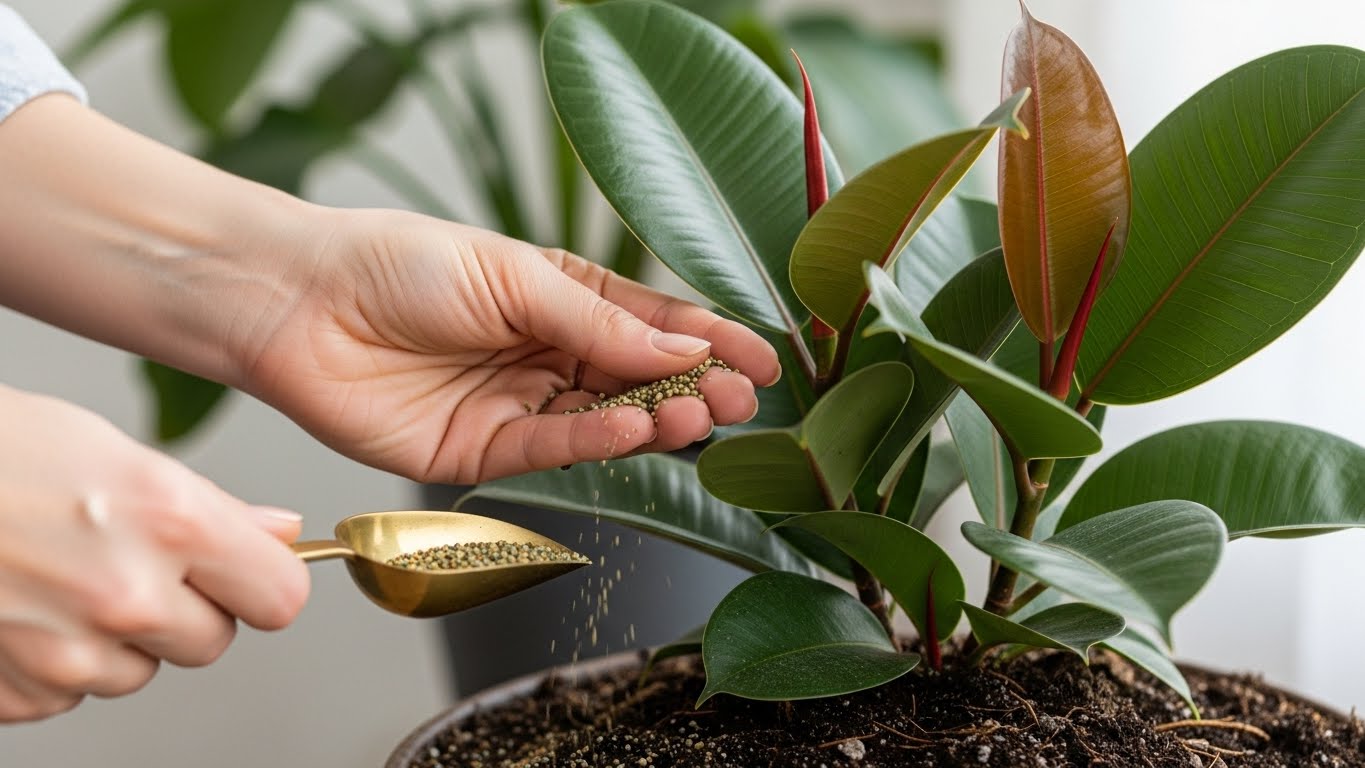
Yes, rubber plants need fertilizer to thrive! They benefit from a balanced diet of nutrients, especially during spring and summer when they grow actively. Use a balanced fertilizer, slow-release granules, or organic options like compost tea. It’s best to fertilize every 4 to 6 weeks but cut back in fall and winter when the plant rests. Keep an eye out for signs of deficiency or over-fertilization to help your plant stay healthy. There’s so much more to explore!
Key Takeaways
- Rubber plants require regular fertilization during the growing season (spring to early fall) for optimal health and growth.
- Use balanced fertilizers (N-P-K 10-10-10) or slow-release granules for a steady nutrient supply.
- Liquid fertilizers can provide quick nutrient absorption, especially for growth boosts.
- Fertilize every 4 to 6 weeks, reducing or stopping in fall and winter during the plant’s rest period.
- Monitor soil pH and nutrient levels to ensure proper nutrition and avoid over-fertilization symptoms.
Understanding the Nutritional Needs of Rubber Plants
When it comes to understanding the nutritional needs of rubber plants, you’ll find that these tropical beauties thrive on a balanced diet of essential nutrients. To guarantee proper nutrient absorption, it’s crucial to keep an eye on the soil pH, which should ideally range between 6.0 and 7.0. This slightly acidic to neutral pH helps your rubber plant take in the necessary nutrients effectively. When the soil pH is off, your plant may struggle to absorb key nutrients, leading to unhealthy growth. Regularly testing your soil and adjusting as needed can make all the difference. By nurturing a healthy environment, you’ll help your rubber plant flourish, showcasing its vibrant leaves and stunning beauty for years to come. Additionally, proper fertilization during active growth helps enhance the overall health and vitality of your plant.
Signs Your Rubber Plant Needs Fertilizer
If you notice your rubber plant’s leaves turning yellow, it might be a sign that it’s not getting enough nutrients. You might also see stunted growth, which can indicate that your plant needs a little extra love in the form of fertilizer. Paying attention to these signs can help keep your rubber plant thriving and looking its best!
Yellowing Leaves Indicate Deficiency
Yellowing leaves on your rubber plant can signal that it’s not getting the nutrients it needs, and spotting these signs early can save your plant from further stress. Leaf discoloration causes, like nutrient deficiency symptoms, can make you worry, but don’t fret! If you notice leaves turning yellow, it often means your plant is missing essential nutrients like nitrogen or iron. These nutrients help keep your rubber plant vibrant and healthy. Check the soil and consider adding a balanced fertilizer to restore its strength. Remember, a little care goes a long way! Keep an eye on your plant, and you’ll soon see those lush green leaves return, making your space feel alive again.
Stunted Growth Patterns Observed
Stunted growth patterns in your rubber plant can be a clear sign that it’s time to give your green friend some extra nutrients. If you notice your plant slowing down, with smaller leaves or fewer new growths, this could indicate a nutrient deficiency. Rubber plants thrive on balanced nourishment, and when they don’t get enough, their growth can halt, leaving you feeling a bit concerned.
Look for signs like thin stems or leaves that don’t seem to unfurl properly—these are all hints your plant is calling out for help. By adding fertilizer during the growing season, you can help restore its energy and encourage healthy, lush growth. So don’t wait too long—your rubber plant deserves the best!
Best Types of Fertilizer for Rubber Plants
When you’re nurturing a rubber plant, have you ever wondered what type of fertilizer can help it thrive? Choosing the right fertilizer is essential, as the right fertilizer composition and nutrient ratios can really make a difference. Here are some excellent options:
Choosing the right fertilizer is crucial for nurturing a thriving rubber plant. Explore the best options to enhance its growth.
- Balanced Fertilizer (N-P-K 10-10-10): This provides equal nutrients, perfect for overall growth.
- Slow-Release Granules: These gradually release nutrients, giving your plant a steady supply over time.
- Liquid Fertilizer: Quick to absorb, it’s great for giving your rubber plant a boost during the growing season.
Organic vs. Synthetic Fertilizers
Understanding the differences between organic and synthetic fertilizers can really help you make the best choice for your rubber plant. Organic fertilizers, like compost or worm castings, offer numerous organic benefits—they enrich the soil, improve its structure, and support beneficial microbes. You’ll notice your plant thriving in a more natural environment. On the other hand, synthetic fertilizers can be quick fixes, delivering nutrients faster, but they come with synthetic drawbacks. They might lead to salt buildup in the soil and can harm beneficial organisms. So, while synthetic options may seem tempting for immediate results, consider the long-term health of your rubber plant and the earth. Ultimately, choosing organic can nurture your plant and the environment beautifully.
How to Fertilize Your Rubber Plant
When it comes to fertilizing your rubber plant, choosing the right fertilizer and knowing how often to apply it can make all the difference. You’ll want to keep an eye out for any signs of over-fertilization, which can harm your plant instead of helping it thrive. Let’s explore the best options, how often to feed your green friend, and what to watch for to guarantee it stays healthy and vibrant!
Best Fertilizer Options
Choosing the right fertilizer for your rubber plant can make all the difference in its growth and health. You’ll want to look for options that offer a balanced nutrient profile, promoting lush leaves and strong roots. Here are some of the best fertilizer brands to evaluate:
- Miracle-Gro Indoor Plant Food: A popular choice that’s easy to use.
- FoxFarm Grow Big Liquid Concentrate: Great for boosting growth during the active season.
- Osmocote Smart-Release Plant Food: Provides slow-release nutrients for up to six months.
For effective fertilizer application methods, you can use liquid fertilizers diluted with water, or granular ones sprinkled on the soil surface. Remember, the right choice keeps your rubber plant thriving and happy!
Application Frequency Guidelines
To keep your rubber plant in top shape, you should fertilize it regularly during the growing season, which typically runs from spring to early fall. Aim to fertilize every 4 to 6 weeks, allowing your plant to soak up nutrients and grow strong. As the seasons change, don’t forget to adjust your application frequency; during the fall and winter, your rubber plant needs less food since it’s in a rest period. This seasonal adjustment helps prevent nutrient buildup and keeps your plant healthy. Always guarantee you’re using a balanced fertilizer to give it the best chance to thrive. With these simple guidelines, you’ll help your rubber plant flourish and become a beautiful addition to your home.
Signs of Over-Fertilization
Over-fertilization can sneak up on you and your rubber plant, leading to a variety of issues that can harm its health. You might notice some over fertilization symptoms, and it’s essential to act quickly. Here are a few signs to watch for:
- Yellowing leaves, often a sign of nutrient burn
- Wilting or drooping leaves that seem lifeless
- Brown leaf tips that indicate too many nutrients
If you spot these symptoms, it’s time to reassess your fertilization routine. Cut back on the fertilizer and flush the soil with water to help remove excess nutrients. Your rubber plant deserves the best care, so keep an eye out for these signs, and you’ll help it thrive!
Ideal Timing for Fertilizing Rubber Plants
When you think about keeping your rubber plant healthy and thriving, timing your fertilizer applications is key. You’ll want to start fertilizing during the spring growth period when your plant is actively growing. This is when it craves nutrients the most. As the seasons change and fall approaches, consider preparing your plant for dormancy by reducing fertilizer.
Season | Action |
|---|---|
Spring | Fertilize every 4-6 weeks |
Summer | Continue fertilizing |
Fall | Reduce or stop fertilizing |
Seasonal Considerations for Fertilization
Understanding the seasonal changes can make a big difference in how you care for your rubber plant, especially when it comes to fertilization. Temperature fluctuations and humidity levels play key roles in your plant’s growth, so adjusting your fertilization routine accordingly is essential.
- Spring and Summer: Fertilize more frequently as your rubber plant actively grows.
- Fall: Scale back on fertilization; the plant’s growth slows down.
- Winter: It’s best to hold off on fertilizer during the colder months.
Common Mistakes When Fertilizing Rubber Plants
When it comes to fertilizing your rubber plant, it’s easy to make some common mistakes that can harm its health. You might over-fertilize, choose the wrong type of fertilizer, or apply it at the wrong time, all of which can lead to unhappy plants. Let’s explore these pitfalls so you can keep your rubber plant thriving and looking fabulous!
Over-Fertilizing Consequences
Over-fertilizing your rubber plant can lead to a host of problems, often surprising even the most diligent plant caretakers. You might think more fertilizer means more growth, but that’s not always the case! When you overdo it, your plant can suffer from serious over fertilization symptoms. Here’s what to watch for:
- Yellowing leaves, a sign of stress
- Crispy leaf tips, indicating nutrient burn
- Stunted growth, which can be frustrating
These signs can be disheartening, especially when you’re trying to nurture your green friend. Instead of giving in to the urge to pour on more nutrients, remember that moderation is key. Your rubber plant will thrive with just the right amount of care and attention!
Wrong Fertilizer Type
Choosing the wrong fertilizer type can be a trap that even experienced plant lovers fall into, leading to unexpected challenges in nurturing your rubber plant. Using a high-nitrogen fertilizer might seem like a good idea, but it can cause nutrient imbalances, leaving your plant with leggy growth and poor leaf development. Instead, opt for a balanced fertilizer that provides the right mix of nutrients. Remember, rubber plants thrive with a formula designed for foliage rather than flowers. Always read labels carefully to verify you’re giving your plant what it truly needs. By avoiding the wrong fertilizer type, you’ll help your rubber plant flourish, bringing vibrant green leaves and a healthy glow to your space.
Timing Mistakes
Timing your fertilizer applications can be just as essential as the type you choose, especially for rubber plants. You might be surprised how timing errors and frequency miscalculations can affect your plant’s health. Let’s make sure you’re on point with your schedule!
- Fertilizing too early in the growing season can shock your plant.
- Over-fertilizing during dormancy can lead to nutrient burn.
- Skipping applications during peak growth might stunt their development.
Alternative Nutrient Sources for Rubber Plants
Have you ever wondered what alternative nutrient sources can give your rubber plants a boost? Using compost tea is a fantastic way to provide your plants with essential nutrients. It’s simple to make; just steep some compost in water, and you’ll create a nutrient-rich liquid that can help your rubber plants thrive. Another great option is worm castings. These tiny treasures are packed with nutrients and beneficial microorganisms. You can mix them into the soil or sprinkle them on top for a gentle feed. Both compost tea and worm castings not only nourish your plants but also improve soil health, making your rubber plants happier and more robust. Give these alternatives a try, and watch your plants flourish!
Monitoring Soil Health and Nutrient Levels
When it comes to keeping your rubber plants healthy, monitoring soil health and nutrient levels is just as important as providing them with alternative nutrient sources like compost tea and worm castings. You’ll want to check a few key factors regularly to guarantee your plants thrive:
- Soil pH: Aim for a slightly acidic to neutral range (around 6.0 to 7.0) for ideal growth.
- Nutrient testing: Use a home test kit to gauge nutrient levels, helping you understand what your plants need.
- Drainage: Make sure the soil drains well to prevent root rot, which can hinder nutrient absorption.
Tips for Maintaining a Healthy Rubber Plant
To keep your rubber plant flourishing, it’s essential to focus on a few key care practices that make a big difference. First, use proper pruning techniques to encourage healthy growth. Snip off any dead or yellowing leaves, which helps the plant channel energy to new growth. Next, keep an eye out for pests. Regularly inspect the leaves for signs of trouble, like tiny webs or spots; if you spot any, use insecticidal soap for effective pest management. Don’t forget about light and watering—give your rubber plant bright, indirect sunlight and water it when the top inch of soil feels dry. With these tips, you’ll cultivate a vibrant and thriving rubber plant that brings joy to your space!
Conclusion
To sum up, keeping your rubber plant healthy means understanding its need for fertilizer. Did you know that a well-fed rubber plant can grow over 3 feet tall in just a year? By choosing the right fertilizer and timing, you can help your plant thrive and reach new heights. Remember to monitor its soil health and adjust your care routine as needed. With a little attention, your rubber plant can become a stunning centerpiece in your home!


