
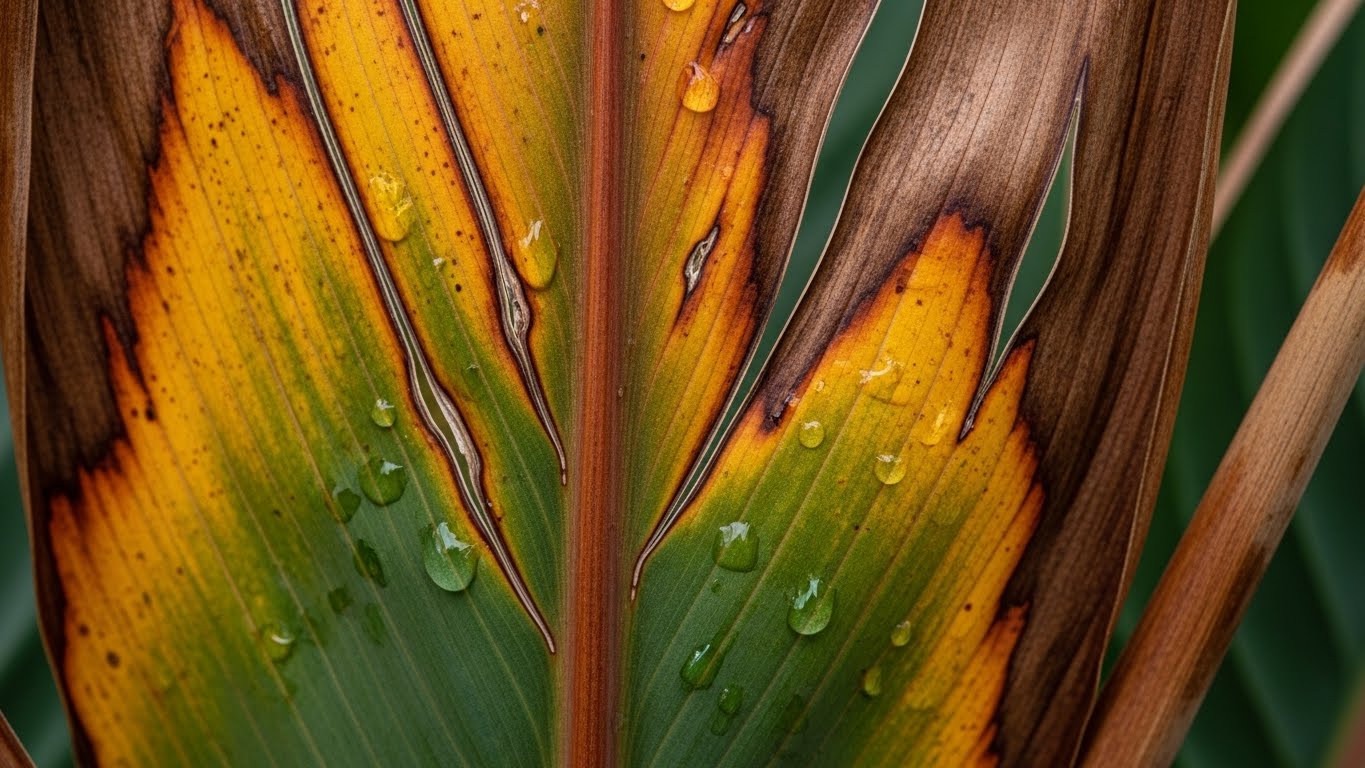
If your Bird of Paradise leaves are browning, don’t panic! It could be due to high humidity levels, improper watering, or nutrient deficiencies. Make sure you check for pests like spider mites and maintain stable temperatures. Overwatering or underwatering can cause serious issues, so keep an eye on the soil moisture. Consider your plant’s nutrients as well—nitrogen and potassium are key! With a little attention, your plant can thrive again. You’ll discover more tips ahead!
Key Takeaways
💡 Office environments can present unique challenges for your Bird of Paradise. Explore advanced methods for styling and care to keep your plant healthy and vibrant.
➜ Explore advanced methods
- High humidity levels are crucial; low humidity can cause leaf browning and attract pests like spider mites.
- Overwatering leads to yellowing leaves and mushy stems; always check soil moisture before watering.
- Nutrient deficiencies, especially in nitrogen, potassium, and magnesium, can result in leaf browning and stunted growth.
- Regularly inspect for pests like spider mites and aphids, which can damage leaves and cause browning.
- Maintain stable indoor temperatures between 50°F and 80°F to prevent temperature shock and leaf damage.
Common Environmental Stressors
When it comes to taking care of your Bird of Paradise plant, understanding common environmental stressors is essential for keeping those stunning leaves vibrant and healthy. One of the first things you should consider is the humidity levels in your home. These plants thrive in higher humidity, so if your air is too dry, those beautiful leaves could start browning. Additionally, you need to pay attention to soil drainage. If your plant is sitting in waterlogged soil, it can lead to root rot, which stresses the plant and affects leaf health. Make sure to provide well-draining soil and monitor humidity levels to create a happy environment for your Bird of Paradise, ensuring that it stays lush and beautiful all year round. Maintaining high humidity can also deter spider mites, a common pest that affects these plants.
Improper Watering Techniques
Improper watering techniques can quickly turn your Bird of Paradise from a vibrant showstopper to a sad sight. Whether you’re overwatering or underwatering, your plant will show signs of distress. Overwatering signs include yellowing leaves and a mushy stem, while underwatering symptoms often present as brown, crispy leaf edges.
Watering Technique | Signs of Overwatering | Signs of Underwatering |
|---|---|---|
Too much water | Yellow leaves | Brown, crispy edges |
Too little water | Wilting | Leaf droop |
Finding the right balance is essential. Always check the soil moisture before watering, and remember, it’s better to underwater than to overwater. Your Bird of Paradise deserves the best care!
Nutrient Deficiencies
Nutrient deficiencies can sneak up on your Bird of Paradise, impacting its health and vibrancy. When your plant isn’t getting the nutrients it needs, you’ll notice leaf browning and stunted growth. To keep your plant thriving, pay attention to its soil composition and follow a proper fertilization schedule. Here are some key nutrients to monitor:
💡 Humidity plays a crucial role in preventing leaf browning. Discover proven techniques to maintain the right moisture levels for your Bird of Paradise.
➜ Discover proven techniques
- Nitrogen: Essential for lush, green foliage.
- Potassium: Helps strengthen the plant and boosts flower production.
- Phosphorus: Supports root development and overall growth.
- Magnesium: Crucial for photosynthesis and vibrant leaves.
Pest Infestations
Pest infestations can be a sneaky challenge for your Bird of Paradise, often leading to significant leaf browning and overall decline. Common culprits like spider mites and aphids love to hide, making it tough to notice their damage until it’s too late. To keep your plant thriving, regular checks are essential. Look under leaves and along stems for any signs of pests.
If you spot them, don’t wait! Quick pest treatment with insecticidal soap or neem oil can save your plant. Remember, pest prevention is key—maintain good air circulation and avoid overwatering. By staying vigilant and proactive, you’ll help your Bird of Paradise flourish, leaving you with vibrant leaves and a happy plant.
Temperature Extremes
When temperatures swing to extremes, your Bird of Paradise can quickly show signs of distress, leading to unsightly leaf browning. These temperature fluctuations can be particularly tough during seasonal changes. To help your plant thrive, here are a few tips to manage its environment:
Extreme temperature changes can stress your Bird of Paradise, causing leaf browning. Manage its environment for a healthier plant.
- Avoid Drafts: Keep your plant away from open windows and doors, where cold gusts can shock it.
- Monitor Indoor Heat: Don’t let indoor temperatures soar above 80°F or drop below 50°F.
- Gradual Changes: If you’re moving your plant outdoors, do it gradually to help it adjust.
- Humidity Levels: Maintain humidity by misting or using a pebble tray to create a cozy atmosphere.
Conclusion
To sum up, keeping your bird of paradise healthy is all about balance. Just as a plant needs sunlight and water, it also craves the right conditions and care. By understanding the stressors, like improper watering or pests, you can prevent those pesky brown leaves from appearing. Remember, a little attention goes a long way, so embrace the journey of nurturing your plant, and you’ll be rewarded with vibrant, lush foliage that brightens your space!
💡 Healthy growth can prevent stress that leads to browning leaves. Get the step-by-step guide to encourage faster growth in your Bird of Paradise.
➜ Get the step-by-step guide


