
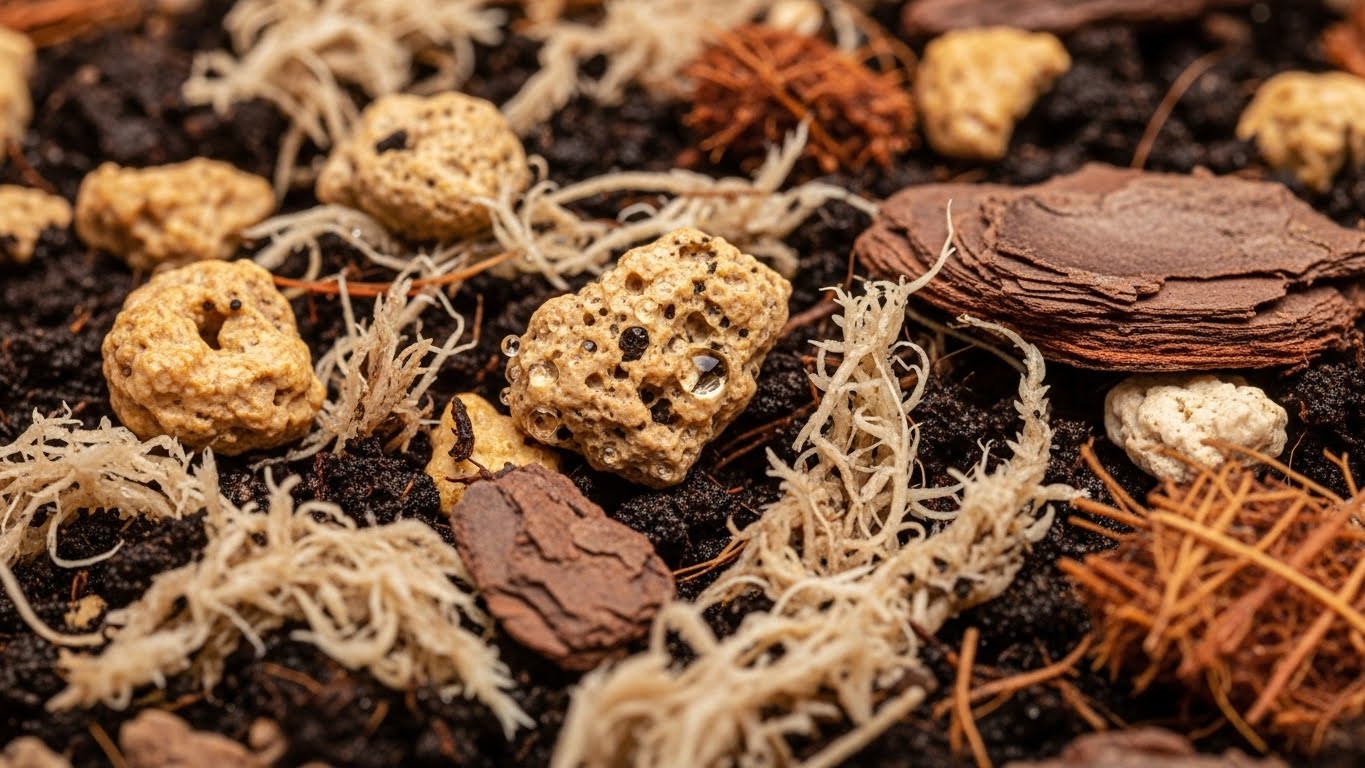
To grow a thriving Bird of Paradise, pick a potting mix that balances moisture retention, aeration, and nutrients. You’ll want high-quality potting soil mixed with perlite or vermiculite for drainage and aeration. A touch of organic compost gives essential nutrients. Make sure it can hold moisture but doesn’t drown the roots. Always opt for pots with drainage holes to keep your plant happy and healthy. Stick around, and you’ll discover more tips for your plant’s success!
Key Takeaways
💡 Stay updated on the latest care practices for your Bird of Paradise.
➜ Discover proven techniques
- Use a high-quality potting soil as the base for optimal growth and nutrient availability.
- Incorporate perlite or vermiculite for better aeration and drainage in the mix.
- Add organic matter like compost to provide essential nutrients and improve soil texture.
- Ensure the mix retains moisture while allowing excess water to drain effectively.
- Regularly monitor soil moisture and adjust your watering routine to prevent root rot.
Understanding the Needs of Bird of Paradise Plants
When you’re growing a Bird of Paradise plant, it’s essential to understand its unique needs, as this vibrant tropical beauty thrives in specific conditions. First, let’s talk about light requirements. These plants adore bright, indirect sunlight, so placing them near a south-facing window is ideal. Too little light might hinder their growth, while harsh direct sunlight can scorch their stunning leaves. Now, onto watering frequency. You should keep the soil consistently moist but not soggy. Water when the top inch of soil feels dry, usually every week or so, depending on your climate. During the growing season, they appreciate a little extra love, so don’t hesitate to check in on them regularly. Additionally, using a rich and porous soil mix can significantly enhance their growth and overall health. Happy growing!
Key Components of an Ideal Potting Mix
Creating the perfect potting mix for your Bird of Paradise plant is like crafting a cozy home for a tropical guest. To make your plant feel right at home, you’ll want a blend that encourages growth, supports moisture retention, and allows for good drainage. Start with a base of high-quality potting soil, then mix in potting mix additives like perlite or vermiculite for aeration. These ingredients help create a light texture that prevents compaction, ensuring roots can breathe. Don’t forget to add some organic matter, such as compost, to provide essential nutrients. This combination will keep your Bird of Paradise happy and thriving, just like you’d want for any cherished visitor.
Commercial Potting Mixes for Bird of Paradise
Finding the right commercial potting mix for your Bird of Paradise can make a big difference in how well your plant grows. Several commercial brands offer fantastic options tailored for tropical plants like yours. Look for mixes that are light and airy, providing excellent drainage to prevent root rot. Some brands even have organic options, which are great if you prefer natural ingredients. These organic mixes typically include compost or coconut coir, enriching the soil while supporting healthy growth. When choosing, check the label to verify it contains essential components like perlite or vermiculite. By selecting a high-quality commercial potting mix, you’re setting your Bird of Paradise up for a vibrant and flourishing life. Happy planting!
DIY Potting Mix Recipes
If you’re enthusiastic to give your Bird of Paradise the best home possible, making your own potting mix can be a fun and rewarding project. Consider creating homemade mixes that cater to your plant’s needs. A simple recipe involves combining equal parts of organic options like peat moss, perlite, and compost. This mix provides excellent aeration and nutrients, ensuring your plant thrives.
Another great option is mixing coconut coir with pine bark and vermiculite, which retains moisture while promoting drainage. Whichever recipe you choose, the joy of crafting a personalized potting mix not only enhances your plant’s growth but also deepens your connection with it. Get creative, experiment, and watch your Bird of Paradise flourish!
Importance of Drainage in Potting Mix
When it comes to potting mix for your Bird of Paradise, drainage is essential for keeping your plant healthy and thriving. Without proper drainage, excess water can lead to root rot, stunted growth, and a sad-looking plant. Here are some key drainage techniques you should consider when selecting potting mediums:
- Use a well-draining mix: Look for mixes specifically formulated for tropical plants.
- Add perlite or vermiculite: These additives improve aeration and drainage.
- Choose pots with drainage holes: This allows excess water to escape easily.
- Avoid compacted soil: Soil that’s too dense can hold onto water, suffocating your roots.
Nutrient Requirements for Optimal Growth
To keep your Bird of Paradise flourishing, it’s important to pay attention to its nutrient requirements. These vibrant plants thrive on a nutrient balance rich in nitrogen, phosphorus, and potassium. You’ll want to choose fertilizer options that cater specifically to their needs, like a balanced 20-20-20 liquid fertilizer, which promotes healthy growth and stunning flowers. During the growing season, feed your plant every 4-6 weeks to guarantee it gets the essential nutrients it craves. Always remember to dilute the fertilizer according to package instructions to prevent overwhelming your plant. With the right balance and care, your Bird of Paradise will reward you with its magnificent foliage and blossoms, creating a beautiful focal point in your space.
Signs of Poor Potting Mix and How to Fix It
💡 Learn how to optimize growth for your Bird of Paradise plants.
➜ Get the step-by-step guide
If your Bird of Paradise isn’t thriving, it could be due to a poor potting mix. You might notice signs like soggy soil that doesn’t drain well or yellowing leaves that point to nutrient deficiencies. Let’s explore these issues together and find out how to fix them so your plant can flourish again!
Poor Drainage Indicators
💡 Recognizing root-bound signs can help you maintain a healthy plant.
➜ See how to implement this
Sometimes, your Bird of Paradise plant might show signs that its potting mix isn’t draining properly, which can lead to all sorts of problems. Keep an eye out for these poor drainage indicators:
- Water pooling: If you see water sitting on top of the soil, it’s a clear sign your mix has bad drainage.
- Soggy soil texture: When the soil feels overly wet even after watering, it’s time to reassess.
- Wilting leaves: If the leaves droop despite sufficient moisture, the roots could be suffocating.
- Foul smell: A rotten odor often means the soil is retaining too much moisture.
To fix these issues, consider aerating the soil or switching to a potting mix designed for better moisture retention and drainage.
Nutrient Deficiency Symptoms
When your Bird of Paradise plant starts showing signs of nutrient deficiency, it can be a real bummer, especially if you’ve put in the effort to care for it. One of the first things you might notice is leaf discoloration, where vibrant green leaves turn yellow or brown. This is a clear signal that your plant isn’t getting the nutrients it needs. Additionally, if you’re noticing root rot—often caused by poor drainage in your potting mix—it’s time to take action. To fix these issues, consider switching to a nutrient-rich potting mix. You can also supplement with fertilizers specifically designed for tropical plants. Remember, a happy plant is a healthy plant, so keep an eye on those signs!
Tips for Repotting Your Bird of Paradise
When it comes to repotting your Bird of Paradise, timing and pot choice are key factors to evaluate. You’ll want to repot during the growing season, typically in spring, to give your plant the best chance to adjust. Plus, choosing a pot that’s slightly larger than the current one will allow your plant to thrive without feeling cramped.
Timing for Repotting
Repotting your Bird of Paradise at the right time can make a big difference in its growth and overall health. To follow best practices, pay attention to seasonal timing. Here are some tips to guide you:
- Spring Awakening: The best time to repot is in early spring, when your plant starts to show new growth.
- Check the Roots: If roots are growing out of the drainage holes, it’s definitely time to repot.
- Growth Slump: If your plant seems to stagnate, it might need more space.
- Avoid Dormancy: Don’t repot in winter, as your Bird of Paradise is resting and won’t recover well.
Choosing the Right Pot
Choosing the right pot for your Bird of Paradise is essential, as it can greatly influence the plant’s health and growth. Start by selecting a pot size that allows your plant to thrive; a pot that’s too small restricts root growth, while one that’s too large can lead to overwatering issues. Aim for a pot that’s a few inches bigger than the current one.
Next, consider the pot material. Terracotta pots are breathable and help prevent overwatering, while plastic pots are lightweight and retain moisture. Each material has its perks, so think about your environment and care routine. Remember, a happy pot leads to a happy plant, so choose wisely! Your Bird of Paradise will thank you with vibrant leaves.
Conclusion
To sum up, choosing the right potting mix for your Bird of Paradise is essential for its health and growth. Did you know these plants can grow up to 6 feet tall indoors? By understanding their needs and using a well-draining, nutrient-rich mix, you’ll create the perfect environment for them to thrive. Remember to keep an eye on the signs of poor soil, and don’t hesitate to repot when necessary. Happy planting!
💡 Proper repotting is crucial for the health of your Bird of Paradise.
➜ Master this approach


