
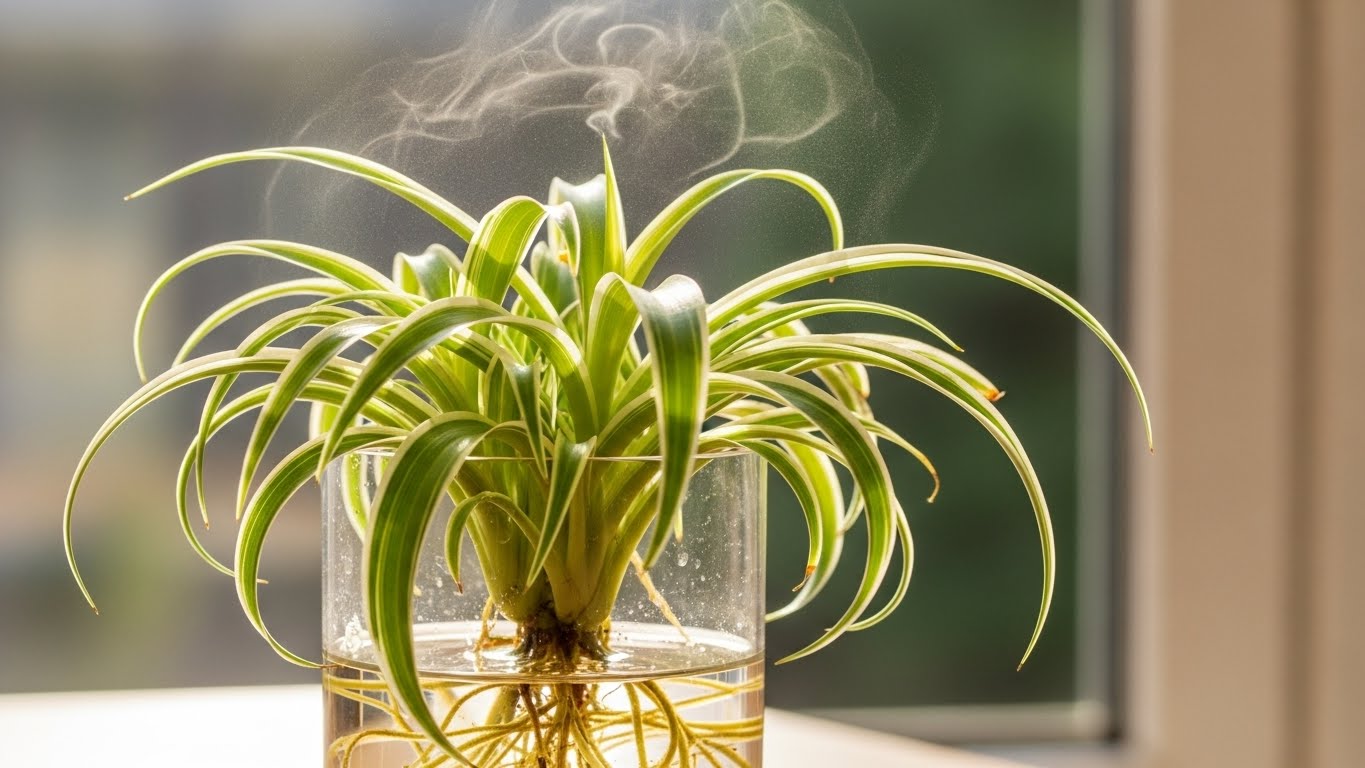
Spider plants are fantastic air purifiers because they absorb harmful volatile organic compounds (VOCs) from items like paints and cleaners, enhancing your indoor air quality. While some myths say they can’t eliminate all pollution, just a few can still make a difference. They thrive in bright, indirect sunlight and need minimal care. This means you can enjoy cleaner air without hassle! Curious about how to care for them or other plants that help? There’s more to discover!
Key Takeaways
- Spider plants effectively absorb volatile organic compounds (VOCs) from indoor air, improving overall air quality.
- They are low-maintenance and can thrive in various indoor conditions, making them accessible for many households.
- While spider plants help purify air, they do not eliminate all pollutants; multiple plants enhance benefits.
- Purification occurs both day and night, debunking the myth that air cleaning only happens during daylight.
- Proper care, such as appropriate watering and light, maximizes their air-purifying capabilities.
The Science Behind Air Purification
When you think about air pollution, you might picture smog or smoke outside, but did you know that the air inside your home can be just as polluted? This indoor air quality can be measured using air quality metrics, which help you understand how clean or contaminated your living space really is. One of the fascinating ways plants, like spider plants, improve this quality is through the photosynthesis process. During photosynthesis, plants take in carbon dioxide and release oxygen, revitalizing the air you breathe. They also absorb harmful substances, making your home a healthier place to be. By inviting a spider plant into your space, you’re not just adding greenery; you’re actively working towards cleaner, fresher air for you and your loved ones. Additionally, spider plants are known for their ability to contribute to cleaner indoor air, enhancing both aesthetics and air quality in your home.
Spider Plants and VOCs: What You Need to Know
Spider plants aren’t just pretty additions to your home; they’re also champions at tackling volatile organic compounds, or VOCs. These pesky chemicals can come from everyday items like paints, cleaners, and even furniture. Thankfully, spider plants offer amazing benefits by absorbing VOCs through their leaves and roots. This means they help purify the air you breathe, making your space feel fresher and healthier.
You might be wondering how effective they really are. Research shows that spider plants can remarkably reduce levels of VOCs, helping to create a more pleasant indoor environment. So, if you’re looking to enhance your home’s air quality, consider adding a spider plant to your collection. Not only do they look great, but their VOC absorption capabilities make them a true hero for your space!
Myths vs. Facts: Debunking Common Misconceptions
Many people believe all sorts of things about spider plants, but not everything you hear is true. Let’s explore some common misconceptions. First, you might think spider plants can eliminate all indoor air pollution. While they do help, they aren’t a magical solution for every toxin. Another myth is that you need a ton of spider plants to see any benefits; even a few can make a difference! Some folks believe they require constant care, but these resilient plants are quite low-maintenance. Finally, many think they only purify air during the day. In reality, they continue to clean the air at night too! With this myth debunking, you can appreciate your spider plants even more.
Care Tips for Optimal Air Purifying Benefits
To truly enjoy the air-purifying benefits of your spider plants, you’ll want to give them the right care. First, consider their light requirements; these lovely plants thrive in bright, indirect sunlight. Too much direct sun can scorch their leaves, so find that sweet spot! Next, pay attention to watering frequency. Water your spider plants when the top inch of soil feels dry, usually every 1-2 weeks. Overwatering can lead to root rot, while underwatering can stress them out. Remember, they prefer slightly moist soil but hate sitting in water. By meeting their light and water needs, you’ll create an ideal environment for your spider plants to flourish, ensuring they help purify your air effectively. Happy gardening!
Other Plants to Consider for Improved Air Quality
While spider plants are fantastic for improving air quality, you might want to explore other plants that can also make your indoor environment fresher and healthier. Peace lilies are a beautiful choice; they not only bloom lovely white flowers but also excel at removing toxins like formaldehyde and benzene. Snake plants, on the other hand, are nearly indestructible and thrive in low light. They’re perfect for beginners and help purify the air by absorbing carbon dioxide at night, making your space feel more vibrant. Adding these plants can create a cozy atmosphere while keeping the air clean. So, why not mix and match? Your home will thank you for the extra greenery and improved air quality!
Conclusion
In summary, spider plants truly shine as air purifiers, proving that they’re not just pretty green companions. They tackle harmful VOCs and improve indoor air quality, making your space feel fresher and healthier. By debunking common myths and caring for them properly, you can access their full potential. So, give spider plants a spot in your home, and enjoy the benefits of cleaner air, like a gust of new spring air on a sunny day!


