
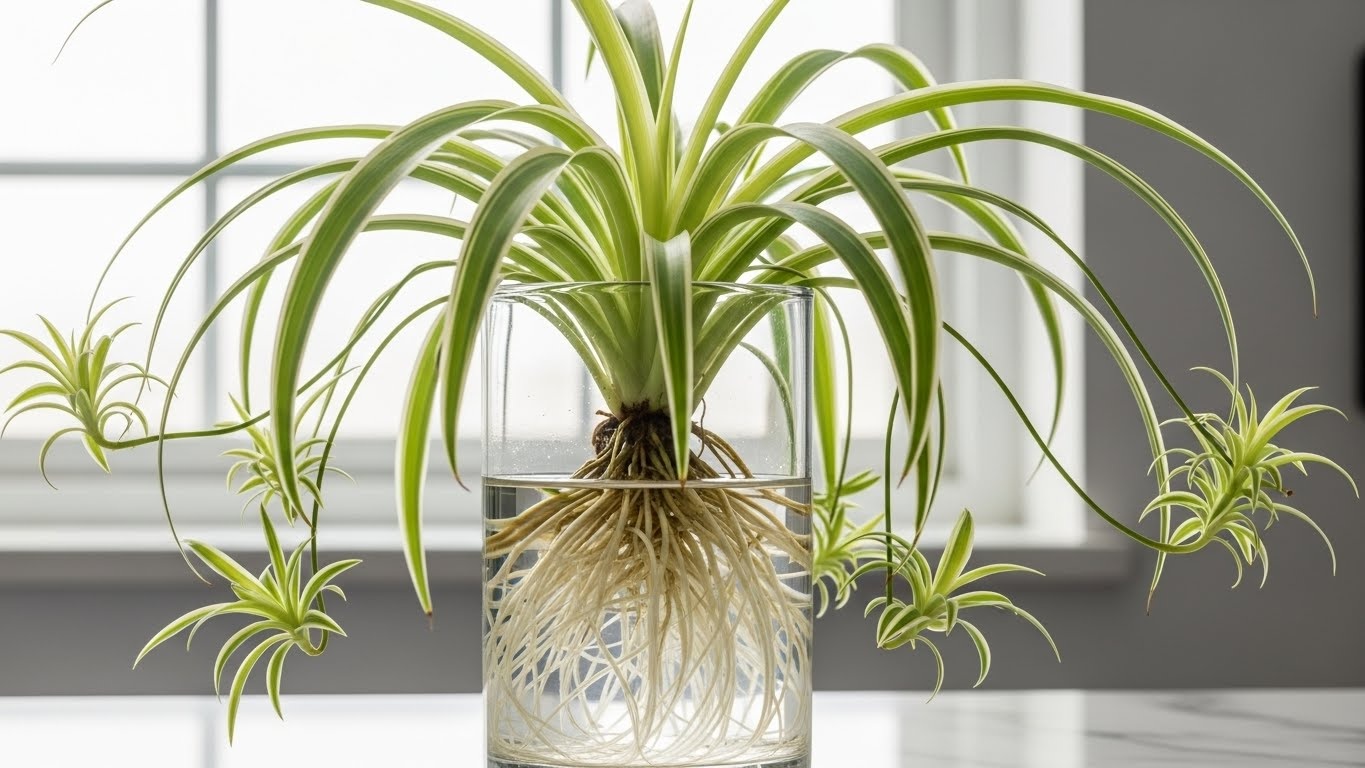
Yes, you can grow spider plants in water long-term, but there are pros and cons to take into account! On the plus side, they look great, are low maintenance, and you can easily propagate them. However, be wary of pest issues, root rot, and the need for good water quality. Regular monitoring is key for success. If you’re thinking about trying this out, stick around to discover best practices for keeping your spider plants thriving in water!
Key Takeaways
- Spider plants can thrive in water long-term, but they require careful monitoring to prevent root rot and pest issues.
- While aesthetically pleasing, water growth demands regular water changes and nutrient additions for sustained health.
- Soil growth generally supports stronger, healthier plants with intricate root systems, compared to the shallow roots in water.
- Spider plants are low maintenance in water, making them accessible for all ages, yet they still need attention to detail.
- The risk of unhealthy plants increases if water quality is neglected, so regular checks are essential for successful growth.
Understanding Spider Plants: Characteristics and Care
Spider plants, with their long, arching leaves and playful spider-like offshoots, are a favorite among houseplant enthusiasts. You’ll love their vibrant green foliage, which can bring life to any room. To truly appreciate spider plant characteristics, notice how they thrive in bright, indirect light and tolerate low-light conditions too. When it comes to spider plant care, keep the soil slightly moist but not soggy. They’re forgiving, so don’t stress if you forget to water occasionally. Regularly trimming any brown tips will keep your plant looking fresh. You might even enjoy watching those charming little “babies” sprout, as they’re perfect for propagation. Caring for spider plants is simple, making them ideal companions for both novice and seasoned plant lovers alike. Additionally, spider plants are safe for pets, ensuring a worry-free environment for your furry friends.
The Benefits of Growing Spider Plants in Water
Growing spider plants in water offers a unique and exciting way to enjoy these delightful houseplants, especially if you want to simplify your care routine. The aesthetic appeal of water-grown spider plants is undeniable; their vibrant green leaves create a stunning display in any space. Plus, it’s a great method for easy propagation. You can quickly multiply your plants by placing the baby spiderettes in water until roots form.
Benefit | Description | Impact |
|---|---|---|
Aesthetic Appeal | Beautiful greenery in any setting | Brightens your home |
Easy Propagation | Simple method to grow more plants | Expands your collection |
Low Maintenance | Minimal care needed | Saves you time |
Visible Growth | Watch roots develop over time | Engaging for all ages |
Potential Drawbacks of Hydroponic Spider Plants
While hydroponic spider plants can be an attractive addition to your home, there are some potential drawbacks you should consider before diving into this method of cultivation. First, you might encounter pest issues, which can sneak up on you in a water setup. Pests love damp environments, and without proper care, they can quickly multiply. Additionally, root rot is a real concern; if your plants sit in water for too long without proper aeration, their roots can decay. This can lead to wilting and an unhealthy plant. So, while growing spider plants in water is doable, it’s important to stay vigilant and monitor their health regularly to guarantee they thrive. Remember, a little attention goes a long way!
Best Practices for Maintaining Spider Plants in Water
When you’re growing spider plants in water, you’ll want to pay close attention to water quality and light conditions. Using clean, fresh water helps keep your plants healthy, while giving them the right amount of light guarantees they thrive. Let’s explore how these factors can make a big difference in maintaining your spider plants successfully!
Water Quality Matters
To keep your spider plants thriving in water, it’s essential to pay attention to water quality. Start with a clean water source; using distilled or rainwater is best, as tap water often contains chemicals that can harm your plants. Next, monitor the pH levels—spider plants prefer a pH between 6.0 and 7.0. If your water’s too acidic or alkaline, it can stress the plant and stunt its growth. Regularly change the water every week to keep it fresh and oxygenated, ensuring your plants stay healthy. Finally, rinse the roots gently to remove any debris or algae that may accumulate over time. With proper water quality, your spider plants will flourish beautifully!
Light Conditions Required
For your spider plants to thrive in water, providing the right light conditions is essential. Aim for a spot where they receive indirect sunlight, as this creates ideal brightness for their growth. Direct sunlight can scorch their delicate leaves, leading to damage and distress. Instead, place them near a window with filtered light, or use sheer curtains to soften the rays.
If you notice your spider plants stretching towards the light, they might need a little more brightness. Keep an eye on their leaves; if they lose their vibrant green hue, it’s a sign they require better lighting. By ensuring your spider plants bask in the right light, you’ll keep them happy and thriving in their water environment!
Comparing Soil vs. Water Growth for Spider Plants
When you think about growing spider plants, you might wonder how soil and water growth stack up against each other. Each method has its perks, especially when it comes to nutrient availability and how well the roots develop. Let’s explore these differences to see which option might be best for your green friends!
Nutrient Availability Differences
While you might think that growing spider plants in water is just as simple as plopping them in a vase, the way they absorb nutrients differs considerably from when they’re planted in soil. In soil, spider plants can access a wide range of nutrients, thanks to the complex ecosystem of fungi and bacteria that help with nutrient absorption. This not only supports healthier plants but also boosts their growth rate. However, in water, the nutrient availability is limited, making it essential for you to regularly add liquid fertilizers. Without that extra support, your spider plants might struggle to thrive. So, if you’re aiming for vibrant, thriving greenery, understanding these nutrient availability differences is key to your success!
Root Development Comparison
Understanding how spider plants develop their roots can be fascinating, especially since their growth differs markedly between soil and water. Each medium fosters unique growth patterns, leading to distinct root structures.
Medium | Root Structure | Growth Patterns |
|---|---|---|
Soil | Dense, intricate roots with branching | Slower initial growth, but robust over time |
Water | Shallow, fibrous roots that spread wide | Faster initial growth, but weaker overall |
In soil, the roots anchor the plant firmly, allowing for better nutrient absorption. In contrast, water growth yields quicker results but can lead to weaker plants. Understanding these differences can help you choose the best method for your spider plant’s long-term health.
Making the Decision: Is Water Cultivation Right for You?
Have you ever thought about the unique charm of growing plants in water? Water propagation can be a delightful way to nurture spider plants, allowing you to witness their roots develop right before your eyes. However, before diving in, you need to reflect on whether this method suits your lifestyle. Water cultivation requires consistent long-term care, like changing the water regularly and ensuring it’s clean. If you enjoy engaging with your plants and appreciate the beauty of their growth, this could be perfect for you. But if you prefer low-maintenance options, soil might be a better fit. Ultimately, it’s about what makes you happy and how much attention you’re willing to give your green friends.
Conclusion
In the end, growing spider plants in water can be a fun and unique way to enjoy these charming greens, but it comes with its own set of challenges. While you may love the ease of hydroponics, remember that it might not offer the same robust growth as traditional soil. So, weigh the benefits against the drawbacks, and decide what fits your lifestyle best. Whether in water or soil, spider plants can brighten your space, so pick your method and enjoy!


