
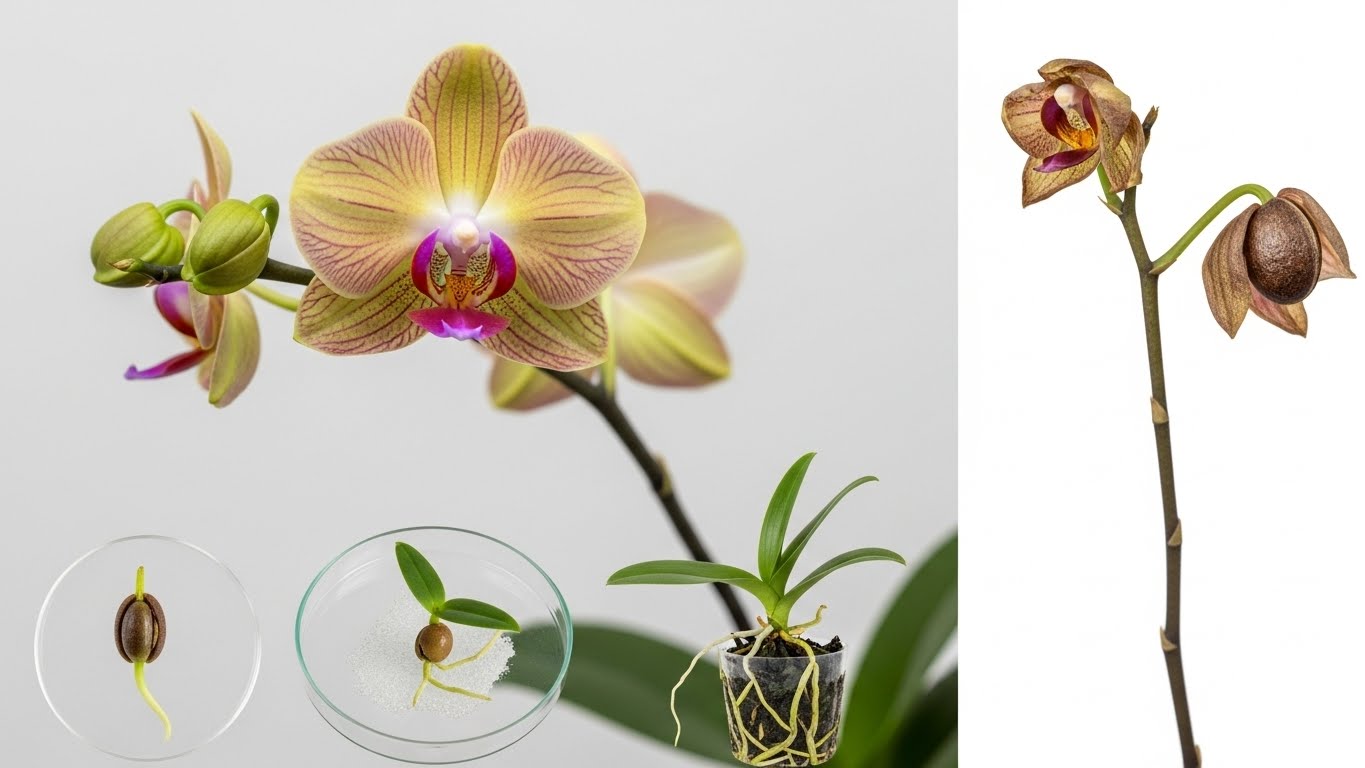
Orchids can live anywhere from several years to 20 years or more, depending on the species and how well you care for them. Popular types like Phalaenopsis tend to live 10 to 20 years, while Cattleya lives for 5 to 10. To help your orchid thrive, make sure it gets bright, indirect sunlight, maintains humidity, and is watered weekly. Plus, understanding bloom cycles, like Phalaenopsis blooming in winter, can enhance your experience. Keep reading to discover more orchid care tips!
Key Takeaways
- Orchids generally have a lifespan of several years to 20 years, depending on the species and care provided.
- Common species like Phalaenopsis can live 10 to 20 years, while Cattleyas typically last 5 to 10 years.
- Proper care, including optimal light, watering, and humidity, significantly influences orchid longevity and blooming cycles.
- Most orchids bloom seasonally; for example, Phalaenopsis blooms in winter and spring, while Cattleyas bloom in late spring or summer.
- Regular maintenance, such as repotting and fertilization, is essential for extending the life and bloom cycles of orchids.
Understanding Orchid Lifespan
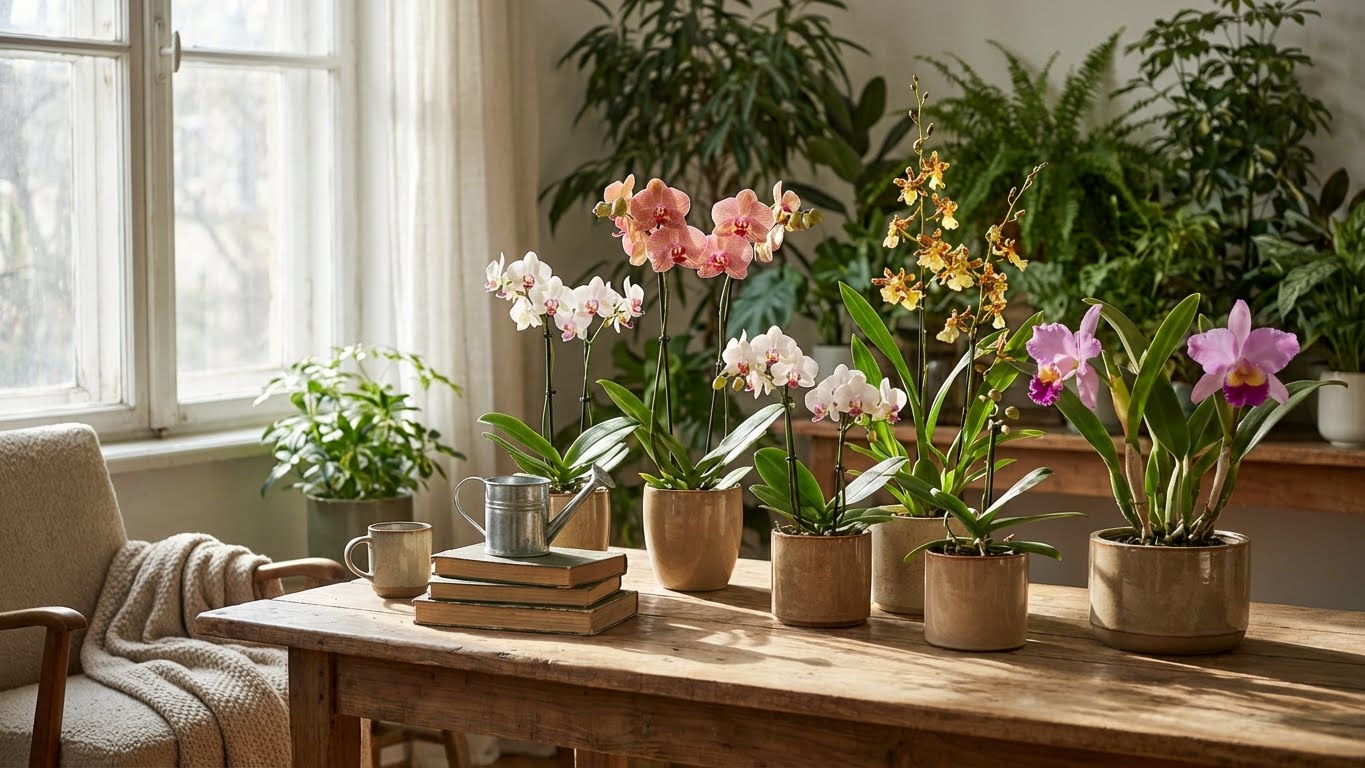
When you think about orchids, you might picture their stunning blooms and unique shapes, but did you know these fascinating plants can live for many years? Understanding an orchid’s lifespan means grasping how well you care for them. Using proper orchid propagation techniques, you can share your love for these beauties with friends while ensuring they thrive. Also, keeping an eye on potential pests and diseases is essential; practicing orchid disease prevention helps your plants stay healthy and vibrant. Regularly check for signs of trouble, and don’t hesitate to remove any affected leaves or roots. By nurturing your orchids with care and attention, you’ll enjoy their enchanting blooms for many years, creating a beautiful bond with these remarkable plants. Additionally, proper care during dormancy ensures successful future blooming, contributing to the longevity of your orchids.
Factors Affecting Orchid Longevity
Orchids are remarkable plants, but their longevity depends on several essential factors. First, light exposure plays a vital role. Your orchids thrive in bright, indirect sunlight, so finding that sweet spot is key. Too much direct sunlight can scorch their leaves, while too little can stunt their growth.
Next, consider water quality. Orchids prefer clean, pure water, ideally rainwater or distilled water, to avoid harmful chemicals that tap water may contain. Overwatering can lead to root rot, while underwatering can cause them to wilt.
Common Orchid Species and Their Lifespan
Exploring the fascinating world of orchids reveals a variety of species, each with its own unique lifespan and care requirements. Here are some popular orchids and their lifespans:
- Phalaenopsis lifespan: These beauties can live for 10 to 20 years with proper care.
- Cattleya longevity: Expect around 5 to 10 years, but with love and attention, they may surprise you.
- Dendrobium care: Their lifespan ranges from 5 to 15 years, depending on how well you nurture them.
- Oncidium growth: These lively orchids can thrive for 10 to 15 years, bringing joy to your home.
Ideal Growing Conditions for Orchids
To create a thriving environment for your orchids, you’ll need to contemplate several key factors that influence their growth and blooming potential. Two of the most important elements are humidity levels and light exposure. Orchids thrive in humid conditions, ideally around 50-70%. They also need bright, indirect light to flourish, as too much direct sunlight can scorch their leaves.
Here’s a quick reference table to help you understand their needs:
Factor | Ideal Conditions |
|---|---|
Humidity Levels | 50-70% |
Light Exposure | Bright, indirect light |
Temperature | 65-75°F (18-24°C) |
Watering | Weekly, as needed |
Fertilization | Monthly during growth |
Meeting these conditions will guarantee your orchids can live long and bloom beautifully!
Signs of a Healthy Orchid
When you check on your orchid, there are a couple of key signs to look for that show it’s in great shape. First, vibrant leaf color is a clear indicator of a healthy plant, while strong root structure guarantees it’s getting the nutrients and water it needs. Keeping an eye out for these signs will help you nurture your orchid and enjoy its beauty for longer!
Vibrant Leaf Color
Vibrant leaf color is a key indicator that your orchid is thriving and happy in its environment. When you observe healthy, rich hues, it’s a sign your plant’s leaf health is on point. Different orchids can have stunning color variations, from deep greens to bright marbled patterns. Keep an eye out for these signs:
- Deep Green: Indicates proper light and nutrition.
- Yellowing Leaves: May signal overwatering or nutrient deficiency.
- Browning Tips: Could suggest underwatering or dry air.
- Spots or Discoloration: Often a sign of pests or disease.
Strong Root Structure
💡 If you’re curious about expanding your orchid collection, learn how to effectively split and propagate your orchids.
➜ Get the step-by-step guide
A strong root structure is essential for your orchid’s overall health, as it anchors the plant and absorbs critical nutrients and water. You can tell your orchid’s root health is thriving when the roots are firm, plump, and a vibrant green color. Healthy roots provide strong support, ensuring your orchid has the stability it needs to flourish. If you notice roots that are shriveled or brown, it might be time to reassess your watering routine or potting medium. Remember, the right balance of moisture and airflow is important. By keeping an eye on those roots, you’re investing in your orchid’s long-term happiness and beauty, ensuring vibrant blooms for years to come. Your orchid will thank you!
Typical Bloom Cycles of Orchids
💡 Wondering how to keep your orchids blooming longer? Discover techniques to encourage reblooming after flower drop.
➜ Discover proven techniques
When it comes to orchids, understanding their typical bloom cycles can really enhance your care routine. Most orchids follow seasonal blooming patterns, but the duration of these cycles can vary, and several factors can influence when and how often they flower. By learning about these elements, you’ll be better equipped to enjoy the stunning beauty of your orchids throughout the year!
Seasonal Blooming Patterns
Orchids are fascinating plants that showcase a variety of blooming patterns throughout the year, depending on their species and growing conditions. Understanding their seasonal triggers can enhance your appreciation for these beauties. Each type of orchid may have unique bloom timing, influenced by factors like temperature and light. Here’s what you might notice:
- Phalaenopsis: Often blooms in winter and spring.
- Cattleya: Typically flowers in late spring or early summer.
- Dendrobium: Can bloom in unexpected cycles, often in summer.
- Oncidium: Usually shows off its blooms in late summer to fall.
Duration of Bloom Cycle
Understanding the blooming patterns of orchids not only enhances your appreciation for these stunning plants but also helps you anticipate their beauty throughout the year. The duration of a bloom cycle can vary considerably depending on the type of orchid. Typically, you can expect blooms to last anywhere from a few weeks to several months. Most orchids bloom once or twice a year, showcasing their vibrant colors during these periods. This bloom frequency gives you something to look forward to, as each cycle brings new life and beauty to your space. Keep in mind, with proper care and attention, you can enjoy longer bloom durations, making your orchid experience even more rewarding. So, nurture your orchids, and watch their stunning transformations unfold!
Factors Affecting Blooms
Several factors can influence the blooming cycles of orchids, making it essential to understand what these plants need to thrive. You might be surprised at how elements like light, temperature, and humidity play a role in their growth. Here’s what to keep in mind:
- Light Levels: Orchids crave bright, indirect sunlight to blossom beautifully.
- Temperature: Consistent temperatures can encourage blooms, while sudden changes lead to environmental stress.
- Humidity: Maintaining higher humidity can help your orchids flourish.
- Pollination Methods: Understanding how your specific orchid pollinates can influence bloom frequency.
How to Encourage Re-Blooming
If you want your orchids to bloom again, there are some key steps you can take to encourage re-blooming. First, use proper orchid fertilization techniques. A balanced fertilizer every two weeks during the growing season can give your plants the nutrients they need. Also, make sure your orchids receive adequate light, as this is essential for blooming.
Here’s a quick guide to help you:
Step | Action | Frequency |
|---|---|---|
Fertilization | Use balanced fertilizer | Every 2 weeks |
Light | Provide bright, indirect light | Daily |
Watering | Water when the pot feels dry | Weekly |
Pruning | Trim spent blooms | As needed |
Common Orchid Care Mistakes
Caring for orchids can be a rewarding experience, but many new plant parents make common mistakes that can hinder their plants’ health and blooming potential. To keep your orchids thriving, be aware of these pitfalls:
- Overwatering: It’s tempting, but too much water can lead to root rot.
- Wrong light: Orchids need bright, indirect light; direct sunlight can scorch their leaves.
- Ignoring humidity: Orchids love humidity, so don’t let your home air be too dry.
- Neglecting repotting: As orchids grow, they benefit from fresh potting medium.
Tips for Extending Your Orchid’s Life
To keep your orchid thriving for many years, it’s essential to understand the key factors that contribute to its longevity. Regular care can make a world of difference.
Care Factor | Recommendation |
|---|---|
Fertilizer Frequency | Every 2-4 weeks |
Watering Schedule | Once a week |
Light Requirements | Indirect sunlight |
Conclusion
To sum up, with the right care, your orchids can thrive for many years, bringing beauty and joy to your space. While some might worry that orchids are too tricky to keep alive, remember that understanding their needs is key. By providing ideal growing conditions and regular maintenance, you’ll not only extend their lifespan but also enjoy their stunning blooms multiple times. So, immerse yourself in orchid care, and watch your plants flourish like never before!
💡 If you’ve experienced bud drop, understanding the causes can help you improve your orchid’s lifespan. See how to implement fixes.
➜ See how to implement this


