
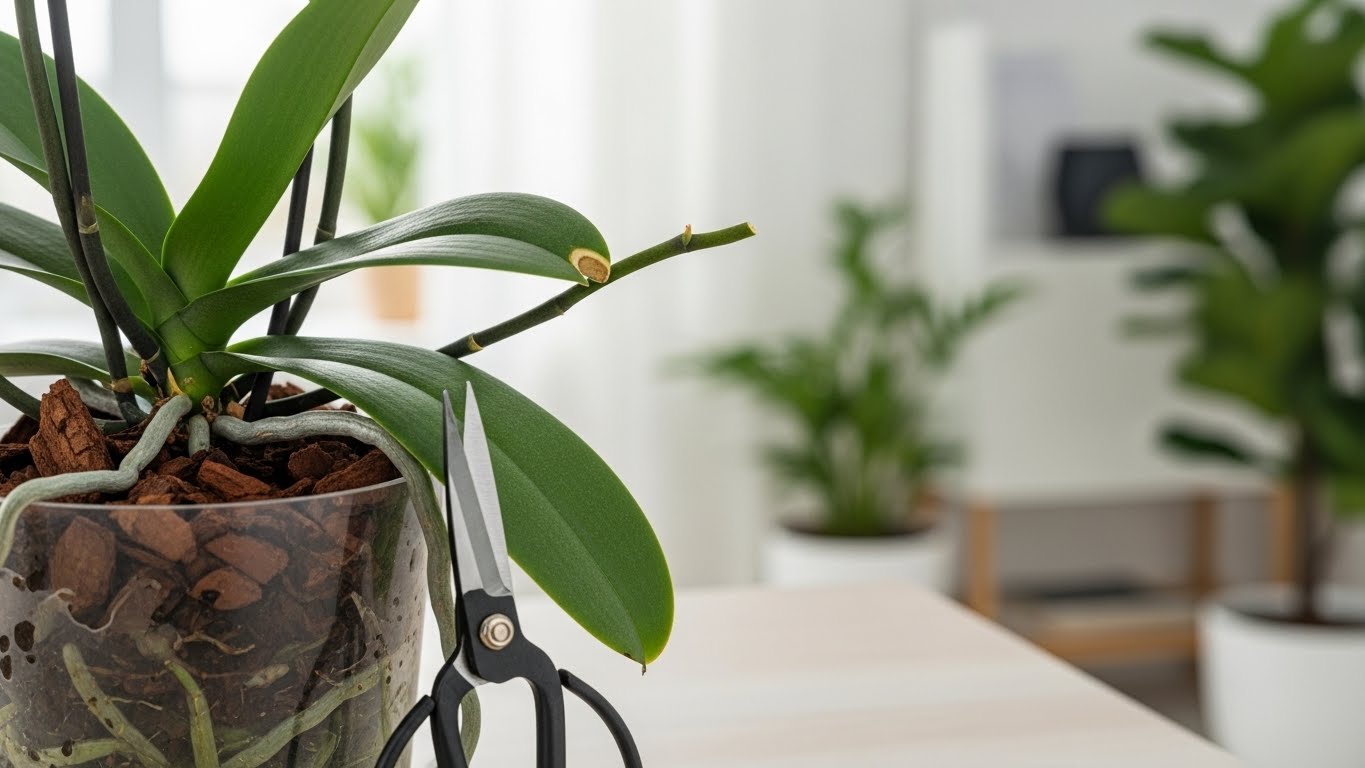
To trigger your orchid’s reblooming after flower drop, focus on proper care. Start by adjusting light; place it in bright, indirect sunlight. Water the plant only when the top inch of the medium dries out, and keep humidity between 50-70%. Fertilize every two to four weeks with a balanced organic fertilizer during the growing season. Finally, guarantee consistency in temperature, particularly a nighttime drop, as this can stimulate blooms. There’s plenty more you can learn to keep your orchid thriving!
Key Takeaways
- Ensure your orchid has a consistent nighttime temperature drop to stimulate the reblooming cycle.
- Provide adequate light, ideally bright, indirect sunlight, to support new growth.
- Maintain humidity levels between 50-70% to create a conducive environment for reblooming.
- Water only when the top inch of the medium is dry to prevent root stress.
- Fertilize with a balanced organic fertilizer every two to four weeks during the growing season for optimal nutrient supply.
Understanding the Orchid Life Cycle
Understanding the life cycle of an orchid is essential if you want to trigger its beautiful reblooming. Orchids go through distinct stages, including orchid dormancy, which is a critical time for rest and recovery. During dormancy, your plant conserves energy, preparing for the next burst of flower production. It’s important to recognize this phase, as it signals when to reduce watering and avoid fertilizing. Once the dormancy ends, your orchid will need the right conditions—adequate light, humidity, and warmth—to stimulate new growth and blossoms. By nurturing your orchid through these stages, you’ll create the perfect environment for those stunning flowers to flourish once again. Additionally, providing a consistent nighttime temperature drop is essential to encourage the bloom cycle. Embrace this journey, and enjoy the beauty your efforts will bring!
Identifying the Causes of Flower Drop
When it comes to keeping your orchids blooming beautifully, it’s essential to identify the causes of flower drop, as this can happen for several reasons. First, consider environmental stress. Changes in temperature, humidity, or drafts can upset your orchids, leading to flower drop. Overwatering or underwatering can also be significant flower drop causes, as these conditions stress the plant’s roots. Pests and diseases might sneak in unnoticed, further contributing to the problem. Finally, if your orchid isn’t getting enough nutrients, it may drop blooms to conserve energy. By understanding these factors, you can create a nurturing environment and help your orchids thrive, ensuring they bloom again in all their glory.
Optimal Lighting Conditions for Orchids
How can you create the perfect lighting conditions for your orchids? Start by placing them in a spot where they can soak up natural light, ideally near a window with filtered sunlight. Orchids thrive in bright, indirect light, so avoid direct sun, which can scorch their leaves. If natural light isn’t enough, don’t worry! You can incorporate artificial light to keep your orchids happy. Use fluorescent or LED grow lights, ensuring they’re on for about 12-14 hours each day. Rotate your orchids every few weeks to help them grow evenly. By balancing natural and artificial light, you’ll create a cozy ambiance that encourages your orchids to thrive and eventually rebloom. Happy growing!
Watering and Humidity Requirements
Watering your orchids can be a bit tricky, since these beautiful plants have specific needs that differ from many others. You’ll want to pay close attention to the moisture levels in their potting mix. Generally, it’s best to let the top inch of the medium dry out before watering again. This helps prevent root rot, which orchids are particularly prone to.
As for humidity preferences, orchids thrive in environments with 50-70% humidity. If your home’s air feels dry, consider placing a humidity tray filled with water and pebbles under your pots, or misting your orchids regularly. Finding that sweet spot between moisture and humidity will make your orchids feel right at home, encouraging them to bloom again.
Fertilization Tips for Healthy Growth
To keep your orchids thriving and ready to rebloom, proper fertilization plays a significant role. Using organic fertilizers is a fantastic way to guarantee your plants get the nutrients they need without harsh chemicals. Look for a balanced fertilizer that provides a good mix of nitrogen, phosphorus, and potassium. This nutrient balance supports healthy growth and helps your orchids develop strong roots and vibrant blooms.
Feed your orchids every two to four weeks during the growing season, but remember to dilute the fertilizer to avoid overwhelming them. It’s crucial to adjust your fertilization routine as your orchids cycle through different growth stages. With the right care, your orchids will flourish and reward you with stunning flowers!
Pruning and Care After Flowering
After your orchids have finished blooming, it’s important to give them the care they need to prepare for the next round of flowers. You’ll want to focus on proper pruning techniques and post-bloom care to help your orchids thrive. Start by cutting back any dead flower spikes, as this encourages new growth. Make sure to clean the leaves and check for pests, ensuring your plant remains healthy.
Here are some steps to reflect upon:
- Use sterilized scissors for clean cuts.
- Water less frequently to prevent root rot.
- Fertilize lightly, using a balanced orchid mix.
- Place your orchids in a spot with bright, indirect light.
With a little love and attention, your orchids will be ready to bloom again!
Conclusion
In summary, getting your orchid to rebloom after its flowers drop is all about understanding its needs and providing the right care. Did you know that orchids can bloom multiple times a year, depending on the variety? By ensuring ideal lighting, proper watering, and the right nutrients, you can help your orchid thrive and produce beautiful blooms again. So, keep nurturing your plant, and soon you’ll enjoy those stunning flowers once more!


