
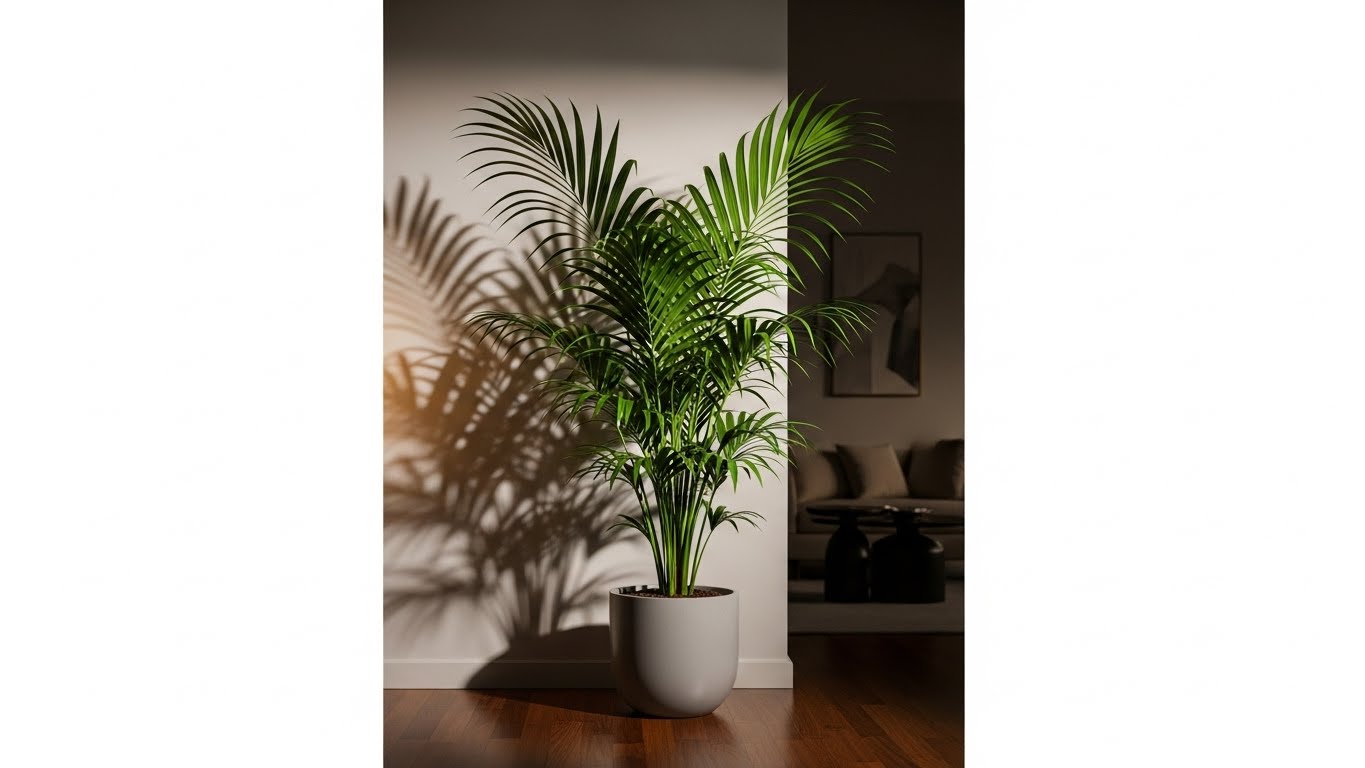
To prevent brown leaf tips on your parlor palms, you’ll need to control a few key factors. First, water properly by checking soil moisture; if it’s dry an inch down, give it a drink. Next, maintain humidity between 40% and 60%, especially in dry seasons—try misting or using a humidifier. Make certain you’re using a well-draining soil mix and prune any damaged leaves to promote healthy growth. You’ll discover even more tips to keep your palms thriving!
Key Takeaways
- Ensure proper watering by checking soil moisture; water weekly if dry, every 10 days if slightly moist, and biweekly if moist.
- Maintain humidity levels between 40% and 60% by using a humidifier or grouping plants together.
- Choose a well-draining soil mix with perlite or sand to prevent waterlogging and promote healthy growth.
- Regularly prune yellow or brown leaves to encourage new growth and maintain the plant’s shape.
- Monitor for pests and signs of disease, acting quickly to address any issues to prevent leaf damage.
Understanding the Causes of Brown Leaf Tips
When you notice brown tips on your parlor palm’s leaves, it can feel like a mystery waiting to be solved. Leaf discoloration causes can often be traced back to environmental stressors, which might surprise you. For instance, if your plant’s getting too much direct sunlight, those precious leaves may start to burn. Alternatively, low humidity levels can cause the tips to dry out, leaving unsightly brown edges. Also, consider drafts from open windows or heating vents—these can stress your palm, too. Understanding humidity levels is crucial in maintaining the health of your palm. By understanding these factors, you can better care for your parlor palm and keep its beautiful foliage thriving. Your attention to these details will make all the difference in helping your plant flourish!
Proper Watering Techniques
To keep your parlor palm healthy and prevent those pesky brown leaf tips, mastering proper watering techniques is crucial. You’ll want to contemplate how often you water, guarantee your pot has good drainage, and pay attention to the quality of the water you use. Let’s explore these key points to help your palm thrive!
Ideal Watering Frequency
Finding the right watering frequency for your parlor palm is essential if you want to keep its leaves healthy and vibrant. Establishing a consistent watering schedule helps you maintain proper moisture levels, ensuring your palm thrives. Here’s a simple guide to help you:
Moisture Level | Watering Frequency |
|---|---|
Dry (1-2 inches down) | Once a week |
Slightly Moist (2-3 inches down) | Every 10 days |
Moist (3-4 inches down) | Every 2 weeks |
Check the soil regularly; your palm prefers its soil to be slightly moist, but not soggy. Adjust your watering as needed, and soon you’ll notice those beautiful green leaves flourishing without brown tips!
Drainage Considerations
Proper drainage is essential for keeping your parlor palm healthy and happy, as it prevents water from pooling around the roots, which can lead to root rot. To achieve this, you’ll want to choose the right drainage types for your pot. Look for pots with drainage holes, allowing excess water to escape. If you’re using a pot without holes, consider adding a layer of gravel or small stones at the bottom as a drainage solution. This helps create space for water to flow away from the roots. Remember, overwatering can be just as harmful as underwatering, so check the soil moisture regularly. By ensuring proper drainage, you’ll keep your parlor palm thriving and free from those pesky brown leaf tips!
Water Quality Matters
When it comes to nurturing your parlor palm, the quality of water you use can make a world of difference in keeping those leaf tips from turning brown. Using filtered water can help reduce mineral buildup, which often causes those unsightly brown tips. Tap water may contain chlorine and other chemicals that aren’t great for your palm. Instead, consider investing in a water filtration system or letting tap water sit out for 24 hours to allow some chemicals to dissipate. When you water, make certain it’s at room temperature—this helps your palm absorb it better and thrive. Remember, your parlor palm deserves the best, so pay attention to the water you’re giving it!
Ideal Humidity Levels for Parlor Palms
Creating the right humidity levels for your parlor palm is essential for keeping it healthy and vibrant. Ideally, you want to maintain humidity levels between 40% and 60%. If your home’s air tends to be dry, especially during winter, your palm might struggle. To boost humidity, consider these humidity sources: placing a humidifier nearby, grouping plants together, or setting your palm on a tray filled with water and pebbles. Misting your palm lightly can also help, but don’t overdo it! Remember, the goal is to mimic the tropical environments these palms love. By ensuring the right humidity, you’ll watch your parlor palm thrive, with lush green fronds and no brown tips in sight.
Choosing the Right Soil Mix
When it comes to keeping your parlor palm happy and healthy, choosing the right soil mix is essential. You need a blend that not only provides proper drainage but also contains nutrient-rich components to support its growth. By selecting the right soil, you can help prevent those pesky brown leaf tips and guarantee your palm thrives!
Importance of Drainage
Choosing the right soil mix is essential for keeping your parlor palm healthy and vibrant, especially since improper drainage can lead to brown leaf tips. The right drainage systems help prevent water from pooling, which is vital for your palm’s well-being. Here are three important soil types to take into account:
- Coarse, well-draining soil: This allows excess water to escape easily.
- Peat-based mixes: They retain moisture while still promoting airflow.
- Perlite or sand additions: These improve drainage and prevent compaction.
Nutrient-Rich Components
To keep your parlor palm thriving, it’s essential to incorporate nutrient-rich components into your soil mix. Start by selecting a well-balanced potting soil that has a good mix of organic matter. This helps maintain a proper nutrient balance, ensuring your palm receives the essential elements it craves. Adding organic fertilizers, like compost or worm castings, can boost the nutrients even further. These components not only nourish your plant but also promote healthy growth, preventing those pesky brown leaf tips. Remember to avoid over-fertilizing, as too many nutrients can harm your plant. By choosing the right soil mix and organic fertilizers, you’ll create a happy and healthy environment for your beloved parlor palm.
Fertilization Tips for Healthy Growth
Fertilizing your parlor palm is essential for promoting healthy growth and preventing unsightly brown leaf tips. To keep your palm thriving, consider these tips:
Fertilizing your parlor palm is key to its health and vibrant growth, helping to avoid brown leaf tips.
- Choose the Right Fertilizer Types: Opt for a balanced, slow-release fertilizer to provide nutrients over time, ensuring your palm gets what it needs without overwhelming it.
- Create a Feeding Schedule: Feed your palm every 4-6 weeks during the growing season, and cut back in the fall and winter. This rhythm mimics nature and supports steady growth.
- Watch for Signs: Keep an eye on your palm’s leaves. If they start turning brown, it might be time to adjust your fertilization routine or the type you’re using.
Optimal Lighting Conditions
When you want your parlor palm to flourish, understanding its lighting needs is essential, as the right amount of light can prevent those frustrating brown leaf tips. Parlor palms thrive in bright, indirect light. Too much intensity can scorch your leaves, while too little can stunt growth. Aim for about 12 hours of light duration daily, adjusting as needed for your space.
Here’s a quick reference for ideal lighting:
Light Intensity | Light Duration |
|---|---|
Bright, Indirect | 10-12 hours |
Low, Indirect | 8-10 hours |
Direct (Filtered) | 6-8 hours |
Low Light | 4-6 hours |
Following these guidelines will help keep your parlor palm happy and healthy!
Pruning and Maintenance Practices
Pruning your parlor palm not only keeps it looking its best but also promotes healthy growth, so it’s an essential part of your maintenance routine. Regular pruning helps remove any dead or yellowing leaves, ensuring your plant thrives. Here are three simple pruning techniques to incorporate into your maintenance schedule:
- Trim Yellow Leaves: Snip away any yellow or brown leaves at the base to encourage new growth.
- Shape the Plant: Lightly trim the top or sides to maintain a balanced shape, enhancing its beauty.
- Inspect Regularly: Make pruning a part of your routine, checking every few weeks to keep your palm healthy.
Monitoring for Pests and Diseases
Monitoring for pests and diseases is essential for keeping your parlor palm healthy and vibrant. Start by regularly inspecting your plant, looking for any unusual spots or discoloration on leaves—these could be disease symptoms. Pay attention to pests like spider mites or mealybugs, which can sap your palm’s energy. Effective pest identification is key; if you notice tiny webs or cottony spots, act quickly! Wipe leaves with a damp cloth to remove pests or use insecticidal soap for a more stubborn infestation. Additionally, if you see yellowing leaves or wilting, it might signal a disease. By staying vigilant and addressing issues early, you’ll keep your palm thriving and prevent those pesky brown leaf tips from appearing.
Conclusion
By following these tips, you can keep your parlor palm looking vibrant and healthy, like a lively dancer swaying in the breeze. Remember to water wisely, maintain humidity, and provide the right soil and light. With a little care and attention, those brown leaf tips will be a thing of the past, and your plant will thrive. So, get ready to enjoy a lush, green companion that brings a touch of nature into your home!


