
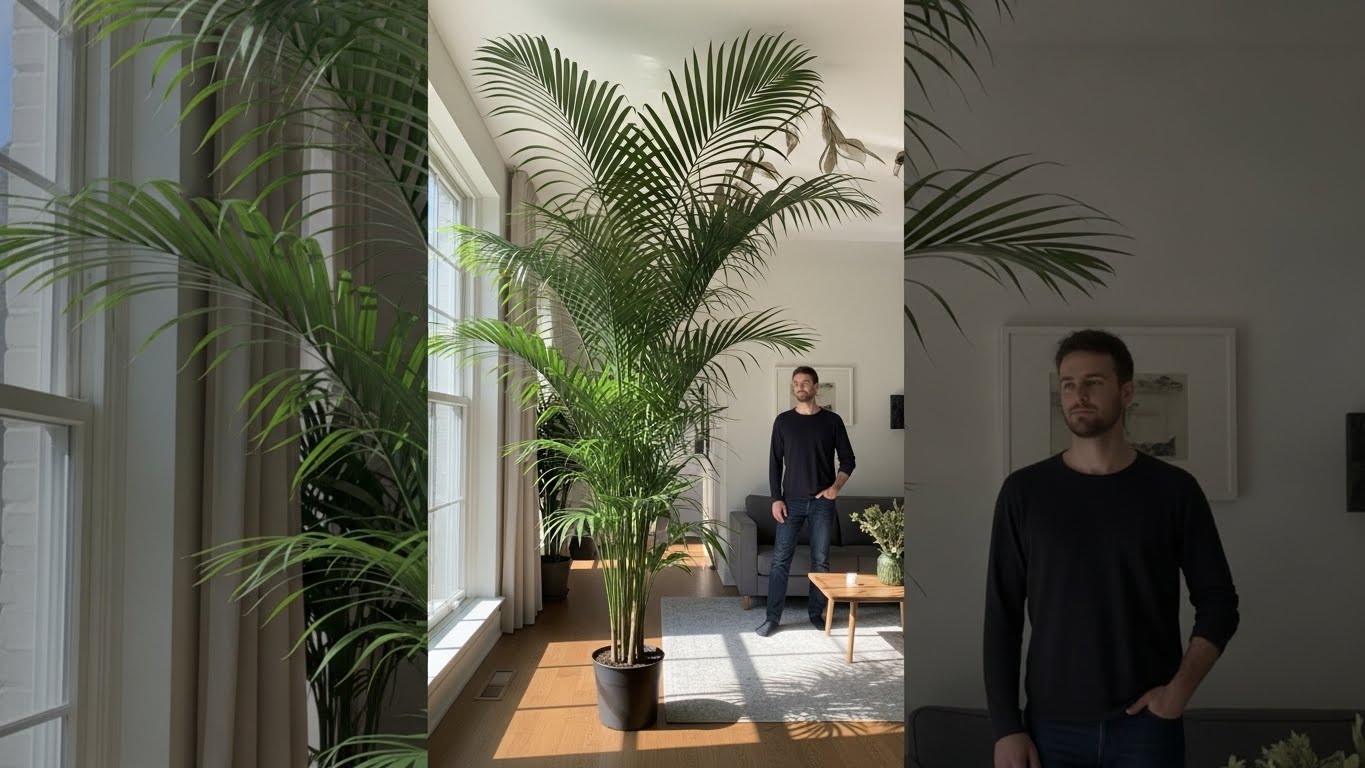
Areca palms are a fantastic choice for U.S. pet owners! These plants, also known as butterfly palms, are non-toxic to cats and dogs, so you don’t have to worry about your furry friends. They thrive in bright, indirect light and enjoy high humidity. Plus, they purify the air! Just keep an eye on your pets to prevent them from chewing. Curious about how to arrange your indoor garden with these palm beauties? You’ll want to keep on exploring!
Key Takeaways
💡 Areca palms not only enhance your home decor but also improve indoor air quality.
➜ Discover the air-purifying benefits
- Areca palms are non-toxic to cats and dogs, making them safe for homes with pets.
- Regularly monitor pets for chewing or scratching behavior to prevent damage to plants.
- Keep Areca palms in bright, indirect light and maintain humidity above 50% for optimal growth.
- Use barriers and pet-safe deterrents to protect plants while training pets to leave them alone.
- Regularly inspect plants for health and educate household members on pet-safe plant choices.
Areca Palms: An Overview
Areca palms, also known as Dypsis lutescens or butterfly palms, are popular houseplants that can brighten up any room with their vibrant green fronds. If you’re diving into indoor gardening, you’ll find that Areca palm care is surprisingly easy. These palms thrive in bright, indirect light, so place them near a window but out of harsh sunlight. Water them when the top inch of soil feels dry, ensuring they don’t sit in water, which can lead to root rot. They love humidity, so misting their leaves can make them feel right at home. With a little attention, your Areca palm can flourish, adding a tropical touch to your space and creating a cozy haven where you can relax and unwind. Areca palms are recognized for their exceptional air-purifying capabilities, making them a great addition to your home environment.
Toxicity Concerns for Pets
When it comes to your furry friends, safety is always a top priority, so you might be wondering about the Areca palm’s safety for pets. Good news—these plants are non-toxic to cats and dogs, making them a great choice for pet owners. If you’re looking for even more pet-friendly options, keep reading to explore some fantastic alternatives!
Areca Palm Safety
While many plant lovers enjoy the beauty of indoor greenery, it’s important to contemplate how these plants might affect our furry friends. The areca palm, known for its elegant fronds, is actually non-toxic to pets, which is a relief for concerned pet owners like you. However, you should still keep an eye on your pets’ behavior around the plant.
- Monitor for any chewing or scratching.
- Guarantee the plant is placed out of reach, if necessary.
- Maintain the palm properly to prevent droppings that might attract curious pets.
Pet-Friendly Plant Options
If you’re a pet owner who loves greenery, you might be wondering which plants are safe to have around your furry friends. Fortunately, there are plenty of pet-safe options to brighten up your home! Consider the spider plant, which thrives in various conditions and is non-toxic to pets. Another great choice is the Boston fern, adding a lush vibe without any worries. If you love succulents, the haworthia is both adorable and safe. When selecting your greenery choices, always check for toxicity, as some plants can harm your beloved pets. By choosing the right plants, you can create a vibrant space that’s both beautiful and safe for your four-legged companions. Happy planting!
Benefits of Areca Palms
Areca palms are not just beautiful plants; they also bring some fantastic benefits into your home. Not only do they help purify the air, making it cleaner for you and your pets, but they’re also completely pet-friendly, so you don’t have to worry about your furry friends getting sick. Plus, their lush, green appearance adds a lovely touch to any room, brightening up your space and boosting your mood!
Air Purification Qualities
When it comes to improving the air quality in your home, few plants can compete with the impressive Areca palm. This beautiful plant not only livens up your space but also works hard to purify the air around you. Here are some key benefits of having an Areca palm:
- It effectively removes harmful toxins from the air, creating a healthier environment.
- The Areca palm increases indoor humidity, which can be especially helpful during dry seasons.
- Its lush foliage adds a touch of nature, making your home feel more inviting.
With the Areca palm by your side, you’re not just enhancing your decor; you’re also investing in better air quality and overall well-being for you and your family.
Pet-Friendly Characteristics
Having a pet can bring joy and companionship, but it’s essential to choose plants that are safe for your furry friends. Areca palms are perfect for this! Not only are they non-toxic, but they also promote positive pet behavior. Your pets can interact with the palm without worry, as they won’t experience any harmful effects if they nibble on a leaf or two.
These beautiful plants can create a calming atmosphere, helping to reduce anxiety for both you and your pets. Plus, their lush foliage encourages playful exploration, making your home feel more vibrant. With areca palms, you can enjoy the benefits of greenery while ensuring your pets are happy and safe, making them an excellent choice for pet owners.
Aesthetic Appeal and Benefits
💡 Keeping your Areca palms healthy is essential, especially in a pet-friendly home.
➜ Learn how to protect your plants
There’s something undeniably enchanting about the lush, feathery fronds of the areca palm that can instantly elevate any space. With their graceful appearance, these palms offer more than just aesthetic benefits; they create a warm, inviting atmosphere. Imagine how they can transform your room into a tropical oasis!
- Visual appeal: The vibrant green leaves bring life and color to any environment.
- Air purification: They help improve indoor air quality by filtering toxins and producing oxygen.
- Low maintenance: Areca palms thrive with minimal care, making them perfect for busy lifestyles.
Bringing an areca palm into your home not only enhances its beauty but also promotes a sense of tranquility. You’ll find that their presence adds a unique charm and warmth to your space.
💡 Winter can be tough on your Areca palms, especially in colder climates.
➜ Get the essential winter care tips
Ideal Placement for Areca Palms
Finding the perfect spot for your Areca palm can make all the difference in keeping it healthy and thriving. These palms love bright, indirect light and moderate humidity levels, so consider placing them near a window where they can soak up the gentle sunshine.
Light Requirements | Humidity Levels |
|---|---|
Bright, indirect light | 50% or higher |
Avoid direct sunlight | Mist regularly |
Keep away from drafts | Use a humidifier |
Rotate regularly | Group with other plants |
Caring for Areca Palms in a Pet-Friendly Home
When you share your home with pets, caring for your Areca palm can be a bit of a balancing act, but it’s absolutely doable! Here are some tips to keep your palm thriving while ensuring your furry friends stay safe:
- Pruning techniques: Regularly trim dead fronds to promote healthy growth and prevent your pet from chewing on them.
- Soil requirements: Use well-draining potting soil to avoid overwatering, which can be harmful to both your palm and pets.
- Placement: Keep your Areca palm in a spot that’s out of reach of playful paws, but still gets plenty of bright, indirect light.
Signs of Plant-Related Issues in Pets
How can you tell if your pet’s been munching on your Areca palm? Keep an eye on their behavior! If you notice any unusual signs, it could mean your furry friend had a little too much plant interaction. Common symptoms can help you identify potential issues.
Signs | What to Observe |
|---|---|
Vomiting | Frequent or sudden vomiting |
Diarrhea | Loose stools or urgency |
Lethargy | Unusual tiredness or weakness |
Loss of Appetite | Ignoring food or treats |
Excessive Drooling | Increased saliva production |
If you spot these signs, it’s best to consult your vet. Understanding your pet’s behavior is key to keeping them safe and healthy!
Alternatives to Areca Palms for Pet Owners
If you love the look of Areca palms but worry about your pets, don’t fret—there are plenty of safe and stylish alternatives! You can easily add some non-toxic houseplants to your home that keep both your space and furry friends happy. Here are a few great options for alternative greenery:
- Boston Fern: Lush and vibrant, it thrives in humidity and is safe for pets.
- Spider Plant: With its arching leaves, it’s not only pet-friendly but also easy to care for.
- Parlor Palm: This elegant plant adds a touch of sophistication and is completely safe for your four-legged companions.
Tips for Keeping Pets Away From Plants
Wondering how to keep your curious pets away from your beloved plants? You’re not alone! Start by setting up plant barriers; decorative fences or pots can create a physical boundary that discourages your furry friends. You can also use pet-safe deterrents, like citrus sprays, to make your plants less appealing.
Alongside these barriers, pet training is key. Teach your pets commands like “leave it” or “no” to help them understand the boundaries. Reward them for ignoring the plants, reinforcing positive behavior.
Lastly, consider placing plants in less accessible areas, like high shelves or hanging baskets. With these tips, you’ll create a harmonious space where your plants and pets can coexist peacefully, ensuring both thrive!
Creating a Safe Indoor Garden Environment
Creating a safe indoor garden environment can be a fun and rewarding experience, especially when you know how to keep both your plants and pets happy. Indoor gardening can thrive alongside your furry friends if you take a few simple steps for plant safety.
- Choose pet-friendly plants, like areca palms, that won’t harm your pets if they nibble.
- Position your plants out of reach, using shelves or hanging baskets to create a safe space.
- Regularly check for any signs of plant toxicity, ensuring your indoor garden stays a safe haven.
Conclusion
To sum up, areca palms can be a fantastic addition to your home, even if you have pets. With their lush green fronds and air-purifying qualities, they bring a slice of paradise indoors. Just keep an eye on your furry friends and make sure to place the palms wisely. By caring for your areca palms and creating a pet-friendly space, you can enjoy the beauty of nature without worry. So, go ahead and invite a little greenery into your life!
💡 Proper care is key to ensuring your Areca palms flourish alongside your pets.
➜ Master the complete care guide


