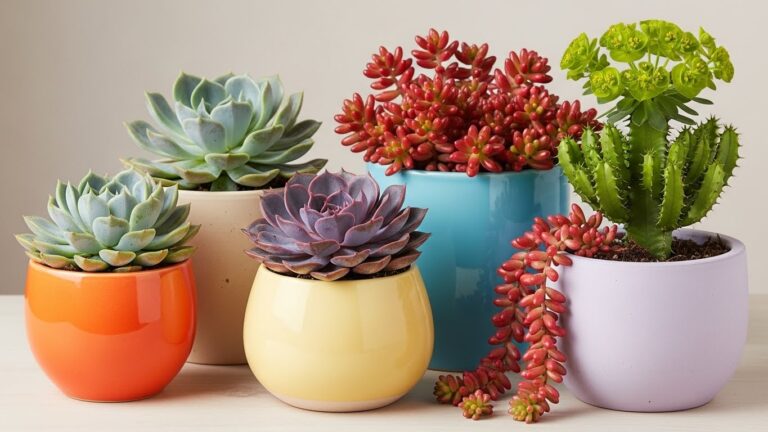
If you’re looking for indoor succulents that thrive in low light, you can’t go wrong with Haworthia, Sansevieria, and Jade plants. These beauties are easy to care for and require minimal attention, making them perfect for busy lifestyles. Just make sure to check the soil dryness before watering, and provide bright, indirect light for best results. With the right soil mix and proper placement, your succulents will flourish. Stick around to learn more about their care and benefits!
Key Takeaways
- Haworthia: Thrives in low light with its unique rosette shape, making it an ideal indoor succulent.
- Sansevieria: Known for its striking leaves, this resilient plant requires minimal care and tolerates low-light conditions.
- Jade Plant: A beautiful indoor succulent that not only survives in low light but is also a symbol of good luck.
- Indoor Varieties: Select specifically adapted succulents for dim conditions to ensure healthy growth and vibrant appearance.
- Minimal Care: These succulents are perfect for busy lifestyles, requiring little maintenance while still thriving indoors.
Best Low-Light Succulents for Your Home
When you think about bringing some greenery into your home, you might worry if your space gets enough sunlight for traditional houseplants. Luckily, there are fantastic low-light adaptations that make it easy to add life to your environment. The best indoor varieties of succulents thrive even in dim conditions. For starters, consider the charming Haworthia, with its unique rosette shape, or the resilient Sansevieria, known for its striking leaves. Another great option is the Jade Plant, which not only looks beautiful but also symbolizes good luck. These plants require minimal care, making them perfect for busy lifestyles. Embrace the joy of indoor greenery, and you’ll find that even in low light, your home can flourish with these delightful succulents!
How to Care for Low-Light Succulents
Taking care of low-light succulents is easier than you might think! You’ll want to pay attention to their watering frequency, choose the right soil mix, and keep an eye on temperature and humidity. By following these simple tips, you can help your succulents thrive, even in less-than-bright spaces! Additionally, ensuring they receive bright, indirect light is crucial for maintaining their health and promoting photosynthesis.
Watering Frequency Tips
Caring for low-light succulents can be a bit tricky, especially when it comes to figuring out how often to water them. Start by checking the soil; if it feels dry an inch down, it’s time to give your plant a drink. During the warmer months, you might need to water every two weeks, while in winter, once a month is usually enough. Keep an eye on the water quality, too—using filtered or distilled water can keep your succulents happy and healthy. Don’t forget to make seasonal adjustments! As the days get shorter, your plants will need less water. Remember, it’s always better to underwater than overwater, so trust your instincts and your plant will thrive!
Ideal Soil Mix
Choosing the right soil mix is essential for keeping your low-light succulents healthy and thriving. A well-balanced soil composition helps your plants absorb nutrients while meeting their drainage requirements. Here’s what you need to evaluate:
- Cactus Mix: Start with a pre-made cactus mix, which provides excellent drainage and aeration.
- Perlite or Pumice: Add perlite or pumice to improve airflow and prevent water retention, ensuring your succulents don’t sit in soggy soil.
- Organic Matter: Incorporate a small amount of organic matter, like compost, to give your plants a nutrient boost without compromising drainage.
Temperature and Humidity
When you’re caring for low-light succulents, understanding their temperature and humidity needs can make a big difference in how well they grow. Most low-light succulents thrive in temperature ranges of 60 to 80°F. Keep them away from chilly drafts or extreme heat—your plants will appreciate the cozy environment!
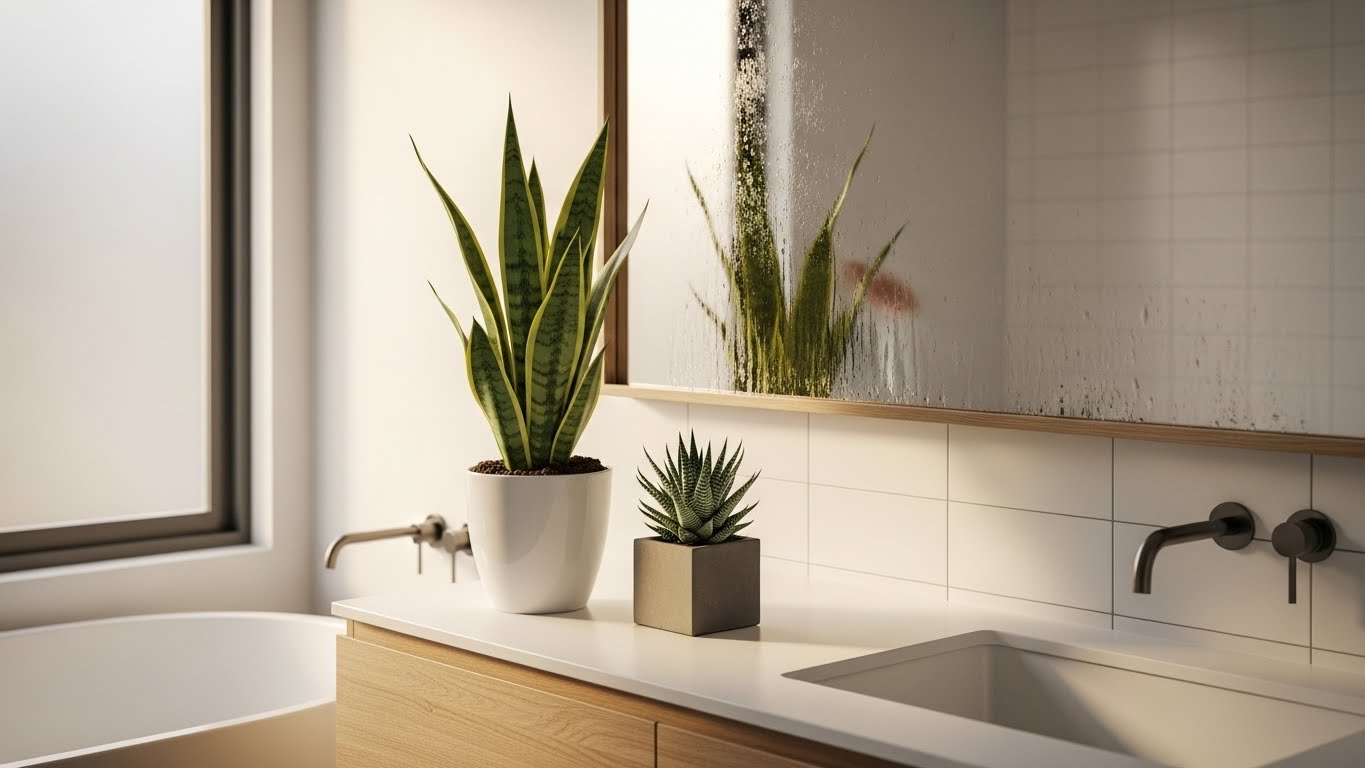
As for humidity levels, succulents prefer a drier atmosphere, ideally around 30 to 50 percent humidity. If your home is too humid, it can lead to mold and rot, so consider using a dehumidifier if needed. Remember, these plants are tough but love a stable home. By paying attention to temperature and humidity, you’ll help your low-light succulents flourish and stay vibrant!
Ideal Locations for Indoor Succulents
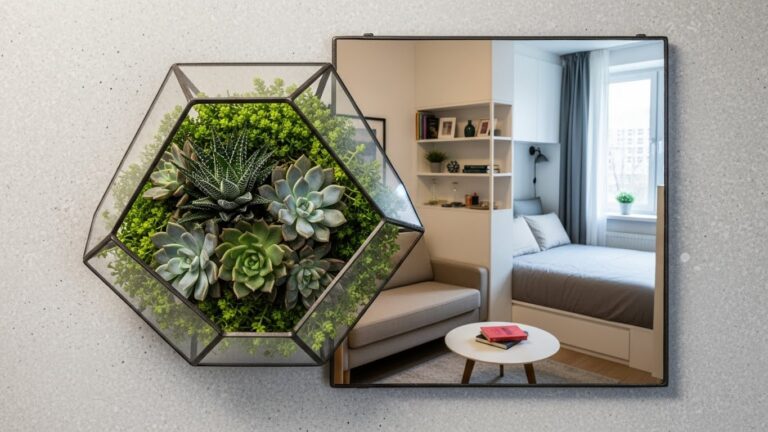
Finding the perfect spot for your indoor succulents can make all the difference in their growth and health. To help you choose the best locations, consider these tips:
- Shelf Placement: Use shelves near indirect light sources. They create a cozy nook for your plants while ensuring they receive enough light.
- Window Options: North or east-facing windows are ideal. They offer gentle, filtered sunlight that your succulents will love without overwhelming them.
- Corner Spaces: If you have a dim corner, try placing your succulents on a stand or in a decorative pot. They’ll thrive with the indirect light, adding charm to your room.
Common Mistakes to Avoid
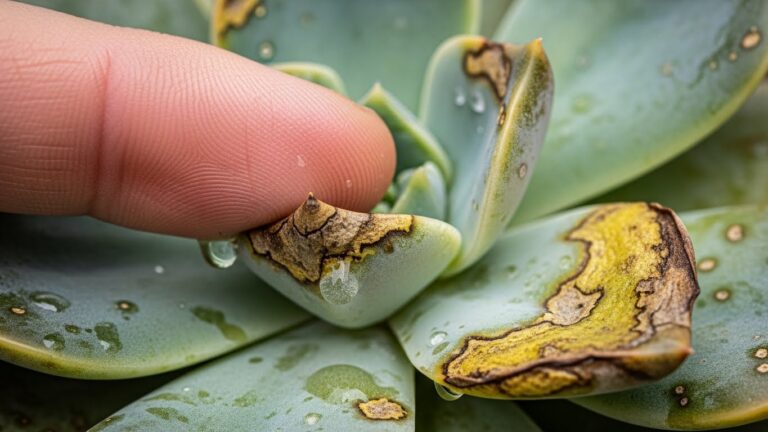
Taking care of indoor succulents can be a fun and rewarding experience, but it’s easy to make mistakes that could harm your plants. One common error is overwatering, which can lead to root rot. Remember, succulents prefer dry soil, so let them dry out between waterings. Also, don’t forget about pest prevention! These little critters can sneak in, especially if you’re not checking your plants regularly. Keep an eye out for signs of trouble, like sticky leaves or webbing. By avoiding these pitfalls, you’ll create a thriving environment for your low-light succulents. Happy gardening, and enjoy watching your little green friends flourish!
Propagating Low-Light Succulents
Propagating low-light succulents is an exciting way to expand your plant collection while enjoying the satisfaction of nurturing new growth. You can easily create more plants using simple propagation methods, like succulent cuttings. Here’s how to get started:
- Choose Healthy Cuttings: Select healthy leaves or stems from your low-light succulents. Verify they’re free from pests and disease.
- Let Cuttings Callous: Allow your cuttings to dry for a few days. This helps prevent rot when you plant them.
- Plant and Water Sparingly: Place your cuttings in well-draining soil, and water them lightly. Keep them in a low-light spot to encourage growth.
With a little patience, you’ll enjoy watching your new succulents thrive!
Benefits of Keeping Succulents Indoors
When you bring succulents indoors, you’re not just adding a splash of green to your space; you’re also reaping a variety of benefits that can enhance your home environment. First off, succulents have amazing health benefits. They help purify the air, making it fresher and easier to breathe. Plus, caring for these plants can bring you joy and reduce stress, creating a more peaceful atmosphere.
Then there’s the aesthetic appeal. With their unique shapes and vibrant colors, succulents can transform any room into a cozy sanctuary. You can mix and match different varieties to create stunning displays. So, go ahead and invite these delightful plants into your home; they’ll brighten your day and improve your living space in more ways than one!
Conclusion
To sum up, adding low-light succulents to your indoor space can bring life and color without needing bright sunlight. With the right care, these hardy plants thrive and can brighten up any corner of your home. So, why not give your living space a little greenery? Remember, keeping succulents healthy is all about finding the right balance of light and water. Start your indoor garden today, and watch your plants flourish in places you never thought possible!