
When it comes to choosing between the Parlor Palm and Kentia Palm, the Parlor Palm is definitely the easier option! It thrives in low light, requires less watering, and can handle dry conditions, making it perfect for busy lifestyles. On the other hand, the Kentia Palm needs bright, indirect light and more humidity. If you’re new to plants or want something low-maintenance, the Parlor Palm is a winner. Keep going to find out more about these delightful palms!
Key Takeaways
- Parlor Palm is easier for beginners due to its low maintenance needs and resilience to neglect.
- Kentia Palm requires more attention, particularly in terms of light and humidity levels.
- Parlor Palm thrives in lower light conditions, making it suitable for various indoor environments.
- Kentia Palm prefers bright, indirect light and can grow significantly taller, needing more space.
- Both palms are disease-resistant, but Parlor Palm is more forgiving of dry conditions.
Overview of Parlor Palm
The Parlor Palm, scientifically known as Chamaedorea elegans, is a popular houseplant that brings a touch of tropical flair to any indoor space. To keep your Parlor Palm thriving, it’s essential to follow some simple care tips. Make sure it gets indirect sunlight, as too much direct light can scorch its leaves. Water it when the top inch of soil feels dry, but don’t overwater—it hates soggy roots!
Watch for common issues like yellowing leaves, which can signal overwatering or low light. If you notice spider mites, a gentle shower can help wash them away. Additionally, this plant is recognized for its air-purifying capabilities, making it a great choice for improving indoor air quality. With a bit of love and attention, your Parlor Palm will flourish, adding joy and greenery to your home.
Overview of Kentia Palm
Kentia Palm, known scientifically as Howea forsteriana, is a stunning addition to any indoor garden, offering a graceful touch of elegance. Originating from the picturesque Lord Howe Island in Australia, this palm captivates with its unique kentia palm characteristics. You’ll love how it brings a tropical vibe indoors, making any space feel more inviting. Here are three reasons to adore the Kentia Palm:
- Low Maintenance: It thrives with minimal attention, making it perfect for busy lifestyles.
- Air Purifier: It helps improve indoor air quality, creating a healthier environment for you.
- Versatile Decor: Its tall, arching fronds fit seamlessly into any room style, enhancing your home’s charm.
With the Kentia Palm, you’re choosing beauty and ease.
Light Requirements
When it comes to growing a Kentia Palm, understanding its light requirements is key to keeping it healthy and thriving. These palms love bright, indirect light, which means you should avoid placing them in direct sunlight, as too much light intensity can scorch their leaves. Instead, find a cozy spot where they can soak up plenty of gentle light throughout the day. Aim for about 10-12 hours of light duration daily, and your Kentia will flourish. If you notice the leaves losing their vibrant color or becoming leggy, it might be time to adjust their location. Remember, a happy Kentia Palm brings life and joy to your space, so give it the light it craves!
Watering Needs
Watering your Kentia Palm is essential for its overall health and growth, as too much or too little water can lead to serious problems. To keep your palm thriving, consider these watering needs:
- Watering frequency: Water your Kentia Palm every 1-2 weeks, allowing the top inch of soil to dry out between waterings.
- Watering methods: Use the soak-and-dry method, thoroughly watering the plant and ensuring excess water drains away; this helps prevent root rot.
- Signs of distress: Watch for yellowing leaves or wilting, which are cries for help, signaling it’s time to adjust your watering routine.
Humidity Preferences
When it comes to humidity preferences, both the Parlor Palm and Kentia Palm have unique needs that can make or break their growth. You’ll want to keep in mind the ideal humidity levels and how adaptable each palm is to dry conditions. Plus, with a few simple humidity care tips, you can create a thriving environment for your green friends!
Ideal Humidity Levels
To guarantee your Parlor Palm and Kentia Palm thrive, it’s essential to understand their ideal humidity preferences. Both plants love humidity, so keeping them happy is key. Aim for humidity levels between 50% and 70%. That might sound tricky, but with a little humidity control and monitoring, you can create a cozy environment for them.
Here are three tips to help you maintain the right humidity:
- Use a humidifier to boost moisture in dry conditions.
- Mist your plants regularly to keep them refreshed and vibrant.
- Group your plants together; they’ll create a mini humid microclimate.
Adaptability to Dryness
Although both the Parlor Palm and Kentia Palm thrive in humid conditions, they show surprising adaptability when faced with drier air. You’ll find that the Parlor Palm is particularly resilient, managing well in dry conditions and even exhibiting decent drought tolerance. It can handle occasional neglect, making it perfect for those busy days when you forget to water. The Kentia Palm, while slightly less tolerant of dryness, still holds its own, adapting gracefully to lower humidity levels. With both palms in your home, you can enjoy their beauty without constantly worrying about humidity. So, if your environment shifts toward drier conditions, don’t fret—these palms are ready to adjust and thrive alongside you!
Humidity Care Tips
Since both the Parlor Palm and Kentia Palm flourish in humid environments, it’s essential to create a suitable atmosphere for them to thrive. You can easily enhance humidity levels in your home by incorporating a few simple practices. Here are some tips to help you nurture your green companions:
- Use a Humidifier: This device can be a game-changer, providing consistent humidity sources for your plants.
- Group Your Plants: By placing your palms together, they’ll naturally create a microclimate, acting as humidity indicators for each other.
- Misting: Regularly misting your palms not only boosts humidity but also shows your love and care.
Soil and Potting Considerations
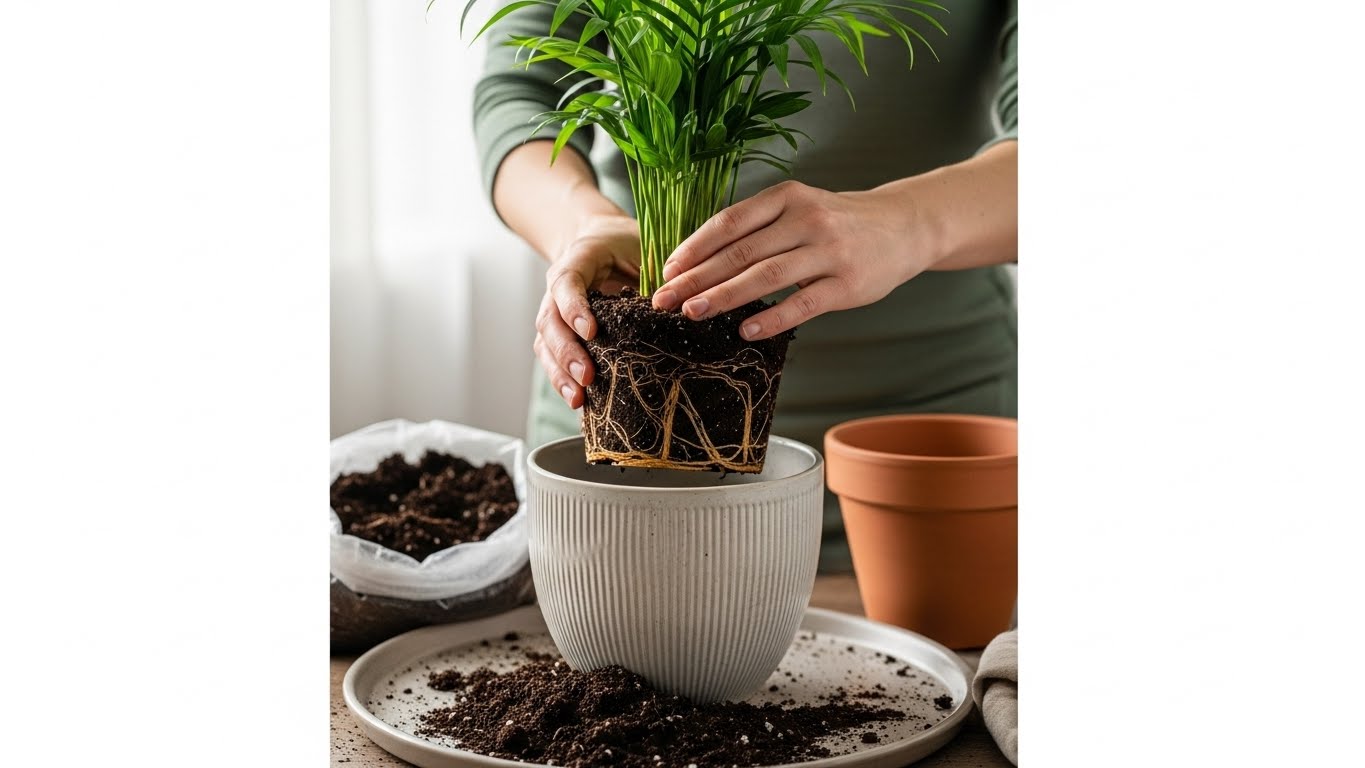
When you’re choosing the right soil and potting method for your Parlor Palm or Kentia Palm, you’ll want to keep a few important factors in mind to assure your plants thrive. Both palms prefer well-draining soil types, so a mix containing peat, perlite, and pine bark works wonders. This blend assures moisture retention without suffocating the roots. When it comes to potting materials, choose containers with drainage holes to prevent waterlogging. As you pot your palm, gently loosen the roots and place it in the center of the new pot, filling in with soil around it. Remember, your palms will flourish in a cozy, supportive environment, so give them the right mix to grow strong and beautiful!
Growth Rate and Size
When you’re choosing between a Parlor Palm and a Kentia Palm, it’s important to think about their growth rates and sizes. The Parlor Palm tends to grow slower and stays smaller, making it a great fit for cozy spaces, while the Kentia Palm can reach impressive heights, adding a touch of drama to your room. Understanding these differences will help you select the perfect palm for your home!
Growth Rate Comparison
Understanding the growth rates of the Parlor Palm and Kentia Palm can help you decide which plant fits best in your space. Both palms have unique growth factors that influence their development.
- Parlor Palm: It grows slowly, reaching about 2-4 feet tall in a few years, perfect for cozy corners.
- Kentia Palm: This beauty grows faster, often reaching heights of 6-10 feet, making it a stunning focal point.
- Size Differences: Parlor Palms stay compact, while Kentia Palms can fill a larger area, which can change the feel of your home.
Expected Plant Size
You might be surprised to learn just how different the expected sizes of the Parlor Palm and Kentia Palm can be! The Parlor Palm typically reaches a plant height of about 3 to 4 feet, making it perfect for cozy spaces. Its graceful fronds have a leaf spread of 2 to 3 feet, adding a touch of elegance without overwhelming your room. On the other hand, the Kentia Palm can grow taller, often reaching 6 to 10 feet, which gives it a more dramatic presence in any setting. With a leaf spread of 3 to 4 feet, it brings a lush vibe that captures attention. So, whether you prefer a compact beauty or a towering statement, both palms have unique charms!
Pest and Disease Resistance
Pest and disease resistance is essential for keeping your indoor plants healthy and thriving, and both the Parlor Palm and the Kentia Palm have their strengths in this area. You’ll appreciate knowing that they both tend to resist common pests and diseases, making them great choices for your home. Here’s a quick look at their resistance features:
- Parlor Palm: Known for its natural pest resistance, it often avoids issues with spider mites and mealybugs.
- Kentia Palm: It shows impressive disease resistance, particularly against root rot when cared for properly.
- Both: With minimal fuss, they offer a sense of security, allowing you to enjoy your plants without constant worry.
Choose the one that speaks to your heart, and you’ll find joy in their resilience!
Pruning and Maintenance
When it comes to pruning and maintenance, understanding the differences between the Parlor Palm and Kentia Palm can really help you keep your plants healthy and thriving. You’ll notice that these two palms have different pruning frequency needs and care requirements, which can affect their growth rates. By learning how to properly care for each type, you can guarantee they flourish in your home!
Pruning Frequency Differences
Pruning is an essential part of keeping your indoor plants healthy and vibrant, and knowing how often to prune your Parlor Palm and Kentia Palm can make all the difference.
Here’s how they differ in pruning frequency:
- Parlor Palm: You’ll want to prune it every 6-12 months, using gentle pruning techniques to remove any yellow or brown fronds.
- Kentia Palm: This beauty requires pruning about every 4-6 months, focusing on the dead or damaged leaves to maintain its elegant shape.
- Tools: Invest in quality pruning tools like sharp scissors or shears to make your pruning experience smooth and enjoyable.
Care Requirements Comparison
In order to keep your Parlor Palm and Kentia Palm thriving, it’s essential to understand their distinct care requirements, especially regarding pruning and maintenance. The Parlor Palm is a fantastic option for beginners, as it requires minimal pruning; just remove any yellowing fronds to maintain its health. On the other hand, the Kentia Palm, while still manageable, has slightly higher care difficulty. You’ll want to trim its fronds more regularly to promote a lush appearance. Both plants appreciate a good dusting now and then, which can be a fun bonding activity. Overall, if you’re just starting out, the Parlor Palm is your best bet, but either choice can bring joy to your home with the right care and attention.
Growth Rate Impact
Understanding how pruning and maintenance affect the growth rate of your Parlor Palm and Kentia Palm can help you make the most of your indoor garden. Both palms have unique growth habits that influence their size potential. Here’s how you can nurture them:
- Regular Pruning: Trim dead or yellowing fronds to encourage healthy growth and keep your plant looking vibrant.
- Consistent Watering: Keeping your palms well-watered, but not soggy, helps them thrive and reach their full potential.
- Optimal Lighting: Place your palms in bright, indirect light to promote strong, steady growth.
Final Thoughts on Care and Adaptability
When you choose between a Parlor Palm and a Kentia Palm, you’ll find that both plants have some unique care requirements and adaptability traits that can make them great additions to your home. The final care for each is relatively simple, but their adaptability factors can set them apart. The Parlor Palm thrives in low light and tolerates neglect, making it perfect for busy lifestyles. In contrast, the Kentia Palm prefers brighter spots and needs a bit more attention, especially regarding humidity. Your choice depends on your environment and how much time you can dedicate to care. Ultimately, both plants can flourish and bring life into your space, so think about your home’s conditions and your personal style before making a decision!
Conclusion
To sum up, whether you choose the parlor palm or kentia palm, both are fantastic options for your indoor jungle. The parlor palm’s charm and adaptability might make you feel like you’ve just stepped into a Victorian drawing room, while the kentia palm’s elegance adds a touch of tropical flair. With the right light, water, and care, you can enjoy these beauties for years. So, get ready to green up your space and let these palms thrive!


