
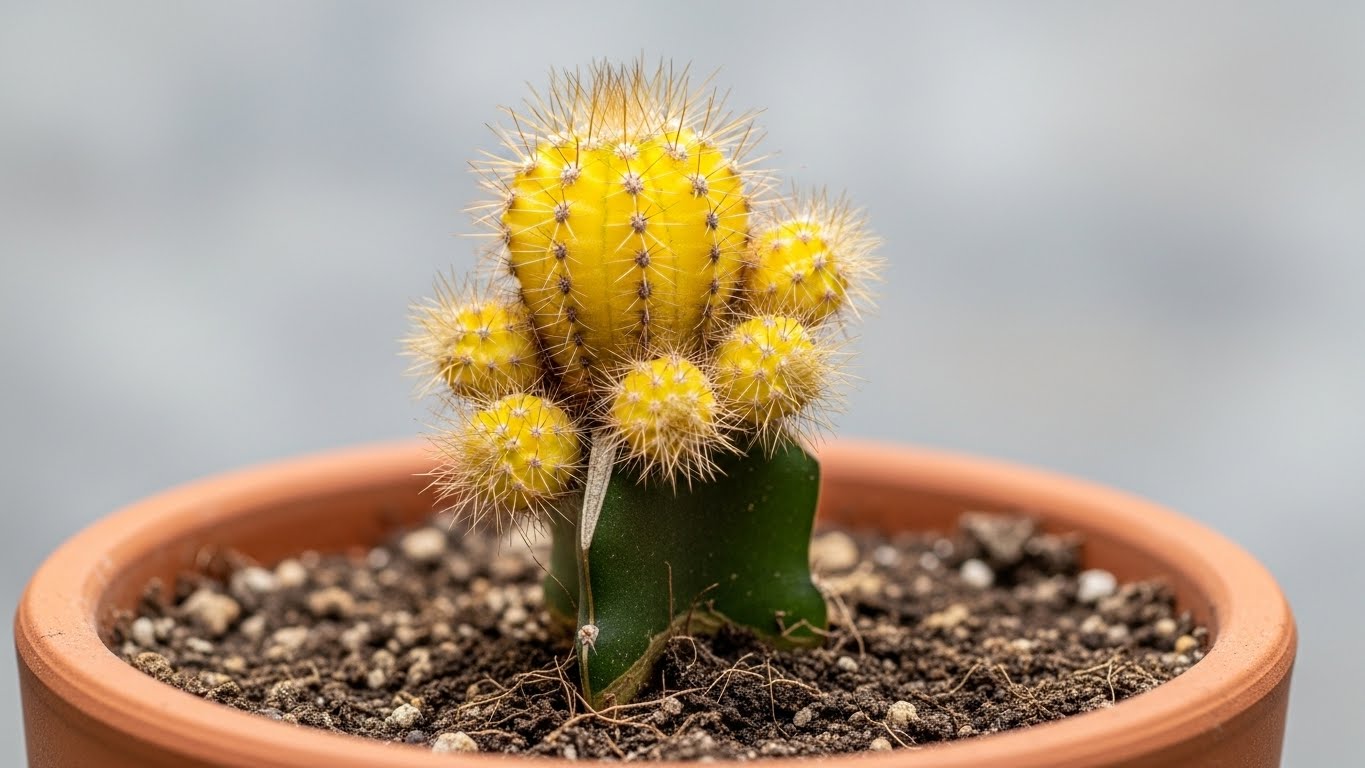
If your mini cactus is turning yellow or soft, it’s likely due to a care issue. Overwatering is the usual suspect; cacti need dry soil, so check if it’s soggy. Poor drainage can also trap water around roots, causing rot. Additionally, insufficient sunlight or even pest infestations might be in play. Keep an eye on these factors, and your cactus can bounce back. Stick around, and you’ll uncover more tips to keep your cactus thriving!
Key Takeaways
💡 Choosing the right planter is crucial for your mthis cactus’s health.
➜ Discover the best planters
- Yellowing may indicate over-fertilization, leading to nutrient imbalance in your cactus.
- Softness in the cactus can signal overwatering and potential root rot issues.
- Insufficient light exposure could cause your cactus to weaken and change color.
- Check for pest infestations, as they can lead to distress and yellowing.
- Natural aging may also cause color changes; observe if it’s part of the lifecycle.
Overwatering: The Hidden Culprit
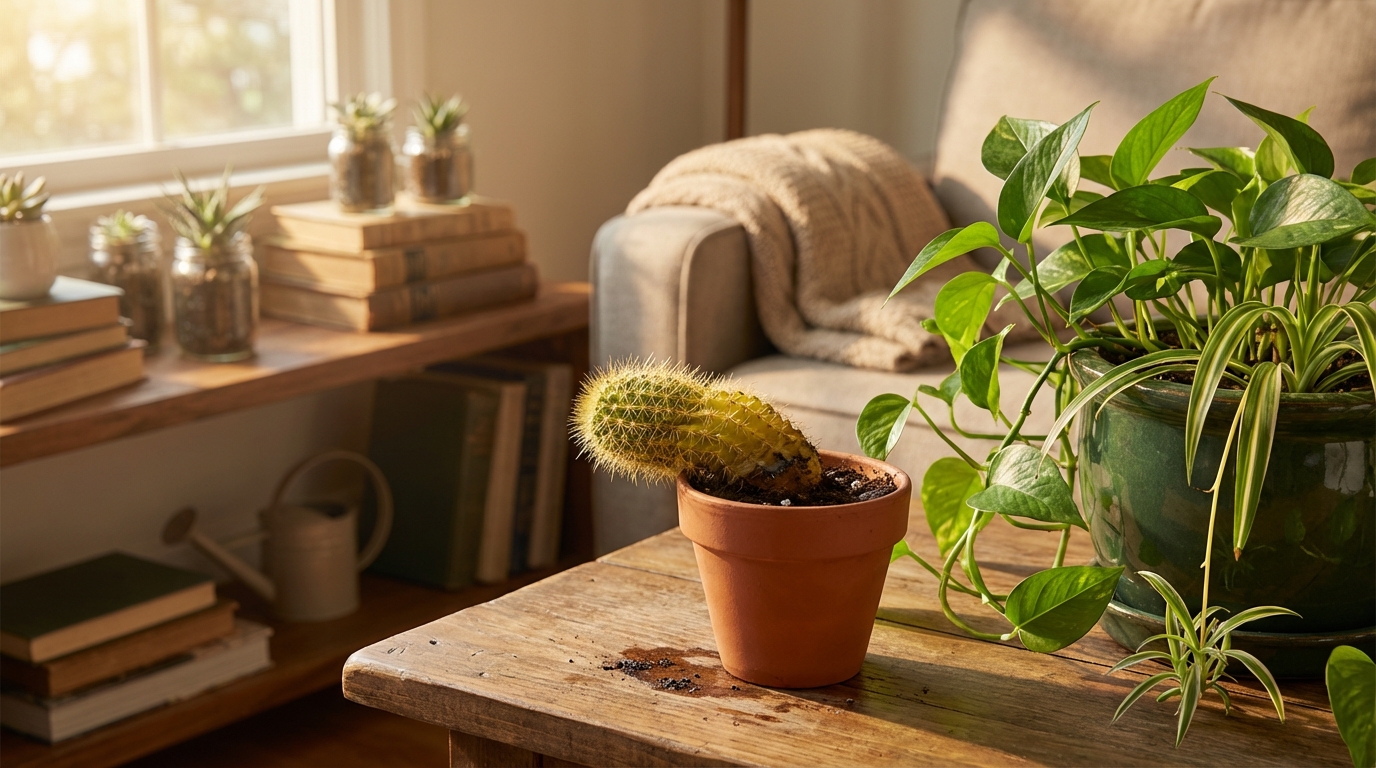
When you first get your mini cactus, it’s easy to think that giving it plenty of water will help it thrive, but overwatering can actually be the hidden culprit behind many cactus care mistakes. Cacti love their dry environment, so it’s essential to monitor soil moisture closely. Instead of pouring water in a rush, consider using specific watering techniques. Try checking the soil with your finger; if it feels dry an inch down, it’s time to hydrate. Water thoroughly, but let it drain completely, avoiding any standing water. Remember, your cactus prefers to be on the drier side, so resist the urge to keep it soggy. By understanding its needs, you’ll help your mini cactus flourish beautifully! Additionally, using the soak and dry method for watering is crucial to prevent root rot.
Underwatering: A Common Misstep
When caring for your mini cactus, underwatering can sneak up on you just as easily as overwatering. You might notice some telltale signs, like shriveled stems or a dull appearance, which indicate your cactus is thirsty. To keep your plant happy, it’s essential to establish a proper watering schedule that suits its needs!
Signs of Underwatering
If you’ve ever noticed your mini cactus looking a bit sad and droopy, it might be trying to tell you it’s thirsty! One of the main causes of underwatering is simply forgetting to water your little friend regularly. Keep an eye out for signs of dehydration, like wrinkled or soft spots on the cactus. Its vibrant green color may fade, signaling that it needs a drink. You might also see the soil pulling away from the pot’s edges, indicating it’s bone dry. If you spot any of these signs, don’t panic! Just give it some water, and your cactus should perk up in no time. Remember, a happy cactus is a healthy cactus, so stay attentive!
Proper Watering Schedule
Establishing a proper watering schedule is essential for keeping your mini cactus thriving, especially since underwatering can be a common misstep for many plant owners. You’ll want to choose watering techniques that suit your cactus’s needs. Generally, wait until the soil feels dry at least an inch down, then give it a good soak. Pay attention to moisture levels; too little water can lead to yellowing or soft spots. Remember, your mini cactus prefers a dry environment, so don’t overdo it! During the growing season, every two to three weeks should suffice, while in winter, you can cut back to once a month. With a little care, your cactus will flourish, and you’ll enjoy its charming company!
Poor Drainage: The Importance of Soil
When it comes to keeping your mini cactus healthy, the right soil can make all the difference. You’ll want to think about soil composition, pot size, and why a drainage hole is a must. Without proper drainage, your cactus might face serious issues, so let’s explore how to set it up for success!
Soil Composition Matters
Soil composition is essential for keeping your mini cactus healthy and thriving, and understanding its importance can make all the difference. The right mix helps maintain the perfect soil pH, ensuring your cactus can absorb nutrients effectively. A well-draining soil with minimal organic matter prevents water from sitting around the roots, which can lead to rot. You want a blend that includes gritty materials like sand or perlite, allowing excess moisture to escape. Too much organic matter can hold onto water, creating an unhealthy environment for your cactus. By choosing the right soil, you’re giving your mini cactus the best chance to flourish, bringing joy to your space while keeping it vibrant and lively.
Pot Size Considerations
Choosing the right pot for your mini cactus is just as vital as selecting the perfect soil. A suitable pot size not only gives your cactus room to grow, but it also helps with proper drainage, preventing that dreaded yellowing or softness. Here are three key considerations:
- Root Space: Verify the pot is big enough for the roots to spread comfortably without being cramped.
- Height: A slightly taller pot allows for better moisture retention, which can be significant in hot weather.
- Width: A wider pot can help stabilize your cactus, preventing it from tipping over as it grows.
Drainage Hole Necessity
A pot with a proper drainage hole is key to keeping your mini cactus happy and healthy. Without it, excess water can build up, leading to root rot and that sad yellow or soft appearance you want to avoid. Here are some essential drainage solutions and potting techniques to evaluate:
Pot Type | Drainage Feature | Benefits |
|---|---|---|
Terracotta | Porous material | Absorbs excess moisture |
Plastic | Drainage holes | Lightweight and colorful |
Ceramic | Glazed interior | Stylish and moisture-retaining |
Excessive Sunlight: The Dangers of Too Much Light
While it might seem like cacti thrive under the blazing sun, too much sunlight can actually spell trouble for your mini cactus friends. You might notice that their vibrant colors start to fade or turn yellow, a sign that they’re struggling with excessive light intensity. Even though cacti love sunshine, they have specific shade requirements to stay healthy and happy.
Too much sunlight can harm cacti; watch for fading colors and provide necessary shade for their health.
Here are three things to take into account:
- Monitor Sunlight Duration: Limit direct sunlight exposure to a few hours daily.
- Provide Afternoon Shade: Protect your cactus from the harsh afternoon rays.
- Rotate Regularly: Change your cactus’s position to guarantee even light distribution.
Pest Infestation: Identifying Unwanted Guests
💡 Overwatering is a common issue that can lead to yellowing or softness in your mthis cactus.
➜ Learn about overwatering signs
Have you ever noticed tiny, unwelcome visitors on your mini cactus? These pests can cause your beloved plant to turn yellow or soft, and it’s crucial to tackle them head-on. Start with pest identification—look for mealybugs, spider mites, or aphids, which often hide in the nooks and crannies of your cactus. You might see tiny webs or cottony masses; that’s your clue!
For treatment options, try gently wiping your cactus with a soft cloth dipped in soapy water to dislodge these pests. If the infestation worsens, consider using insecticidal soap or neem oil. Remember, early detection is crucial, so keep an eye on your mini cactus to make sure it stays happy and healthy!
💡 If your mthis cactus is showing signs of distress, it’s essential to act quickly.
➜ Get solutions for shriveling
Temperature Stress: Impact of Extreme Conditions
Extreme temperatures can put your mini cactus under serious stress, affecting its health and growth. When exposed to temperature extremes, your cactus may show signs of distress, like yellowing or softness. It’s crucial to protect your little friend from these harsh conditions. Here are some tips to help you manage temperature stress:
Extreme temperatures can seriously stress your mini cactus, leading to distress signs like yellowing or softness. Protect your little friend!
- Avoid Cold Exposure: Keep your cactus indoors during chilly nights or bring it inside if temperatures drop unexpectedly.
- Maintain a Stable Environment: Try to keep your cactus in a spot with consistent temperatures, away from drafts or direct air conditioning.
- Monitor Humidity Levels: High humidity can make temperature extremes feel worse, so guarantee proper airflow around your cactus.
Nutrient Deficiency: Feeding Your Cactus
Nutrient deficiencies can sneak up on your mini cactus, just like temperature stress can, and they can lead to problems that affect its growth and overall health. To keep your little green buddy thriving, you’ll want to choose the right fertilizer types. Look for a balanced, water-soluble cactus fertilizer, ideally one that’s low in nitrogen. As for feeding frequency, aim to fertilize every four to six weeks during the growing season—spring and summer. Remember, less is often more! Over-fertilizing can harm your cactus, too. So, pay attention to its needs, and don’t hesitate to adjust your routine if you notice any yellowing or softness. With a bit of care, your cactus will flourish and stay vibrant!
Natural Aging: Accepting the Cycle of Life
As your mini cactus grows and matures, it’s important to understand that aging is a natural part of life, just like it is for us humans. Embracing your cactus’s natural lifecycle can deepen your bond and appreciation for its journey. Here are three things to keep in mind:
- Natural Resilience: Cacti have a remarkable ability to adapt, showing you how to thrive even as they age.
- Color Changes: You might notice your cactus turning yellow or soft; it could simply be a sign of its life stage.
- Growth Cycles: Every cactus has its own timeline, so be patient and enjoy the beauty of each phase.
Accepting these changes helps you appreciate the resilient spirit of your mini cactus as it matures.
Frequently Asked Questions
Can I Save a Yellowing Cactus, or Is It Too Late?
You can save a yellowing cactus! Act quickly by adjusting its light, reducing watering, and checking for pests. With proper recovery methods, you’ll help it bounce back and thrive again. Don’t lose hope!
How Do I Know if My Cactus Needs Repotting?
You’ll know it’s time for repotting when you see roots poking through the drainage holes or if growth slows. A healthy cactus thrives with space, so don’t hesitate to give it a fresh start!
What Type of Soil Is Best for Mini Cacti?
Think of your mini cactus as a delicate dancer; it needs the right stage. Use cactus soil types with excellent drainage to keep it thriving. A well-draining mix guarantees your little friend flourishes and avoids stress.
Are There Specific Fertilizers for Cacti I Should Use?
You’ll want to use a cactus-specific fertilizer for ideal cactus care. Look for slow-release or diluted liquid options. These fertilizer types help nourish your mini cacti without overwhelming them, promoting healthy growth and vibrant color.
How Often Should I Check for Pests on My Cactus?
You should check your cactus for pests every few weeks. Regular pest identification and using prevention methods keep your plant healthy and thriving. It’s a small effort that makes a big difference in your cactus’s life.
Conclusion
To sum up, caring for your mini cactus can feel like a balancing act, much like walking a tightrope. If you pay attention to watering, sunlight, and soil, your cactus can thrive. Remember, just like us, plants sometimes show signs of stress, so don’t be discouraged by yellowing or softness. With a little patience and the right care, you can help your spiky friend bounce back and flourish, bringing a touch of the desert to your home!
💡 The right soil mix is vital for preventing issues like yellowing or softness.
➜ Explore the ideal soil mix


