

If your mini cactus starts shriveling, it’s time to act! First, check your watering habits; it might need more moisture, but avoid overwatering. Examine its light exposure—ensure it gets bright, indirect sunlight. Look for pests or diseases as they can contribute to the problem. Finally, assess soil drainage and temperature stability. With a few adjustments and some gentle care, your cactus can bounce back to health. Let’s explore more ways to keep your cactus thriving!
Key Takeaways
💡 If your mthis cactus is shriveling, it might be facing other issues too.
➜ Discover proven techniques
- Assess watering practices; ensure the soil is dry an inch down before watering every two to three weeks.
- Place the cactus in bright, indirect light to prevent further shriveling and promote recovery.
- Check for pests or diseases, inspecting for discoloration or unusual spots on the cactus.
- Gently rehydrate the cactus by moistened soil without overwatering, and monitor for signs of improvement.
- Maintain a stable environment with consistent warm temperatures and low humidity for long-term health.
Understanding the Causes of Shriveling in Mini Cacti
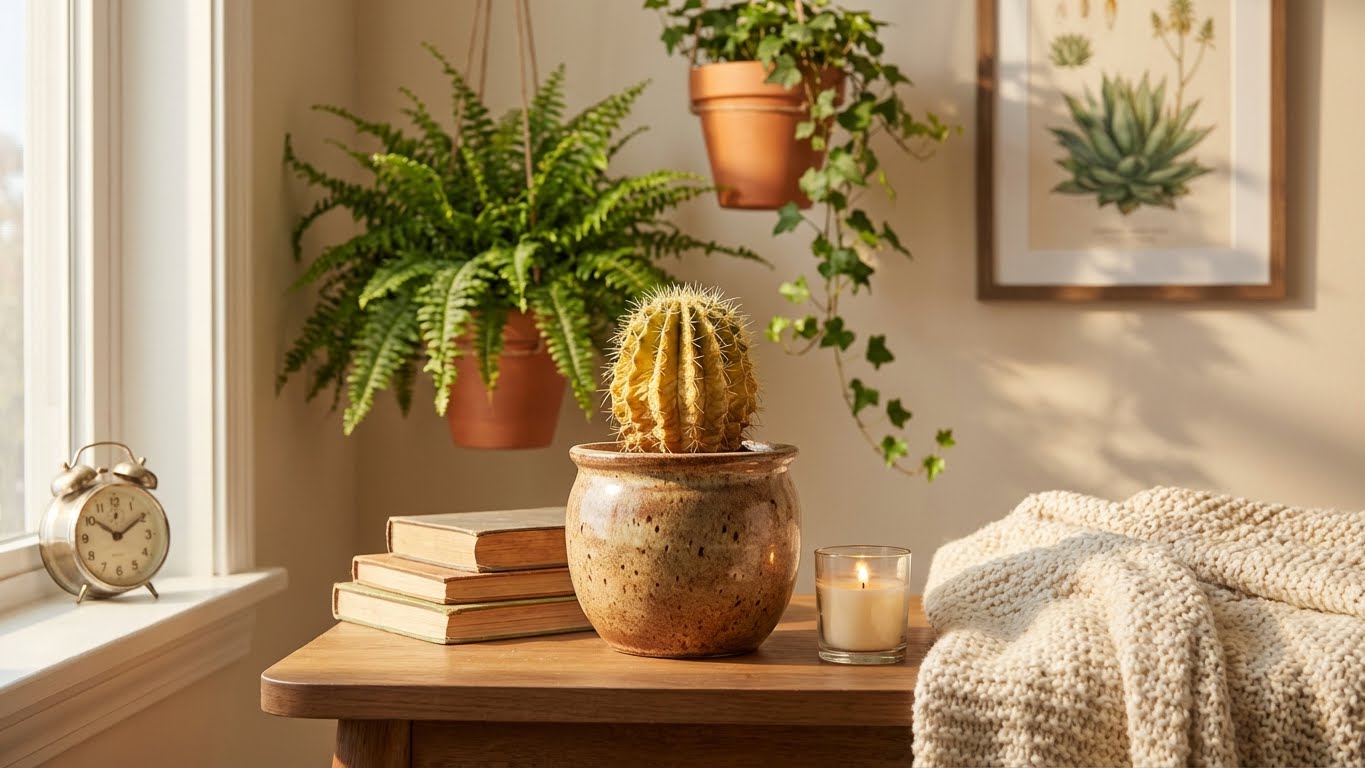
When you notice your mini cactus starting to shrivel, it can be a bit concerning, but don’t worry—understanding the causes can help you take action! A causes overview reveals that environmental factors play a significant role in your cactus’s health. For instance, too much direct sunlight can scorch those delicate spines, while insufficient light can lead to weakness. Temperature fluctuations can also stress your plant; mini cacti thrive in warm, stable conditions. Additionally, dry air or extreme humidity can impact your cactus’s ability to retain moisture, causing it to shrivel. By recognizing these factors, you can create a nurturing environment that allows your mini cactus to flourish again, bringing joy to your space and heart! Remember to provide 4 to 6 hours of light daily to ensure your cactus receives adequate sunlight.
Assessing Watering Practices
When your mini cactus starts shriveling, it’s time to take a closer look at how you’re watering it. Overwatering can lead to some sneaky signs like mushy stems or yellowing leaves, so keep an eye out for those clues. Finding the right watering frequency is key, and you’ll want to strike a balance to keep your cactus happy and healthy!
Overwatering Signs to Watch
You might not realize it, but overwatering is one of the most common mistakes when taking care of mini cacti, and spotting the signs early can save your little plant from serious damage. Keep an eye out for these overwatering symptoms:
Sign | Description |
|---|---|
Wilting | Leaves seem limp and droopy |
Discoloration | Yellowing or browning of the skin |
Root Rot | Roots appear mushy or blackened |
If you notice these signs, it’s essential to adjust your watering practices immediately. Remember, mini cacti thrive on neglect, so less can be more. Don’t let root rot become a sad reality for your cherished plant; stay alert and give it the care it deserves!
Ideal Watering Frequency
Figuring out the ideal watering frequency for your mini cactus can feel like solving a puzzle, especially since these resilient plants thrive in arid conditions. To keep your cactus happy, try sticking to a simple watering schedule. Generally, watering every two to three weeks works well, but it’s essential to check the moisture levels in the soil first. Stick your finger in the soil—if it feels dry an inch down, it’s time to water. Remember, it’s better to underwater than overwater, so don’t be afraid to wait a bit longer between drinks. Adjust your routine based on your cactus’s environment, and soon, you’ll have a thriving little green friend!
Evaluating Sunlight Exposure
How can you tell if your mini cactus is getting the right amount of sunlight? Start by observing its posture—if it’s stretching toward a light source, it’s likely craving more sunshine. Mini cacti have specific sunlight requirements, usually thriving in bright, indirect light for several hours daily. If you notice it’s turning pale or shriveling, it might not be receiving enough light. Check where you’ve placed your cactus; windowsills or areas with filtered sunlight are ideal light sources. However, too much direct sunlight can also be harmful, causing sunburn. Aim for balance, and adjust its location as needed. With the right sunlight, your cactus will perk up and flourish, showing you just how resilient it can be!
Checking for Pests and Diseases
Now that you’ve checked your mini cactus’s sunlight situation, it’s time to keep an eye out for pesky pests and diseases that could be causing it to shrivel. Look closely at the plant for any signs of common cactus pests like mealybugs or spider mites, and be aware of symptoms like discoloration or unusual spots that might indicate a disease. Catching these issues early can make all the difference in saving your little green friend!
Common Cactus Pests
When you notice your mini cactus starting to shrivel, it’s essential to check for common pests and diseases that could be causing trouble. Look closely at your cactus for common insects like mealybugs, spider mites, and scale. These little critters can sap the life out of your plant, leading to shriveling and distress. Don’t worry, though; pest control can be a straightforward process. If you spot any pests, you can gently wipe them off with a damp cloth or use insecticidal soap. Regularly inspecting your cactus helps catch these issues early, ensuring your plant stays healthy and vibrant. Remember, keeping an eye out for pests is just as important as watering and sunlight!
Identifying Disease Symptoms
Identifying disease symptoms in your mini cactus can be just as important as checking for pests. For effective disease identification, you’ll need to practice symptom recognition. Look for changes in color, texture, or growth patterns on your cactus.
Symptom | Possible Cause | Action Needed |
|---|---|---|
Yellowing Skin | Overwatering or rot | Adjust watering routine |
Brown Spots | Fungal infection | Remove affected areas |
Wilting or Shriveling | Underwatering | Increase watering |
White Cotton-Like | Mealybugs or scale | Treat with insecticidal soap |
Adjusting Soil and Potting Conditions
Adjusting the soil and potting conditions can make a big difference when your mini cactus starts shriveling. First, check the soil composition. Cacti thrive in well-draining soil, so consider using a cactus mix or adding sand to standard potting soil. This helps prevent root rot, which can cause that sad shriveling effect. Next, think about pot size. If your cactus is in a pot that’s too big, it might hold too much moisture. Choose a snug pot that allows for some growth but isn’t overwhelming. These adjustments create a happier environment for your mini cactus, giving it the support it needs to thrive. Remember, a little change can lead to big improvements in your plant’s health!
Implementing Proper Humidity Levels
Implementing the right humidity levels is key to keeping your mini cactus healthy and vibrant. Cacti thrive in low humidity environments, so you’ll want to guarantee proper humidity control. If your home’s air is too moist, it can lead to issues like rot. To help with moisture retention, consider placing your cactus in a well-ventilated spot where it can dry out quickly after watering. If you live in a humid area, using a dehumidifier can be beneficial. Additionally, avoid misting your cactus; instead, focus on watering the soil directly. Remember, your mini cactus loves dry air, so monitor the humidity levels and adjust as needed. Keeping these tips in mind will help your little friend stay spirited and thriving!
💡 Understanding the signs of distress in your mthis cactus is crucial for its recovery.
➜ Learn the complete strategy
Recognizing Temperature Fluctuations
While it might seem like a mini cactus can thrive in just about any environment, recognizing temperature fluctuations is essential for its well-being. These little plants are sensitive to temperature extremes and seasonal changes, so keeping an eye on their surroundings can make all the difference.
💡 Watering practices can significantly impact the health of your mthis cactus.
➜ Get the step-by-step guide
Temperature Range | Cactus Response |
|---|---|
Below 50°F | Shriveling may occur |
70°F – 80°F | Ideal growth |
Above 90°F | Risk of sunburn |
If you notice your cactus looking a bit droopy, check if it’s been exposed to sudden changes in temperature. Protect your little friend by keeping it in a stable environment, away from drafts or direct heat sources. Your careful attention will help it thrive!
Reviving a Shriveling Cactus: Step-by-Step Guide
If your mini cactus has started to shrivel, don’t panic; you can bring it back to life with a few simple steps! First, let’s focus on rehydration techniques to quench its thirst. Here’s what you need to do:
- Water Wisely: Gently water your cactus, ensuring you don’t drown it. Just enough to moisten the soil is perfect.
- Use Nutrient Supplements: After a week, add a diluted cactus fertilizer to boost its recovery with essential nutrients.
- Create a Cozy Environment: Place your cactus in bright, indirect sunlight to help it perk up without exposing it to harsh rays.
Follow these steps, and soon enough, your little cactus will start to regain its shape and health!
Long-Term Care Tips for Healthy Mini Cacti
Now that you’ve helped your mini cactus bounce back from its shriveling state, it’s time to focus on keeping it thriving long-term. First, choose the right fertilizer options—look for a balanced cactus fertilizer, and apply it during the growing season, usually spring and summer. This’ll give your cactus the nutrients it needs to flourish.
Next, don’t forget about pruning techniques. Trim any dead or shriveled parts gently to promote new growth and keep your cactus looking tidy. Regularly check for pests, too; catching them early makes a world of difference. Finally, make sure it gets plenty of bright, indirect sunlight. With these simple tips, your mini cactus will grow strong and healthy, becoming a vibrant part of your home!
Frequently Asked Questions
Can I Use Regular Potting Soil for My Mini Cactus?
You shouldn’t use regular potting soil for your mini cactus; it retains too much moisture. Instead, opt for cactus soil alternatives or specific potting soil types designed for succulents to guarantee your plant thrives.
How Often Should I Fertilize My Mini Cactus?
Fertilizing your mini cactus is like feeding a growing child—timing matters! During its active growth stages, use a diluted liquid fertilizer every month. In winter, cut back; too much can harm your precious plant.
What Type of Pot Is Best for Mini Cacti?
You’ll want a pot with drainage holes to prevent overwatering. Choose materials like terracotta or ceramic, which allow airflow and help regulate moisture. This’ll keep your mini cacti happy and thriving in their cozy home.
Are There Specific Signs of Overwatering in Mini Cacti?
Yes, overwatering symptoms include yellowing, mushy stems, and a wilting appearance. If you notice these signs, it can seriously affect your cactus health. Make sure you’re giving your little friend the right care it needs.
Can Mini Cacti Survive Indoors Without Direct Sunlight?
“Where there’s a will, there’s a way.” Mini cacti can survive indoors without direct sunlight if you provide bright, indirect light. Just keep an eye on their care, and they’ll thrive beautifully!
Conclusion
Now that you know what to do when your mini cactus starts to shrivel, you can take action and help revive your little friend! By adjusting watering, sunlight, and potting conditions, you’ll be on the path to nurturing a happy, healthy cactus. Remember, even the toughest plants can sometimes struggle, just like us! So, don’t give up—give your cactus the love and care it needs, and soon it’ll be thriving like a champion in the desert sun!
💡 Humidity levels can play a significant role in the health of your mthis cactus.
➜ Explore advanced methods


