
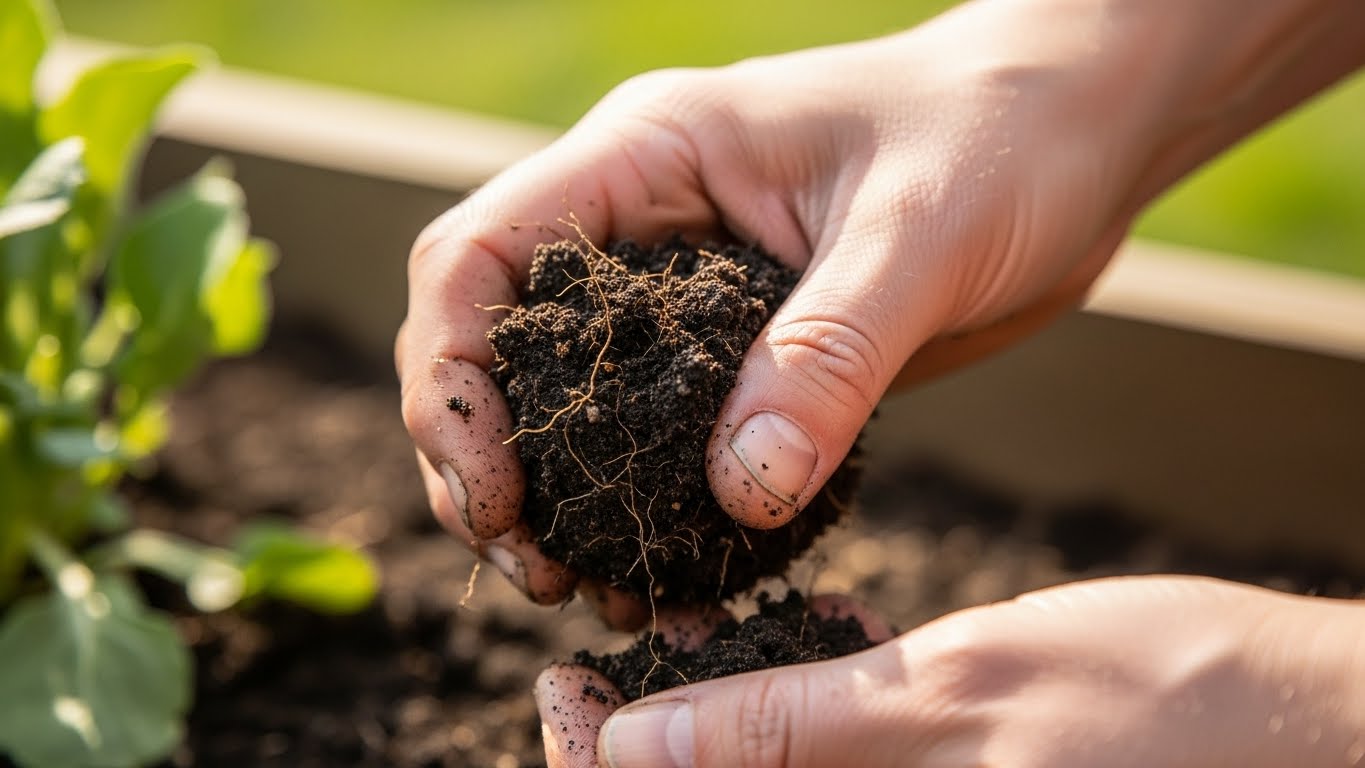
When it comes to watering your plants, look for clear visual cues and touch signals. Droopy leaves and browning edges often scream for hydration, while light-colored, crumbly soil means it’s time to give them a drink. On the other hand, yellowing leaves can indicate overwatering. Soggy soil deprives roots of oxygen, causing distress. Regularly check moisture levels and feel the soil’s texture—wet soil feels cool and holds together! Want to discover more ways to keep your plants happy?
Understanding Plant Water Needs
💡 Understanding the right watering techniques is crucial for plant health.
➜ Master the art of watering
Understanding how much water your plants need is essential for keeping them healthy and thriving. Different plant varieties have unique water requirements, which can change depending on their growth stages. For instance, seedlings need more frequent watering, as their delicate roots are still developing, while established plants can tolerate longer dry spells.
To determine when to water, you can check the soil’s moisture level. Stick your finger about an inch into the soil; if it feels dry, it’s time to give your plant a drink. Remember, overwatering can be just as harmful as underwatering, so it’s vital to find that sweet spot. With a little attention and care, your plants will flourish beautifully!
The Importance of Soil Moisture
Soil moisture is essential for your plants’ health, as it directly impacts their growth and vigor. By learning to recognize soil moisture indicators, you can avoid the pitfalls of overwatering, which can harm your plants just as much as drought can. Understanding these elements will help you create a thriving garden that flourishes with the right balance of water.
Soil Moisture Indicators
Most gardeners know that water is essential for plants, but many overlook a significant factor: the moisture levels in the soil. Understanding soil moisture indicators can help you keep your plants thriving. Here are three key signs to watch for:
- Soil Texture: If it feels dry and crumbly, it’s time to water. Moisture retention is important for healthy growth.
- Color: Darker soil often indicates moisture, while lighter shades suggest dryness. Use this visual cue!
- Plant Behavior: If leaves droop or turn yellow, your plants are signaling for hydration.
Keeping an eye on these indicators helps guarantee proper soil aeration and moisture retention, creating a happy home for your plants. Happy gardening!
Effects of Overwatering
Watering your plants might seem straightforward, but overdoing it can lead to serious problems. Overwatering consequences aren’t just about soggy soil; they can cause root rot, stunted growth, and even plant death. When you give your plants too much water, their roots drown, struggling to breathe. You might notice yellowing leaves or a mushy stem, which are signs your plant’s not happy.
Identifying root issues is essential. If the soil stays wet for too long, it creates a breeding ground for pests and diseases. To keep your plants thriving, remember to check the soil moisture regularly. Stick your finger in the dirt; if it feels damp, hold off on watering. Your plants will thank you for it!
Visual Signs of Underwatering
When you notice your plants looking a bit sad, it might be time to check if they’re getting enough water. Wilting leaves, dry soil, and browning edges are clear signs your plants are thirsty and need your help. Paying attention to these visual cues can make all the difference in keeping your greenery healthy and vibrant!
Wilting Leaves Appearance
Wilting leaves are like a plant’s way of waving a red flag, signaling that it’s thirsty and needs some attention. You might notice certain wilting patterns, like drooping or curling, which indicate your plant’s distress. Pay close attention to the leaf color, too; leaves may turn yellow or brown, showing they’re not happy with their water situation.
Here are three key signs to look for:
- Drooping: Leaves hang down instead of standing upright.
- Curling: Edges of leaves curl inward, almost as if they’re trying to protect themselves.
- Color Change: Yellowing or browning leaves signal that your plant’s not getting enough water.
Keep an eye on these signs, and your plant will thank you!
Dry Soil Texture
While your plant might be showing signs of distress through wilting leaves, another essential indicator of underwatering lies just beneath the surface—literally! The texture of the soil can reveal much about its moisture levels. Run your fingers through the soil; if it feels dry and crumbly, it’s a clear sign that your plant needs a drink. Different soil texture types, like sandy or clay, can affect how quickly moisture evaporates. Sandy soil dries out faster, while clay holds moisture longer. If your soil is hard and compacted, it’s time to water! Always remember, keeping an eye on the soil texture helps guarantee your plant remains happy and healthy, preventing unnecessary stress and encouraging vibrant growth.
Leaf Edge Browning
Leaf edge browning can be a telltale sign that your plant is feeling parched and in need of water. When you notice these crispy edges, it’s time to pay attention to your plant’s leaf health. Here are some common browning causes to evaluate:
- Inadequate Watering: Your plant might not be getting enough moisture, leading to dry, brown edges.
- Low Humidity: If the air around your plant is too dry, it can cause the leaves to suffer.
- Nutrient Deficiency: A lack of essential nutrients can weaken your plant, making it more susceptible to browning.
Leaf Droop: A Key Indicator
If you’ve ever noticed your plant’s leaves drooping, it’s like the plant is waving a little flag, signaling that something’s not quite right. Leaf droop can stem from various causes, like underwatering, overwatering, or even stress from a sudden temperature change. When this happens, your plant is telling you it needs attention.
To help your leafy friend recover, start by checking the soil moisture. If it’s dry, give it a good drink, but if it’s soggy, let it dry out before watering again. Adjusting its environment, such as moving it to a brighter spot or away from drafts, can also work wonders. With a little patience and care, your plant will perk up and thrive once more!
Color Changes in Foliage
Have you ever wondered why your plant’s leaves are turning yellow or brown? These leaf pigmentation changes can be essential foliage health indicators, letting you know when it’s time to water. Here are a few signs to watch for:
- Yellowing Leaves: This often means your plant is overwatered or lacking nutrients.
- Brown Tips: If the edges of the leaves are turning brown, it could signal underwatering or low humidity.
- Wilting: When leaves lose their firmness and start drooping, it’s usually a cry for attention—water me!
Soil Texture: A Touch Test
When it comes to watering your plants, understanding soil texture is super important! You can easily tell if your soil is dry or moist just by using your hands. By feeling the soil’s composition, you’ll get a better idea of how much water your plants really need to thrive.
Dry vs. Moist Soil
Understanding the difference between dry and moist soil can be a game changer for your gardening success. Recognizing these soil states helps you maintain proper moisture retention for your plants. Here’s how to tell them apart:
- Visual Check: Dry soil looks light in color and may have cracks, while moist soil appears darker and is more uniform.
- Touch Test: When you squeeze dry soil, it crumbles easily. In contrast, moist soil holds its shape and feels slightly cool.
- Smell: Dry soil often has a dusty scent, while moist soil emits a rich, earthy aroma.
Soil Composition Effects
💡 Recognizing when your plant needs water can save it from stress.
➜ Discover the signs of plant thirst
Soil texture plays an essential role in how well your plants thrive, influencing everything from water retention to nutrient availability. Different soil types, like sandy, clay, or loamy, each have unique textures that affect how water and nutrients flow. To better understand your soil, try a simple touch test. Grab a handful of moist soil and squeeze it. If it forms a ball and holds together, you’ve got clay, which retains moisture but drains poorly. If it crumbles, it’s sandy, draining quickly but struggling with nutrient retention. Loamy soil is the sweet spot, balancing both qualities. Knowing your soil’s texture helps you water wisely and nurture your plants more effectively, fostering a beautiful, thriving garden you can be proud of!
Checking Soil Depth for Moisture
💡 Understanding leaf discoloration can help you adjust your watering habits.
➜ Learn why leaves turn brown
How do you know if your plants are thirsty? Checking the soil depth for moisture is a great way to verify your green friends are happy. Here’s how you can do it:
Determining if your plants are thirsty is simple; check the soil moisture to keep them thriving.
- Stick Your Finger In: Insert your finger about an inch deep into the soil. If it feels dry, it’s time to water.
- Use a Soil Moisture Meter: This handy tool can help you gauge moisture levels accurately, reaching deeper than your finger.
- Observe Soil Color: Dark, damp soil usually indicates enough moisture, while lighter, crumbly soil might mean it’s thirsty.
The Role of Humidity in Watering
While you might think that watering your plants is all about the soil, humidity plays an essential role in determining when and how much you should water. Humidity effects your plants in several ways. When humidity levels are high, plants lose less moisture, so you might not need to water as often. Conversely, low humidity can increase evaporation, causing your plants to dry out faster. To keep your plants happy, pay attention to the humidity around them. You can use a hygrometer to measure humidity levels or simply observe your plants. If their leaves look droopy or crispy, it might be time to water. Balancing soil moisture with humidity levels will help your plants thrive and flourish!
Seasonal Watering Considerations
Understanding how humidity affects your plants is just one part of the watering puzzle; seasonal changes play a significant role too. As you navigate through the seasons, keep these key points in mind:
- Dormant Season: During plant dormancy in winter, reduce watering as growth slows down.
- Seasonal Growth: In spring and summer, increase your watering to support active growth, especially with temperature fluctuations and changing humidity levels.
- Weather Patterns: Pay attention to rainfall variations; you might not need to water as much during wet spells, but always guarantee frost protection in colder months.
Pot Size and Water Retention
Choosing the right pot size for your plants can make a big difference in how well they thrive. A pot that’s too small can limit growth and lead to quick drying out, while a pot that’s too big may hold excess water, leading to root issues. The right pot size enhances water retention, ensuring your plants get just the right amount of moisture.
When selecting your pot, think about your plant’s needs. For smaller plants, choose a pot that allows for drainage, promoting healthy roots. Larger plants benefit from pots that can hold more soil and water, giving them stability and room to grow. Remember, striking the perfect balance between pot size and water retention is key to keeping your green friends happy!
Signs of Overwatering
When you water your plants too much, there are clear signs that something’s not right. You might notice yellowing leaves, which indicate stress, or even wilting despite the soil being moist. Plus, keep an eye out for root rot symptoms, as these can signal that your plant’s roots are drowning instead of thriving!
Yellowing Leaves Indicate Stress
If you’ve noticed your plant’s leaves turning yellow, it’s a clear sign that something’s not quite right, and overwatering might be the culprit. Yellowing leaves can stem from a few common causes, so let’s explore some solutions to help your plant thrive again.
- Check Soil Moisture: Stick your finger about an inch deep; if it feels soggy, it’s time to cut back on watering.
- Improve Drainage: Make certain your pot has drainage holes, allowing excess water to escape and preventing root rot.
- Adjust Watering Schedule: Water less frequently, allowing the soil to dry out between waterings.
Wilting Despite Moist Soil
Even though your plant’s soil feels moist, wilting can still signal a problem, often pointing to overwatering. When you see those droopy leaves, it’s a sign of plant stress. You might think everything’s fine since the soil is wet, but sometimes environmental factors, like humidity or temperature, can complicate things. Overwatering can suffocate roots, making it hard for your plant to absorb essential nutrients. Check if the pot has drainage holes; stagnant water can lead to issues. Remember, it’s all about balance! Adjust your watering schedule and observe how your plant responds. By paying close attention, you can help your plant thrive, keeping those leaves perky and healthy!
Root Rot Symptoms Present
Root rot can sneak up on your plant, often making its presence known through a few key symptoms that signal overwatering. Recognizing root issues early is essential for root rot prevention. Here are three signs you should watch for:
- Yellowing Leaves: If you notice your plant’s leaves turning yellow, it might be struggling with excess moisture.
- Wilting: Surprisingly, wilting can happen even when the soil is soggy.
- Foul Odor: A musty smell around the roots indicates decay, a clear sign of root rot.
The Drainage Factor
When it comes to watering your plants, understanding the drainage factor is key to their health and growth. Proper drainage allows excess water to escape, preventing root rot and promoting healthy soil. If you notice water pooling around your plants, it might be time to explore drainage solutions, like raised beds or pots with holes.
You can also enhance your soil with amendments, such as perlite or compost, to improve aeration and drainage. These little changes can make a big difference in how your plants thrive. Remember, good drainage means your plants can access the moisture they need without drowning. So, pay attention to their environment and give them the best chance to flourish!
Adjusting Watering Techniques
Adjusting your watering techniques can make a huge difference in how well your plants grow and thrive. You want to guarantee they get just the right amount of water, so consider these tips for ideal moisture retention:
Adjusting your watering techniques is essential for thriving plants; ensure they receive the right amount of moisture for optimal growth.
- Monitor Watering Frequency: Adjust how often you water based on seasonal changes and plant needs. Some plants prefer more frequent watering, while others thrive on less.
- Check Soil Moisture: Use your fingers to feel the soil about an inch deep; if it’s dry, it’s time for a drink.
- Water Deeply: Instead of frequent shallow watering, aim to soak the soil thoroughly. This encourages deeper root growth and better moisture retention.
With these adjustments, you’ll create a happy environment for your plants!
Tools for Measuring Soil Moisture
Knowing how to check soil moisture is just as important as adjusting your watering techniques. To help you out, consider using moisture meters or soil moisture sensors. These handy tools measure how wet your soil is, giving you a clearer picture of your plants’ needs.
Types of Tools:
- Moisture Meters: These devices usually have a probe you stick into the soil, displaying moisture levels on a simple scale. They’re user-friendly and great for beginners.
- Soil Moisture Sensors: These are often more advanced and can connect to apps on your phone, providing real-time data.
Using these tools makes it easier to determine when to water, ensuring your plants thrive without the guesswork. Happy gardening!
Conclusion
In the end, mastering when to water your plants is like being a plant detective—spotting clues instead of just pouring water everywhere! By tuning into visual and touch cues, you can give your plants exactly what they need, avoiding that tragic fate of drowning them in love (or water). So, grab that moisture meter or just use your fingers, and remember, a little observation goes a long way. Happy watering, plant enthusiast! Your green friends will thank you!
💡 Preventing root rot starts with proper watering techniques.
➜ Explore root rot recovery strategyes


