
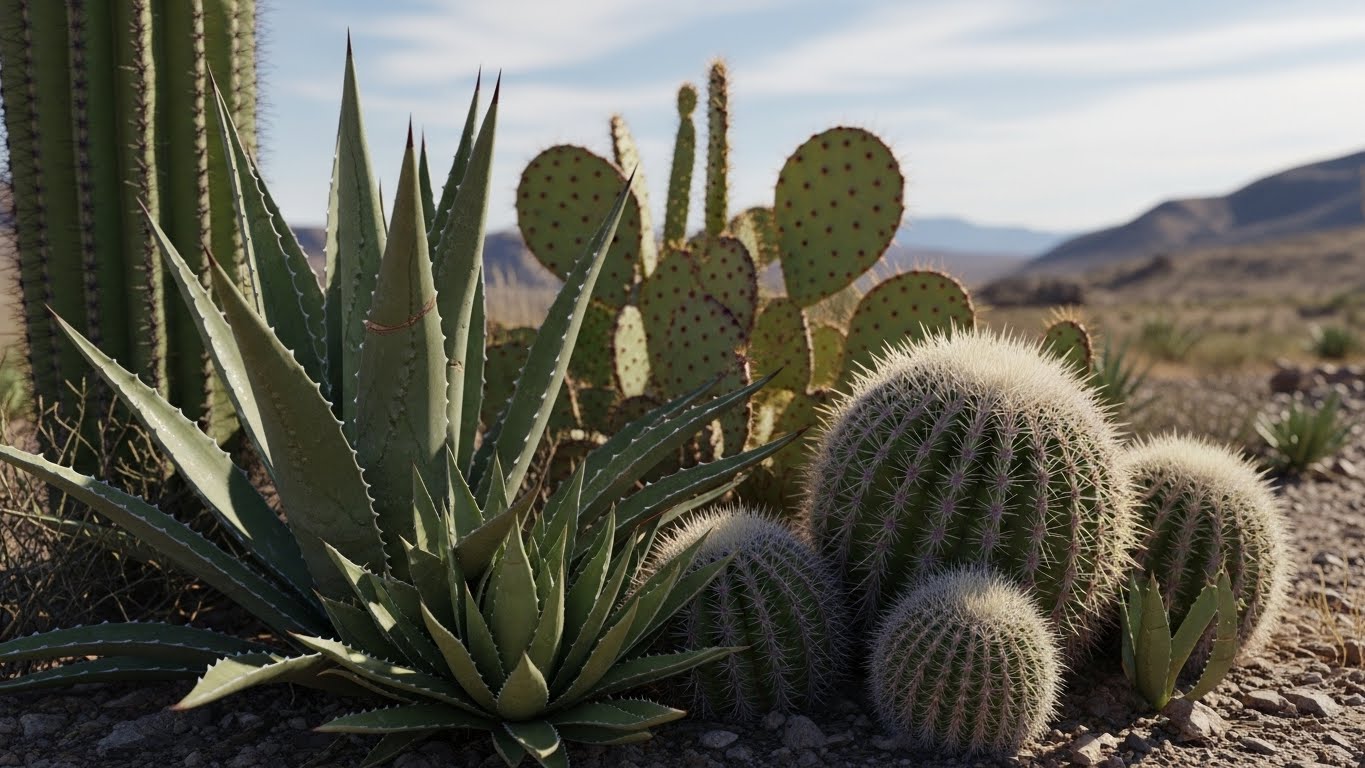
Many people think “hard to kill” plants, like succulents, snake plants, and cacti, barely need care. This is a big misconception! Succulents can rot from too much water, snake plants need specific watering schedules, and cacti can’t survive without occasional moisture. Plus, these plants have unique light and soil needs that you can’t ignore. Understanding their true care requirements can help you keep your plants thriving. Want to uncover more essential plant care tips? Let’s go!
The Myth of Low Maintenance for Succulents
When you think about low-maintenance plants, succulents might pop into your mind as the ultimate choice, but this idea is a bit misleading. While they’re often labeled as easy, succulent care requires more attention than you’d expect. One common mistake is overwatering; people assume these plants need frequent sips, but they thrive on neglect. Another misstep is choosing the wrong pot—drainage is key! Without it, your precious succulents can suffer from root rot. Lighting is also essential; too little or too much can spell disaster. So, if you’re ready to embrace succulent care, remember that while they’re hardy, they still need your love and attention to truly flourish. Keep these tips in mind, and you’ll be on the right track!
Understanding Watering Needs of Snake Plants
When it comes to snake plants, understanding their watering needs is key to keeping them healthy and thriving. These hardy plants are drought-tolerant, meaning they can survive with less water than you might think, but it’s important to know how often to water them and what signs to look for if you’re giving them too much. Let’s explore their watering frequency guidelines and the telltale signs of overwatering so you can be the best plant parent possible!
Drought Tolerance Levels
Understanding the watering needs of snake plants can be a game-changer for anyone looking to keep these hardy plants thriving. These plants are excellent at handling drought stress, thanks to their impressive water retention abilities. To help you grasp their needs, here’s a quick reference table:
Condition | Water Requirement | Drought Stress Signs |
|---|---|---|
Active Growth | Water every 2-3 weeks | Leaves start to wrinkle |
Dormant Period | Water every 4-6 weeks | Leaves may curl slightly |
Indoor Environment | Water when soil dries | Leaf tips turn brown |
Outdoor Exposure | Water when soil is dry | Leaves lose vibrant color |
Watering Frequency Guidelines
To keep your snake plants healthy and thriving, it’s essential to know how often to water them. These resilient beauties prefer a watering schedule that aligns with their unique moisture levels. Generally, you should water your snake plants every two to six weeks, depending on the season. In warmer months, they might need a little more love, while in winter, they require less. Always check the soil; if the top couple of inches feel dry, it’s time to water. Remember, overwatering can be harmful, so trust your instincts! By tuning in to your plant’s needs and adjusting your watering schedule accordingly, you’ll create a happy environment for your snake plants to flourish.
Signs of Overwatering
Recognizing the signs of overwatering is essential for keeping your snake plants healthy and happy. When you notice yellowing leaves or a mushy texture, these are clear overwatering symptoms you shouldn’t ignore. Your snake plant may also show signs of plant stress, like drooping or wilting, even though it has plenty of water. Check the soil; if it’s soggy or has a foul smell, it’s time to cut back on watering. Remember, snake plants prefer to dry out between waterings, so trust your instincts—if you think it’s too wet, it probably is! By understanding these signs, you’ll help your snake plant thrive and keep it looking its best for years to come.
The Illusion of Indestructibility in Cacti
When you think of cacti, you might picture tough plants that can survive anything, but there’s more to the story! Many people believe they can just water cacti whenever they want, or that these plants can handle any temperature, which isn’t always true. Let’s break down some common myths about cacti’s watering needs and temperature tolerance to uncover the truth behind their so-called indestructibility!
Watering Myths Explained
Cacti might seem like the ultimate low-maintenance plants, thriving in desert conditions and requiring little water, but there’s a surprising myth that often leads to their untimely demise: the idea that they can survive without any watering at all. While it’s true that these spiky beauties are drought-resistant, they still need a bit of TLC.
You should water them occasionally, ensuring you use good quality water—filtered or distilled is best—to avoid any harmful chemicals. Plus, keeping an eye on humidity levels is essential; too much can lead to rot, while too little can stress them out. So, don’t let the myth fool you—your cactus needs love, care, and just the right amount of water to truly thrive!
Temperature Tolerance Misunderstood
Many people believe that cacti can withstand any temperature, leading to the misconception that they’re indestructible plants. While it’s true that cacti are tough, they aren’t invincible. In fact, many species can only handle specific temperature extremes. For instance, some cacti thrive in hot desert sun, but others struggle during cold snaps. Seasonal variations can be tricky for them, too. If you’re not careful, a sudden frost can damage or even kill your beloved cactus. It’s essential to know your cactus’s needs and provide the right environment. So, while they’re resilient, remember they still need your care and attention to thrive through those temperature challenges. Your love can help them flourish, even when the weather gets wild!
Misconceptions About Light Requirements for ZZ Plants
While you might think ZZ plants thrive only in bright light, that’s a common misconception that can lead to some confusion. In reality, these resilient plants can adapt to various indoor lighting conditions. Here are some key points to take into account:
- ZZ plants prefer low to medium zz plant light, making them perfect for darker corners.
- They can tolerate fluorescent lighting, which is often found in offices.
- Direct sunlight can actually harm them, causing leaf burn.
- Too little light may slow down growth but won’t kill the plant.
The Truth About Soil Quality and Hardy Plants
When you think about hardy plants, soil quality might not be the first factor that comes to mind, but it plays an essential role in their survival and growth. The truth is, even the toughest plants need the right conditions to thrive. Soil pH affects nutrient availability, so if your soil is too acidic or alkaline, your hardy plants may struggle. Additionally, maintaining a proper nutrient balance is important; without essential nutrients, even the most resilient varieties can falter. To help your plants flourish, test your soil regularly and amend it as needed. So, don’t overlook the significance of soil quality—give your hardy plants the best foundation, and they’ll reward you with vibrant growth and resilience!
Overestimating Pest Resistance in Tough Varieties
Even the hardiest plants can face challenges when it comes to pests, and it’s a common misconception that tough varieties are invulnerable. While plant genetics can enhance resilience, you shouldn’t underestimate the need for effective pest management. Here’s what to keep in mind:
Even resilient plants can encounter pests, highlighting the importance of proactive pest management strategies.
- Tough plants can still attract pests, especially if they’re stressed.
- Pest resistance varies; some plants may do well against certain pests but not others.
- Regular monitoring is essential to catch problems early.
- Integrated pest management strategies can help safeguard even the toughest plants.
The Role of Temperature in Plant Survival
Temperature plays an essential role in plant survival, affecting everything from growth rates to flowering times. When you consider temperature extremes, it’s clear that plants can struggle to thrive. Some can withstand a chill, while others love the heat. It’s all about finding the right balance! Seasonal fluctuations also impact plant behavior. For example, a sudden cold snap in spring can confuse plants, causing them to bloom too early or even freeze. As a plant parent, you’ll want to monitor your garden’s temperature swings closely. Understanding these factors helps you create a supportive environment, ensuring your hard-to-kill varieties truly flourish. Remember, the right temperature can make all the difference in your plant’s overall health and happiness!
Conclusion
In the world of plants, it’s easy to think some are “hard to kill,” but that doesn’t mean they’re completely foolproof. Remember, just because a plant seems tough doesn’t mean it doesn’t need care. By understanding each plant’s specific needs, you’ll set yourself up for success. So, don’t judge a book by its cover—dig deeper to truly appreciate your green friends. With the right knowledge, you can enjoy a thriving plant collection that’ll brighten your space!


