
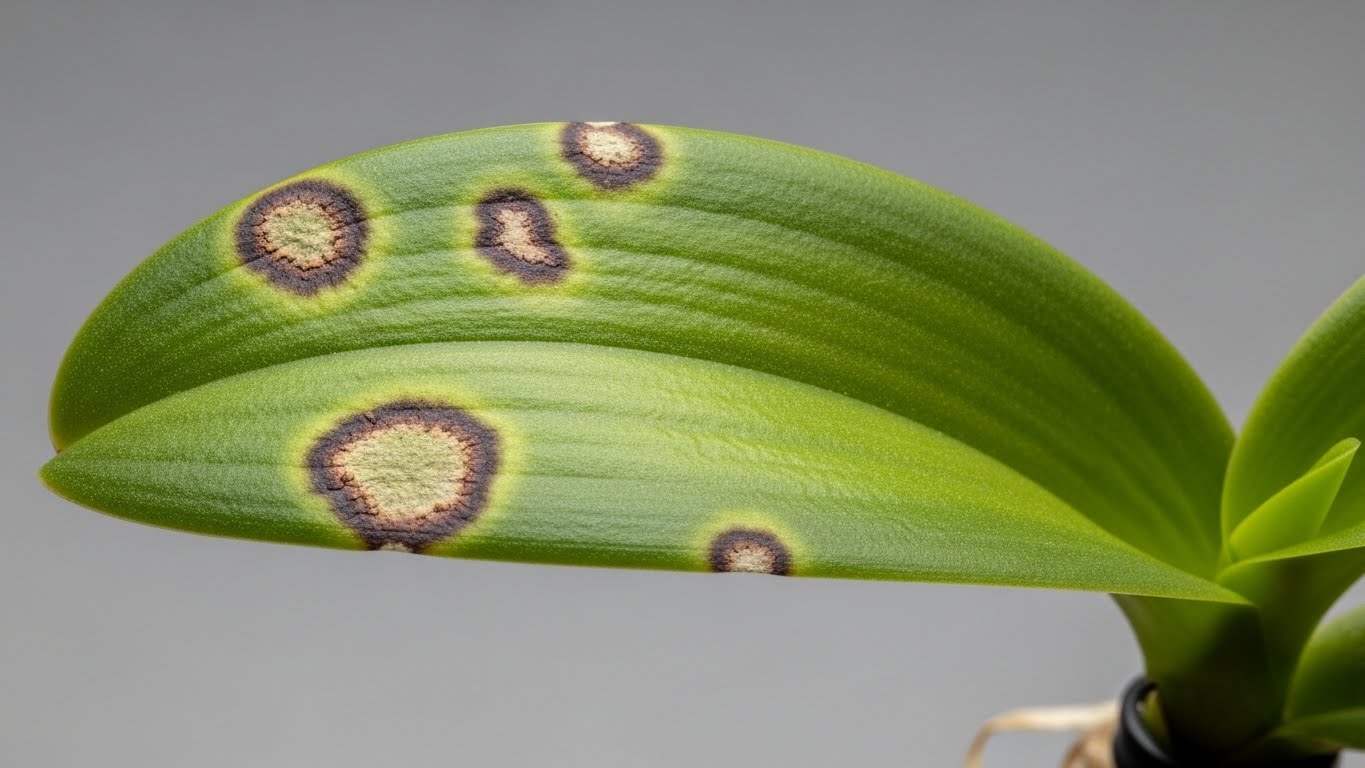
Common orchid pests, like aphids, mealybugs, and spider mites, can harm your plants. Look for tiny insects or brown bumps on leaves and fine webs. To eliminate them safely, use neem oil to disrupt their life cycles or try herbal sprays like garlic or pepper. Regular inspections help catch pests early, while proper growing conditions deter them. Keeping humidity levels right and maintaining a care routine boosts your orchids’ health. Discover more tips for keeping your orchids thriving!
Key Takeaways
- Regularly inspect orchids for pests like aphids, mealybugs, and scale insects to catch infestations early.
- Use neem oil as a natural insecticide to disrupt pest life cycles safely.
- Create herbal sprays with garlic or pepper to deter pests while nourishing your orchids.
- Maintain ideal growing conditions, including humidity levels of 50-70%, to prevent pest infestations.
- Implement a proactive care routine with weekly inspections and proper watering techniques for healthy orchids.
Identifying Common Orchid Pests
When it comes to keeping your orchids healthy, can you spot the signs of trouble? Identifying common orchid pests is essential for their well-being. Start by looking for tiny insects, like aphids or mealybugs, often hiding in the leaf axils. Their characteristics include a soft body and sometimes a waxy coating. Scale insects, on the other hand, look like small brown bumps on the leaves. You’ll also want to watch out for spider mites, which create fine webs and cause yellowing leaves. Understanding these pest characteristics helps you catch problems early. Regularly inspecting your orchids will make pest identification easier, ensuring your beautiful plants stay vibrant and healthy. Protecting them starts with knowing what to look for! Additionally, maintaining humidity levels around 50% to 70% can help deter pest infestations.
Impact of Pests on Orchid Health
Understanding how pests affect your orchids is crucial for keeping them thriving. When pests invade, they can disrupt your orchid’s health, leading to plant stress that hampers growth and flowering. Each pest has a life cycle, and their numbers can quickly multiply if left unchecked. For instance, aphids and spider mites suck sap from your orchids, causing leaves to wilt and yellow. This not only weakens the plant but also makes it vulnerable to diseases. Furthermore, the stress from pest infestations can hinder your orchids’ ability to absorb nutrients and water effectively. By staying aware of these impacts, you’ll be better prepared to protect your beloved orchids and guarantee they flourish despite pest challenges.
Natural Remedies for Pest Control
Natural remedies for pest control can be a game-changer for your orchids, allowing you to protect your plants without resorting to harsh chemicals. One popular option is neem oil, a natural insecticide that disrupts pests’ life cycles. Simply mix a few drops with water and spray it on affected areas. Another great choice is herbal sprays, like those made from garlic or pepper. These sprays not only deter pests but also nourish your orchids with beneficial nutrients. When using any remedy, make certain to test a small area first to verify your orchids respond well. By embracing these natural solutions, you can keep your orchids healthy and thriving, all while being kind to the environment. Happy gardening!
Preventive Measures to Protect Orchids
To keep your orchids thriving and pest-free, it’s essential to adopt some preventive measures. Regularly inspecting your plants for any signs of trouble and providing ideal growing conditions can make a big difference. By staying proactive, you’ll help guarantee your orchids remain healthy and beautiful all year round!
Regular Inspection Practices
Regular inspections are key to keeping your orchids healthy and thriving, especially since catching pests early can save you a lot of trouble later. Aim to inspect your orchids at least once a week; this helps you understand the pest lifecycle and identify any potential threats. Here’s a helpful table to guide your inspection frequency:
Inspection Focus | Frequency |
|---|---|
Leaves | Weekly |
Roots | Bi-weekly |
Flowers | Weekly |
Pots and Medium | Monthly |
Overall Health Check | Weekly |
Optimal Growing Conditions
Creating ideal growing conditions for your orchids is essential if you want to keep them healthy and pest-free. To achieve this, focus on the following key factors:
- Light Requirements: Orchids thrive in bright, indirect light, so place them near a window with filtered sunlight. Avoid direct sunlight, as it can scorch their leaves.
- Soil Types: Use a well-draining orchid mix, such as bark or sphagnum moss, to allow air circulation around the roots. This prevents rot and encourages healthy growth.
- Humidity Levels: Maintain humidity around 50-70%. You can increase humidity by misting your orchids or placing a tray of water nearby.
Chemical-Free Solutions for Severe Infestations
While dealing with a severe infestation of pests on your orchids can feel overwhelming, there are plenty of effective chemical-free solutions that can help restore the health of your plants. One great approach is biological control, where you introduce beneficial insects like ladybugs or predatory mites that naturally target pests. Another fantastic method is companion planting; by placing certain plants near your orchids, you can attract these helpful insects while repelling harmful ones. For instance, planting marigolds or basil nearby can create a supportive environment for your orchids. Regularly checking your plants for signs of pests and removing them by hand can also aid in keeping your flowers thriving. Embrace these natural methods, and watch your orchids flourish again!
Tips for Maintaining Healthy Orchids
To keep your orchids thriving, you’ll want to master proper watering techniques and create the perfect humidity levels. Orchids don’t like to sit in water, so finding that balance is key, and ensuring they get enough moisture in the air can make a big difference. With a little care and attention, your orchids will reward you with beautiful blooms!
Proper Watering Techniques
Watering your orchids properly is essential for keeping them vibrant and healthy, as these beautiful plants are quite particular about their hydration needs. Here are some key tips to help you:
- Watering Frequency: Typically, you should water your orchids once a week, but feel the potting medium first. If it’s still moist, wait a few days before watering again.
- Moisture Retention: Use a potting mix that promotes moisture retention while allowing for good drainage, like bark or sphagnum moss, to keep their roots happy.
- Watering Technique: When you water, thoroughly soak the medium until water drains out of the bottom, ensuring all roots receive hydration.
Ideal Humidity Levels
When it comes to keeping your orchids thriving, maintaining the right humidity levels is essential. Orchids love humidity, and ideally, you should aim for 40-70% humidity in their environment. To achieve effective humidity control, consider using a humidity tray filled with water and pebbles. This helps with moisture retention and creates a cozy microclimate for your plants.
Another great tip is to mist your orchids regularly, especially during dry seasons. Just be sure not to overdo it, as too much moisture can lead to fungal issues. If you notice your orchids wilting or browning, it might be a sign they need more humidity. Remember, a happy orchid is a thriving orchid, so keep their humidity levels in check!
Conclusion
In the vibrant world of orchids, keeping these stunning plants safe from pests is like being a guardian of a secret garden. By identifying pests early and using safe remedies, you can help your orchids thrive. Remember, a little prevention goes a long way, and tackling infestations with chemical-free methods guarantees your plants stay healthy. So, roll up your sleeves, embrace your inner plant protector, and watch your orchids bloom beautifully, free from the shadows of pests!


