
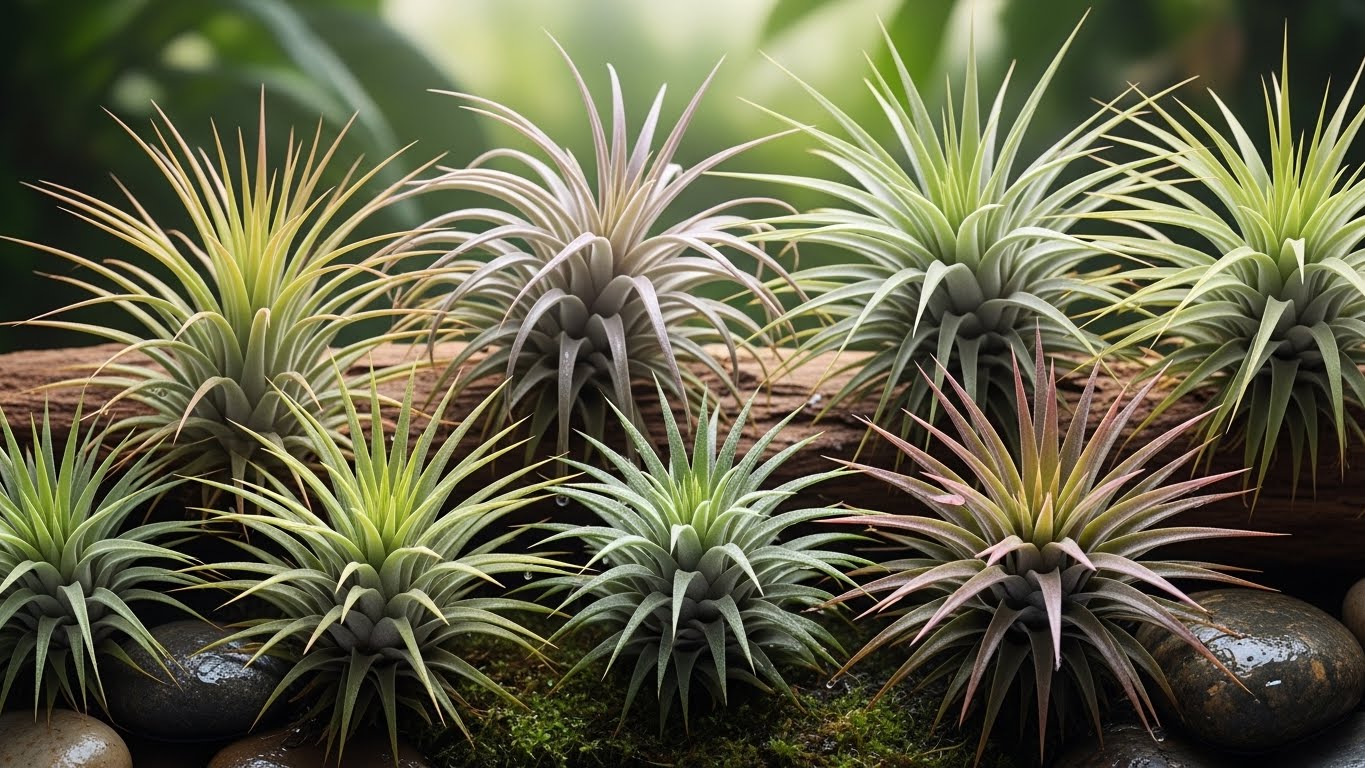
Air-purifying plants don’t need direct sunlight to thrive! In fact, many types prefer indirect light, which allows them to filter harmful toxins without getting scorched. Plants like the Snake Plant and Peace Lily can do just fine in low-light areas while still improving your indoor air quality. It’s all about understanding their unique light requirements. Keep exploring, and you’ll discover more tips on how to care for your green friends!
Understanding Air-Purifying Plants
💡 Understanding the light requirements of air-purifying plants is crucial. Discover proven techniques to optimize their growth.
➜ Discover proven techniques
When you think about improving the air quality in your home, you might not realize that some plants can work wonders in cleansing the air around you. Indoor gardening isn’t just a fun hobby; it comes with amazing plant benefits. For instance, peace lilies and spider plants absorb harmful toxins like formaldehyde and benzene, making your space healthier. By welcoming these green companions into your home, you’re not only beautifying your environment but also promoting better air quality. Plus, caring for plants can be incredibly rewarding. Watching them thrive under your care adds a special touch to your indoor gardening journey. So, consider adding a few air-purifying plants to your collection, and breathe easier in your cozy space!
The Importance of Light for Plant Growth
When it comes to growing healthy plants, light is absolutely essential for their survival. Through a process called photosynthesis, plants convert light energy into food, fueling their growth and keeping them vibrant. You might be surprised to learn that not all light is created equal—understanding the differences between direct and indirect light, as well as how light intensity can vary, will help you create the perfect environment for your air-purifying plants.
Photosynthesis and Energy Needs
Without light, plants wouldn’t be able to grow or thrive, as they rely on sunlight to perform photosynthesis, the process that transforms light energy into chemical energy. This photosynthesis process is essential for energy absorption, allowing plants to convert sunlight into the food they need. When you think about it, they’re like little factories, taking in sunlight and carbon dioxide to create the sugars that fuel their growth. Just as you need energy to play and learn, plants require this energy to develop strong roots, vibrant leaves, and beautiful flowers. So, while you might enjoy a sunny day, remember that your air-purifying plants are soaking up that sunshine, too, turning it into the energy they need to thrive in your home.
Light Intensity Variations
Light intensity plays an essential role in how well your plants grow and purify the air around you. When you understand light exposure, you’ll see how it affects your air-purifying friends. Here are some key points to remember:
- Photosynthesis: Higher light intensity boosts photosynthesis, leading to healthier plants.
- Growth Rate: Plants exposed to ideal light grow faster and stronger.
- Leaf Color: Proper light exposure can enhance leaf color, making your plants more vibrant.
- Air Purification: Well-lit plants tend to be more efficient at purifying the air.
- Stress Factors: Insufficient light can stress your plants, causing them to weaken.
Indirect vs. Direct Light
How do you know whether your plants prefer indirect or direct light? Understanding plant light needs can make all the difference in their growth and health. Direct light exposure means your plant gets sunlight straight from the source, which can be intense and harsh. On the other hand, indirect light occurs when sunlight is filtered, like through a curtain or reflected off surfaces.
To help your air-purifying plants thrive, observe how they respond to different light levels. If they stretch toward the light, they might want more direct exposure. If their leaves start to scorch, they may need a gentler touch with indirect light. Remember, finding the right balance is key to keeping your green friends happy and healthy!
Types of Light: Direct vs. Indirect
When you think about plants and their need for light, it’s important to understand the difference between direct and indirect sunlight, as each type plays a unique role in their growth. Direct sunlight hits your plants straight on, providing a full light spectrum that encourages strong plant growth, while indirect sunlight is softer and filtered, giving your plants a gentler light experience.
Understanding the difference between direct and indirect sunlight is crucial for optimal plant growth and health.
Here’s a quick look at both types:
- Direct Light: Intense and bright, ideal for sun-loving plants.
- Indirect Light: Softer, perfect for shade-tolerant varieties.
- Sun Exposure: Determines how much energy your plants get.
- Light Duration: Affects growth speed—more light means faster growth!
- Adaptability: Plants may adapt to varying light conditions over time.
Understanding these differences can help you choose the best air-purifying plants for your space!
Common Air-Purifying Plants and Their Light Needs
Knowing which air-purifying plants thrive in your home can make all the difference in creating a healthy indoor environment. Some popular plant varieties you might consider include the Snake Plant, Peace Lily, and Spider Plant. The Snake Plant flourishes in low light, helping improve air quality without needing direct sunlight. Peace Lilies love indirect light, while also filtering toxins from the air. Spider Plants are super versatile, thriving in bright, indirect light or partial shade. By choosing the right plants, you not only brighten your space but also boost your air quality. Remember, each plant has unique light needs, so pay attention to how they respond to their environment, ensuring they stay happy and healthy!
Myths About Sunlight and Indoor Plants
💡 If you’re curious about plants that thrive in medium light, explore advanced methods for selecting vibrant options.
➜ Explore advanced methods
When it comes to sunlight and indoor plants, you might be surprised by some common myths that can lead to confusion. Many people think all plants need bright, direct sunlight to thrive, but that’s not always true; some actually prefer low light conditions! Let’s clear up these misunderstandings about sunlight requirements, low light tolerance, and the real deal on photosynthesis.
Sunlight Requirements Misunderstood
💡 If you’re considering low-light options, get the step-by-step guide to find plants that can thrive without direct sunlight.
➜ Get the step-by-step guide
Have you ever wondered why some indoor plants thrive in low light while others seem to wilt? It’s easy to fall victim to sunlight misconceptions when it comes to plant care. Many believe all plants need direct sun, but that’s not the case! Understanding your plants’ needs can help them flourish in your home. Here are some common myths:
- All plants need bright, direct sunlight.
- Low light means no light at all.
- Plants can’t survive without sun for weeks.
- If a plant isn’t growing, it needs more light.
- Sunburned leaves mean you’re giving too much water.
Low Light Tolerance
Many indoor plants are often labeled as “low light tolerant,” but this doesn’t mean they can thrive in complete darkness. Low light just means these plants can adapt better to dim conditions than others. You might think that placing a low light plant in a closet or a dark corner is a good idea, but that could stunt its growth. These plants still need some indirect sunlight to flourish, even if it’s less than their sun-loving counterparts. Remember, plant adaptation isn’t about living in the shadows; it’s about thriving with minimal light. So, give your low light plants a cozy spot near a window where they can soak up some gentle rays, and watch them thrive!
Photosynthesis Myths Debunked
Just because a plant can tolerate low light doesn’t mean it doesn’t need sunlight to survive. Understanding the myths surrounding photosynthesis processes is vital for effective indoor plant care. Here are some common misconceptions you might encounter:
- Low light means no light: Plants still need some sunlight to thrive.
- More light is always better: Too much direct sunlight can scorch leaves.
- All plants photosynthesize the same: Different species require varying light levels.
- You can skip watering if there’s enough light: Watering is essential, regardless of light conditions.
- Artificial light is just as good: While helpful, it doesn’t fully replace natural sunlight.
Signs Your Plant Isn’t Getting Enough Light
How can you tell if your plant is craving more sunlight? Look for those key light indicators that signal it’s time to adjust its lighting situation. If the leaves start turning yellow or drop off, it’s a sign your plant isn’t getting enough light. You might also notice leggy growth, where the stems stretch toward the light source, making your plant look a bit awkward. Another telltale sign is slow growth; if your plant seems to be in a standstill, it could be struggling with its plant health. Keep an eye out for these signals, and make sure your green friend gets the sunshine it needs to thrive and flourish!
Best Locations for Air-Purifying Plants in Your Home
When you’re looking to bring air-purifying plants into your home, choosing the right spot for them can make all the difference in their health and effectiveness. The best plant placements focus on providing ideal humidity and light. Here are some cozy spots to take into account:
- Near a window with filtered sunlight
- In a bathroom to benefit from higher humidity
- On a kitchen counter where steam can help
- In a living room corner to brighten up the space
- On a shelf above a radiator, where warmth can circulate
Tips for Caring for Low-Light Plants
Caring for low-light plants can be a rewarding experience, especially since these green friends are perfect for brightening up darker corners of your home. To guarantee successful low light care, start by choosing the right plant placement. Look for spots that receive indirect sunlight, like a north-facing window or a well-lit room.
Next, remember to water your plants less frequently; overwatering can be a common mistake. Make sure the pot has drainage holes to prevent soggy roots. Additionally, dust the leaves occasionally to help them breathe better. Finally, consider rotating your plants every few weeks to promote even growth. With a little patience and attention, your low-light plants will thrive, adding life and joy to your space!
Conclusion: Finding the Right Balance of Light
Finding the right balance of light for your plants is key to keeping them healthy and vibrant. Not all air-purifying plants need direct sunlight, but they do require proper light placement to thrive. Here are some tips to help you achieve that perfect light balance:
Achieving the right light balance is essential for vibrant, healthy plants—understanding their needs and placement is key.
- Know your plant’s needs: Different plants prefer different light levels.
- Observe light patterns: Watch how sunlight moves through your space.
- Use sheer curtains: They can diffuse harsh sunlight while allowing enough light.
- Rotate plants regularly: This helps guarantee even light exposure.
- Test different spots: Experiment with various plant placements until you find what works best.
With a little attention and care, you’ll create a cozy environment where your plants can flourish!
Conclusion
In summary, finding the right balance of light for your air-purifying plants is essential for their health and growth. For instance, if you place a spider plant in a bright corner of your living room, it’ll thrive and help clean the air. Remember, not all plants need direct sunlight—some prefer indirect light or even shade. By paying attention to their light needs, you can create a vibrant, healthy space that benefits both you and your green friends!
💡 Avoiding common lighting mistakes is essential for healthy plants. See how to implement this knowledge for your air-purifying plants.
➜ See how to implement this


