When choosing between Haworthia and Echeveria, both are easy to grow, but their needs differ! Haworthia thrives in lower light, making it perfect for indoor spaces, while Echeveria loves bright, direct sunlight for vibrant colors. They both require well-draining soil and should be watered when dry, but watch for pests like aphids and mealybugs. With similar care, you can enjoy stunning plants. Stick around to discover more about their propagation and aesthetic differences!
Key Takeaways
- Haworthia thrives in lower light conditions, making it ideal for indoor spaces and easier for beginners to manage light exposure.
- Echeveria requires bright, direct sunlight for optimal growth, which can be challenging for some novice gardeners to provide consistently.
- Both plants need well-draining soil and should be watered only when the soil feels dry, minimizing the risk of overwatering.
- Haworthia is generally more forgiving of varying temperatures and humidity, whereas Echeveria prefers specific temperature ranges for best results.
- Propagation techniques for both plants are straightforward, but Haworthia’s offsets may be easier for beginners than Echeveria’s leaf cuttings.
Overview of Haworthia

When you think of unique and fascinating plants, Haworthia might just spring to mind! These charming succulents are known for their stunning rosette shapes and intriguing textures. With thick, fleshy leaves that often display striking patterns, Haworthia features are sure to captivate any plant lover’s heart. When it comes to Haworthia care, you’ll find it’s relatively easy and rewarding. They thrive in bright, indirect light and prefer well-draining soil. Watering is simple; just let the soil dry out between waterings to avoid root rot. Plus, these resilient plants can adapt to various conditions, making them perfect for beginners. Additionally, it’s essential to monitor soil moisture to ensure optimal health and prevent issues like overwatering. So, whether you’re a seasoned gardener or just starting out, embracing Haworthia will bring a delightful touch to your space!
Overview of Echeveria
Echeveria is a fascinating genus of succulents, known for its stunning rosettes and diverse species that come in a variety of colors and shapes. If you’re considering adding these charming plants to your collection, you’ll want to understand their ideal growing conditions and how to propagate them effectively. Let’s explore the unique characteristics of Echeveria, so you can enjoy their beauty and guarantee they thrive in your home!
Species Diversity and Characteristics
Echeveria, an enchanting genus of succulent plants, boasts an impressive variety of species that can bring vibrant life to any garden or indoor space. You’ll discover these charming plants come in various shapes, sizes, and colors, each displaying unique species characteristics. Some thrive in bright light, while others adapt beautifully to lower light conditions, showcasing their remarkable plant adaptations. Their rosette formations and fleshy leaves not only captivate the eye but also help store water, making them resilient in dry environments. With over 200 species, Echeveria offers something for everyone, whether you prefer the striking blue hues of Echeveria ‘Blue Atoll’ or the delicate pink of Echeveria ‘Lola’. You’re sure to find the perfect companion for your plant journey!
Ideal Growing Conditions
Creating the perfect environment for Echeveria can make all the difference in how these stunning succulents thrive. To keep your Echeveria happy, aim for an ideal temperature between 65°F and 80°F (18°C to 27°C). They love bright, indirect sunlight, so place them near a window where they can soak up the rays without getting scorched. As for humidity levels, Echeveria prefers a dry atmosphere, typically thriving in environments with humidity below 50%. Water them sparingly, allowing the soil to dry out completely before you give them a drink. Remember, these beauties are drought-tolerant and don’t like sitting in soggy soil. With the right conditions, your Echeveria will reward you with vibrant colors and healthy growth!
Propagation Methods and Techniques
When you’re ready to expand your collection of Echeveria, you’ll find that propagation is not only fun but also quite rewarding. Two popular methods are leaf cuttings and offsets division.
Leaf Cuttings: Simply take a healthy leaf, let it dry for a day or two, then place it on well-draining soil. Keep it slightly moist, and soon you’ll see tiny roots and baby plants sprouting!
Offsets Division: Look for little pups around the base of your Echeveria. Gently separate them from the parent plant, ensuring they have roots, and replant them in their own pots.
Both methods are easy and allow you to share your love for Echeveria with friends. You’ll enjoy watching your collection grow!
Light Requirements
Light plays an essential role in the health of both Haworthia and Echeveria, as these succulent plants thrive under different lighting conditions. Haworthia enjoys lower light intensity, making it perfect for indoor spaces or shaded areas in your garden. You’ll notice that they prefer indirect sunlight exposure, which protects their delicate leaves from sunburn. On the other hand, Echeveria loves basking in bright, direct sunlight. If you place them in a sunny spot, you’ll see them flourish with vibrant colors and healthy growth. However, be careful with too much harsh light, as it can stress them out. Understanding these light needs will help you create a cozy environment for your beloved plants, ensuring they thrive beautifully.
Watering Needs
When it comes to watering your Haworthia and Echeveria, knowing how often to water is key for keeping them healthy. You’ll want to pay attention to your plants, as signs of overwatering can be sneaky, often showing up as droopy leaves or yellowing. Let’s explore just how much water each of these succulents really needs!
Frequency of Watering
Understanding how often to water your plants can make a big difference in keeping them healthy and thriving. Haworthia and Echeveria have different watering schedules based on their needs. Generally, you’ll want to water them when the soil feels dry, especially in low humidity levels. Here are some tips to help you out:
- Check the soil moisture before watering.
- Adjust your watering schedule with the seasons.
- Use well-draining soil to prevent root rot.
- Consider the humidity in your home; drier air means more frequent watering.
- Don’t forget to empty saucers under pots to avoid standing water.
Signs of Overwatering
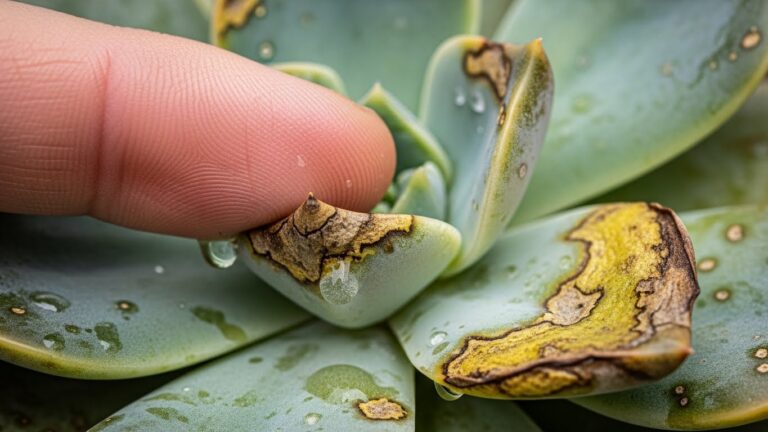
How can you tell if your beloved Haworthia or Echeveria is getting too much water? Look for some key overwatering symptoms. First, if you notice yellowing leaves, that’s a red flag. They may also become mushy or translucent, indicating they’re waterlogged. Check the bottom of the pot, too; if you see mold or a foul smell, these drainage issues are serious indicators that you need to adjust your watering routine. Another sign is if the leaves start to drop off, which can happen when roots are struggling in soggy soil. Remember, both plants thrive with well-draining soil, so be mindful of how often you water to keep them healthy and happy in your care!
Soil Preferences
Soil preferences play an essential role in the health and growth of your Haworthia and Echeveria plants, as these succulent species thrive in specific conditions. Understanding the right soil types and drainage requirements is key to keeping your plants happy and healthy.
Consider these tips when choosing soil:
- Use well-draining soil to prevent root rot.
- Cactus soil mixes work great for both species.
- Add perlite or sand for extra drainage.
- Avoid heavy soils that retain too much moisture.
- Check pH levels to guarantee they’re slightly acidic to neutral.
Growth Habits
When you’ve got the right soil for your Haworthia and Echeveria, you’ll start to notice their unique growth habits, which can be quite fascinating. Haworthia tends to grow slowly, often clustering in rosettes that create a charming little arrangement over time. Their growth patterns are compact, making them perfect for smaller spaces. Echeveria, on the other hand, usually grows faster, producing larger rosettes and sometimes even tall flower stalks. Their vibrant colors and varied shapes can brighten up any spot. Understanding their growth rates helps you appreciate their beauty and care needs. So, whether you’re drawn to Haworthia’s subtlety or Echeveria’s boldness, you’ll find joy in watching them grow!
Common Pests and Diseases
Even though both Haworthia and Echeveria are known for their resilience, they can still fall victim to a variety of pests and diseases that might surprise you. To keep your plants thriving, focus on pest management and disease prevention. Here are some common issues you might encounter:
Even resilient Haworthia and Echeveria can face unexpected pests and diseases; proactive care is essential for their health.
- Aphids: Tiny sap-sucking insects that can weaken your plants.
- Mealybugs: Cotton-like pests that can cause leaf drop.
- Fungus gnats: Annoying little flies that thrive in overwatered soil.
- Root rot: Caused by overwatering, leading to mushy roots.
- Powdery mildew: A white fungus that can cover leaves in humid conditions.
Propagation Techniques
To get started with propagating your Haworthia and Echeveria, you’ll be pleased to know that both plants are quite easy to multiply, making them perfect for sharing with friends or expanding your own collection. You can use two popular methods: leaf cuttings and offset division.
For leaf cuttings, carefully snip a healthy leaf and let it callous for a few days before placing it in soil. Water sparingly until roots develop.
Offset division is even simpler! When you see small offsets growing around the base of your plant, gently separate them and replant them in their own pots.
Both techniques are rewarding, so plunge in and enjoy watching your collection grow!
Aesthetics and Variety
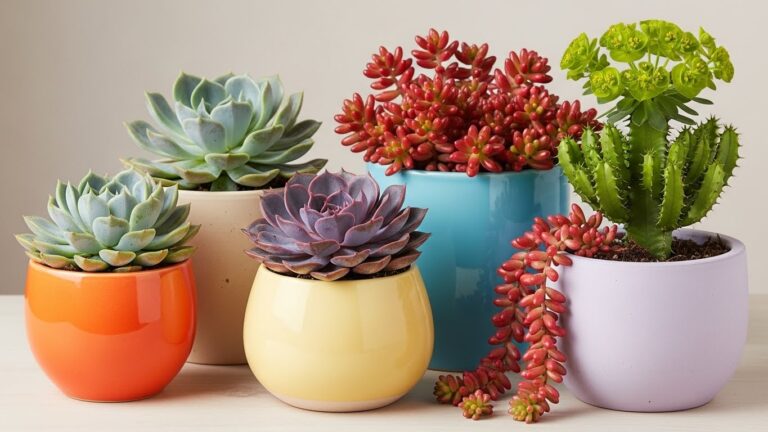
Haworthia and Echeveria, while both stunning choices for any plant lover, showcase a delightful variety of shapes, sizes, and colors that can transform your space into a mini desert oasis. When it comes to plant aesthetics, these succulents offer incredible color variations, ensuring you can find the perfect fit for your home.
Consider these enchanting features:
- Haworthia: Known for its rosette shapes and striking leaf patterns
- Echeveria: Offers a more classic rosette form with smooth, rounded leaves
- Colors: From deep greens to vibrant pinks, both varieties dazzle
- Size: Ranges from tiny tabletop plants to larger statement pieces
- Texture: Varied leaf textures add visual interest
With these options, you’re sure to create a stunning display!
Conclusion
In the battle of Haworthia versus Echeveria, it’s like choosing between two talented athletes—each has its strengths! Haworthia is perfect for those who want a low-maintenance companion, while Echeveria dazzles with vibrant colors and forms. Whichever you pick, remember that both can thrive with a little love. So, whether they’re basking in sunlight or adding charm to your desk, these succulent stars are sure to brighten your space and spark joy!