To propagate succulents from leaves or cuttings, select healthy, plump leaves and let them dry for 1-2 days to callous. Use sharp scissors for clean cuts, and place the dried leaves on well-draining soil, keeping them slightly moist. Provide bright, indirect sunlight to encourage root growth. Water them when the top inch of soil is dry. Be on the lookout for common issues like leaf rot or pests. Keep going, and you’ll discover more essential tips!
Key Takeaways
- Select healthy, plump leaves from the lower part of the plant for optimal propagation success.
- Allow removed leaves to dry for 1-2 days to form a callous before planting.
- Use well-draining soil and small pots or trays for planting the cuttings.
- Water the soil lightly and maintain slightly moist conditions until roots develop.
- Place the cuttings in bright, indirect sunlight to promote healthy growth.
Understanding Succulent Propagation
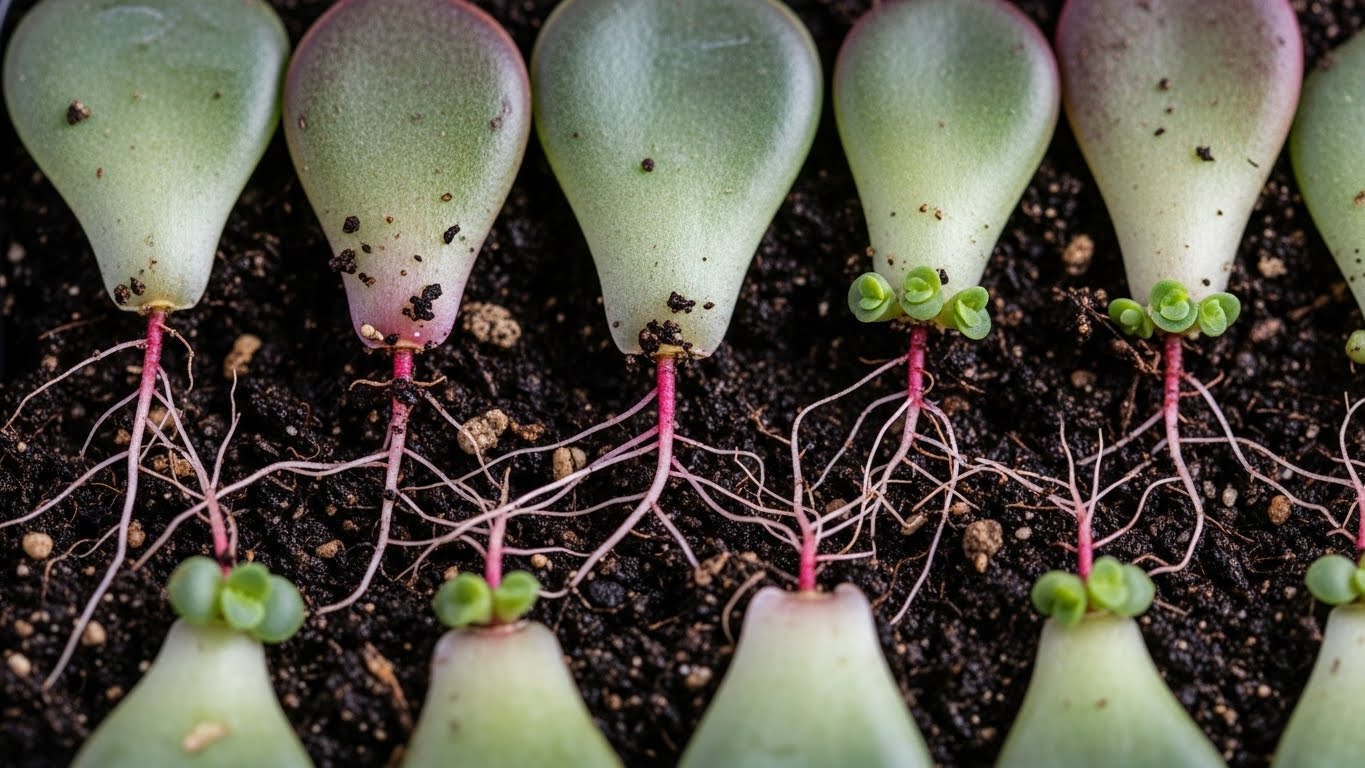
Understanding how to propagate succulents can be an exciting journey, especially when you realize just how easy it is to create new plants from your favorites! Succulents have a unique leaf structure that allows them to store water, making them perfect for propagation. You can use various propagation methods, like leaf cuttings or offsets, to grow new plants. Start by gently removing a healthy leaf, letting it dry for a day or two to callous over. Then, place it on well-draining soil, and keep it slightly moist. With a little patience and care, you’ll watch tiny roots develop and eventually see new growth sprout. Soon enough, you’ll have a whole collection of your beloved succulents! Additionally, understanding water storage structures is essential for successful propagation, as it helps ensure your new plants thrive.
Choosing the Right Succulent
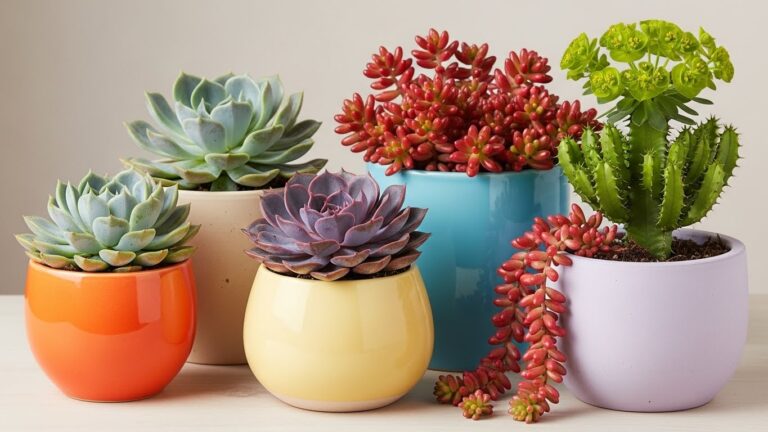
When it comes to choosing the right succulent, have you considered what type best suits your style and environment? Start by exploring variety selection; some succulents are compact, while others grow tall and sprawling. Think about your space—do you want a vibrant centerpiece or a subtle accent?
Next, look at their growth habits. Some succulents thrive in direct sunlight, while others prefer partial shade, so consider your home’s light conditions. Popular choices like jade plants or echeverias can adapt well, but it’s essential to match them with your lifestyle.
Tools and Materials Needed
Before you plunge into propagating succulents, gather the right tools and materials to make the process smooth and enjoyable. Having everything at hand not only simplifies your task but also adds a touch of excitement to your gardening adventure. Here’s a quick tools overview for your succulent propagation journey:
Tools | Essential Materials | Notes |
|---|---|---|
Sharp scissors | Clean potting soil | Well-draining is key! |
Small pot or tray | Leaf cuttings or stems | Choose healthy ones! |
Watering can | Plastic wrap (optional) | Helps retain moisture! |
With this list in mind, you’re ready to create a vibrant new succulent family. Happy propagating!
Preparing the Leaves or Cuttings
When you’re ready to propagate your succulents, the first step is to choose healthy leaves or cuttings. Make sure they’re free from any damage or disease, as this will increase your chances of success. Next, we’ll explore the best cutting techniques to prepare them for propagation and give your plants the best start possible!
Choosing Healthy Leaves
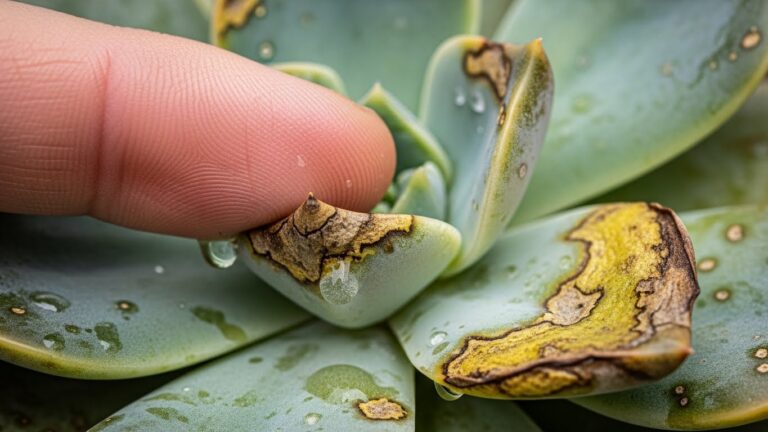
Choosing the right leaves or cuttings is essential for successfully propagating succulents, and there are a few key things to keep in mind. First, look for healthy leaf characteristics: vibrant color, firmness, and no signs of damage or pests. Avoid leaves that are wrinkled, discolored, or mushy, as these won’t thrive. Use leaf selection techniques like choosing mature, plump leaves from the lower part of the plant; these often have more nutrients. Remember, the healthier the leaf, the better your chances of successful propagation! Once you’ve picked your perfect leaves, let them dry for a day or so to callous over before planting. This small step can make a big difference in your succulent journey!
Cutting Techniques Explained
After selecting the healthiest leaves, it’s time to prepare them for propagation. Start by using a sharp, clean knife or scissors to make precise cuts. Pay attention to cutting angles; a 45-degree angle is ideal because it increases the surface area for roots to develop. Gently remove the leaves from the stem, ensuring they’re intact and not torn. Next, let the leaves sit for a day or two in a dry, shaded area. This helps form a callous over the cut edges, which protects them during the rooting process. When you’re ready, place the leaves flat on soil, ensuring proper leaf placement, as this will promote healthy growth. You’ve set the stage for your succulents to thrive!
Preparing for Propagation
Preparing for propagation is an exciting step in your succulent journey, and it sets the foundation for healthy new plants. To guarantee your leaves or cuttings thrive, you need to take into account a few important factors. Here’s what you should do:
- Choose healthy leaves or cuttings: Make sure they’re free from pests and diseases.
- Let them dry: Allow the cut ends to callous over to prevent rot.
- Take into account environmental factors: Find a warm, bright spot, but avoid direct sunlight initially.
- Select your propagation methods: Decide whether you’ll use soil or water to root your cuttings.
Allowing Callus Formation
When you propagate succulents, allowing callus formation is an essential step that can greatly enhance your chances of success. After you’ve cut your leaves or stems, place them in a dry, warm spot, away from direct sunlight. This resting period typically lasts about a few days. During this time, the cut edges will dry out and form a protective callus, which helps prevent rot when you eventually plant them. It’s like giving your succulents a little time to heal before they commence their new journey. Remember, patience is key! By prioritizing callus formation, you’re setting the stage for healthy roots and increased propagation success. You’ll be amazed at how simple this step can lead to thriving plants!
Planting the Propagated Pieces
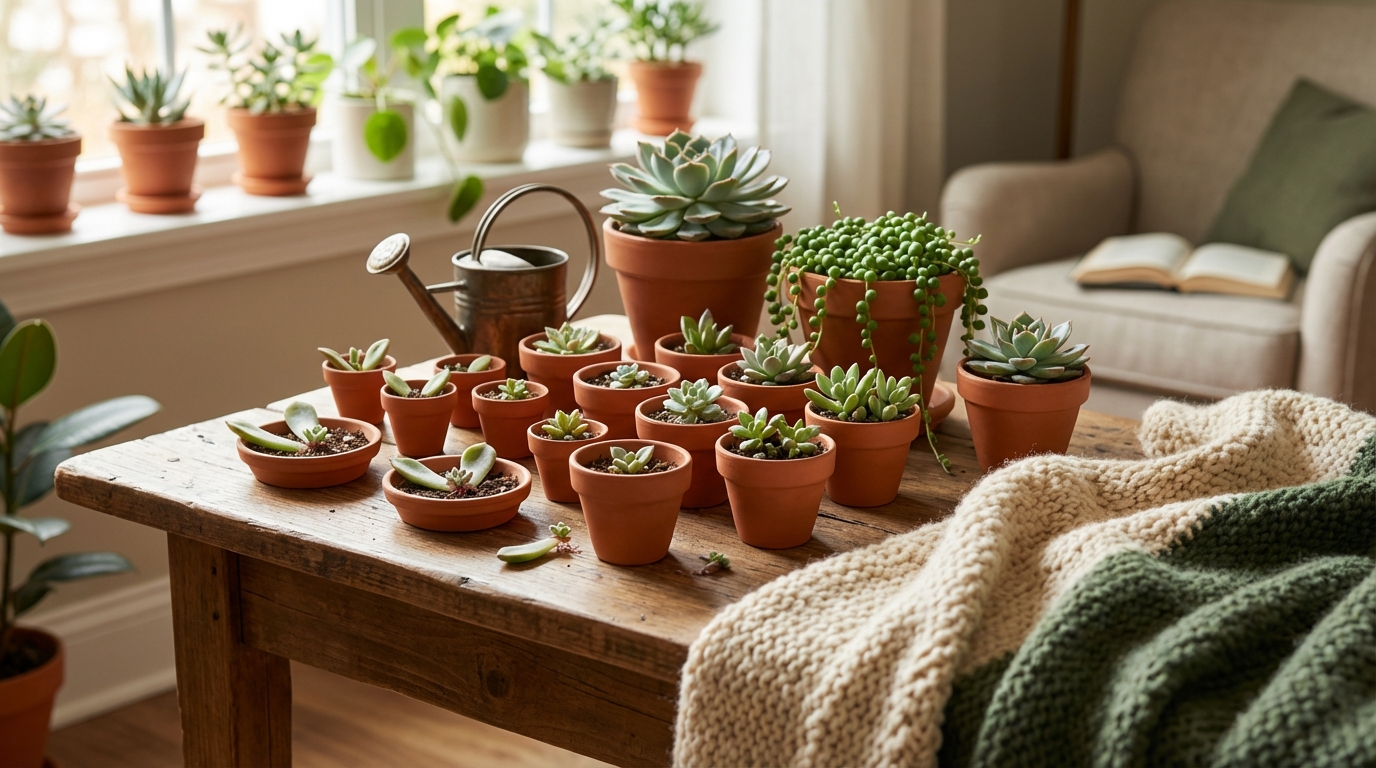
Now that your succulent pieces have formed a protective callus, it’s time to plant them and watch your propagation efforts come to life! Choosing the right planting techniques and guaranteeing ideal spacing is key to their success. Grab a well-draining soil mix and gently place your cuttings or leaves in pots, leaving enough space between them.
Plant your callused succulent cuttings in well-draining soil, ensuring proper spacing for a thriving garden.
Here are some tips to keep in mind:
- Use small pots for easy handling.
- Position cuttings upright or flat, depending on the type.
- Keep the soil lightly moist, avoiding sogginess.
- Confirm there’s adequate airflow around your plants.
With these simple steps, you’ll create a thriving environment for your new succulent friends, just waiting to grow into beautiful plants!
Watering and Care Tips
When it comes to keeping your new succulent babies happy, understanding their watering needs is key. You’ll also want to make sure they get the right amount of light and are planted in the perfect soil mix for ideal growth. Let’s explore these essential care tips to help your succulents thrive!
Watering Frequency Guidelines
Getting the watering frequency just right is essential for keeping your succulents healthy and thriving. To maintain ideal moisture levels, you’ll want to adopt a few watering techniques that suit your plants best. Here are some guidelines to help you out:
- Water when the top inch of soil feels dry.
- Reduce watering during winter months when growth slows down.
- Use well-draining pots to prevent root rot.
- Monitor your plants for signs of overwatering or underwatering.
Light Requirements Overview
To guarantee your succulents flourish, understanding their light requirements is essential. These lovely plants adore bright, natural light, so place them near a window where sunlight streams in. Ideally, they need about six hours of direct sunlight each day to thrive. If your space doesn’t provide enough natural light, don’t worry! You can use artificial light, such as grow lights, to give your succulents the boost they need. Just make sure the light is positioned about 12-18 inches above them. Remember, too much direct sunlight can scorch their leaves, while too little can stunt their growth. Keep an eye on your plants, and adjust their light exposure as needed for happy, healthy succulents!
Soil Type Importance
While providing your succulents with the right amount of sunlight is important, the type of soil they grow in plays a significant role in their overall health and vigor. A good soil composition is essential for your plants to thrive, especially when it comes to their drainage capabilities. The wrong soil can lead to root rot, which you definitely want to avoid! Here are some tips to help you choose the best soil:
- Look for a well-draining mix, often labeled for cacti or succulents.
- Consider adding perlite or sand to enhance drainage.
- Avoid heavy potting mixes that retain too much moisture.
- Regularly check the soil’s moisture level to find the right watering balance.
With the right soil, your succulents will flourish!
Optimal Light Conditions
When you’re looking to propagate succulents successfully, understanding their light requirements is vital because the right amount of sunlight can make all the difference in how well your new plants thrive. Ideally, succulents love bright, indirect sunlight, so placing them near a window is perfect. However, be mindful of seasonal variations; in winter, they might need a bit more light, while in summer, too much direct sun can scorch them. If natural light isn’t enough, consider using artificial lighting, like grow lights, to guarantee they’re getting the energy they need. Remember, striking the right balance helps your succulent leaves or cuttings establish roots and grow into healthy plants, so pay attention to their light needs!
Common Issues and Troubleshooting
Even with the right light conditions, you might still run into some hiccups while propagating succulents. It’s important to watch for common issues that can affect your propagation success. Here are a few things to keep in mind:
- Leaf Rot: Overwatering can lead to mushy leaves.
- Common Pests: Watch out for mealybugs and aphids; they love to snack on your cuttings.
- Environmental Factors: Sudden temperature changes can stress your plants.
- Slow Growth: This could indicate inadequate light or nutrients.
Transplanting and Long-Term Care
When you’re ready to transplant your succulents, it’s essential to choose the right soil to help them thrive. You’ll also want to pay attention to their watering and light needs, as these factors play a big role in their long-term health. Let’s explore how to keep your new plants happy and growing strong!
Choosing the Right Soil
Choosing the right soil for your succulents can make all the difference in their health and growth, especially when you’re transplanting them or providing long-term care. You’ll want to focus on a mix that offers excellent drainage properties and the right soil texture. Here’s what to take into account:
- Well-draining: Confirm the soil allows excess water to escape easily.
- A gritty mix: Combine potting soil with sand or perlite for added drainage.
- pH balance: Aim for a slightly acidic to neutral pH level.
- Organic matter: A little organic material can help, but don’t overdo it!
With the right soil, your succulents will thrive and flourish, making your plant care journey even more rewarding.
Watering and Light Needs
Understanding your succulents’ watering and light needs is essential for their survival and growth. These charming plants thrive in bright, indirect sunlight, so place them near a window where they can soak in that warmth. Aim for a temperature range of 60°F to 80°F (15°C to 27°C) for ideal development. When it comes to watering, less is often more; let the soil dry out completely between waterings, especially in lower humidity levels. Overwatering can lead to root rot, a common mistake. If your leaves start to wrinkle, it’s a sign they need a drink. By paying attention to these simple guidelines, you’ll help your succulents flourish and bring joy to your space!
Conclusion
Now that you know how to propagate succulents from leaves or cuttings, you’re ready to create your own little plant family! Just imagine, those tiny leaves you placed in soil could soon grow into vibrant, full plants, adding life to your space. As you nurture them, you’ll discover the joy of watching them thrive. Don’t forget to share your success stories—and maybe a cutting or two—with friends. Happy propagating, and may your succulent adventure be a blooming success!