
Parlor palms can face pesky pests like mealybugs, scale insects, spider mites, and fungus gnats, which can stress your plant. To spot mealybugs, look for white, cottony clumps; treat them with rubbing alcohol or insecticidal soap. Scale insects leave sticky residue, and you can gently scrape them off or use soap. For spider mites, check for webbing and yellowing leaves. Managing fungus gnats involves letting the soil dry between waterings. Keep your plants clean and monitor them regularly for the best results! More tips await you!
Key Takeaways
- Mealybugs leave a white, cottony residue; treat with rubbing alcohol or insecticidal soap for effective removal.
- Scale insects cause sticky residue and bumps; gently scrape them off or apply rubbing alcohol for severe cases.
- Aphids cluster on new growth, causing leaf curling; regularly inspect and treat infested areas with insecticidal soap.
- Fungus gnats thrive in moist soil; let soil dry between waterings and use sticky traps to manage adults effectively.
- Regularly clean leaves to prevent pests, inspect for infestations, and maintain a healthy environment for optimal palm growth.
Common Pests Affecting Parlor Palms
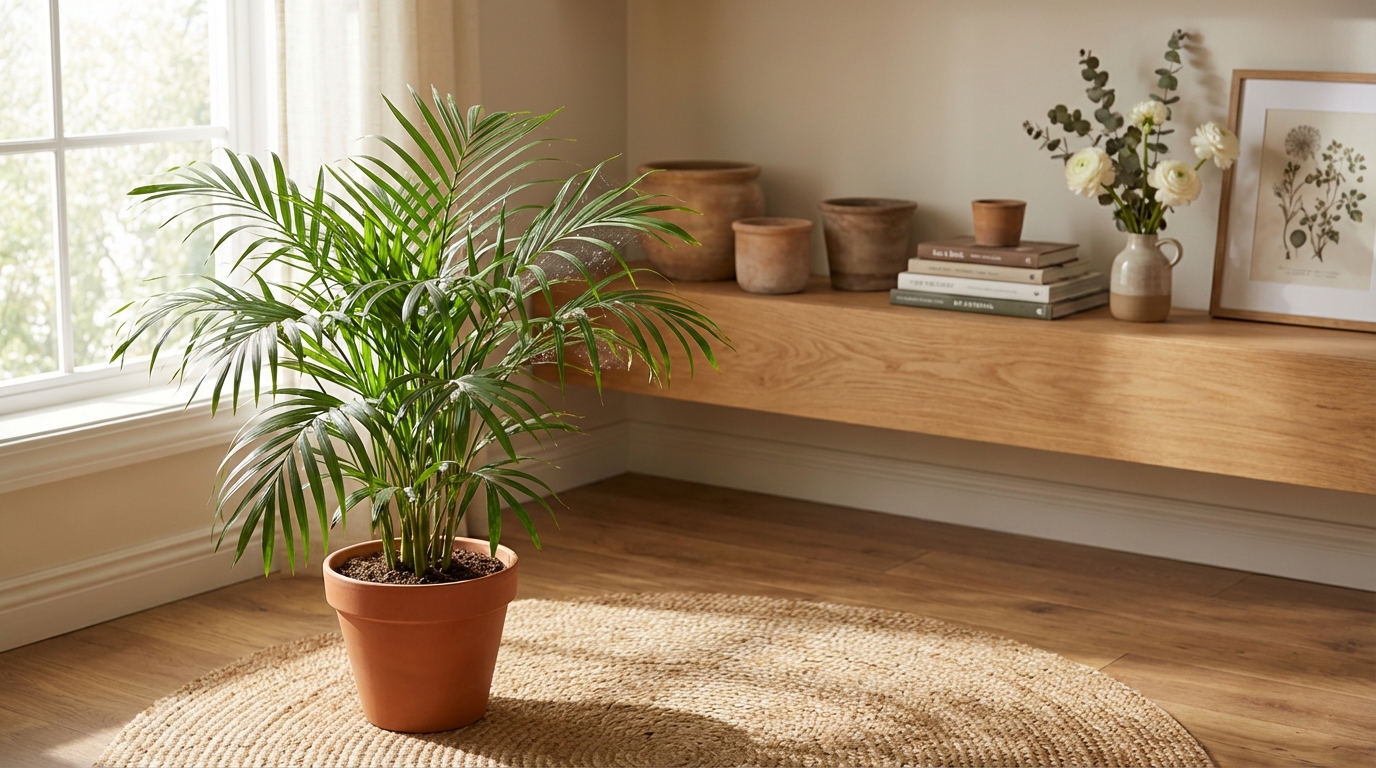
When you think about keeping your parlor palm healthy, it’s important to be aware of the common pests that can invade this popular houseplant. One of the most frequent culprits is the mealybug, which leaves behind a white, cottony residue. You might notice yellowing leaves or stunted growth as pest symptoms. Another common pest is the scale insect, often hiding beneath the leaves. If you spot tiny, raised bumps, that’s a sign they might be present. Finally, aphids can also be an issue; they’re small and often cluster on new growth, causing curling leaves. Proper care techniques can help you maintain that lush, green beauty you love in your parlor palm!
Identifying Spider Mites on Parlor Palms
How can you tell if your beloved parlor palm is being attacked by spider mites? Start by closely examining the leaves. You might notice tiny yellow or white specks, which are signs of spider mite damage. If you spot fine webbing, that’s a clear signal too! Let’s break down the symptoms for easier spider mite identification:
Symptom | Description | Action Needed |
|---|---|---|
Yellowing Leaves | Leaves turn yellow or pale | Inspect closely |
Fine Webbing | Thin webs on leaves | Check for mites |
Leaf Drop | Leaves fall prematurely | Act quickly |
Stippling Damage | Tiny spots on leaf surface | Monitor regularly |
Dealing With Mealybugs: Signs and Solutions
Mealybugs can be a sneaky problem for your parlor palms, so it’s important to recognize the signs of an infestation early. You’ll want to know how to spot these pests, treat your plant effectively, and keep them from coming back. Let’s explore what you need to do to protect your palm and keep it thriving!
Identifying Mealybug Infestations
Have you ever noticed white, cottony clumps on your Parlor Palm’s leaves or stems and wondered what they are? Those are likely mealybugs, and recognizing them is key. Understanding their presence helps you tackle mealybug damage before it gets serious. Here are some signs to look for:
- Sticky Residue: A shiny, sticky substance on leaves indicates mealybug excretion.
- Yellowing Leaves: If the leaves start to turn yellow or drop, it might be due to mealybug damage.
- Cottony Clumps: These pests reproduce quickly, and their lifecycle means they can multiply rapidly if not caught early.
Effective Treatment Methods
Once you’ve identified those pesky mealybugs on your Parlor Palm, it’s time to take action and protect your plant. Start by gently wiping the affected leaves with a cotton swab dipped in rubbing alcohol; this natural remedy can kill mealybugs on contact. If the infestation is stubborn, you might consider using insecticidal soap or neem oil—both are effective chemical treatments that won’t harm your palm. Remember to apply these solutions in the evening to avoid sunburn on the leaves. After treatment, monitor your plant closely, checking for any new signs of mealybugs. Consistency is key here, so repeat treatments if necessary, ensuring your beloved Parlor Palm remains healthy and thriving!
Prevention Strategies for Mealybugs
While keeping your Parlor Palm healthy and happy, you’ll want to incorporate some smart prevention strategies to keep mealybugs at bay. Here are three effective tips you can easily follow:
- Regular Inspections: Check your palm weekly for any signs of mealybugs. Early detection is key to preventing a full-blown infestation.
- Natural Repellents: Use neem oil or insecticidal soap to deter these pests. These natural solutions are safe and can help protect your beautiful plant.
- Cleanliness Matters: Wipe down the leaves with a damp cloth regularly. This not only keeps your palm dust-free but also makes it less inviting for mealybugs.
How to Combat Scale Insects on Your Palms
When you notice scale insects on your parlor palms, it’s essential to act quickly, as these tiny pests can seriously harm your beloved plants. Start by inspecting your palms closely, looking for the sticky residue they leave behind or the small, hard bumps on the stems and leaves. Understanding the scale insect lifecycle will help you tackle them effectively. For scale insect removal, try gently scraping them off with a soft cloth or using a cotton swab dipped in rubbing alcohol. If the infestation is severe, consider applying insecticidal soap to eliminate the pests. Keep an eye on your plants regularly, and remember, a little prevention goes a long way in ensuring your palms stay healthy and vibrant!
Managing Fungus Gnats in Indoor Settings
Fungus gnats can be a real nuisance in your indoor plants, especially if you notice tiny flies buzzing around your parlor palm. First, it’s essential to identify an infestation, and then you can explore effective control methods to keep these pests at bay. Let’s uncover what you need to know to manage these pesky little bugs and protect your beloved plants!
Identifying Fungus Gnat Infestations
Have you ever noticed tiny, pesky flies buzzing around your houseplants? Those might be fungus gnats, and they can be more than just annoying. To identify an infestation, keep an eye out for:
- Little flies: Adult fungus gnats are small, dark, and typically found near the soil.
- Larvae: Look for tiny, white worms in the top layer of the soil; these are the larvae that emerge from eggs laid by the adults.
- Plant distress: If your parlor palm’s leaves start to yellow or droop, it could be a sign of a fungus gnat problem, as they’re disrupting the plant’s life cycle.
Recognizing these signs early can help you take action before the infestation worsens.
Effective Control Methods
Effective control methods are essential for managing pesky fungus gnat infestations in your indoor plants, especially if you want to keep your parlor palm thriving. Start by letting the soil dry out between waterings; this makes it harder for gnats to lay eggs. You can also introduce natural remedies like beneficial nematodes, which target gnat larvae without harming your plants. Sticky traps are a great organic solution; place them near your plant to catch adult gnats. Additionally, consider using a mixture of water and mild dish soap to spray on the soil surface, creating a barrier against these annoying pests. With these strategies, you’ll keep your parlor palm happy and healthy, all while using eco-friendly methods!
Preventative Measures for Pest Infestation
When it comes to keeping your parlor palms healthy, taking proactive steps against pests is essential. By focusing on prevention, you can create a nurturing environment that keeps those pesky critters at bay. Here are three key measures to contemplate:
- Regular inspections: Check your plants often for any signs of pests. The sooner you spot a problem, the easier it is to handle!
- Proper watering: Confirm you’re not over or under-watering your palms, as stressed plants attract pests. A happy plant is a healthy plant!
- Cleanliness: Wipe down leaves and remove any debris around the pot. A tidy space is less inviting to unwanted guests.
Best Practices for Treating Infested Parlor Palms
If you discover pests on your parlor palms, don’t panic—there are effective ways to tackle the problem and restore your plant’s health! First, inspect your palms closely to identify the type of pest. Next, choose a suitable method for pest management; this could mean using insecticidal soap or neem oil. Apply it according to the instructions, ensuring you cover both sides of the leaves. Regularly clean your plant’s leaves to remove any sticky residue and help prevent future infestations. Don’t forget to isolate infested plants to protect your other greenery. Finally, monitor your palm’s overall health; a healthy plant is less susceptible to pests. With these best practices, your parlor palms will thrive again!
Conclusion
In summary, keeping your parlor palm healthy is essential, especially since nearly 50% of indoor palm plants suffer from pest issues at some point. By recognizing common pests like spider mites and mealybugs, and taking action quickly, you can protect your plant and make certain it thrives. Remember, a little prevention goes a long way, so keep an eye on your palm and address any signs of trouble early. Happy gardening, and may your parlor palm flourish!


