
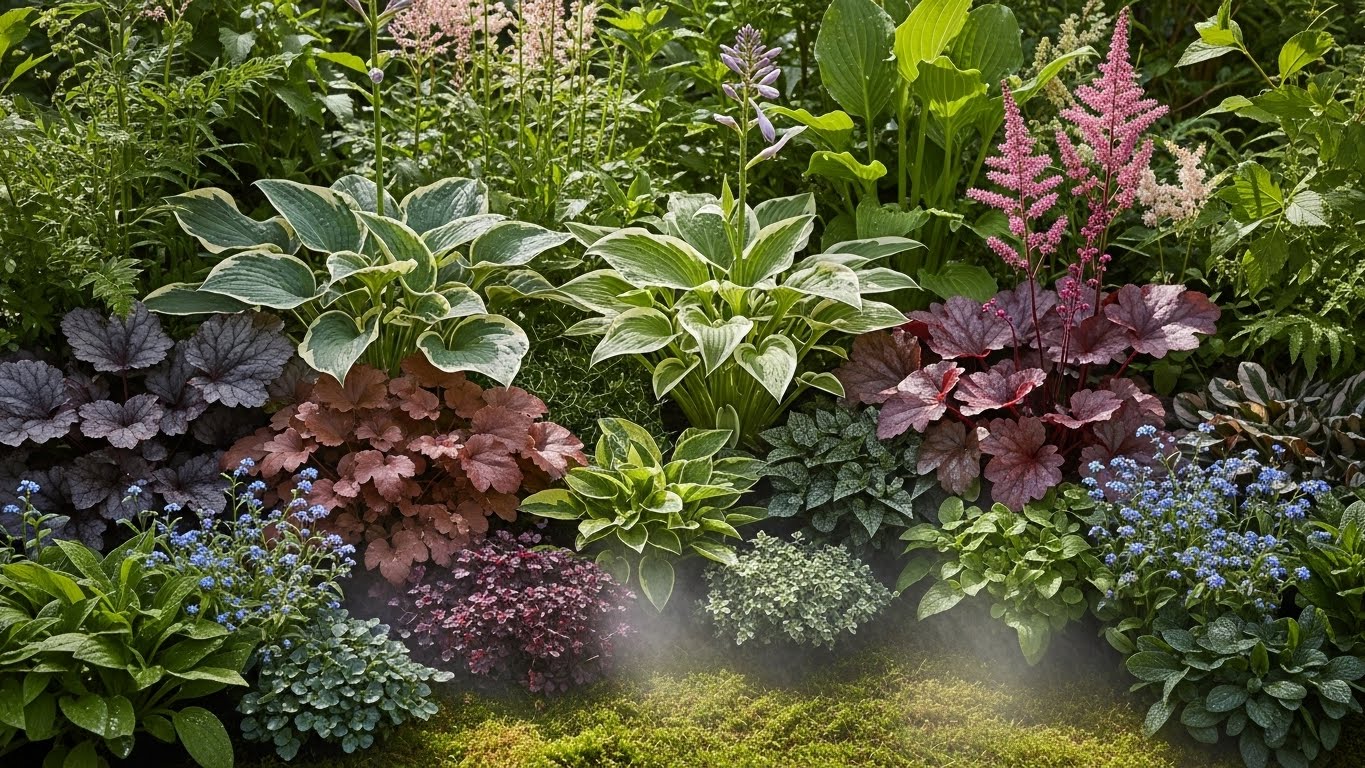
When pairing plants, consider compatibility to create a vibrant garden! For example, tomatoes love being near basil because it enhances their flavor and keeps pests away. Mixing plant heights adds depth, and combining different colors and textures grabs attention. Remember sunlight and water needs—grouping similar plants together helps them thrive. Seasonal blooms also keep your garden lively. Keep exploring plant combinations, and you’ll uncover even more exciting pairings for your garden oasis!
Understanding Plant Compatibility
When you start a garden, understanding plant compatibility is essential because some plants thrive together, while others can clash like oil and water. Nurturing strong plant relationships can lead to a flourishing garden, where each plant supports the others. For instance, pairing tomatoes with basil not only enhances flavor but also helps repel pests. These relationships create ecological benefits, like improved pollination and healthier soil.
Take time to explore which plants complement each other, considering their needs for sunlight, water, and nutrients. You’ll discover how certain combinations can provide shelter from pests or promote growth. Remember, a well-planned garden isn’t just about beauty; it’s about creating a harmonious ecosystem that thrives together, making your gardening journey even more rewarding.
Factors to Consider for Plant Pairing
To create a successful garden, you’ve got to think about several key factors that influence plant pairing. By considering these elements, you can craft a beautiful and harmonious space that feels just right:
- Plant height: Mix tall plants with shorter ones to create depth.
- Color contrast: Pair vibrant flowers with lush greens for visual interest.
- Texture variety: Combine smooth leaves with spiky or fuzzy textures for dimension.
- Growth habits: Choose plants that complement each other’s growth patterns, ensuring they don’t overcrowd one another.
Sunlight Requirements
When it comes to pairing plants, understanding their sunlight needs is key to creating a thriving garden. Some plants absolutely love soaking up full sun, while others prefer the cool comfort of shade. Knowing where each type fits in your garden will help you make the best choices for a vibrant and healthy plant display!
Full Sun Lovers
Full sun lovers thrive in bright, sunny spots, making them perfect for gardens that soak up those warm rays. If you’re keen to fill your garden with life, consider these delightful options:
- Sun loving succulents: They’re low-maintenance and come in various shapes and colors, adding texture to your space.
- Vibrant flowering plants: Think zinnias or marigolds that burst with color and attract pollinators.
- Herbs: Basil, rosemary, and thyme flourish in full sun, enhancing your garden’s culinary charm.
- Cacti: With their unique forms, they’re a fantastic choice for a striking display.
Combining these plants not only creates a visual feast but also guarantees your garden thrives in the sun! Embrace the warmth and watch your garden flourish.
Shade Tolerant Plants
Shade tolerant plants are a fantastic solution for those less-than-sunny spots in your garden, allowing you to create vibrant spaces even under the canopy of trees or beside shaded walls. These shade-loving beauties thrive in low light, making them perfect for those areas where sunlight struggles to reach. Plus, they offer delightful foliage contrast, enhancing your garden’s visual appeal. Here’s a quick guide to some great options:
Plant Name | Sunlight Needs | Key Features |
|---|---|---|
Hostas | Low light | Moisture loving |
Ferns | Partial shade | Lush green foliage |
Astilbes | Moist, shaded spots | Colorful blooms |
Heucheras | Dappled light | Varied leaf colors |
Incorporate these plants for a lush, inviting atmosphere!
Watering Needs and Soil Types
When it comes to keeping your plants happy, understanding their watering needs and soil types is essential. You’ll want to group plants with similar watering requirements together, making it easier to care for them. Additionally, knowing how different soil types retain moisture can help you create the perfect environment for your green friends to thrive.
Similar Watering Requirements
Understanding the watering needs of your plants can be a game-changer in keeping them healthy and thriving. When you pair plants with similar watering requirements, you create a harmonious environment. Here are some great combinations to reflect upon:
- Cacti companions: Mix different types of cacti that enjoy dry conditions and minimal watering.
- Herb pairings: Basil and oregano thrive together, needing consistent moisture without drowning.
- Succulents: Pair succulents like jade and haworthia, which prefer infrequent watering and well-drained soil.
- Tropical plants: Combine peace lilies and snake plants, both loving a bit of humidity while avoiding soggy roots.
Soil Type Compatibility
Soil type compatibility plays an essential role in your plants’ health and growth, and knowing which plants thrive in similar soils can make a big difference. When selecting plants, consider their soil pH and nutrient levels to guarantee harmony in your garden.
Soil Type | Ideal Plants |
|---|---|
Acidic (pH < 6) | Blueberries, Azaleas |
Neutral (pH 6-7) | Tomatoes, Peppers |
Alkaline (pH > 7) | Lavender, Sage |
Matching plants with compatible soil types helps them flourish together, creating a vibrant, thriving ecosystem. When you nurture compatible plants, you’re not just caring for them; you’re cultivating a beautiful connection that brings joy and life to your space. Happy planting!
Moisture Retention Strategies
Maintaining proper moisture levels in your garden can be a game-changer for plant health, especially since different plants have varying watering needs. To master moisture retention and enhance water conservation, consider these strategies:
- Choose the right soil: Opt for soil types that retain water yet drain well, like loamy soil.
- Group plants wisely: Place plants with similar watering needs together to simplify care.
- Mulch generously: A thick layer of mulch helps keep moisture in and reduces evaporation.
- Water deeply and less frequently: This encourages roots to grow deeper, making plants more resilient.
Visual Harmony and Aesthetics
When you choose plants for your garden, the visual harmony and aesthetics can truly transform the space, making it not just a collection of greenery but a vibrant masterpiece. Think about color contrast to create eye-catching combinations; pairing bold hues with softer shades can draw attention and spark joy. Textural diversity adds depth, allowing smooth leaves to mingle with spiky or fuzzy varieties, enhancing interest. Consider a seasonal palette, ensuring your garden changes beautifully throughout the year. Aim for visual balance by distributing colors and textures evenly, avoiding overcrowding in one area. Ultimately, achieving aesthetic harmony means embracing the unique characteristics of each plant, crafting a cohesive look that feels both inviting and delightful. Your garden will become a cherished retreat!
Complementary Foliage and Textures
To create a garden that truly pops, consider the power of complementary foliage and textures. When you mix various plant features, you’ll discover delightful contrasts that capture the eye. Here are some key elements to think about:
Enhance your garden’s appeal by blending diverse foliage and textures for eye-catching contrasts.
- Textural contrast: Pair smooth leaves with rough ones for a dynamic feel.
- Foliage colors: Use vibrant greens alongside deep purples or silvers to create stunning visuals.
- Shape diversity: Combine round leaves with spiky ones to add interest and balance.
- Height variation: Layer plants with different heights to establish a beautiful visual rhythm.
Seasonal Considerations for Plant Pairing
As you plan your garden, it’s essential to contemplate how the changing seasons can influence your plant pairing choices. Seasonal blooms play a significant role in creating a vibrant landscape, so think about how different plants will thrive together throughout the year. For instance, pairing spring-flowering bulbs with summer perennials can create a continuous display of color.
Also, consider temperature fluctuations; some plants might struggle in extreme heat or cold, impacting their growth and partnership. By choosing companions that have similar requirements, you’ll guarantee a harmonious garden. Don’t forget to mix textures and heights to keep things visually interesting—after all, a well-thought-out combination can turn your garden into a stunning seasonal showcase!
Companion Planting for Pest Control
Companion planting can be a game-changer when it comes to pest control in your garden. By pairing the right plants, you can create a natural defense system that attracts beneficial insects and deters harmful pests. Here are some tips to get you started:
Companion planting transforms your garden into a natural pest defense, attracting helpful insects while keeping harmful ones at bay.
- Marigolds: They repel nematodes and attract pollinators.
- Basil: This aromatic herb confuses pests and enhances the flavor of nearby tomatoes.
- Nasturtiums: These vibrant flowers act as a trap for aphids, drawing them away from other plants.
- Chives: Their strong scent wards off aphids and other pests while boosting the health of nearby plants.
Incorporating pest resistant plants into your garden can foster a vibrant ecosystem that supports your plants’ health and beauty.
Creating a Balanced Plant Display
Creating a visually appealing and harmonious plant display can elevate any garden space, turning it into a lively oasis. To achieve display balance, consider mixing plants of varying heights, colors, and textures. A thoughtful plant arrangement invites the eye to explore while creating a sense of unity.
Plant Type | Height |
|---|---|
Tall Foliage | 3-6 ft |
Medium Blooms | 1-3 ft |
Ground Cover | 0.5-1 ft |
Succulents | 0.5-2 ft |
Vining Plants | 1-5 ft |
Conclusion
In the world of plants, choosing the right companions can turn your garden into a vibrant masterpiece. By considering factors like sunlight, water, and aesthetics, you can create a harmonious environment that delights the senses. Embrace the beauty of diverse plant pairings and enjoy the benefits they bring, from pest control to visual appeal. So, get ready to mix and match, and let your garden thrive with a little creativity and care! Happy planting!


