
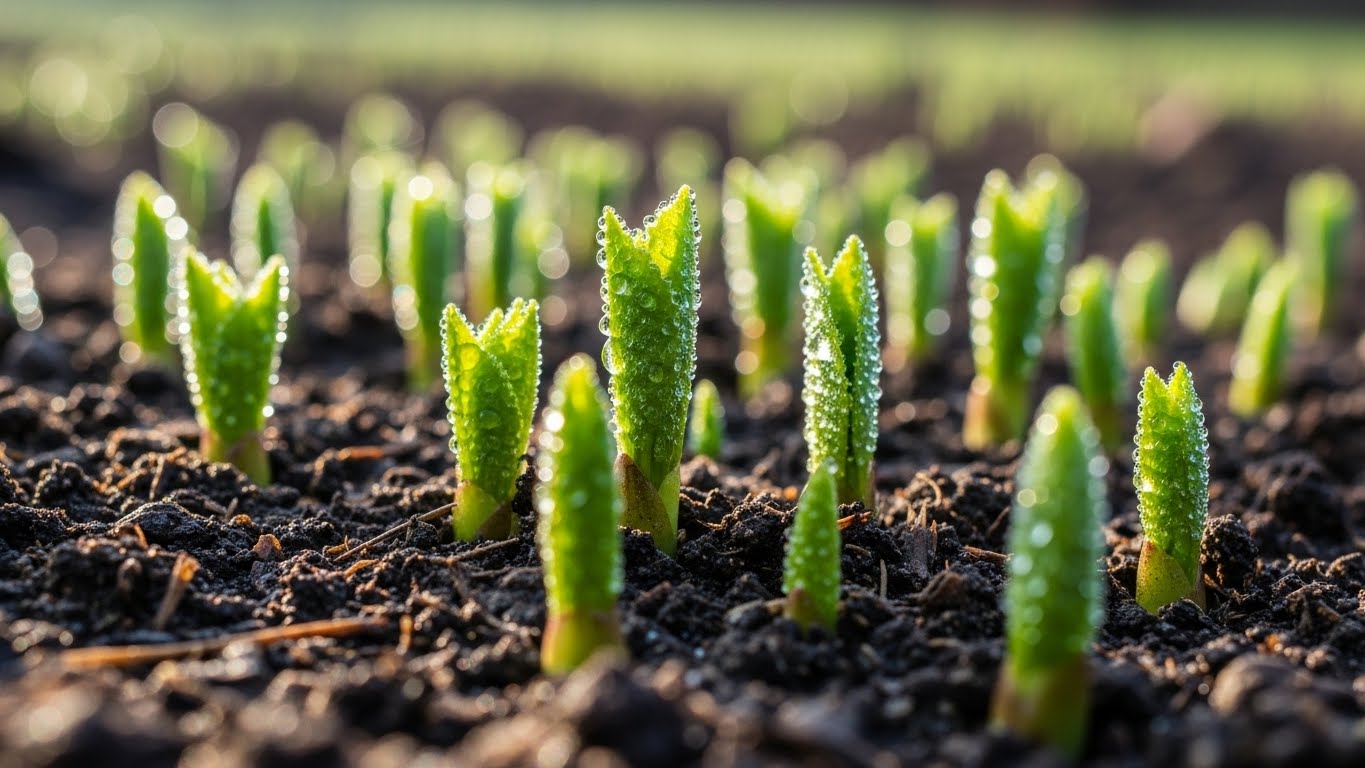
To identify new growth on your houseplants, look for vibrant, healthy leaves that are rich in green color and smooth in texture. Observe if stems are thickening or elongating, which shows strength. Watch for budding flowers, a sign your plant is ready to bloom. Check for any changes in size or color, too. These signs all point to a thriving plant! Keep this in mind, and you’ll discover even more ways to nurture your leafy friends.
Understanding Plant Growth Stages
💡 Understanding how to nourish your plants is essential for their growth.
➜ Discover proven techniques
When you look at your houseplants, you might wonder just how they grow and change over time. Understanding plant growth stages is key to appreciating their journey. Plants go through distinct growth phases: germination, vegetative, flowering, and maturation. Each phase plays a crucial role in their overall health.
During germination, seeds sprout and begin to develop roots and leaves. As they enter the vegetative phase, they focus on growing stronger stems and lush foliage. Eventually, they reach flowering, where they prepare for reproduction. Finally, plant maturation occurs, showcasing their full potential.
The Importance of New Growth
New growth on houseplants is a thrilling sign of energy and health, inviting you to witness the magic of nature right in your home. Understanding new growth importance can deepen your connection with your plants. Each fresh leaf or stem you spot symbolizes a healthy plant significance, showing it’s thriving and adapting to its environment. New growth not only enhances the beauty of your plants but also indicates that they’re receiving the right care—whether it’s light, water, or nutrients. When you notice this vibrant activity, it boosts your confidence as a plant parent. So, keep an eye out for those little signs of life; they remind you that your efforts are paying off, creating a lush, lively atmosphere in your space.
Signs of Healthy New Leaves
When you’re checking out new leaves on your houseplants, pay attention to their color and texture. Healthy new leaves often boast vibrant greens that signal they’re thriving, while their smooth or slightly textured surfaces indicate they’re full of life. By spotting these signs, you’ll know your plant is on the right track!
Color Vibrancy
The vibrant colors of new leaves can be a thrilling sight for any plant lover, signaling that your houseplant is thriving. When you spot those fresh leaves, take a moment to appreciate their color saturation and contrast. Healthy new leaves often exhibit bright greens or even stunning reds and yellows. Here’s what to look for:
- Rich Green Shades: A deep, vibrant green usually indicates good health.
- Bright Hues: Look for reds or yellows; these can signal excitement in growth.
- Uniform Color: Even coloring across the leaf is a great sign.
- No Fading: If the color stays strong, you know your plant is happy!
Celebrate these little victories; they show your care is paying off!
Leaf Texture
Leaf texture is a key indicator of your houseplant’s health, and spotting those fresh, tender leaves can be quite exciting! When you examine new growth, pay attention to the leaf characteristics. Healthy new leaves often feel smooth and slightly plump, displaying a vibrant texture that differs from older, tougher leaves. Texture variations can show you how well your plant is thriving. For instance, a soft, velvety feel might indicate a well-watered plant, while crisp, dry leaves suggest it’s time for a drink. Remember, each plant has its unique textures, so getting to know your houseplant’s preferences can make all the difference. Embrace the joy of nurturing and watch your leafy friends flourish!
Observing Stem Development
Sometimes, it’s easy to overlook the fascinating world of a plant’s stem, but observing its development can reveal a lot about your houseplant’s health and growth. By focusing on stem health and growth patterns, you can better understand what your plant needs. Look closely at how the stem changes over time; this can guide you in caring for it.
- Notice any thickening or elongation of the stem.
- Check for color changes, which might indicate issues.
- Observe the stem’s firmness; a weak stem can signal problems.
- Watch for new offshoots, a sign of healthy growth.
Recognizing Budding Flowers
When you’re keeping an eye on your houseplants, spotting budding flowers can be one of the most exciting moments. Look for small, tightly-packed clusters forming at the tips of stems or in the leaf axils, as these are signs that blooms are on their way. Knowing the right timing for flowering can also help you anticipate when to expect these beautiful additions to your plant’s display!
Signs of Flower Buds
Flower buds are like little promises of beauty, hinting at the vibrant blooms that will soon grace your houseplant. When you spot these signs of flower bud formation, you know your plant is gearing up for something special. Keep an eye out for:
- Small, tight clusters: These are the beginnings of your flowers, often appearing at the tips of stems.
- Changes in leaf color: Budding flowers can cause nearby leaves to shift their hues.
- Increased growth: If you notice your plant thriving, it might be responding to seasonal flowering signals.
- A sweeter scent: Some plants release a lovely fragrance as they prepare to bloom.
Recognizing these signs will deepen your connection with your houseplant and its blossoming journey.
Timing for Flowering
Timing is essential when it comes to recognizing budding flowers on your houseplants, as many species have specific blooming seasons that can vary widely. To understand your plant’s flowering cycles, pay close attention to its natural habitat. Some plants bloom in spring, while others may surprise you with flowers in winter.
Look for blooming triggers, like changes in light or temperature. For example, many plants need longer daylight hours to produce buds. Keep a consistent watering routine, as stress can delay flowering. Watch for subtle swelling at the tips of stems or leaf axils, signaling that your plant is ready to burst into bloom. By staying observant, you’ll be rewarded with beautiful flowers and a deeper connection to your beloved plants.
Monitoring Root Growth
Monitoring root growth is like peeking beneath the surface to discover the hidden life of your houseplants. Healthy roots are crucial for your plant’s vitality, and understanding their growth can help you maintain ideal root health. You can do this by observing your plant’s soil conditions and checking for signs of root development.
Here are a few tips to help you along the way:
- Gently lift the plant from its pot to inspect the roots.
- Look for white, firm roots; they indicate good health.
- Check for any mushy or brown roots; they signal potential problems.
- Make sure the soil has proper drainage to encourage healthy growth.
With a little care, you’ll help your plants thrive!
Seasonal Changes and Growth Patterns
As you keep an eye on your houseplants’ roots, it’s just as important to pay attention to how seasonal changes can affect their growth patterns. During spring and summer, you’ll notice bursts of new leaves and stems, signaling seasonal growth. Your plants are busy soaking up the sun and warming temperatures, so they thrive in these active months. However, as fall approaches, many plants enter a phase of dormancy, slowing down their growth considerably. This doesn’t mean they’re unhealthy; they’re simply conserving energy for the colder months ahead. By understanding these seasonal changes, you’ll be better equipped to identify new growth and care for your plants, ensuring they flourish year-round. Keep a watchful eye, and enjoy the journey!
Tools to Assist in Growth Identification
To help you spot new growth on your houseplants, having the right tools can make all the difference. Essential gardening tools like pruning shears and trowels are great for maintaining your plants, while a magnifying glass can reveal the tiny details that show new life emerging. With these handy tools, you’ll be better equipped to recognize those exciting signs of growth and keep your plants thriving!
Essential Gardening Tools
💡 Proper watering is key to encouraging healthy new growth in your houseplants.
➜ Get the step-by-step guide
When you’re enthusiastic to spot new growth on your houseplants, having the right gardening tools by your side can make all the difference. These tools not only help you identify growth but also guarantee your plants thrive. Here are a few essentials you’ll want to keep handy:
- Pruning Shears: Perfect for applying pruning techniques, helping you trim away old leaves and encourage new ones.
- Trowel: Great for checking soil types and making sure your plants have the right environment.
- Watering Can: Keeps your plants hydrated, which is vital for growth.
- Ruler or Measuring Tape: Helps track new growth over time, giving you a sense of accomplishment as you watch your plants flourish.
With these tools, you’re ready to nurture and enjoy your green friends!
💡 Repotting can stimulate new growth, but it must be done carefully.
➜ See how to implement this
Magnifying Glass Benefits
Using the right tools can considerably enhance your ability to spot new growth on your houseplants, and one often-overlooked gem in your gardening toolkit is a magnifying glass. This handy tool offers incredible magnifying glass uses, especially when you’re enhancing plant observation. By peering closely at your plants, you can discover tiny buds, new leaves, or even pests that might be hiding.
Here’s a quick overview of the benefits:
Benefit | Description | Emotion Evoked |
|---|---|---|
Clarity | See details you might miss with the eye | Excitement |
Discovery | Spot new growth before it’s visible | Joy |
Pest Identification | Detect issues early | Relief |
Learning | Understand plant anatomy better | Curiosity |
Connection | Deepen your bond with your plants | Love |
Embrace this tool, and watch your gardening skills flourish!
Common Mistakes in Identifying Growth
Identifying new growth on houseplants can be tricky, especially if you’re not familiar with what to look for. Many people fall into common misconceptions, leading to misidentifying growth. Here are some common mistakes to avoid:
- Confusing old leaves for new growth: Those yellowing leaves aren’t new; they’re just past their prime.
- Ignoring the timing: Some plants have specific growing seasons, so check your plant’s cycle.
- Overlooking subtle changes: Tiny buds can be easily missed, so take a closer look!
- Neglecting the plant type: Different species have varying signs of growth, and what’s normal for one may not be for another.
The Role of Light in Promoting New Growth
Light plays a significant role in the growth of your houseplants, acting as the energy source they need to thrive. The right light intensity can stimulate new growth, making your plants perk up with excitement. Too little light, and they may become leggy and weak; too much, and they could scorch. Finding that sweet spot is essential!
Equally important is light duration. Most houseplants need about 12 to 16 hours of light each day, so consider using grow lights if natural sunlight isn’t sufficient. Remember, your plants communicate their needs; if they’re stretching towards the light or their colors seem dull, it’s time to adjust. With the right conditions, you’ll see vibrant new growth in no time!
How Watering Affects Growth
Watering your houseplants is essential for their growth, and knowing how to do it right can make all the difference. Proper water frequency and maintaining the right soil moisture are key to your plant’s health. Too little water can lead to wilting, while too much can cause root rot.
Watering your houseplants correctly is vital for their health; balance is key to prevent wilting or root rot.
Here are some tips to help you get it just right:
- Check the top inch of soil; if it’s dry, it’s time to water.
- Use room temperature water to avoid shocking your plants.
- Water deeply, ensuring moisture reaches the roots.
- Adjust your watering schedule based on seasonal changes.
Nutrient Needs for Optimal Growth
While it might seem like all your houseplants need is water and light, providing them with the right nutrients is just as essential for their growth and overall health. Different fertilizer types, like granular, liquid, and slow-release, cater to various needs. You should also consider soil amendments, which enhance nutrient availability and improve soil structure.
Nutrient | Role in Growth |
|---|---|
Nitrogen (N) | Promotes leafy growth |
Phosphorus (P) | Supports root development |
Potassium (K) | Boosts overall health |
Troubleshooting Stunted Growth
If your houseplant’s growth is stunted, it’s time to investigate a few key issues. First, consider the environmental factors like light, temperature, and humidity that might be affecting your plant. Then, check for nutrient deficiencies and any pesky pests that could be harming your plant’s health, as addressing these will help get your green friend back on track!
Environmental Factors Impacting Growth
Understanding how environmental factors impact the growth of your houseplants is key to troubleshooting any stunted growth issues. If your plants aren’t thriving, consider these vital elements:
- Humidity levels: Many plants prefer a humid environment; dry air can hinder growth.
- Temperature fluctuations: Consistent temperatures help plants grow better; avoid drastic changes.
- Soil quality: Well-draining soil is essential; poor soil can restrict growth.
- Light intensity: Make sure your plants receive the right amount of sunlight; too little or too much light can stunt growth.
Also, check air circulation and your fertilization schedule, as these can greatly affect your plants’ health. Finally, assess plant placement to create an ideal growth environment. With these factors in check, your houseplants can flourish!
Nutrient Deficiencies to Address
How can you tell if your houseplants are suffering from nutrient deficiencies? Look for signs like yellowing leaves or slow growth, which often indicate a nutrient imbalance. When your plant’s soil quality isn’t up to par, it can struggle to absorb essential nutrients. For instance, a lack of nitrogen leads to pale leaves, while insufficient potassium can cause leaf edges to brown.
To address these issues, start by checking your soil. If it’s compacted or depleted, consider repotting with fresh, nutrient-rich soil. Don’t forget to fertilize regularly, using a balanced formula to restore lost nutrients. With a little attention, your plants will thrive, showing off vibrant new growth in no time!
Pests Affecting Plant Health
When you notice your houseplants aren’t growing as they should, pests might be the sneaky culprits behind the problem. Identifying these pests early is essential for effective plant treatment. Here’s how you can spot them:
- Check for tiny holes in leaves, indicating insect damage.
- Look for sticky residue or webbing, which could signal spider mites.
- Inspect the undersides of leaves for small, discolored spots caused by aphids.
- Monitor your plants for any unusual leaf curling or wilting.
Encouraging New Growth Through Care Techniques
Nurturing your houseplants can lead to a spectacular show of new growth that brightens up your space and lifts your spirits. To encourage this growth, you’ll want to adopt some helpful care techniques. Start with pruning techniques: snip away dead or yellowing leaves to promote healthier new shoots. It’s like giving your plants a fresh start! Next, stick to a regular fertilization schedule. Use a balanced fertilizer every four to six weeks during the growing season, and your plants will thank you with vibrant foliage. Don’t forget to guarantee they get enough light and water, too. By combining these methods, you’ll create a thriving environment where new growth can flourish, adding joy to your home.
Conclusion
To sum up, spotting new growth on your houseplants is like discovering hidden treasures in your own backyard. By understanding growth stages, recognizing healthy signs, and providing the right care, you can help your plants thrive and flourish. Remember, a little attention goes a long way, so keep an eye on those stems and leaves! With patience and the right techniques, you’ll soon see vibrant new growth that brightens your space and your day. Happy gardening!
💡 Identifying issues with your plants can help you foster new growth.
➜ Master this approach


