Yes, you should fertilize your snake plant, especially during spring and summer! These are the growing seasons, so using a balanced fertilizer every 4 to 6 weeks helps it thrive. Watch for new leaves as a sign to feed it. In fall, stop fertilizing, as the plant prepares for dormancy. During winter, avoid adding nutrients since growth slows down. If you want to learn more about choosing the right fertilizer and spotting signs of nutrient need, keep going!
Key Takeaways
- Fertilize snake plants during spring and summer every 4-6 weeks for optimal growth and vibrant leaves.
- Use a balanced fertilizer with nitrogen, phosphorus, and potassium for best results.
- Avoid fertilizing in fall and winter as the plant enters dormancy and requires minimal nutrients.
- Signs of nutrient deficiency include slow growth and yellowing leaves; adjust fertilization accordingly.
- Over-fertilization can cause yellowing leaves and stunted growth; flush soil to remedy excess nutrients.
Understanding the Nutritional Needs of Snake Plants
When you think about keeping your snake plant healthy, understanding its nutritional needs is key to helping it thrive. Snake plants have specific nutrient requirements that can greatly impact their growth. They prefer a balanced fertilizer that provides essential elements like nitrogen, phosphorus, and potassium. These nutrients play crucial roles in promoting strong root systems, vibrant leaves, and overall health. While snake plants are resilient and can survive in low-nutrient soil, providing them with the right nutrients during their active growing season fosters lush growth. Additionally, incorporating excellent drainage into your potting mix will support healthy root development and prevent issues related to overwatering. Just remember, less is often more; over-fertilizing can harm your plant. By tuning into your snake plant’s needs, you’ll create an environment where it flourishes beautifully, becoming a proud addition to your home.
When to Fertilize Your Snake Plant
To keep your snake plant thriving, it’s essential to know the right timing for fertilization. Generally, you should fertilize during the growing season, which is spring and summer. Look for growth indicators like new leaves or increased height; these signals mean your plant is ready for nutrients. You’ll want to fertilize every 4 to 6 weeks during this period, adjusting fertilizer frequency based on your plant’s response. If you notice slower growth or yellowing leaves, it might be time to give your snake plant a little boost! Remember, it’s better to under-fertilize than overdo it, as too much can harm your plant. So, pay attention and enjoy watching your snake plant flourish!
Types of Fertilizers Suitable for Snake Plants
When it comes to feeding your snake plant, you’ll find a variety of fertilizers that can do the trick! From organic options that are gentle on the environment to liquid and granular types that offer different benefits, you’ve got choices. Let’s explore what works best for your green buddy, ensuring it stays healthy and vibrant!
Organic Fertilizer Options
Choosing the right organic fertilizer for your snake plant can make a big difference in its growth and health, especially since these hardy plants thrive on a little extra love and care. One fantastic option is compost tea, which you can easily make at home by steeping compost in water. This nutrient-rich liquid provides essential minerals and helps your plant flourish. Another great choice is worm castings; these tiny nuggets are packed with nutrients and improve soil texture, promoting better root development. When you use these organic fertilizers, you’re not just feeding your snake plant—you’re nurturing a vibrant connection with nature. So, roll up your sleeves and give your snake plant the organic boost it deserves!
Liquid vs. Granular Fertilizers
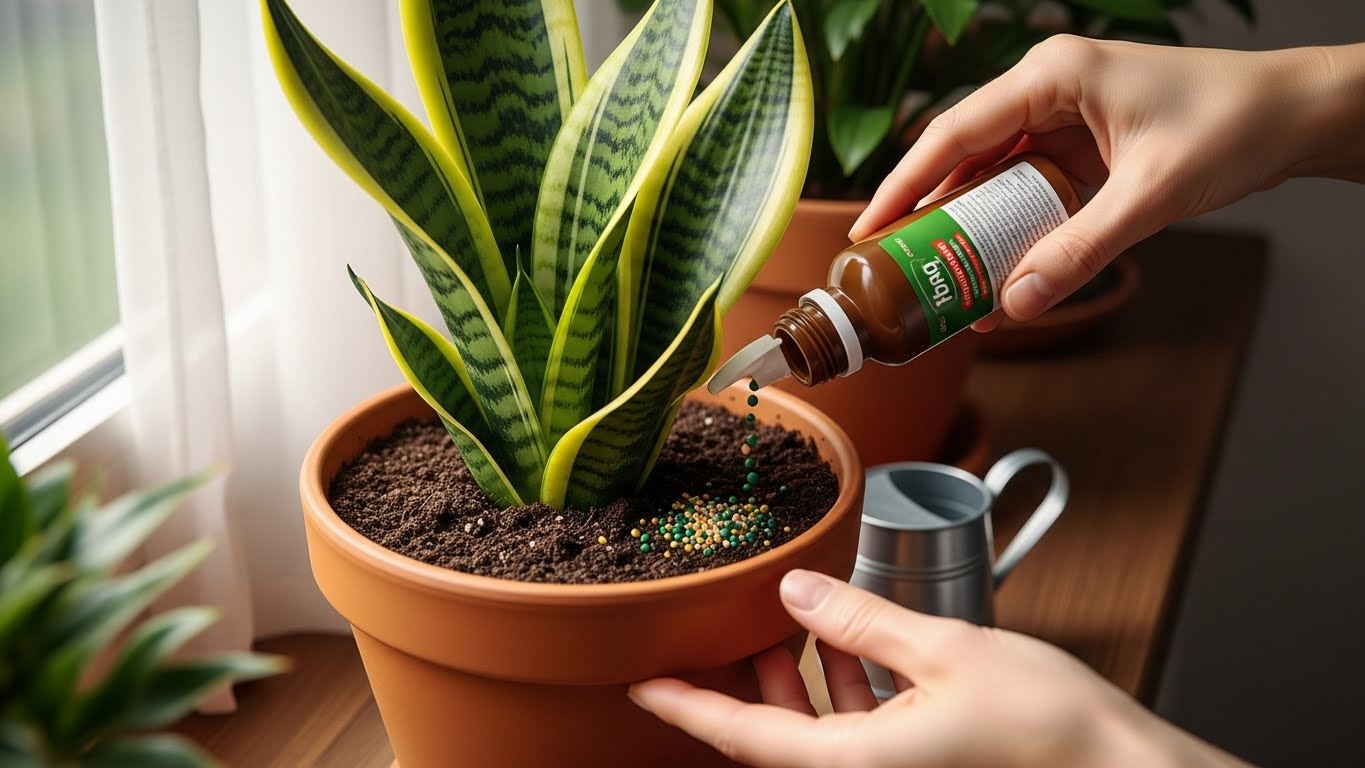
Fertilizers come in various forms, and understanding the differences between liquid and granular options can help you choose the best for your snake plant. Liquid fertilizers offer several advantages, like quick absorption, giving your plant an instant nutrient boost. They’re perfect for those times when you notice your snake plant looking a bit droopy and need a fast fix. On the other hand, granular fertilizers provide convenience, as they’re slow-releasing. Just sprinkle them on the soil, and they’ll gradually feed your plant over weeks. This means less frequent applications, which is great for busy schedules. Ultimately, it’s all about what works best for you and your beloved snake plant, whether you prefer the immediacy of liquids or the ease of granules.
How to Choose the Right Fertilizer
How do you know which fertilizer is best for your snake plant? First, consider the different fertilizer types available, like liquid or granular. Liquid fertilizers are quick to absorb, while granular options provide a slow release of nutrients. Look for a balanced fertilizer with a nutrient ratio like 10-10-10 or 20-20-20, ensuring your plant gets an equal mix of nitrogen, phosphorus, and potassium. These nutrients promote healthy growth and vibrant leaves. If your snake plant is in a low-light environment, a fertilizer with slightly lower nutrient ratios might be ideal, as it won’t need as much food. Remember, it’s all about finding the right balance to keep your snake plant thriving, so choose wisely!
Signs Your Snake Plant Needs Fertilization
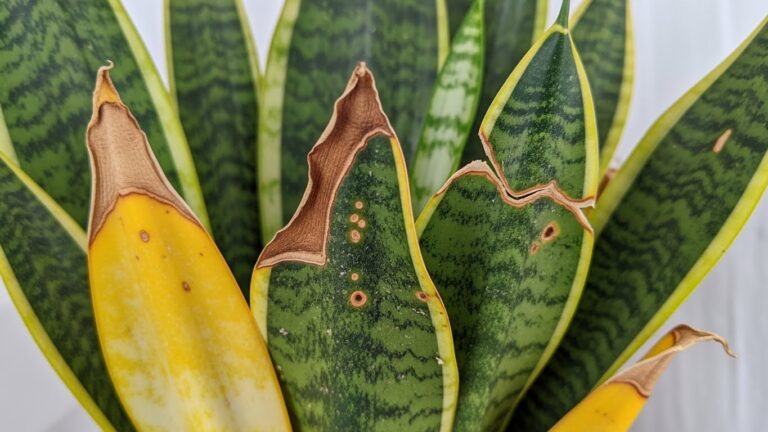
Recognizing when your snake plant needs fertilization is essential for keeping it healthy and vibrant. If you notice slow growth or yellowing leaves, these could be signs of nutrient deficiency. Your plant may be craving a little extra love, especially if it’s been several months since you fertilized. Keep an eye on the frequency of your feeding routine; ideally, you should fertilize during the growing season, which is spring and summer. If the leaves are pale or droopy, it’s a clear indication that your snake plant requires a nutrient boost. By paying attention to these signs, you can guarantee your plant thrives and remains a stunning addition to your home. Your green friend will thank you!
Over-Fertilization: Risks and Remedies
While it’s important to give your snake plant the nutrients it needs, over-fertilization can lead to serious issues that can harm your plant instead of helping it. You might notice over-fertilization symptoms like yellowing leaves, brown tips, or stunted growth. These signs indicate that your plant’s roots are overwhelmed and struggling to absorb nutrients properly.
To help your snake plant recover, start by flushing the soil with water to remove excess fertilizer. It’s also a good idea to repot it in fresh, well-draining soil, which gives your plant a clean slate. Remember, less is often more when it comes to fertilizing, so stick to a light feeding schedule to keep your snake plant happy and healthy!
Seasonal Fertilization Schedule
When it comes to fertilizing your snake plant, timing is everything! In spring, you’ll want to boost its growth with a little extra nutrition, while summer calls for maintenance to keep it thriving. As fall and winter roll in, remember that your plant needs a break, so adjust your fertilization routine accordingly to support its dormancy.
Spring Growth Phase
As spring arrives and temperatures rise, your snake plant enters a lively growth phase, making it the perfect time to revitalize its nutrient supply. During this spring growth period, you’ll want to start fertilizing your snake plant to support its rejuvenation. A balanced, diluted liquid fertilizer works wonders—choose one with equal parts nitrogen, phosphorus, and potassium. Aim to feed your plant every 4-6 weeks to provide essential nutrients without overwhelming its roots. Remember, your snake plant thrives on less, so don’t overdo it! Keep an eye on its leaves; vibrant, healthy growth means you’re on the right track. Enjoy watching your snake plant flourish as you nurture it through this exciting season!
Summer Maintenance Needs
Summer is a crucial time for your snake plant, and keeping up with its maintenance needs will help it thrive during the warmer months. Start with summer watering; make sure the soil is slightly moist but never soggy. It’s essential to let the top inch of soil dry out before you water again. This balance encourages healthy growth and prevents root rot.
Watch out for summer pests like spider mites and mealybugs, which can sneak in during this season. Regularly inspect your plant, and if you spot any unwelcome guests, remove them gently with a damp cloth. Remember, a little extra care in summer goes a long way in keeping your snake plant robust and beautiful!
Fall/Winter Dormancy Care
While your snake plant may slow down during the fall and winter months, it’s still important to give it the right care to prepare it for more vibrant growth when the warmer seasons return. During this dormancy period, you’ll notice signs like reduced growth and yellowing leaves. Don’t worry; it’s normal!
To help your plant thrive, cut back on fertilization—no need to feed it during these months. Make sure it’s getting adequate light, too; bright, indirect sunlight works wonders during the darker days. Monitor the soil moisture, allowing it to dry out between waterings. By providing the right conditions, you’ll guarantee your snake plant is ready to spring back to life when the warmer weather arrives!
Fertilizing in Spring: Encouraging Growth
Spring is the perfect time to give your snake plant a little extra love through fertilization, since this is when it wakes up from its winter slumber and starts pushing out new growth. As you prepare for this season of renewal, consider providing a nutrient boost to help your plant thrive. Choose a balanced, water-soluble fertilizer, and mix it according to package instructions. Apply it every 4-6 weeks during spring to support that exciting spring growth. Remember, your snake plant can be a bit sensitive, so avoid over-fertilizing—less is often more! With your care, your snake plant will flourish, showcasing vibrant leaves and healthy growth, making your space feel even more alive and inviting. Enjoy this growing journey!
Fertilizing in Summer: Maintaining Health
As the days grow longer and warmer, keeping your snake plant healthy during the summer months becomes essential for its ongoing well-being. This season is ideal for fertilizing, as your plant is actively growing. Use a balanced, diluted fertilizer every four to six weeks to give it that extra boost.
Don’t forget about summer watering; make sure the soil dries out between waterings to prevent root rot. It’s also important to keep an eye out for pests like spider mites or mealybugs. Regularly check your plant and wipe down the leaves if you spot any unwelcome visitors. By combining proper fertilization, thoughtful watering, and vigilant pest control, you’ll help your snake plant thrive all summer long!
Fertilizing in Fall: Preparing for Dormancy
As the cooler days of fall approach, it’s important to adjust your care routine for your snake plant, especially when it comes to fertilizing. This time of year marks the beginning of dormancy preparation, so you’ll want to reduce the nutrients your plant receives. Start by cutting back on fertilization, as your snake plant won’t need as many nutrients during the colder months. A good rule is to stop fertilizing altogether by late September or early October. Remember, your snake plant thrives on neglect, so less is often more! By making these adjustments, you’re helping your plant prepare for its restful period, ensuring it stays healthy and vibrant when spring rolls around.
Fertilizing in Winter: Is It Necessary?
When winter rolls around, you might wonder if your snake plant still needs fertilizing. The truth is, during this season, your plant slows down and focuses more on conserving energy than on growing. This means that nutrient absorption isn’t as essential. While your snake plant doesn’t require extra nutrients in winter, a little care can go a long way!
Nutrient Needs | Winter Care |
|---|---|
High | Not necessary |
Moderate | Minimal fertilization advised |
Low | Focus on watering and light |
Tips for Fertilizing Without Stressing Your Plant
To keep your snake plant happy while fertilizing, it’s vital to be mindful of how and when you apply nutrients. Start by choosing a balanced, water-soluble fertilizer and dilute it to half-strength; this helps prevent shock. Fertilize during the growing season—spring and summer—when your plant’s energy is high. Remember, less is more; over-fertilizing can stress your plant and harm its health.
Another tip is to water your snake plant a day before fertilizing; this guarantees the roots are well-hydrated, promoting stress reduction. Finally, observe your plant closely after fertilizing; if you notice any unusual signs, adjust your routine. By following these simple guidelines, you’ll help your snake plant thrive and flourish!
Conclusion
To sum up, fertilizing your snake plant can be like giving it a nutritious meal, ensuring it thrives, while neglecting it might lead to a sluggish, dull appearance. By understanding when and how to feed your plant, you can watch it flourish with vibrant leaves and a healthy glow. So, whether it’s summer’s growth spurt or fall’s preparation for rest, you’ve got the tools to keep your snake plant happy and strong all year round!