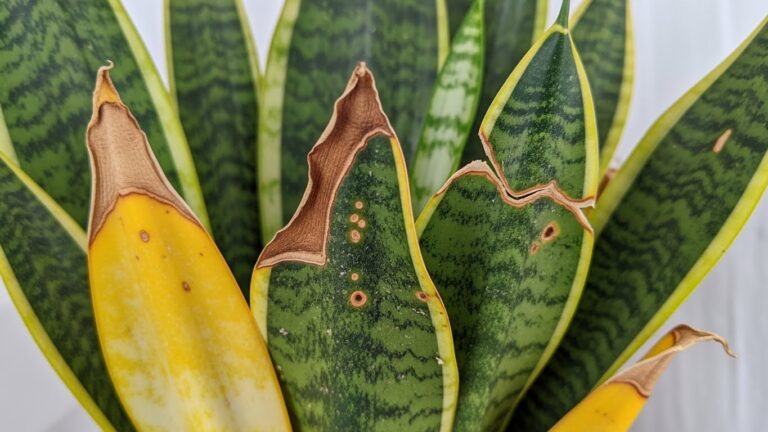
To guarantee your snake plant flourishes in 2025, start by selecting the right variety like Sansevieria trifasciata, which is both resilient and aesthetically pleasing. Choose a pot with drainage holes and use well-draining soil like cactus mix. Position it in bright, indirect light, and water every 2-6 weeks based on soil dryness. Fertilize during growing seasons and keep an eye out for pests. Keep these tips in mind, and you’ll discover even more essential care secrets!
Key Takeaways
- Choose a well-draining pot and soil mix to prevent root rot and ensure healthy growth.
- Water every 2-6 weeks, allowing soil to dry an inch down between waterings.
- Position your snake plant in bright, indirect light while avoiding direct sunlight to prevent leaf scorch.
- Fertilize with a balanced organic fertilizer during the growing seasons for optimal health and vitality.
- Regularly check for pests and ensure proper drainage to avoid common mistakes that can harm your plant.
Understanding Snake Plant Varieties
When you plunge into the world of snake plants, you’ll discover that these hardy houseplants come in a variety of shapes, sizes, and colors, making them perfect for any plant enthusiast. One of the most charming snake plant characteristics is their striking, upright leaves, which can be solid green, striped, or even variegated. Among the popular varieties, the Sansevieria trifasciata, often called the Mother-in-Law’s Tongue, stands out for its bold patterns and resilience. Another favorite is the Sansevieria cylindrica, known for its round, tubular leaves that add a unique flair to your collection. Each variety offers something special, so you’ll enjoy finding the perfect one that resonates with your personal style and space. Additionally, understanding their care requirements is essential for ensuring long-term health and growth. Happy planting!
Choosing the Right Pot and Soil
Choosing the right pot and soil for your snake plant can make all the difference in its growth and overall health. First, consider pot size: a container that’s too small can stunt your plant’s roots, while one that’s too big might hold excess moisture. Aim for a pot that’s just a few inches larger than the root ball. Next, verify your pot has drainage holes. These holes help prevent water from sitting at the bottom, which can lead to root rot. For soil, choose a well-draining mix, like cactus or succulent soil, to keep your snake plant happy. This combination of the right pot and soil will create a cozy home for your plant to thrive!
Ideal Lighting Conditions
When it comes to lighting conditions for your snake plant, you’ve got some flexibility! These hardy plants thrive in natural light but can also tolerate low light situations, making them perfect for various spots in your home. Just remember, while they’re tough, they don’t like direct sunlight, so pick a spot that gives them some bright, indirect light for the best results.
Natural Light Preferences
Although snake plants are known for their resilience, understanding their natural light preferences can considerably enhance their growth and vigor. These lovely plants thrive in bright, indirect light, making them perfect for your indoor spaces. While they can adapt to lower light conditions, providing them with ample natural exposure is key to keeping those vibrant colors and robust leaves. Position your snake plant near a window with filtered sunlight, or in a well-lit room where they can soak up that glow. Avoid harsh, direct sunlight, as it can scorch their leaves. Remember, a little TLC regarding lighting can go a long way in ensuring your snake plant flourishes beautifully!
Low Light Tolerance
While snake plants are often celebrated for their ability to thrive in various lighting conditions, they particularly shine in low light environments. This makes them perfect for your cozy corners or less sunny rooms. Here are some care tips to guarantee your snake plant thrives:
- Choose a spot: Place it away from direct sunlight, like a north-facing window.
- Water wisely: Keep the soil slightly dry; overwatering can harm your plant.
- Monitor growth: If the leaves become floppy, it might need a brighter spot.
One of the best snake plant benefits is its air-purifying ability, making it a fantastic companion in your home. With these tips, you’ll love watching your snake plant flourish!
Avoid Direct Sunlight
To help your snake plant thrive, it’s essential to avoid direct sunlight, as too much exposure can scorch its leaves and stunt its growth. Instead, aim for indirect lighting, which allows your plant to soak up the light it craves without suffering from heat stress. Place your snake plant near a window where it can enjoy filtered light, or in a room with bright, indirect lighting. This way, you’re creating a cozy environment that promotes healthy growth. Remember, snake plants are quite forgiving, so even if your space isn’t perfectly lit, they can adapt. Keep an eye on your plant; if the leaves start to fade or brown, you might need to adjust its position. Happy growing!
Watering Guidelines
When it comes to watering your snake plant, getting it right is crucial for keeping it healthy and thriving. You’ll want to focus on a few key factors to guarantee your plant flourishes.
- Water frequency: Generally, water your snake plant every 2-6 weeks, depending on the season.
- Check soil moisture: Stick your finger into the soil; if it’s dry an inch down, it’s time to water.
- Avoid overwatering: Snake plants prefer drier conditions, so be cautious not to water too often.
Fertilizing Your Snake Plant
Fertilizing your snake plant is a key step in helping it thrive, so let’s explore the best types of fertilizers for this hardy houseplant. You’ll want to know how often to apply them for ideal growth, ensuring your plant stays healthy and vibrant. With the right approach, you’ll see your snake plant flourish in no time!
Best Fertilizer Types
Choosing the right fertilizer for your snake plant can make a big difference in its growth and health, especially since these hardy plants thrive on minimal care. When selecting fertilizer types, consider these options:
- Organic options: They’re gentle and boost plant health naturally.
- NPK ratios: Look for balanced ratios, typically around 10-10-10, to meet your plant’s nutrient needs.
- Slow release or liquid fertilizers: Slow release provides a steady supply, while liquid options are great for seasonal feeding.
Application Frequency Tips
To keep your snake plant thriving, it’s important to know how often to apply fertilizer, especially since these plants don’t need much to flourish. Here are some application frequency strategies to guide you:
Season | Fertilizer Frequency |
|---|---|
Spring | Once every 4-6 weeks |
Summer | Once every 4 weeks |
Fall | Once every 8 weeks |
Winter | No fertilizer needed |
Don’t forget to make seasonal application adjustments! Your snake plant will appreciate a boost during its growing season, but less is more in winter. With these tips in mind, you’ll keep your plant healthy and vibrant, making every moment spent with it even more rewarding. Happy gardening!
Temperature and Humidity Preferences
When it comes to caring for your snake plant, understanding its temperature and humidity preferences is key to keeping it healthy and thriving. These resilient plants love warmth and can adapt to various conditions, but they thrive best in the following ideal environments:
- Temperature Range: Aim for between 60°F to 80°F (15°C to 27°C).
- Humidity Levels: They prefer dry air, so keep humidity low—around 30-50% is perfect.
- Avoid Drafts: Keep your snake plant away from cold drafts or sudden temperature changes.
Pest and Disease Management
Just because snake plants are hardy doesn’t mean they’re immune to pests and diseases, so it’s crucial to keep an eye on your plant and know how to tackle any issues that might arise. First, learn pest identification—common pests like spider mites and mealybugs can sneak up on you. Regularly check the leaves and soil for any signs of these unwanted guests. For disease prevention, make sure your plant isn’t overwatered and has good airflow. If you spot any problems, treat them promptly with insecticidal soap or neem oil. Remember, a little attention goes a long way in keeping your snake plant healthy and thriving, so don’t hesitate to act when you see something off. Happy planting!
Propagating Your Snake Plant
Propagating your snake plant can be an exciting way to grow your collection without spending a dime! You can use two popular methods: the leaf cuttings method, where you snip a healthy leaf and encourage it to root, or the division technique, which involves separating a plant into smaller sections. Let’s explore these methods so you can start your propagation journey with confidence!
Leaf Cuttings Method
Starting your journey with snake plant propagation can be exciting, especially when you discover the leaf cuttings method. This technique allows you to create new plants from the leaves you already have! Here’s how to get started with leaf propagation:
- Select a healthy leaf: Look for a strong, vibrant leaf to guarantee the best results.
- Use proper cutting techniques: Cut the leaf into sections about 4 to 6 inches long, making sure each piece has a clean edge.
- Place in soil: Insert the cuttings into well-draining soil, burying them slightly, and water sparingly.
With patience and care, you’ll soon see new growth, bringing more beauty to your space. Enjoy nurturing your snake plants!
Division Technique Explained
If you’re looking for another fun way to propagate your snake plant, the division technique might be your new go-to! This method involves separating a mature plant into smaller sections, which can lead to healthier growth and more vibrant leaves. Timing is key here—spring is the best season for division, as your plant will be actively growing.
To start, gently remove your snake plant from its pot, and carefully pull apart the root system, ensuring each division has roots and leaves. Replant them in fresh soil, giving them a cozy home. The division benefits are huge; not only do you get new plants, but it also encourages the original plant to flourish. Happy propagating!
Common Mistakes to Avoid
When you’re caring for your new snake plant, you might not realize that small mistakes can lead to big problems. Avoiding these common pitfalls can make all the difference in keeping your plant healthy and thriving:
- Overwatering Issues: Snake plants prefer to dry out between waterings. Too much moisture can lead to root rot, so less is often more!
- Poor Drainage: Always use pots with drainage holes. Without them, excess water can accumulate, causing serious harm to your plant.
- Ignoring Light Needs: While snake plants are tough, they still need the right amount of light. Too little can stunt growth, while too much direct sunlight can scorch the leaves.
Styling Your Space With Snake Plants
Snake plants aren’t just easy to care for; they also bring a fresh vibe to any room! To really elevate your space, think about how you can create decorative arrangements with your snake plants. You can position them in stylish pots, grouping different heights for a dynamic look. Pair your snake plants with other low-maintenance plants, like pothos or ZZ plants, for beautiful plant pairings that complement each other’s textures and colors. Place them on shelves, windowsills, or even in a cozy corner, letting their striking leaves add character. Remember, the right placement can make your room feel more inviting, so don’t be afraid to experiment until you find that perfect balance that reflects your unique style!
Conclusion
As you commence your snake plant journey, think of yourself as a gardener in a whimsical forest, nurturing your green companion. With the right pot, soil, and care, your snake plant will thrive, bringing life and energy to your space. Avoid the common pitfalls, and remember, patience is key. Just like a wise old tortoise, take your time, and soon you’ll witness the beauty of your flourishing plant, a symbol of your green-thumb success in 2025!