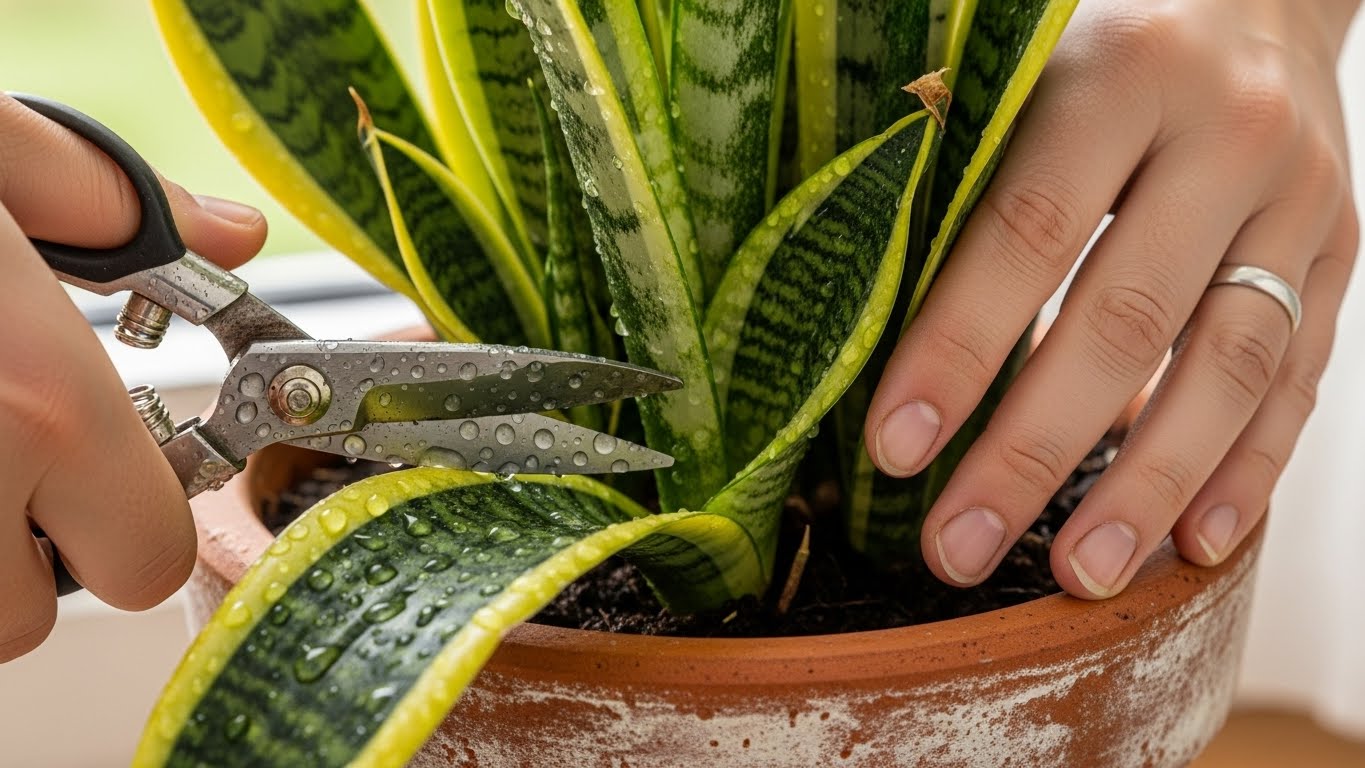
To prune your snake plant for a neater look, grab some sharp scissors. Look for any brown or damaged leaves to trim at the base, promoting new growth. Do this in spring or summer for the best results. After pruning, give it a little water but let that soil dry out before the next watering. Make sure it’s in indirect light, and keep an eye on its health. There’s more to learn about keeping your plant thriving!
Key Takeaways
- Prune snake plants in spring or summer to promote growth and avoid stress during dormancy.
- Remove brown, damaged, or overly long leaves to enhance the plant’s appearance.
- Use sharp, clean pruning shears for precise cuts at the base of the leaves.
- Ensure each cut section has healthy leaves to support new growth and propagation.
- Regularly dust leaves and check for signs of stress after pruning for optimal health.
Understanding Your Snake Plant
Understanding your snake plant is the first step to keeping it healthy and happy! These resilient beauties come in various snake plant varieties, each with its unique charm. You’ll find types like the classic Sansevieria trifasciata, known for its tall, striking leaves, or the compact Sansevieria cylindrica, perfect for small spaces. Plant care is simple; just remember they thrive in indirect light and don’t need too much water. Let the soil dry out between watering sessions, and they’ll reward you with fresh air and beauty. By getting to know your specific variety, you can cater to its needs, creating a nurturing environment. This connection will make your plant care routine feel even more fulfilling and enjoyable! Additionally, understanding the importance of excellent drainage is crucial for preventing root rot and ensuring your plant thrives.
When to Prune Your Snake Plant
Knowing when to prune your snake plant can make a big difference in its overall health and appearance. The best seasons for pruning are in the spring and summer, as these coincide with your plant’s growth cycles. During this time, your snake plant is actively growing, and pruning will help encourage new growth and maintain its vibrant look. It’s best to avoid pruning in the fall and winter when the plant is resting, as this can stress it out. Keep an eye on any brown, damaged, or overly long leaves; these are your cues. Pruning at the right time not only tidies up your plant but also helps it thrive, so don’t hesitate to give it some TLC!
Tools You’ll Need for Pruning
Before you start pruning your snake plant, you’ll need to gather some essential tools to make the job easier and safer. Having the right pruning shears and protective gloves will help you tackle those pesky leaves without hassle. Let’s check out what you’ll need to get started!
Essential Pruning Tools
To keep your snake plants healthy and looking their best, having the right tools for pruning is essential. Start with a sharp pair of pruning shears; they’ll make clean cuts, helping your plant heal faster. If you’re dealing with thicker leaves, you might need a knife or scissors. A soft cloth is great for wiping down leaves, enhancing those vibrant plant aesthetics. To keep up with your pruning techniques, a small brush can help remove dust and debris from your tools, ensuring they stay in top shape. Finally, don’t forget a container for any clippings; keeping things tidy makes your pruning session more enjoyable. With these tools in hand, you’re ready to elevate your plant’s appearance!
Safety Equipment Needed
When it comes to pruning your snake plants, safety should be a top priority, so gearing up with the right equipment is vital. You want to protect yourself while keeping your plants healthy. Here’s what you’ll need:
- Gardening Gloves: Gloves are important for protecting your hands during pruning. They’ll shield you from sharp leaves and any potential irritants.
- Eye Protection: Safety glasses can prevent stray leaves or debris from getting in your eyes. It’s a simple step that makes a big difference.
- Pruning Shears: While not safety gear, a good pair of shears keeps your hands safe from overexertion and guarantees clean cuts.
With these items, you’ll prune confidently, knowing you’re well-protected. Happy pruning!
Assessing the Health of Your Plant
Evaluating the health of your snake plant is like being a detective, searching for clues that reveal how well your green friend is doing. Start with a leaf inspection—check for any discoloration, browning edges, or soft spots. These signs can indicate issues like overwatering or pests, which can seriously affect your plant’s health. Healthy leaves should be firm and vibrant, standing tall and proud. Pay attention to the soil too; if it’s soggy or dry, it can affect your plant’s overall condition. Don’t forget to look for new growth, as this shows your snake plant is thriving. By keeping a close eye on these details, you’ll help guarantee your plant remains a beautiful part of your home.
Identifying Leaves to Prune
When you’re ready to prune your snake plant, the first step is spotting the leaves that need some attention. Look for any damaged or discolored leaves, as they can take away from your plant’s overall health and beauty. Also, consider the height of the leaves; if some are towering over the rest, trimming them can help create a more balanced appearance.
Spotting Damaged Leaves
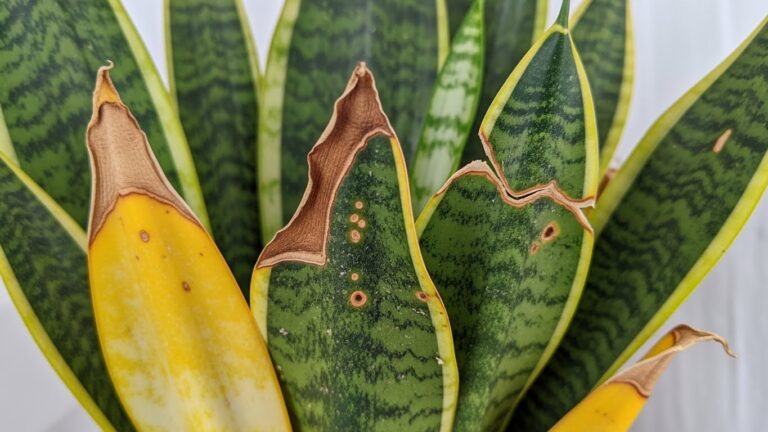
Spotting damaged leaves on your snake plant can be a straightforward task, especially if you know what to look for. Keep an eye out for these signs that indicate it’s time to prune:
- Leaf Discoloration: Yellow or brown spots can signal leaf discoloration causes, like overwatering or lack of light.
- Pest Infestation Signs: Check for tiny webs or sticky residue, which may mean pests are munching on your plant.
- Wilting or Softness: If leaves feel mushy or droop, that’s a clear signal that your plant needs help.
Assessing Leaf Height
To keep your snake plant healthy and thriving, evaluating leaf height is essential for identifying which leaves need pruning. Start by examining the leaf length; the tallest leaves often indicate that they’re soaking up more light, while shorter ones might be struggling. Take note of the growth patterns—if you see some leaves leaning or crowding others, they may need a trim for better air circulation and light exposure. Don’t hesitate to prune leaves that appear out of place or disrupt your plant’s overall shape. By doing this, you’ll not only encourage your snake plant to grow more evenly but also create a neater and more attractive display. Happy pruning!
How to Prune Damaged Leaves
Pruning damaged leaves from your snake plant can breathe new life into your beloved greenery! When you notice brown tips or wilted foliage, it’s time to take action. Here’s how to do it effectively:
- Inspect the Leaves: Check for any signs of damage, like brown tips or soft spots.
- Cut at Base: Using sharp scissors, cut the damaged leaves at the base, ensuring you don’t harm the healthy parts of the plant.
- Remove Brown Tips: If only the tips are brown, simply trim them off for a neater look, promoting new growth.
Trimming Overgrown Foliage
If your snake plant’s leaves are starting to crowd each other, it’s time to tackle that overgrown foliage! First, gather your pruning shears and make sure they’re clean. Start by identifying the leaves that are overlapping or look a bit messy. Using your pruning techniques, cut those leaves at the base, ensuring you don’t damage the surrounding ones. This not only enhances the plant’s appearance but also promotes better air circulation, which is essential for healthy foliage maintenance. Don’t worry; your snake plant will thrive with a little attention! With each snip, you’re giving it a fresh start, allowing those vibrant leaves to shine. Enjoy the satisfaction of watching your plant grow beautifully!
Dividing Your Snake Plant
Dividing your snake plant can give it a new lease on life, and it’s easier than you might think! This simple process not only helps your plant thrive but also offers a chance for propagation methods to expand your indoor garden. Here are some straightforward dividing techniques to follow:
- Choose the right time: Early spring is ideal for dividing your snake plant when it’s actively growing.
- Remove the plant: Carefully take your snake plant out of its pot, shaking off excess soil.
- Divide the roots: Use a clean knife to separate the root ball into sections, ensuring each part has a few healthy leaves.
With these steps, you’ll have new plants ready to flourish in no time!
Cleaning Up After Pruning
After you’ve divided your snake plant and given it a fresh start, it’s time to tidy up the area where you worked. First, gather your cleaning tools, like a broom and dustpan or a vacuum. You’ll want to sweep up any pruning debris, including fallen leaves or soil, to keep your space neat. Don’t forget to check the surrounding area; it’s easy for little bits to sneak away! If you used any pots or trays, wipe them down to remove dirt and moisture. Finally, take a moment to admire your handiwork! A clean workspace not only looks great but also helps your newfound plants thrive. You’re one step closer to a beautiful snake plant display!
Caring for Your Pruned Snake Plant
Caring for your pruned snake plant is essential to confirm it continues to grow strong and healthy. After pruning, you’ll want to focus on post-pruning care to confirm your plant thrives. Here are three key tips:
- Maintain Hydration: Water your snake plant lightly, allowing the soil to dry out between waterings. This helps avoid root rot while keeping it hydrated.
- Provide Adequate Light: Place your snake plant in indirect sunlight to encourage healthy growth, but avoid direct intense rays.
- Monitor Growth: Keep an eye on new leaves and overall health. If you notice any signs of stress, adjust your care routine accordingly.
Tips for Maintaining a Healthy Snake Plant
Maintaining a healthy snake plant is all about understanding its unique needs and providing the right care. First, pay attention to its light requirements. Snake plants thrive in bright, indirect light but can adapt to low-light conditions too. Just make certain they don’t sit in direct sunlight for long periods, as that can scorch their leaves. Next, focus on soil moisture. These resilient plants prefer to dry out completely between waterings, so check the soil before you water. A well-draining potting mix is essential to prevent root rot. Finally, don’t forget to dust the leaves occasionally; it helps them breathe and look their best. By following these tips, you’ll guarantee your snake plant stays vibrant and healthy!
Common Mistakes to Avoid
When it comes to caring for your snake plant, avoiding common mistakes can make all the difference in keeping it healthy and happy. Many people underestimate the importance of proper pruning techniques, leading to uneven growth. Here are some common misconceptions you should steer clear of:
- Pruning Too Much: Don’t go overboard! Cutting away too many leaves can stress your plant.
- Ignoring Tools: Using dull scissors or non-sterilized tools can introduce disease. Always keep your tools sharp and clean!
- Pruning at the Wrong Time: Avoid pruning during the plant’s dormant phase, which is usually in winter.
Enjoying Your Neater Snake Plant
A freshly pruned snake plant stands tall and proud, showcasing its vibrant leaves and neat appearance. You can’t help but admire how its clean lines enhance your room’s plant aesthetics, creating a calming atmosphere. With its lush greenery, your snake plant not only looks great but also offers amazing benefits. It purifies the air, making it healthier for you and your loved ones. Plus, it’s super low-maintenance, so you can enjoy its beauty without a lot of fuss. Take a moment to place it in a spot where it gets indirect sunlight, and watch as it thrives. You’ll feel a sense of pride knowing you’ve contributed to both your home’s charm and your well-being!
Conclusion
Pruning your snake plant isn’t just a chore; it’s a delightful way to enhance its charm and energy. By tidying up those unruly leaves, you’re giving your plant a fresh start, allowing it to thrive and shine beautifully. Remember, a little care goes a long way, so keep an eye on its health and growth. With these simple steps, your snake plant will not only look neater but also flourish in its cozy home!