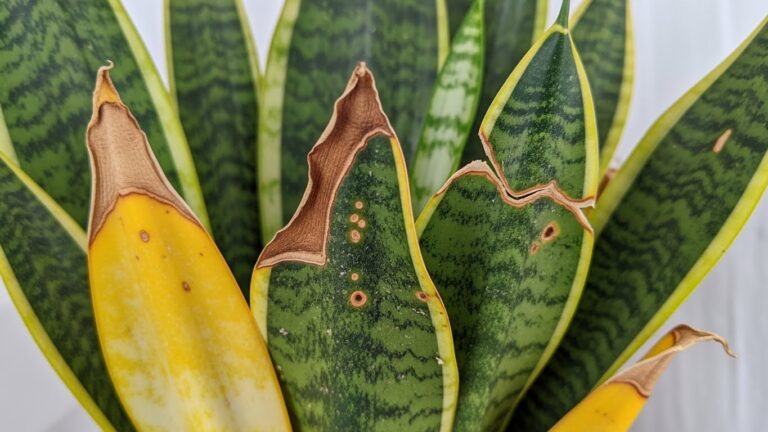
Snake plants, or Sansevieria, are fantastic for improving indoor air quality! They absorb carbon dioxide while releasing oxygen, and they even filter out harmful toxins like formaldehyde and benzene. These hardy plants are easy to care for, thriving in indirect sunlight and dry soil. However, they work best when several plants are present, and their toxin absorption can be slow. Curious about how they help with humidity or where to place them for the best results? Keep exploring!
Key Takeaways
- Snake plants, or Sansevieria, absorb carbon dioxide and release oxygen, contributing to improved air quality.
- They filter harmful substances like formaldehyde and benzene, enhancing indoor air safety.
- While effective, snake plants have limited pollutant removal capacity and require multiple plants for noticeable results.
- Their slow absorption rates and specific toxin filtering can diminish overall effectiveness compared to other air-purifying plants.
- Research supports their air-purifying capabilities, but they are less effective than species like Peace Lily or Pothos.
Understanding Snake Plants: A Brief Overview
Snake plants, also known as Sansevieria, are fascinating houseplants that not only add a touch of green to your home but also offer some impressive benefits. With various plant varieties, like the classic Mother-in-Law’s Tongue and the charming Whale Fin, you can find the perfect fit for your space. These hardy plants thrive on minimal care, making them ideal for busy lifestyles. Just remember to place them in indirect sunlight and let the soil dry out between waterings. A little love goes a long way! By mastering these simple care techniques, you’ll enjoy not only their beauty but also their resilience. Additionally, snake plants are known for their efficient water use during photosynthesis, making them remarkably low-maintenance. So, welcome a snake plant into your life, and let it bring nature’s charm right to your home.
The Science Behind Air Purification
When you think about air purification, it’s fascinating to realize how certain plants, like snake plants, play an essential role in cleaning the air around you. They absorb indoor pollutants and release fresh oxygen, making your space healthier and more enjoyable. Understanding the mechanisms behind this process can help you appreciate the benefits of these green companions even more!
Mechanisms of Air Purification
Air purification isn’t just a magical process; it’s a fascinating blend of biology and chemistry that helps improve the air we breathe. Understanding the mechanisms explained behind this can deepen your appreciation for plants like snake plants. Here’s how they contribute to air purification processes:
- Photosynthesis: Plants absorb carbon dioxide and release oxygen, revitalizing the air.
- Absorption: Snake plants take in harmful substances like formaldehyde and benzene through their leaves.
- Microbial Action: Beneficial microbes in the soil break down toxins, promoting cleaner air.
- Transpiration: Water vapor released from leaves helps maintain humidity, benefiting respiratory health.
- Chemical Conversion: Some plants convert pollutants into harmless compounds, further enhancing air quality.
See? It’s a beautiful collaboration between nature and science!
Impact on Indoor Pollutants
Indoor spaces can often become havens for pollutants, but don’t worry—plants like snake plants are here to help! These green wonders can absorb harmful substances in your indoor air, tackling common pollutant sources like formaldehyde and benzene. By simply breathing, snake plants filter out these toxins, allowing you to enjoy cleaner air.
What’s even cooler is that they’re super low-maintenance, so you don’t have to be a plant expert to keep them thriving. Just place one in a sunny spot, give it a little water, and watch as it works its magic. By adding snake plants to your home, you’re not only decorating but also improving your indoor air quality, creating a healthier environment for you and your family!
Key Toxins Found Indoors
Many people don’t realize that their homes can harbor various harmful toxins that affect air quality and overall health. These indoor toxins can come from numerous sources, and recognizing them is the first step in creating a healthier living environment. Here are some common toxin sources you might encounter:
- Volatile Organic Compounds (VOCs) from paints and cleaners
- Formaldehyde found in furniture and building materials
- Mold spores due to excess moisture
- Pesticides from gardening and pest control
- Carbon monoxide from gas appliances
Being aware of these indoor toxins helps you take action, improving your home’s air quality and ensuring a safer space for you and your loved ones. It’s all about keeping your indoor environment as healthy as possible!
How Snake Plants Filter Air
While you might not think of plants as powerful air purifiers, snake plants, also known as Sansevieria, are exceptional at filtering out harmful toxins from the air. These amazing plants help remove formaldehyde, xylene, and other pollutants, making your indoor environment healthier. Imagine bringing a touch of greenery into your space while reaping the snake plant benefits of cleaner air!
In indoor gardening, they’re incredibly easy to care for, thriving in low light and requiring minimal water. Just place one in your living room or bedroom, and let it work its magic. With a snake plant by your side, you’ll not only beautify your home but also create a fresher, more inviting atmosphere. What could be better than that?
The Role of Photosynthesis in Air Quality
Photosynthesis plays an essential role in improving air quality, as it’s the process through which plants convert sunlight into energy while absorbing carbon dioxide and releasing oxygen. Understanding this photosynthesis process helps you appreciate how important your snake plants are for a healthy environment. Here’s what happens during this amazing process:
- Plants take in carbon dioxide from the air.
- Sunlight energizes the conversion of carbon dioxide and water.
- Oxygen production occurs as a byproduct.
- This oxygen enriches the air we breathe.
- The process helps reduce harmful gases in your home.
Research Studies on Snake Plants and Air Purification
Research has shown that snake plants aren’t just good-looking houseplants; they also play a significant role in purifying the air around you. Studies reveal that these resilient plants can remove toxins like formaldehyde and benzene from your indoor air, making your space healthier. One of the coolest snake plant benefits is its ability to convert carbon dioxide into oxygen at night, which is quite rare among plants. This unique trait can enhance your air quality while you sleep, promoting better rest. Plus, they’re super easy to care for! So, if you’re looking to spruce up your home while improving the air you breathe, adding a snake plant is a smart choice. It’s a win-win for both your décor and health!
The Effect of Snake Plants on Oxygen Levels
When you think about how plants contribute to our environment, you might picture vibrant green leaves soaking up sunlight, but snake plants take it a step further by improving oxygen levels in your home. These unique plants are champions of oxygen production, especially at night, when they release oxygen while you sleep. Here’s how they enhance your air quality:
- They convert carbon dioxide into oxygen.
- They thrive in low light, making them perfect for any room.
- They require minimal water, easy for busy lifestyles.
- They can filter toxins, promoting healthier air.
- They add a touch of nature, uplifting your mood.
Limitations of Snake Plant Air-Purifying Abilities
While snake plants are great for improving air quality, they do have some limitations you should know about. For instance, they’re not the best at removing certain pollutants, and their impact can be pretty small if you only have a few plants in your space. Understanding these factors can help you make smarter choices about how to boost your indoor air quality.
Limited Pollutant Removal
Though you might think snake plants are the ultimate solution for improving air quality, their ability to remove pollutants has its limits. While they do help, their effectiveness is often overstated. Here are some reasons why:
- Limited effectiveness against certain indoor pollutant types
- Can only purify air in small spaces
- Need proper light and care to thrive
- Require a significant number of plants for noticeable results
- Slow absorption rates for toxins
Low Impact Scale
The snake plant, often praised for its air-purifying abilities, actually has a low impact scale when it comes to enhancing indoor air quality. While you might love the snake plant benefits in your indoor gardening, it’s essential to understand its limitations.
Here’s a quick look at its effectiveness:
Aspect | Details |
|---|---|
Pollutant Removal | Limited to specific toxins |
Air Quality Improvement | Minor impact overall |
Maintenance | Easy to care for, low light |
Comparison With Other Air-Purifying Plants
When comparing snake plants to other air-purifying plants, it’s clear that each type has its unique strengths and qualities. Snake plants are celebrated for their low maintenance and night-time oxygen production, but let’s explore how they stack up against others.
- Peace Lily: Known for its stunning blooms and ability to filter mold spores.
- Spider Plant: Great for removing formaldehyde and easy to propagate.
- Pothos: Thrives in various conditions and effectively removes toxins.
- Boston Fern: Excellent at humidifying the air while filtering pollutants.
- Areca Palm: A natural humidifier that adds a tropical vibe to your space.
In this air-purifying comparison, snake plant benefits stand out, making it a fantastic choice for any indoor environment.
Care Tips for Healthy Snake Plants
Taking care of your snake plant is easier than you might think, and it all starts with understanding its watering needs and light preferences. You’ll want to water your plant just enough so it doesn’t sit in soggy soil, and placing it in bright, indirect light will help it thrive. With a little attention to these basics, your snake plant will stay healthy and keep your air fresh!
Watering Requirements
Although snake plants are known for their hardiness, understanding their watering requirements is essential for keeping them healthy and thriving. You’ll want to find the right balance, as too much water can lead to root rot. Here are some tips to help you nail down your watering frequency and techniques:
- Water only when the top inch of soil is dry.
- Use well-draining soil to prevent water retention.
- Water thoroughly, allowing excess to drain out.
- Avoid letting the plant sit in standing water.
- Adjust your schedule based on the season; they need less water in winter.
Light Preferences
Snake plants thrive not just on your careful watering habits, but also on the right amount of light. They love bright, indirect sunlight, which helps them grow strong and healthy. Too much light intensity can scorch their leaves, while too little will stunt their growth patterns. If you notice your snake plant leaning toward a light source, it’s a sign it needs more brightness. Place it near a window with filtered light or use curtains to soften the rays. Remember, they can adapt to lower light levels, but their growth may slow down. Keep an eye on your plant; with the right light, it’ll flourish beautifully, bringing life to your space while purifying the air!
Snake Plants and Humidity Control
When it comes to improving indoor humidity levels, the snake plant is a fantastic ally. These resilient plants not only add beauty to your space but also help maintain ideal indoor moisture. Here are some humidity benefits you can enjoy with snake plants:
- They release moisture through a process called transpiration.
- This can help combat dry air, especially in winter.
- Maintaining higher humidity levels can ease respiratory issues.
- They require minimal care, making them perfect for busy lives.
- Snake plants can also enhance your overall well-being by creating a more comfortable environment.
Ideal Placement for Maximum Air Quality Benefits
To get the most air quality benefits from your snake plant, think about where you place it in your home. It thrives in bright, indirect light and can handle a range of temperatures, so find a spot that keeps it happy and healthy. By choosing the right location, you’re not just beautifying your space; you’re also boosting your indoor air quality!
Optimal Room Locations
Finding the best spots in your home for snake plants can greatly boost your air quality, and it’s all about understanding their preferences. To achieve excellent placement, consider your room arrangement and where these leafy friends can thrive. Here are some ideal locations for your snake plants:
- Near windows for natural light, but out of direct sun
- In corners where they can grow tall without obstruction
- On shelves or tabletops for easy access and visibility
- In the living room to enhance your space and purify the air
- In bedrooms for better sleep quality and reduced pollutants
Light and Temperature Needs
Light and temperature play essential roles in the health of your snake plants and, consequently, the air quality in your home. These plants thrive best in bright, indirect light, which helps them grow strong and healthy. They prefer a light intensity that mimics their natural habitat, so keep them near a window where they can soak up that gentle sunlight.
As for temperature, snake plants love warmth. Aim for a temperature range between 60°F and 80°F.
Here’s a quick guide for your snake plants:
Light Intensity | Temperature Range |
|---|---|
Bright, Indirect | 60°F – 80°F |
Low Light Tolerance | Avoid below 50°F |
Direct Sunlight | Not Ideal |
Shade Tolerance | Yes |
Best Growth | 70°F – 75°F |
With these tips, you’ll create an ideal environment for your snake plants!
Common Myths About Snake Plants
When it comes to snake plants, many people believe some wild myths that just aren’t true. Let’s clear up some common snake plant misconceptions and air quality myths that might be floating around:
- They only purify air at night: While they do convert CO2 to oxygen overnight, they also help during the day.
- They’re poisonous to pets: Snake plants are mildly toxic, but they’re usually safe around pets if ingested in small amounts.
- They need constant watering: Overwatering is more harmful; these plants thrive on neglect.
- They can’t survive in low light: Snake plants are adaptable and can thrive in various lighting conditions.
- They can’t improve air quality: Research shows they can filter toxins, so don’t underestimate their power!
Now that you know, you can appreciate your snake plant even more!
The Future of Indoor Plants in Air Quality Improvement
As we clear up myths about snake plants, it’s exciting to contemplate how indoor plants, in general, can play a significant role in improving air quality for our homes and schools. Future trends in indoor gardening show that more people are embracing these green companions. Imagine filling your room with vibrant plants that not only look beautiful but also filter the air you breathe. Research suggests that various indoor plants can reduce pollutants and enhance oxygen levels, making your space healthier. As you cultivate your indoor garden, you’ll create a calming atmosphere while contributing to better air quality. So, whether it’s snake plants or other greenery, nurturing these plants can truly transform your environment for the better.
Conclusion
To sum up, having snake plants at home is like having a natural air filter that works silently while you go about your day. They not only help remove harmful toxins but also improve humidity and enhance your indoor environment. By strategically placing these green companions in your space, you can breathe easier and enjoy cleaner air. So, why not invite a snake plant into your home and let it do its magic for your air quality?